
Unveiling the Unexpected: Shocking Facts You Never Knew You Needed to Know
Prepare to have your perception challenged and your mind expanded. In life, there are countless hidden truths and fascinating insights that often elude our everyday awareness. Some might seem counter-intuitive, others downright surprising, but all are undeniably important for a deeper understanding of the world around us. This article delves into a collection of compelling facts that you might not have wanted to know, but trust us, once you do, you’ll be glad you opened your mind to them. From startling health revelations to intriguing animal behaviors and critical safety advice, these are the must-reads that will change the way you see mundane aspects of your daily routine. Get ready to discover some truly super interesting facts that could impact your health, safety, and even your relationship with your furry friends!
Why Making Your Bed Might Be Bad for Your Health

What?! Not make my bed, you might ask?
The morning ritual of neatly making your bed has long been associated with tidiness and discipline. However, scientific insights suggest that this seemingly virtuous habit might inadvertently be creating a thriving ecosystem for unwanted guests: dust mites. These microscopic creatures, invisible to the naked eye, are common inhabitants of our bedding, feeding on dead skin cells we shed daily. They particularly flourish in warm, moist environments. When you immediately make your bed after waking up, you trap all the body heat, sweat, and moisture accumulated during the night beneath the covers, essentially creating an ideal, humid greenhouse for these mites to multiply.
Leaving your bed unmade and uncovered allows the sheets and mattress to air out. As the moisture evaporates and the bedding cools, the environment becomes significantly less hospitable for dust mites, curbing their growth and reproduction. This simple act of leaving your bed “messy” can dramatically reduce the dust mite population in your sleeping space. Given that dust mite allergens are a common trigger for asthma and allergies, leading to symptoms like sneezing, runny nose, itchy eyes, and even difficulty breathing, this small change can have a considerable positive impact on your respiratory health and overall well-being. So, next time you’re tempted to immediately tidy your bed, consider letting it breathe for a few hours. Your lungs, and potentially your immune system, will thank you.
The Hidden Link Between Eating Speed and Weight Gain

How can eating fast make me fatter, faster?
In our fast-paced world, it’s common to rush through meals, often eating on the go or while distracted. However, this habit of scarfing down food quickly can have significant and detrimental effects on your weight management and overall health. Research, including studies conducted by reputable institutions, consistently shows a strong correlation between eating speed and weight gain. The science behind this lies in the intricate communication system between your stomach and brain, specifically concerning satiety hormones.
When you eat, your digestive system begins processing food, and in response, your stomach releases hormones like cholecystokinin (CCK) and peptide YY (PYY), which signal to your brain that you’re full. This process isn’t instantaneous; it typically takes about 20 minutes for these satiety signals to effectively reach your brain and register. If you eat quickly, you’re consuming a larger quantity of food before your body has had a chance to register fullness. This delay means you can easily overeat without even realizing it, accumulating excess calories that contribute to weight gain over time. Furthermore, rapid eating often leads to less thorough chewing, which can hinder proper digestion and nutrient absorption. Practicing mindful eating – savoring each bite, chewing slowly, and putting your fork down between mouthfuls – allows your body’s natural satiety mechanisms to function properly, helping you eat less and feel more satisfied, ultimately supporting healthier weight management.
The Deadly Danger of Sitting Too Close to the Steering Wheel

How does my seat position determine my safety in my car?
While most drivers are well aware of the dangers of distracted driving or speeding, a less commonly recognized, yet equally critical, safety factor is your seating position relative to the steering wheel. This is especially pertinent for shorter individuals who might instinctively move their seats closer to the dashboard to reach the pedals comfortably. However, this proximity can turn a life-saving airbag into a potentially lethal hazard in the event of a collision.
The National Highway Traffic Safety Administration (NHTSA) strongly recommends maintaining a minimum distance of ten, and ideally twelve, inches between your breastbone and the center of the steering wheel. The reason for this crucial guideline lies in the incredible force and speed with which an airbag deploys. A steering wheel airbag is designed to inflate almost instantaneously – often in less than 50 milliseconds – at speeds approaching 200 miles per hour, generating a force of nearly 2,000 pounds. If you are sitting too close, your body will still be moving forward into the deploying airbag, significantly increasing the risk of severe injury to the head, neck, and chest. These injuries can range from fractures and contusions to internal organ damage, and in tragic cases, can be fatal. To ensure optimal safety, drivers should adjust their seat to the furthest comfortable position while still maintaining full control of the pedals and steering wheel. Utilize seat height adjustments, steering wheel tilt/telescope features, and consider pedal extenders if necessary, to achieve the recommended safe distance without compromising driving ability. Your safety hinges on this critical, often overlooked, detail.
Yes, Your Dog Really Does Get Jealous!

My sweet little furbaby? Never! 🙂
For centuries, pet owners have anecdotally reported signs of jealousy in their canine companions, often dismissed as mere anthropomorphism. However, scientific research is increasingly validating these observations. An extensive study conducted at the University of California, San Diego, provided compelling evidence that dogs do indeed exhibit behaviors consistent with jealousy when they perceive their owner displaying affection toward another entity, whether it’s another dog, a new pet, or even a toy.
In this study, dogs were observed interacting with their owners in scenarios where the owners were either petting a realistic stuffed dog, reading aloud from a book, or playing with a novel object. The results were striking: a significant percentage of dogs displayed jealous behaviors – such as pushing, barking, whimpering, or getting in between the owner and the “rival” – predominantly when their owners were interacting with the fake dog. This suggests that dogs react negatively when their primary source of attention and affection is directed elsewhere, interpreting it as a threat to their relationship or status. As Dr. Christine Harris, one of the study’s authors, noted, “The study suggests not only that dogs do engage in what appear to be jealous behaviors but also that they were seeking to break up the connection between the owner and a seeming rival.” This emotional response highlights the deep bond dogs form with their human families and their reliance on that connection, confirming what many multi-pet households already know – even your most loyal furbaby sometimes wants all your love to themselves!
The #1 Culprit for Weight Gain: It’s Not What You Think
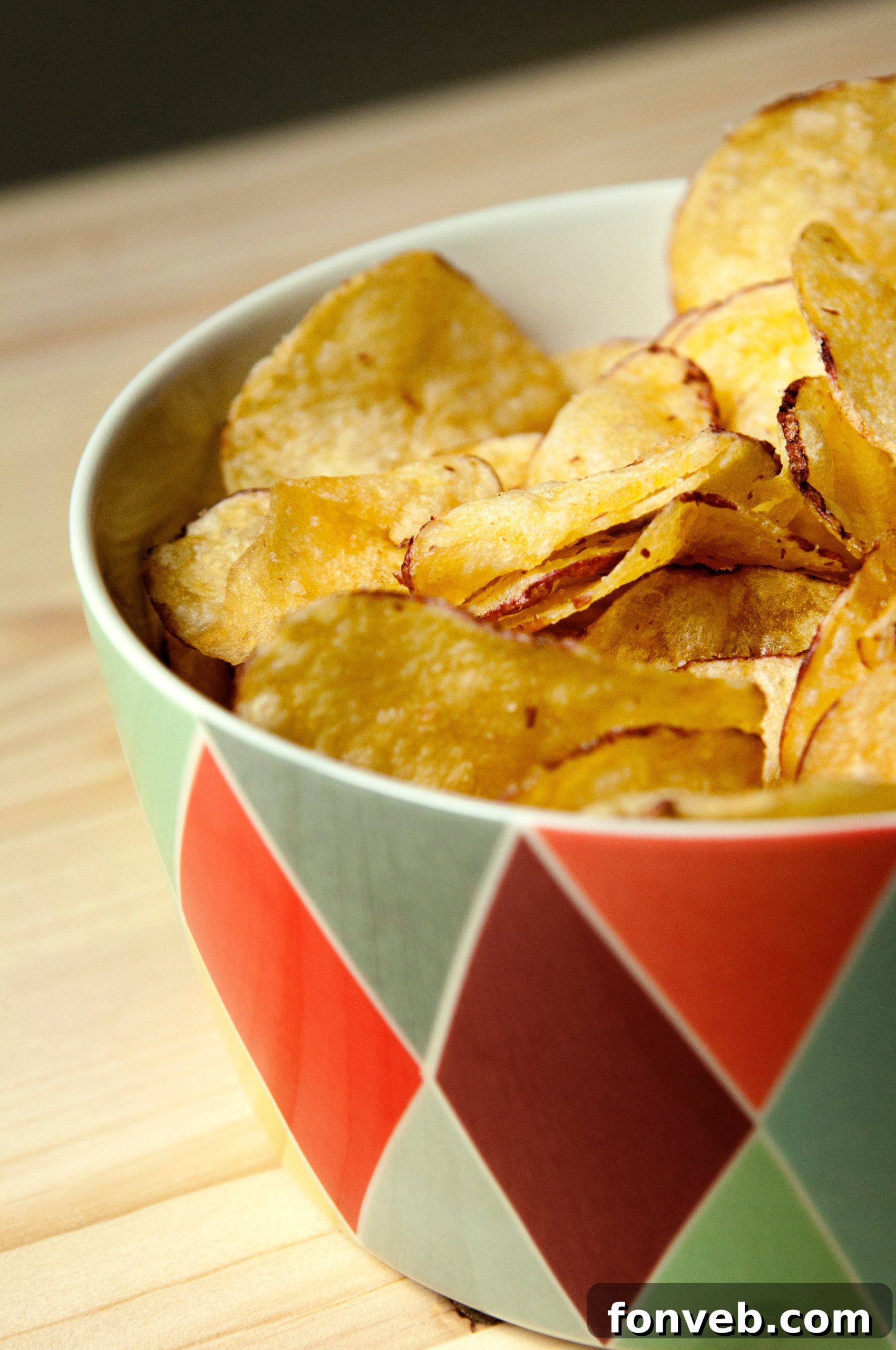
What? It can’t be… but my precious Doritos!
When it comes to identifying foods most responsible for weight gain, many people might instinctively point to sugary sodas, fast food, or decadent desserts. However, a landmark study conducted at Harvard University surprised many by pinpointing an unassuming, yet ubiquitous, snack as the single largest contributor to weight gain: potato chips. This comprehensive study, which tracked the dietary habits and weight changes of over 120,000 participants over several years, meticulously analyzed the impact of various foods on long-term weight fluctuation.
The findings were clear and compelling: potato chips were associated with the most significant weight gain per serving compared to any other food item in the study. Why are chips such a potent contributor to unwanted pounds? It’s a combination of factors. They are incredibly calorie-dense, often high in unhealthy fats and sodium, and critically, engineered for “hyper-palatability.” This means they are designed to be irresistibly delicious, triggering reward centers in the brain without promoting satiety, leading to easy overconsumption. You can eat a large bag of chips and still not feel full, unlike a meal rich in protein and fiber. Other foods that ranked high as weight gain culprits included potatoes (especially processed forms like french fries), sugary drinks (soda and sweetened beverages), and unprocessed red meat. This research serves as a stark reminder that seemingly harmless snack choices can accumulate into substantial weight gain over time. The next time you’re contemplating a snack, consider reaching for healthier alternatives like fresh fruit, vegetables with hummus, nuts, or air-popped popcorn instead of venturing down the chip aisle.
These unexpected revelations offer a fresh perspective on common aspects of our lives. From re-evaluating our morning routines to making conscious dietary choices and practicing safer driving habits, knowledge truly is power. Share these fascinating facts with your friends and family to spark conversations and inspire healthier, more informed living!
Join Our Community!
Please remember to SHARE this insightful article on Facebook and PIN IT to your favorite boards!