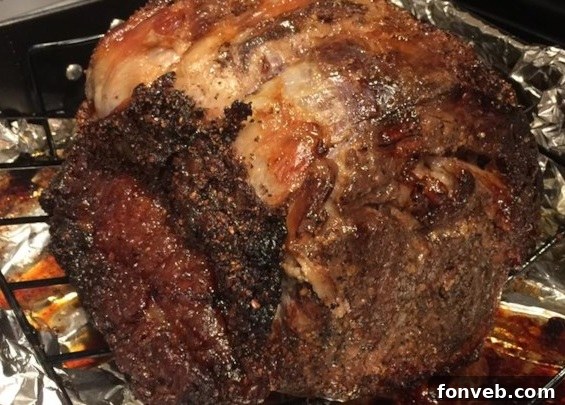
The Ultimate Garlic Crusted Prime Rib Roast: Your Holiday Masterpiece!
Prepare to impress your friends and family this holiday season with a show-stopping recipe that everyone will rave about. This Garlic Crusted Prime Rib Roast isn’t just a meal; it’s an experience. Forget dry, overcooked roasts – this recipe guarantees a tender, juicy, and perfectly marbled cut of beef with an irresistibly crispy, flavorful crust. It’s shockingly easy to prepare and cook, yet the results are so phenomenal, they’ll surpass any restaurant version you’ve ever had. Get ready to be hailed as the holiday cooking champion!
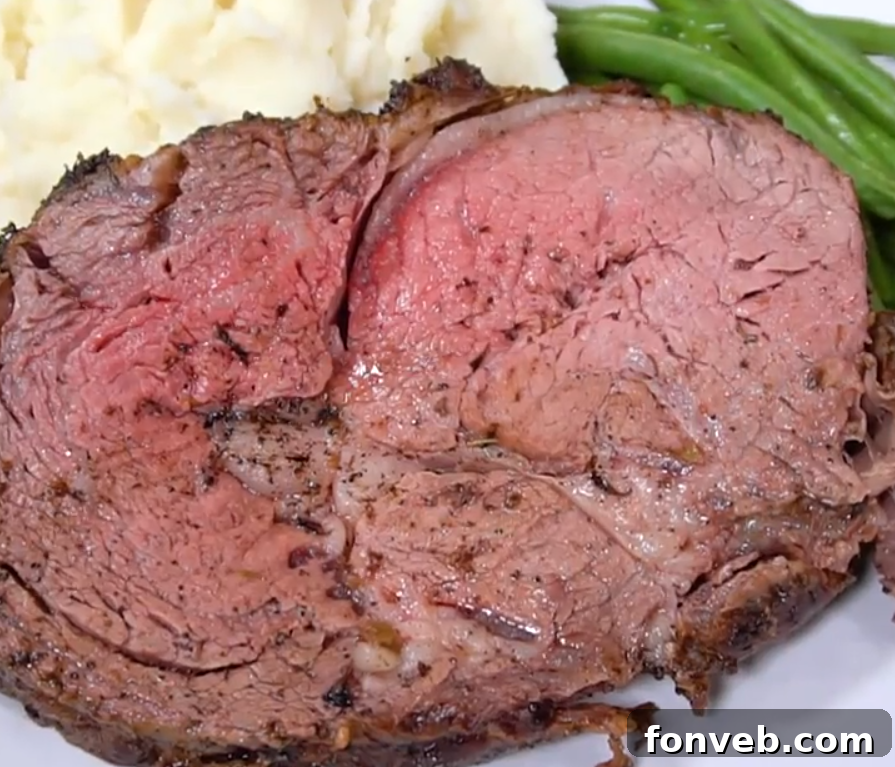
Why This Prime Rib Recipe Stands Out
Imagine a roast so tender it practically melts in your mouth, so juicy that every slice glistens, and boasting a perfectly seasoned, golden-brown crust that adds a delightful texture contrast. That’s exactly what you’ll achieve with this recipe. The secret lies in a clever cooking method and a robust garlic-herb rub that infuses the meat with incredible flavor while creating that coveted crispy exterior. Despite its gourmet appearance and taste, the preparation is incredibly straightforward, making it ideal for both seasoned cooks and those new to roasting prime rib.
Bone-In or Bone-Out? The Choice is Yours!
For this particular preparation, I opted for a bone-out prime rib, primarily for ease of carving and video presentation. However, feel free to use either a bone-in or bone-out roast. Many chefs argue that cooking a prime rib with the bones intact adds an extra layer of flavor and moisture. The bones act as a natural rack, lifting the meat slightly off the pan, and their presence helps insulate the meat, resulting in a more evenly cooked roast. If you choose a bone-in roast, simply ensure it’s properly trimmed and prepared by your butcher. Regardless of your choice, the cooking principles and delicious outcome remain the same.
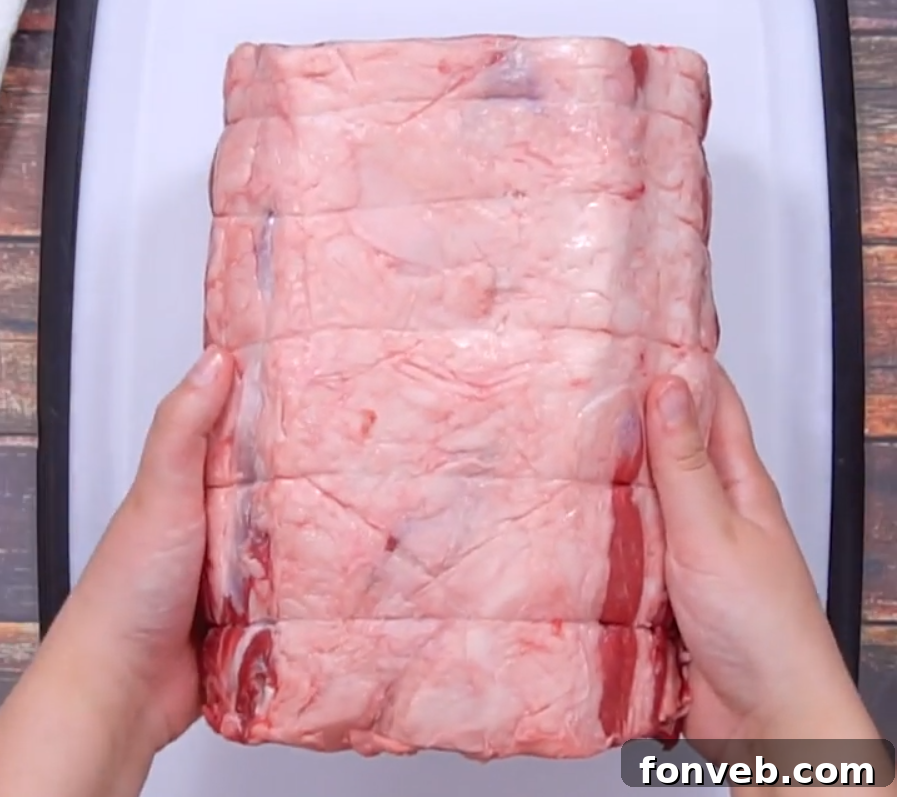
The Magic of the Seasoning & The Perfect Crust
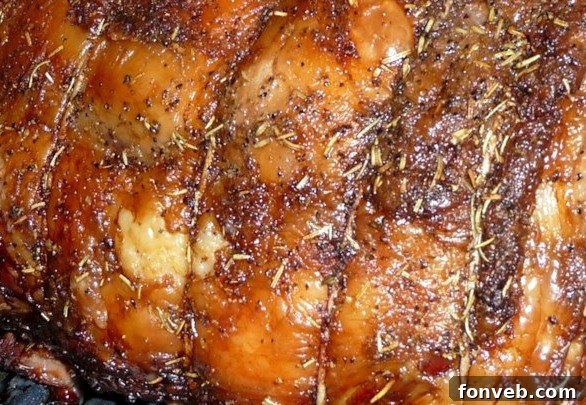
The seasonings are meticulously chosen to create a crust that’s not just crispy, but bursting with flavor. A generous blend of fresh garlic, black pepper, salt, dried thyme, and onion powder, combined with a touch of olive oil and melted butter, forms a paste that adheres beautifully to the roast. This rub penetrates the surface of the meat, ensuring that every bite is savory and aromatic, while also contributing to that phenomenal, deeply caramelized crust. This crust is more than just a coating; it’s an essential part of the prime rib experience, providing a textural contrast to the tender interior.
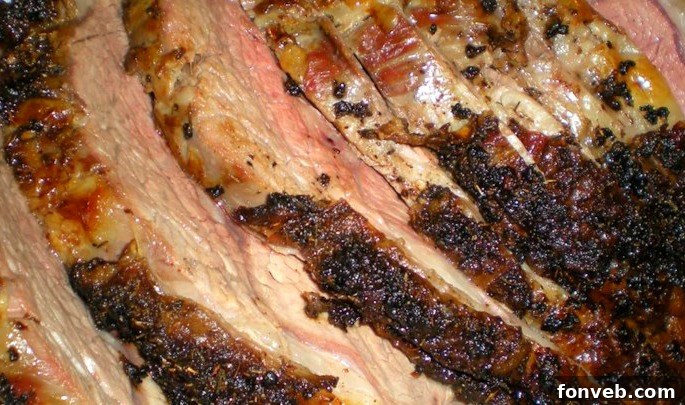
Catering to Every Palate: Doneness for All
One of the best aspects of roasting a prime rib is its ability to satisfy a variety of preferences for doneness. Due to the shape and cooking method, the ends of the roast naturally cook to a more “well-done” temperature, making them perfect for those who prefer their beef without any pink. As you move towards the center, the meat will be a beautiful medium-rare to medium, offering that classic rosy pink hue that many connoisseurs adore. This means you won’t have to worry about individual preferences; there’s a perfect slice for everyone at the table.
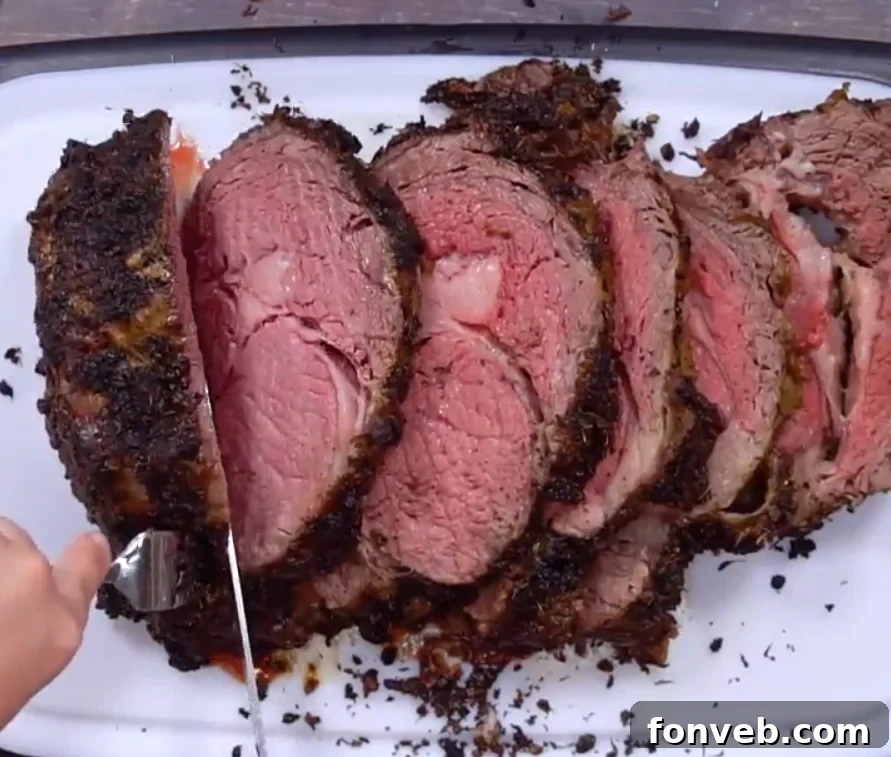
Embrace the Fat: The Secret to Flavor and Juiciness
While some might be tempted to trim away the fat cap, I urge you to embrace it! The fat is not just for flavor; it’s crucial for keeping the roast incredibly juicy and tender throughout the cooking process. Here are a few reasons why that beautiful marbling and fat cap are your best friends:
- Prime Rib is an Investment: This cut of beef is a premium, often expensive, choice. You are paying for that quality, and a significant part of that quality comes from the fat content. Don’t waste your investment by removing what makes it so special.
- Flavor Infusion: As the roast cooks, the fat renders, basting the meat and infusing it with unparalleled richness and depth of flavor. This is where a lot of that incredible taste comes from.
- Moisture Retention: The fat cap acts as a protective layer, preventing the meat from drying out during the intense heat of the oven. It locks in moisture, ensuring a succulent result.
- Butcher’s Expertise: A good butcher will have already removed any truly excess or sinewy fat, leaving just the right amount for optimal flavor and texture. Trust their judgment.
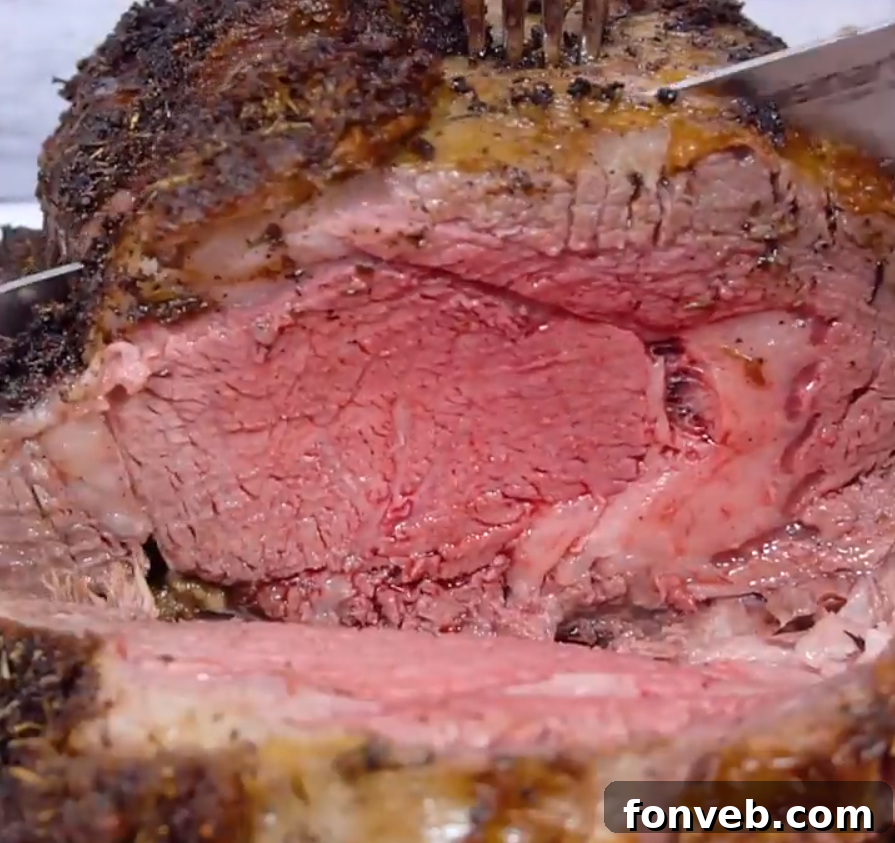
The Single Most Important Tool: A Quality Meat Thermometer
If there’s one piece of advice I can give you to guarantee a perfectly cooked prime rib every single time, it’s this: use a good quality meat thermometer. This is not an optional tool; it is essential. Eyeballing doneness, or relying solely on cooking time, is a recipe for disaster with a cut as precious as prime rib. A reliable meat thermometer allows you to accurately monitor the internal temperature of the roast, ensuring it reaches your desired level of doneness without overcooking. Insert the thermometer into the thickest part of the roast, avoiding any bones, and pull it out a few degrees before your target temperature, as the meat will continue to cook as it rests.
The Golden Rule of Roasting: Let It Rest!
After all your careful preparation and precise cooking, the final and perhaps most critical step is to let your prime rib roast rest. This isn’t just a suggestion; it’s a non-negotiable step for a truly juicy roast. When meat cooks, its muscle fibers contract, pushing the juices towards the center. If you carve it immediately, those precious juices will spill out onto your cutting board, leaving you with a drier, less flavorful roast. Resting allows the muscle fibers to relax and reabsorb the juices, distributing them evenly throughout the meat. For a prime rib, a rest of at least 20-30 minutes, or even up to 2 hours with the oven method described below, is essential. Cover it loosely with foil to keep it warm, and resist the urge to peek or carve too soon. Your patience will be richly rewarded!
Don’t Forget to Share and Follow!
If you love this recipe, please remember to share it with your friends and family! Sharing on Facebook helps spread the deliciousness, and don’t forget to PIN IT for later reference! You can also find more incredible recipes and culinary inspiration by following me on Pinterest.
FOLLOW ME ON PINTEREST BY CLICKING HERE
Garlic Crusted PRIME RIB!
Ingredients
- 7-10 pound prime rib roast (bone-in or bone-out)
- 10 cloves garlic, minced
- 1/4 cup olive oil
- 2 tablespoons fresh black pepper
- 1 tablespoon salt
- 2 teaspoons dried thyme
- 1 teaspoon onion powder
- 2 teaspoons melted butter
Instructions
- Ensure your prime rib roast is at room temperature before cooking. This usually takes about 2-3 hours out of the refrigerator, depending on its size. This step is crucial for even cooking.
- Preheat your oven to a high temperature of 500°F (260°C). This initial high heat is key to creating that beautiful, crispy crust.
- In a small bowl, combine the minced garlic, olive oil, fresh black pepper, salt, dried thyme, onion powder, and melted butter. Mix well until all ingredients are thoroughly blended into a fragrant paste.
- Place the room-temperature roast in a sturdy roasting pan, fatty side up. This orientation allows the fat to render and baste the meat as it cooks.
- Generously spread the prepared garlic-herb mixture evenly over all surfaces of the roast, pressing it lightly to ensure it adheres well.
Important Cooking Time Note Below!
The cooking time for your prime rib is unique and depends on the exact weight of your roast. To calculate the initial high-heat cooking time, follow this simple formula: Multiply the exact weight of your roast (in pounds) by FIVE. Round the resulting number to the nearest whole number. This final number represents the precise number of minutes your roast will cook at 500°F.
- Example Calculation: For a 6-pound roast, the calculation would be 6 pounds x 5 = 30. Therefore, the cooking time at 500°F is exactly 30 minutes.
- After the calculated high-heat cooking time has elapsed (e.g., 30 minutes for a 6-lb roast), turn the oven OFF IMMEDIATELY. DO NOT open the oven door. Leave the roast undisturbed in the cooling oven for a minimum of 2 hours. This method allows the residual heat to gently bring the roast to a perfect medium-rare, ensuring incredible tenderness and juiciness. If you prefer a more well-done roast, you can leave it in for an additional 30 minutes to an hour after the initial 2-hour rest, checking with a meat thermometer.
- After the resting period, carefully remove the prime rib from the oven. Insert a meat thermometer into the thickest part (avoiding bone) to confirm your desired internal temperature. For medium-rare, aim for 125-130°F (52-54°C). For medium, aim for 130-135°F (54-57°C). The temperature will rise slightly during the rest.
- Transfer the roast to a cutting board and let it rest uncovered for another 15-20 minutes before carving. This final rest allows the juices to redistribute, ensuring a succulent and flavorful slice every time.
- Carve against the grain into thick slices and serve immediately with your favorite side dishes. Enjoy your perfectly cooked Garlic Crusted Prime Rib Roast!
Did you make this recipe?
Make sure to follow on Pinterest for more recipes and share your delicious creations!
Share on Facebook