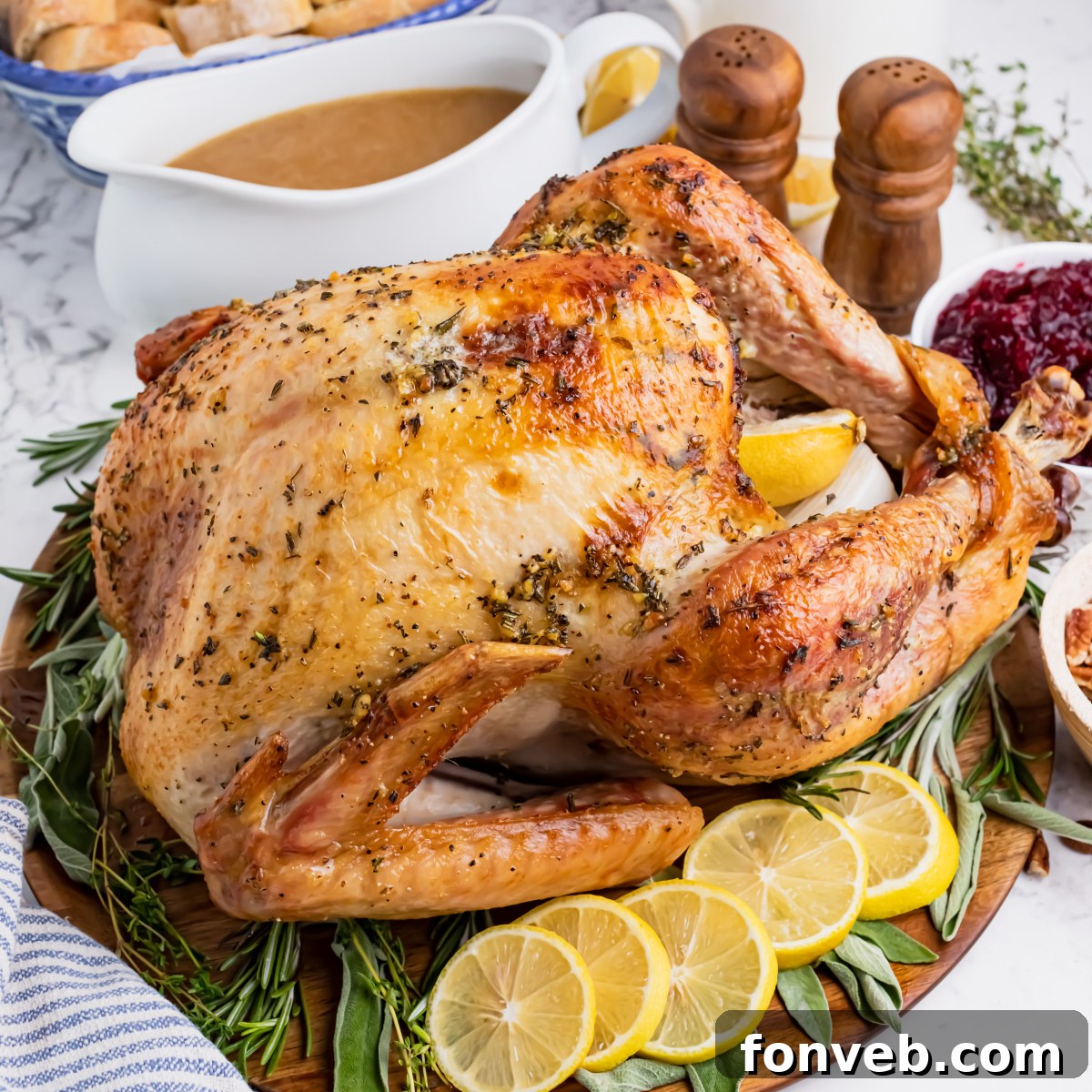
Welcome to the ultimate guide for crafting the most succulent and flavorful roast turkey your family and friends have ever tasted. Forget dry, bland poultry; this recipe focuses on infusing every bite with rich aromatic herbs and luscious garlic butter, ensuring even the white meat remains unbelievably juicy. Whether you’re planning a grand Thanksgiving feast, a cozy Christmas dinner, or simply want to elevate a weeknight meal, this herb butter roasted turkey will undoubtedly become your signature dish. We’ll walk you through every step, from selecting the perfect bird to carving it like a pro, guaranteeing a show-stopping centerpiece that’s as effortless as it is delicious.
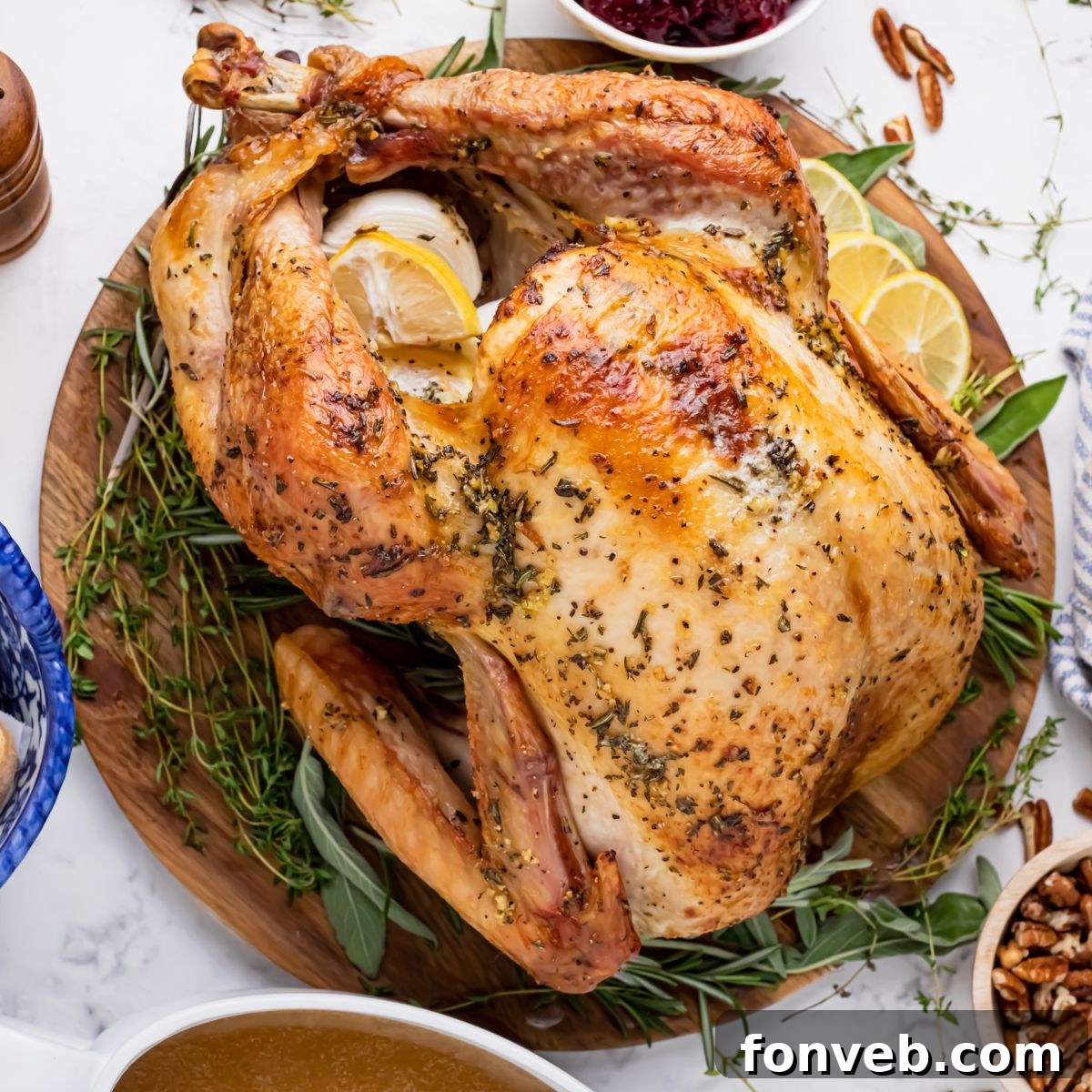
Why This Herb Butter Turkey Will Be Your New Favorite Recipe
There are countless reasons why this particular roast turkey recipe stands out, making it a beloved staple for any occasion. It’s not just a meal; it’s an experience.
- Unmatched Flavor Profile: Our classic roast turkey is generously loaded with fresh rosemary, thyme, and sage, complemented by fragrant onions and garlic. The secret weapon? A rich garlic herb butter, slathered both under and over the skin, penetrating the meat with unparalleled flavor.
- Guaranteed Juiciness: Say goodbye to dry turkey! This method, combined with the herb butter and proper resting, ensures incredibly moist meat, even in traditionally drier areas like the breast. Every slice bursts with savory goodness.
- Simple & Accessible Ingredients: You won’t need to hunt for exotic items. All the ingredients are readily available at your local grocery store, making preparation stress-free.
- Versatile for Any Occasion: While it’s the perfect showstopper for Thanksgiving and Christmas, this recipe is straightforward enough to prepare for a family dinner or a smaller gathering any day of the week.
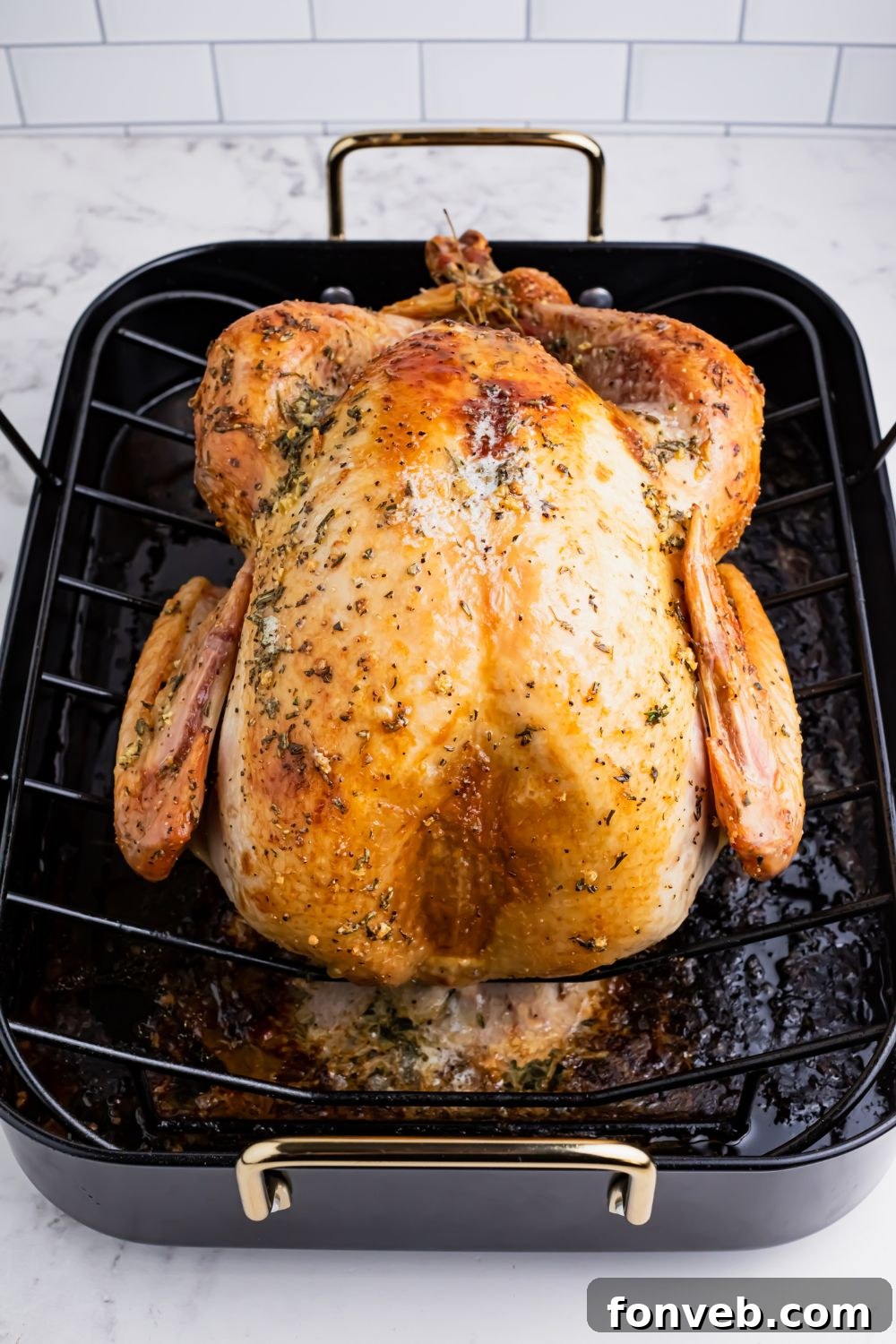
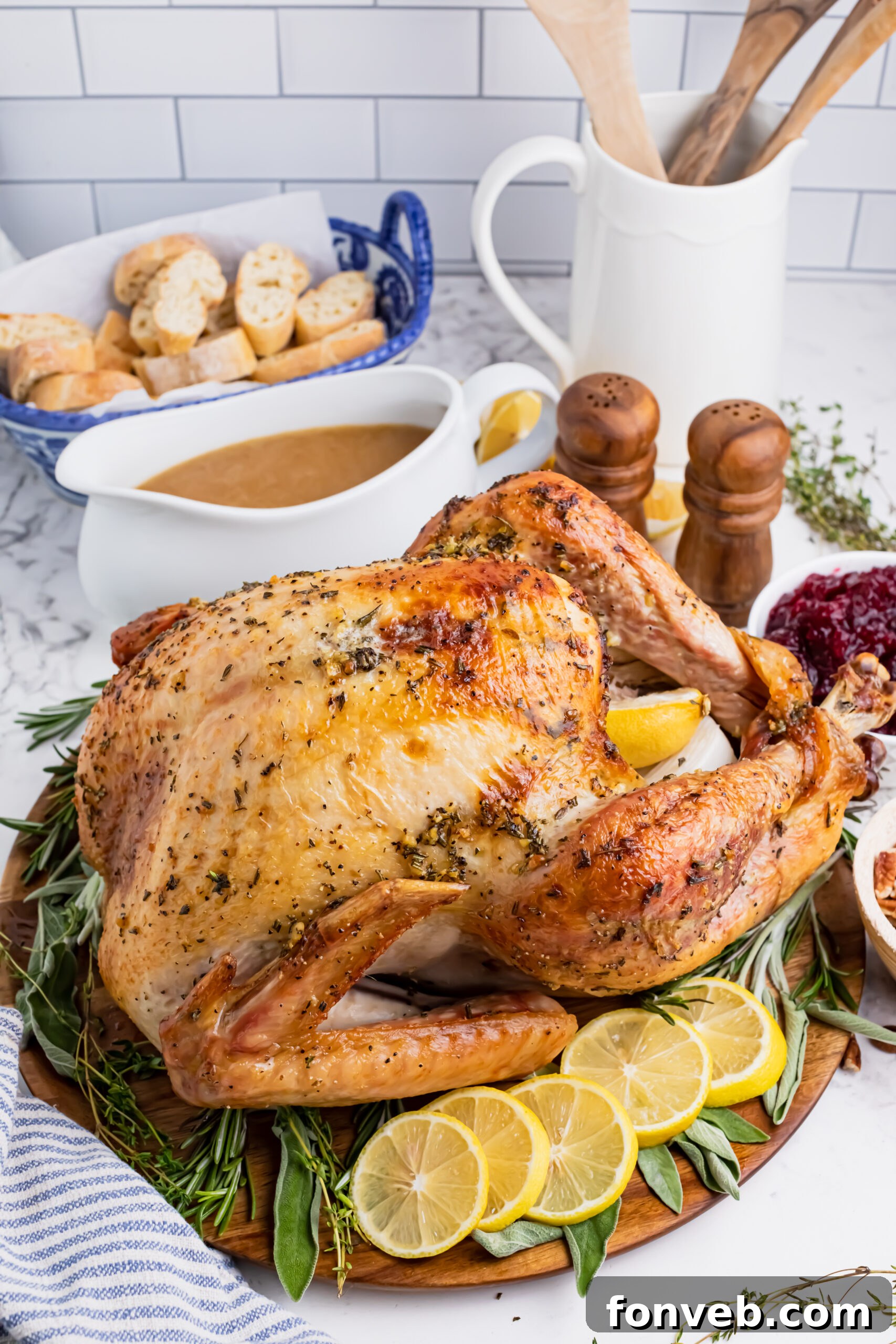
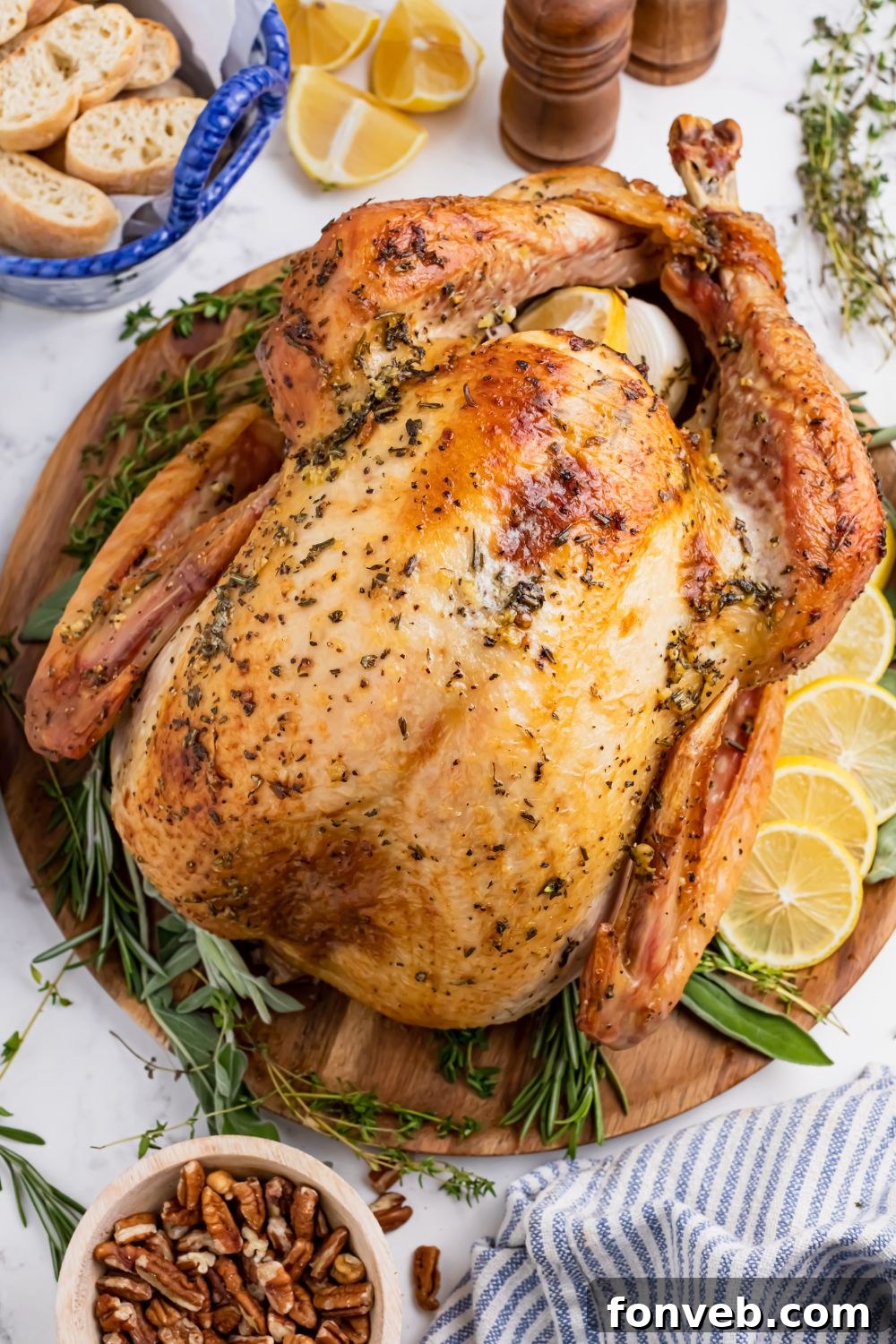
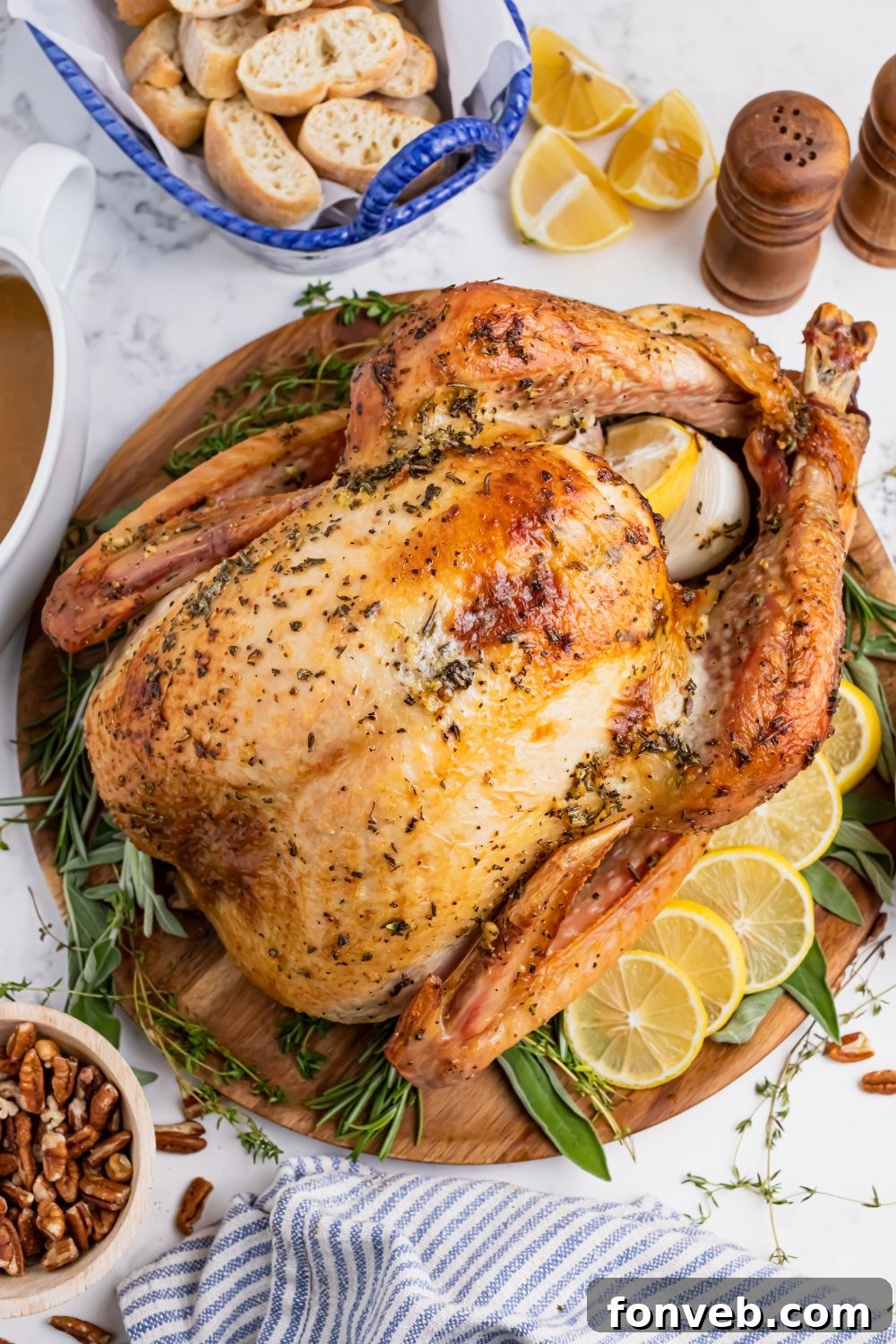
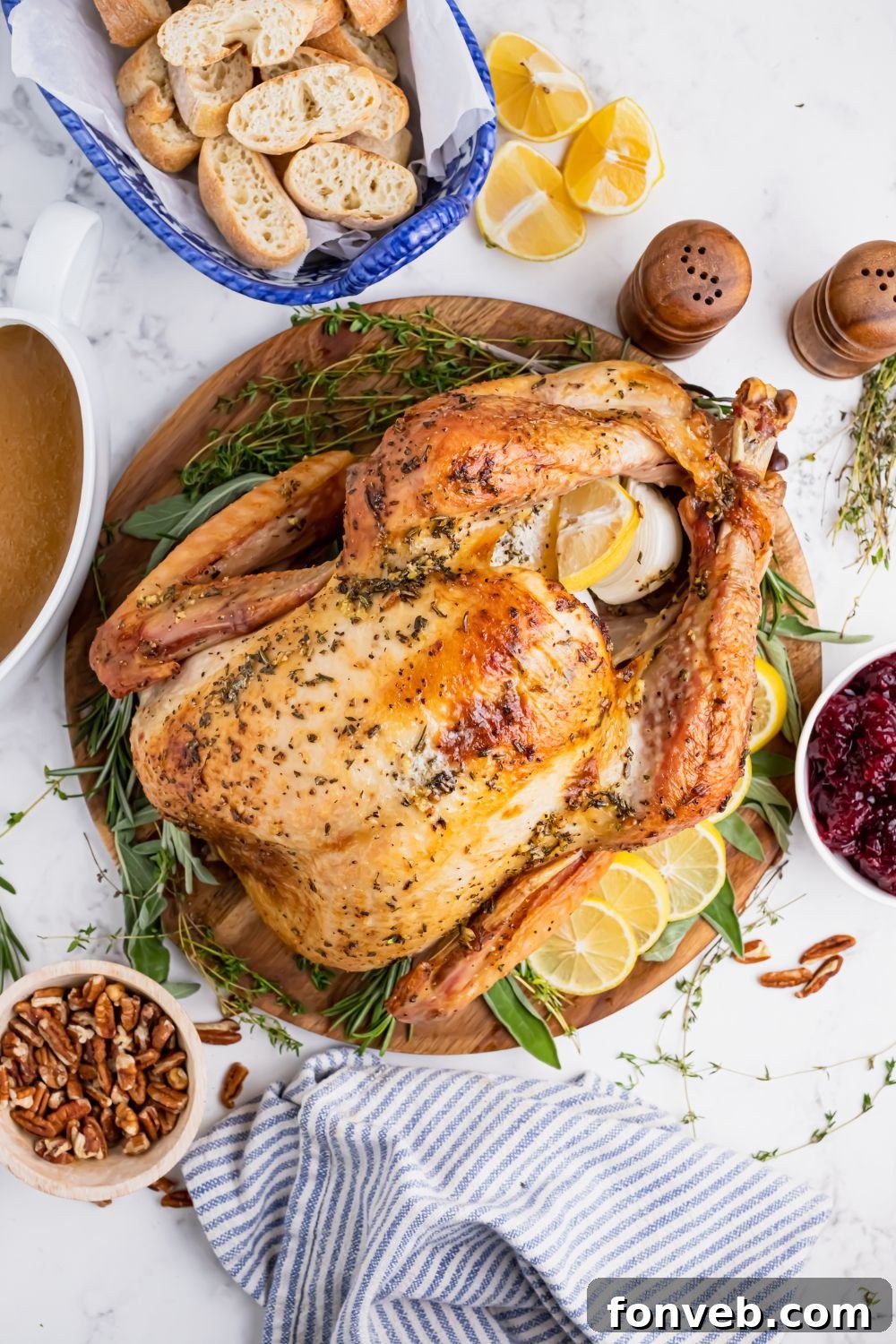
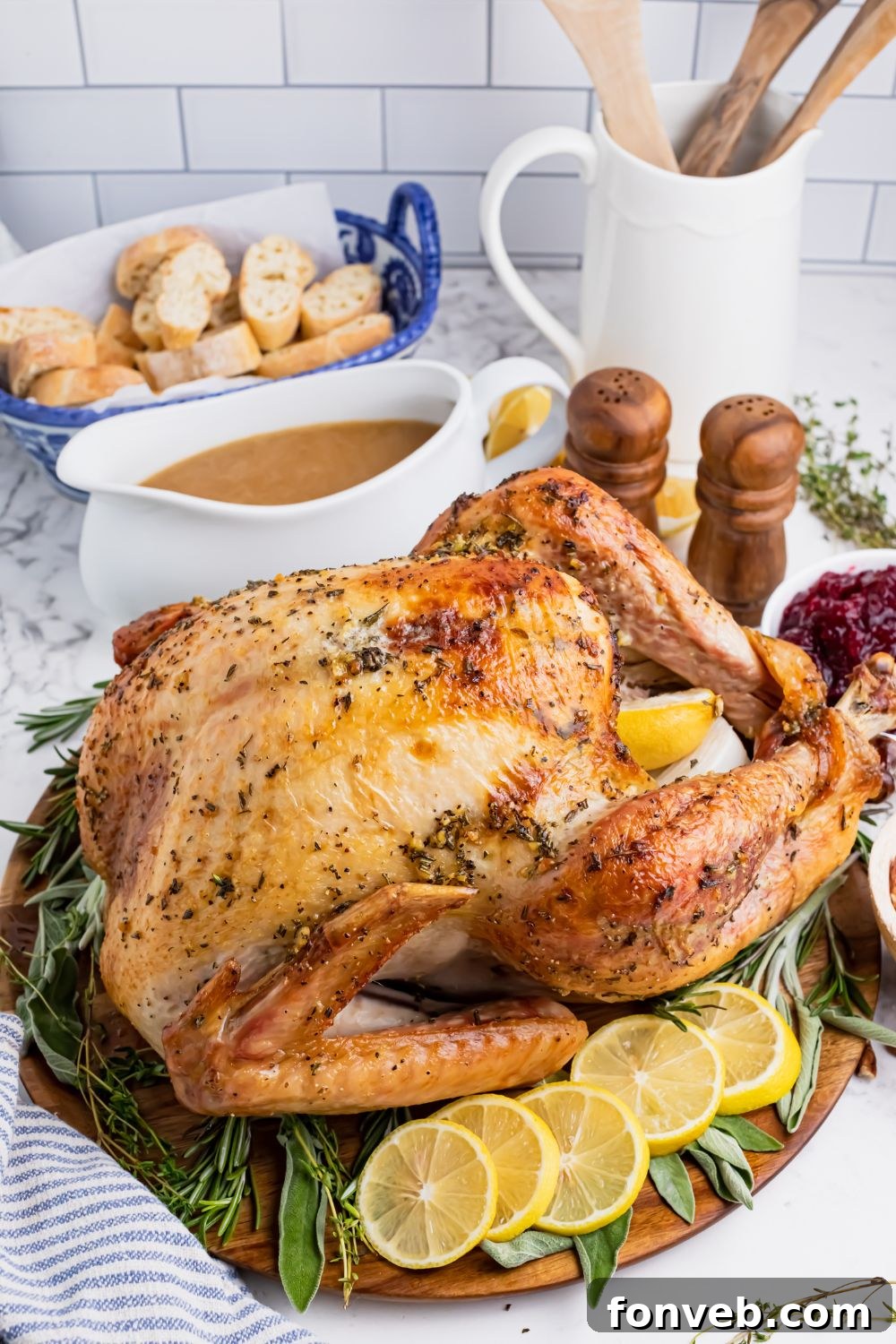
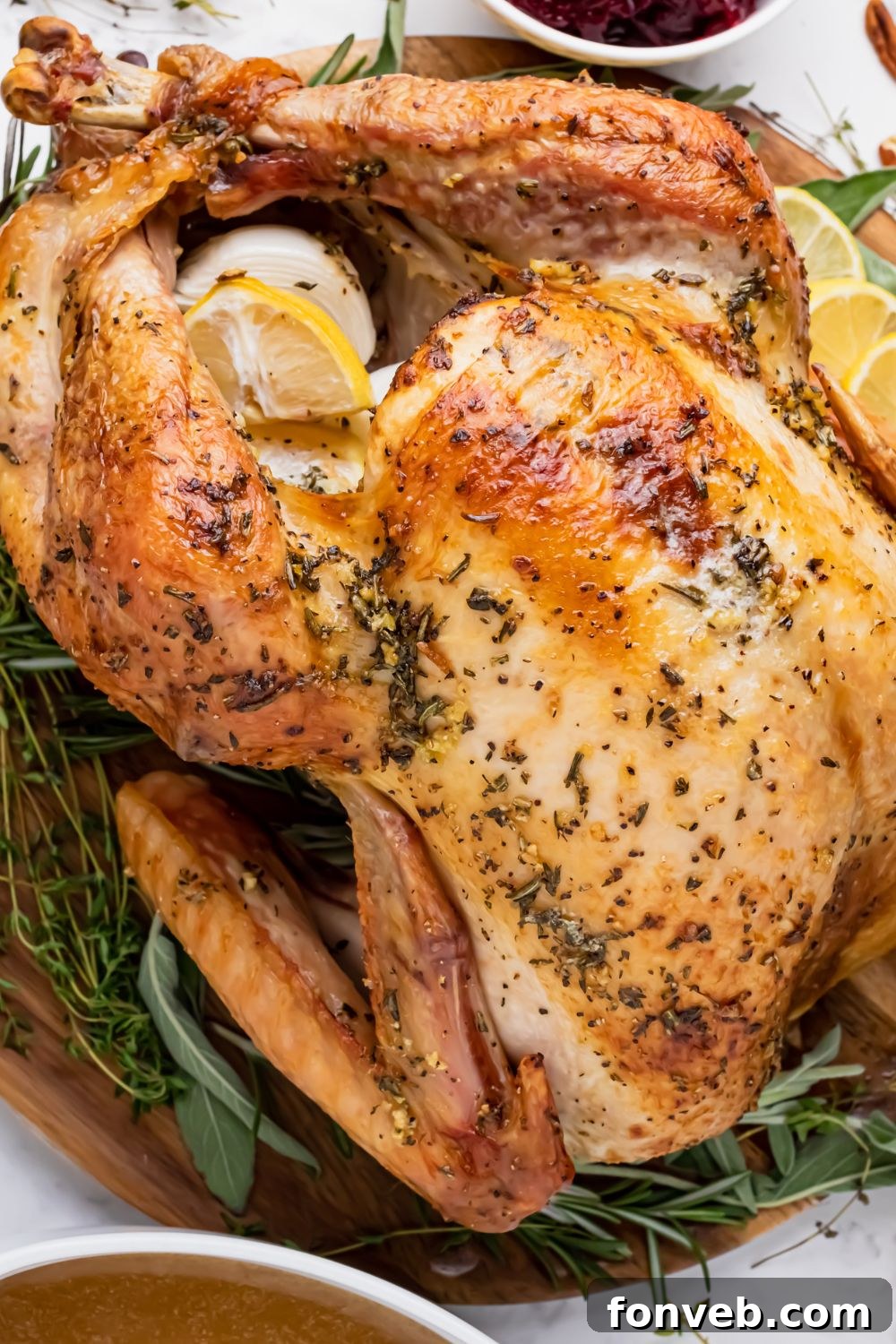
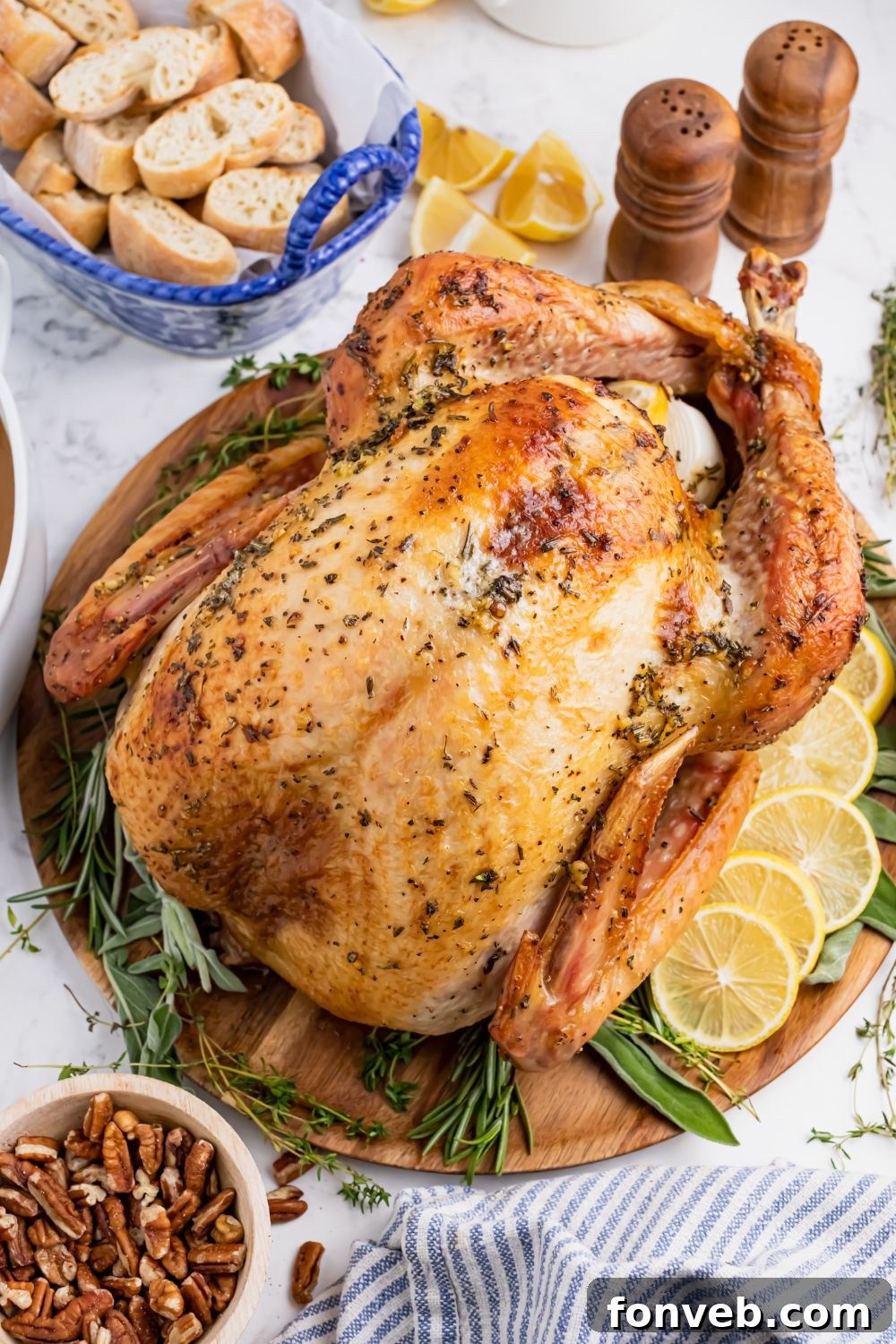
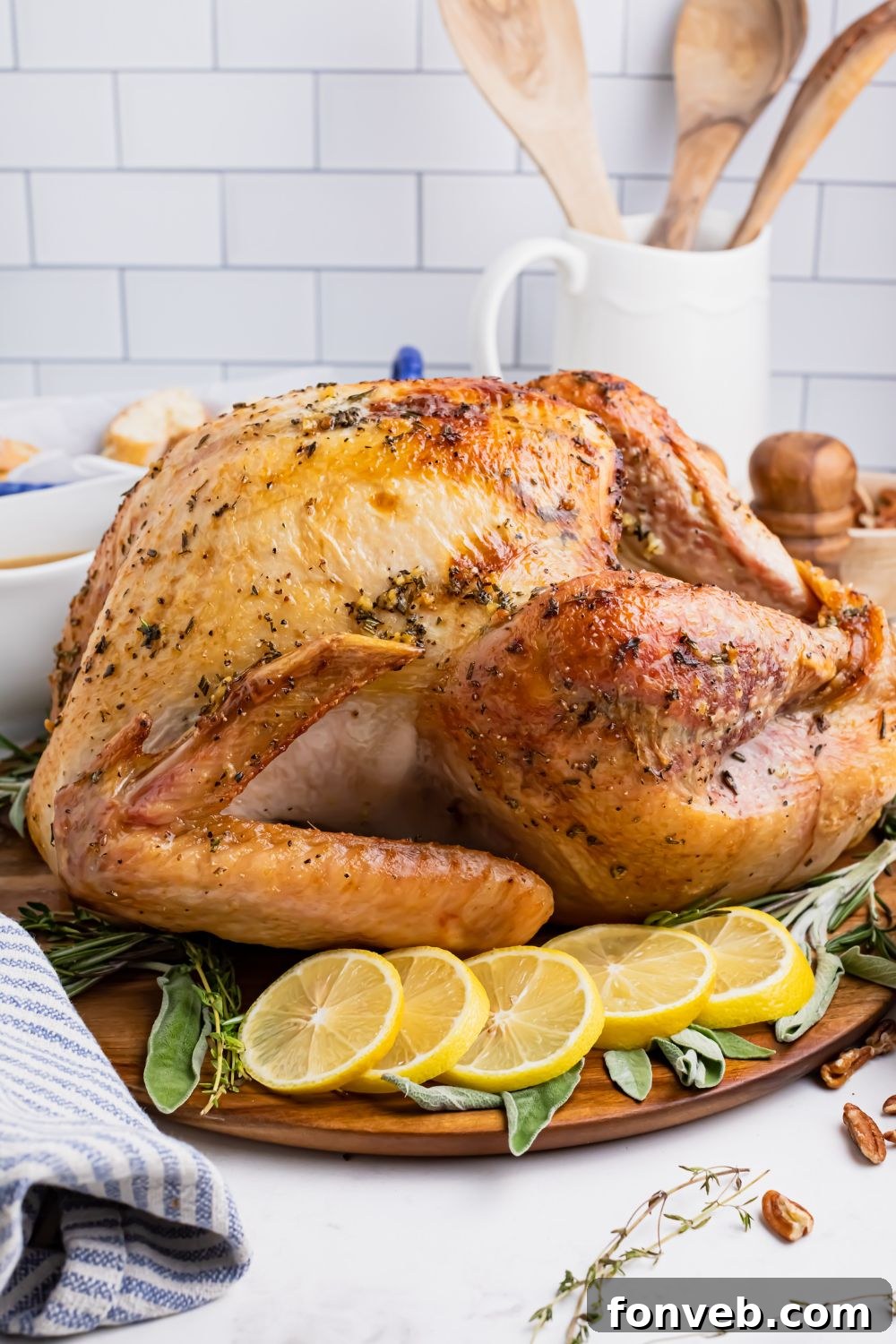
- Impressive Presentation: Achieve a beautifully golden-brown, perfectly roasted turkey that looks as magnificent as it tastes. Garnish with vibrant cranberries and lemon slices for a truly professional touch.
- Beginner-Friendly with Pro Results: Our detailed step-by-step instructions make this recipe approachable for novice cooks, yet deliver results that will impress even seasoned chefs.
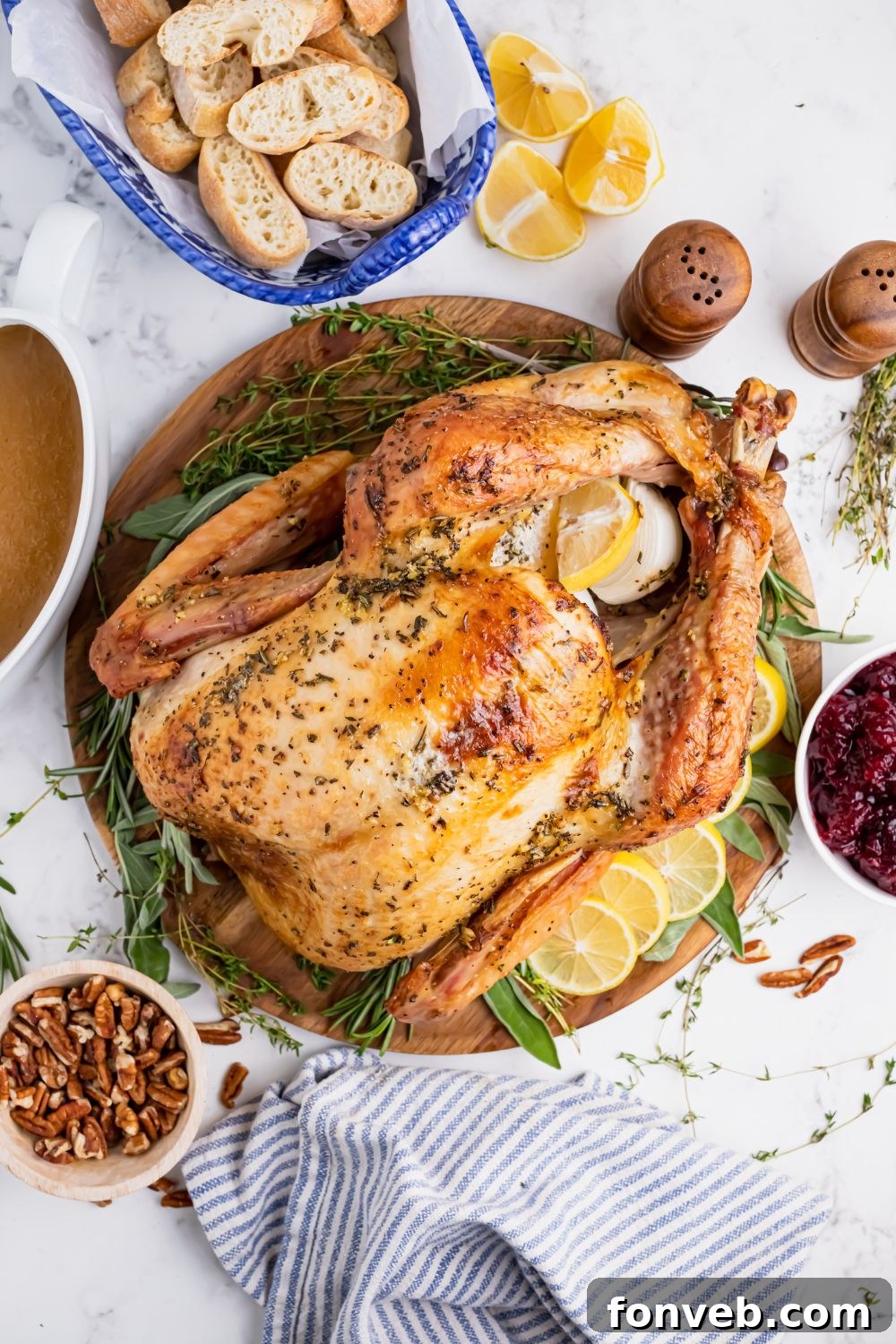
Perfect Pairings: What to Serve with Your Roasted Turkey
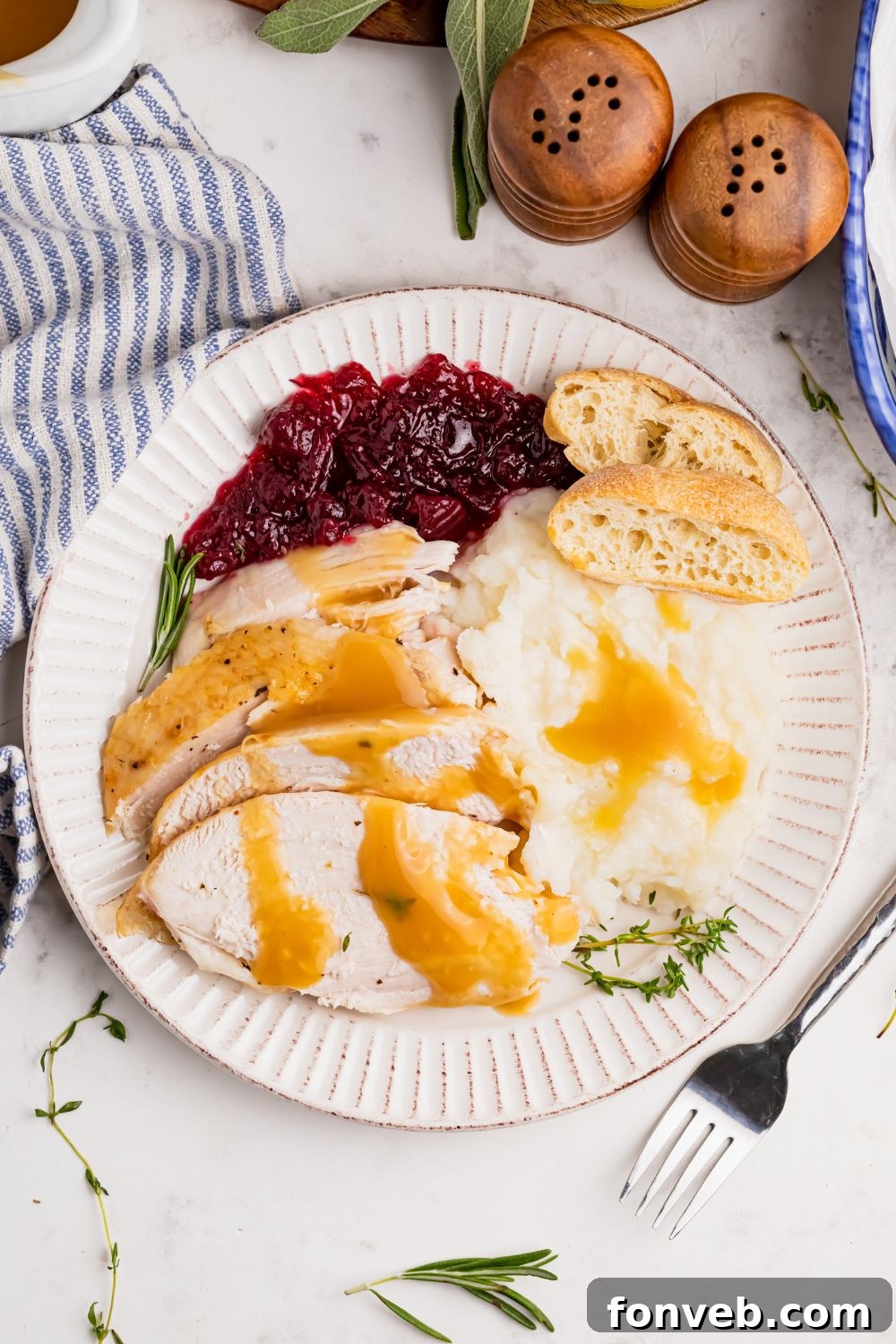
A magnificent roast turkey deserves equally fantastic side dishes to complete the meal. Here are some of our top recommendations that perfectly complement the rich flavors of this herb butter turkey:
- Creamy & Comforting: Elevate your potato game with loaded mashed potatoes or a decadent potato gratin. The creamy texture and savory additions are a perfect match.
- Fresh & Vibrant Greens: Balance the richness with something fresh. Try buttery green beans with bacon, roasted asparagus, or a colorful winter salad with a light vinaigrette.
- Hearty & Indulgent: For a truly comforting spread, a classic baked macaroni and cheese or a rich sweet potato casserole with a pecan topping will be devoured by all.
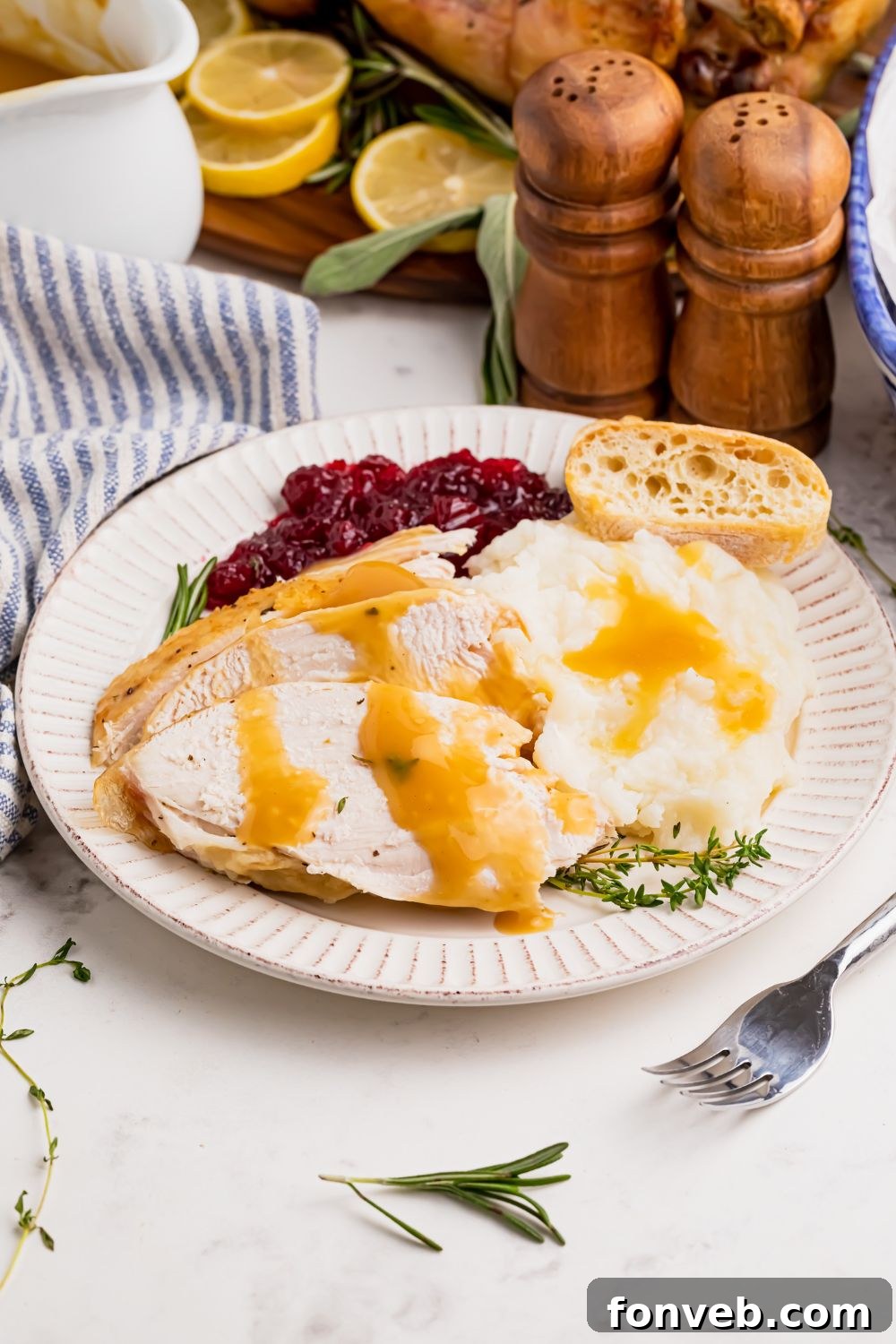
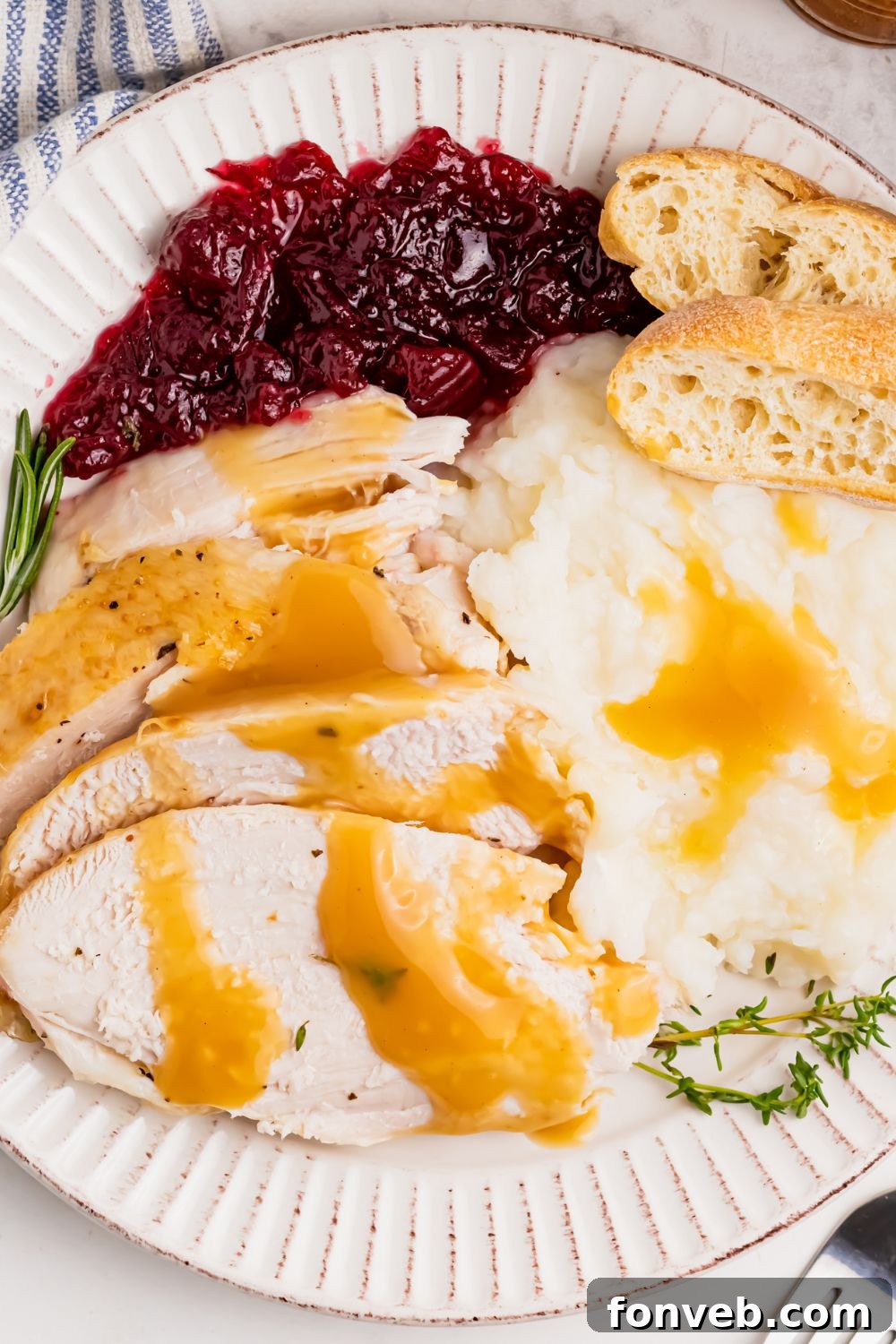
- Essential Cranberry Sauce: No turkey dinner is complete without the tangy sweetness of cranberry sauce. Whether homemade or store-bought, it’s a must-have accompaniment.
- Fluffy Bread Rolls: Soft dinner rolls or a crusty artisan bread are perfect for soaking up any delicious juices or serving alongside your turkey slices.
- Savory Gravy: Don’t forget to make a rich gravy from the turkey drippings! It’s the ultimate finishing touch and a hallmark of a truly memorable turkey dinner.
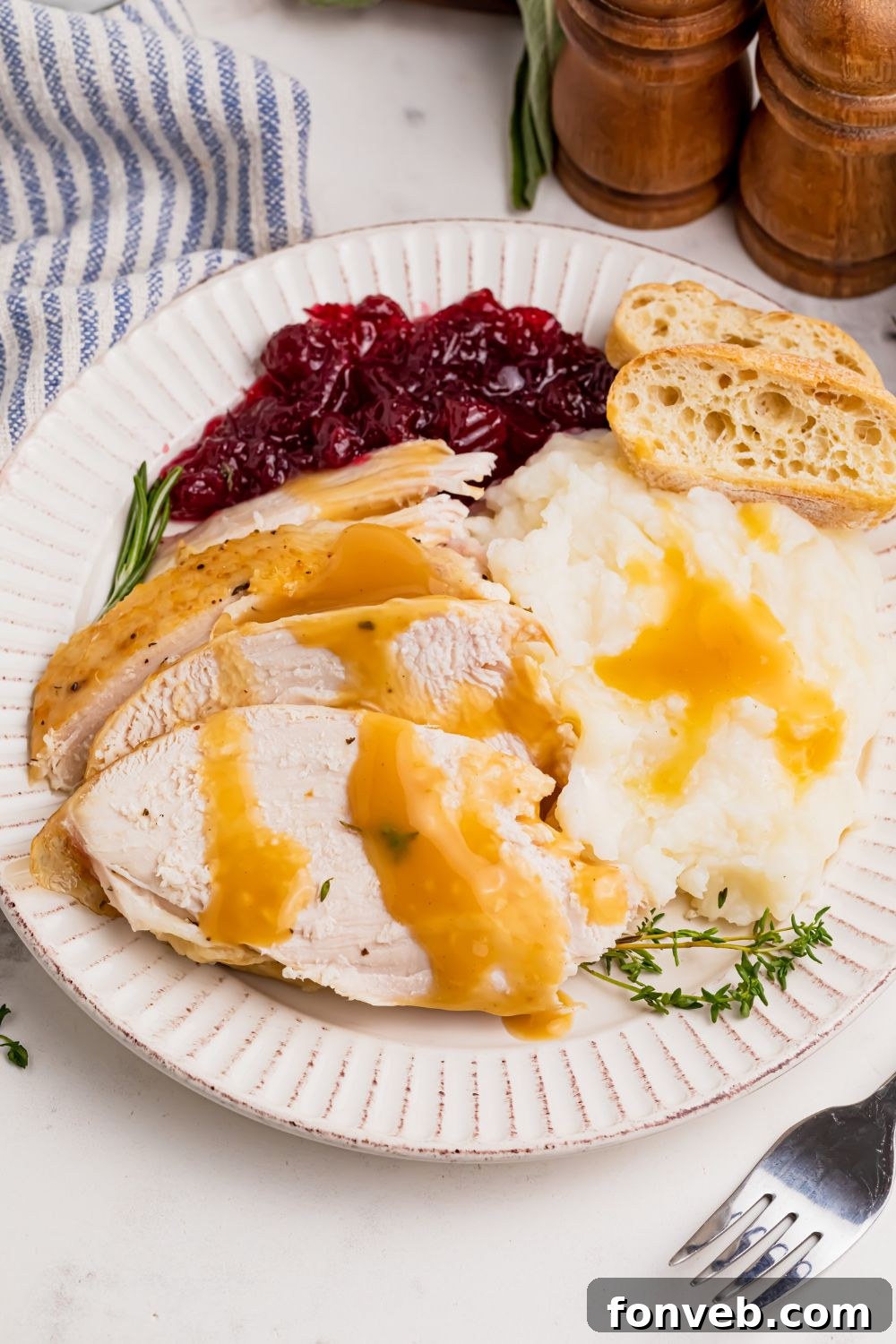
Essential Ingredients for a Masterpiece Roasted Turkey
Crafting a truly exceptional roast turkey begins with selecting the right ingredients. Here’s a detailed look at what you’ll need to create this culinary masterpiece:
Whole Turkey: The star of your feast! Aim for a fresh or fully thawed frozen turkey, ideally in the 10-12 pound range for this recipe, which typically serves 8-10 people. If opting for a larger bird, remember to adjust cooking times and increase the quantity of herb butter and cavity aromatics accordingly. A good quality turkey makes all the difference in flavor and texture.
Aromatic Herbs: Fresh herbs are non-negotiable for this recipe, providing a fragrant depth of flavor. We use a classic combination of rosemary, thyme, and sage. These herbs complement poultry beautifully, imparting earthy and slightly piney notes that are synonymous with holiday cooking. Feel free to use a mix of these or adjust based on your preference.
Flavorful Vegetables: Beyond just seasoning, humble vegetables like onions and garlic play a crucial role. Quartered onions and whole garlic cloves are placed inside the turkey cavity, releasing their aromatic essences as the turkey roasts, moistening the meat from the inside out and contributing to the pan drippings for a richer gravy.
Bright Citrus: A fresh lemon, quartered, adds a bright, acidic counterpoint to the rich turkey. Placed in the cavity, it helps to tenderize the meat and infuse it with a zesty aroma. Lemon slices can also be used for a beautiful garnish once the turkey is served.
Key Seasonings: Simple yet essential. High-quality kosher salt and freshly ground black pepper are crucial for seasoning the herb butter and enhancing the turkey’s natural flavors. Don’t underestimate their power in bringing all the elements together.
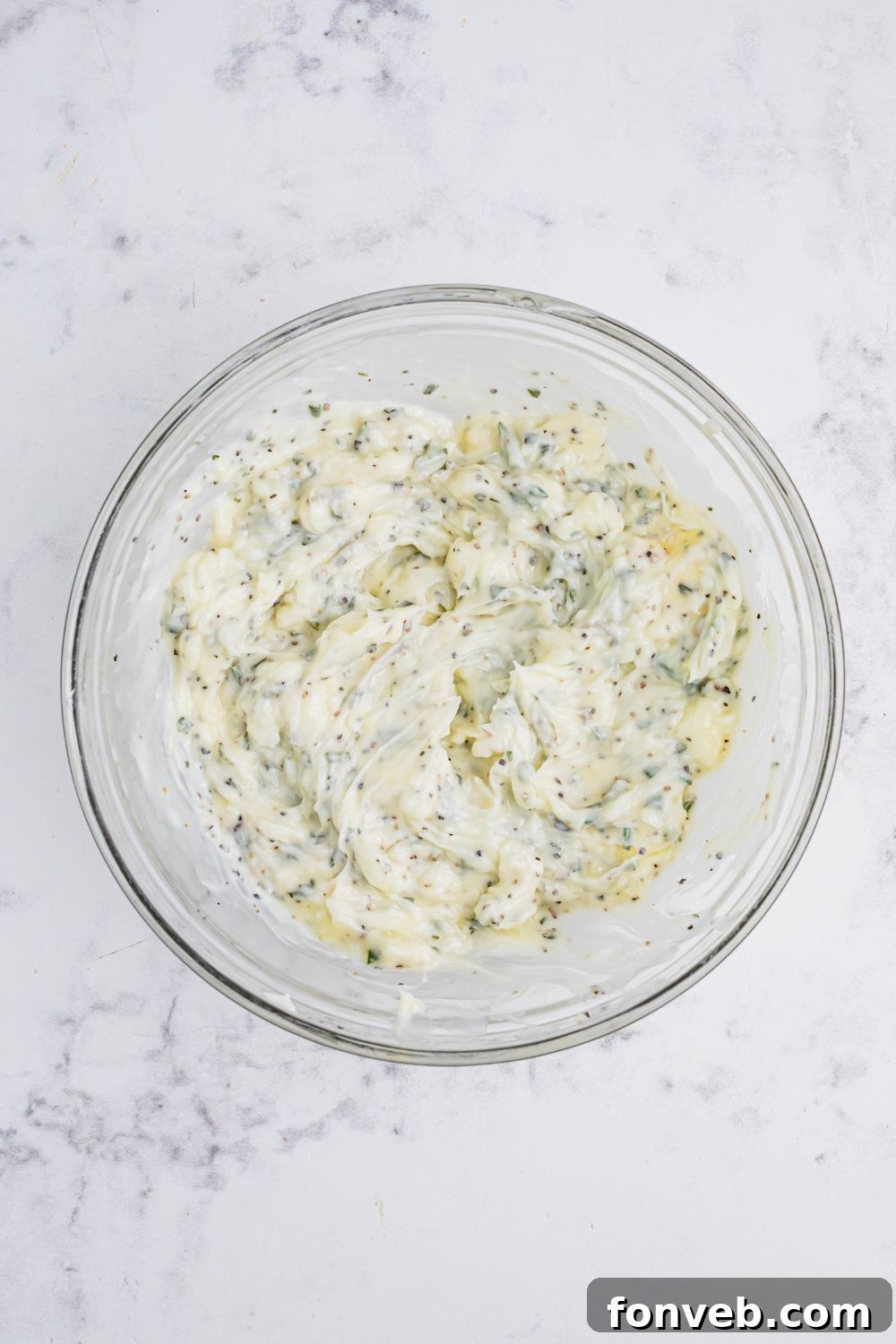
Rich Herb Butter: This is the secret to a moist and flavorful turkey! You’ll need unsalted butter, softened to room temperature. Unsalted butter allows you to control the seasoning precisely. This butter is then mixed with finely chopped fresh herbs, minced garlic, lemon zest, salt, and pepper to create an aromatic compound butter that will coat and flavor the entire bird.
Vibrant Garnishes: For a stunning presentation, consider adding a sprinkle of fresh cranberries and extra sprigs of fresh herbs (like rosemary or thyme) around the platter. These not only add a pop of color but also reinforce the holiday feel.
Planning Your Feast: How Much Turkey Per Person?
When planning your holiday meal, a common question is how much turkey to buy. A good rule of thumb is to calculate approximately 1.5 pounds of whole turkey per person. This generous estimate accounts for the weight of bones and other inedible parts, ensuring you have enough meat for everyone, plus some delicious leftovers. For example, if you’re hosting 10 guests, a 15-pound turkey would be ideal. If you anticipate guests with heartier appetites or simply love having plenty of leftovers for sandwiches and soups, you might lean towards 2 pounds per person. Always factor in your guest count and your desire for post-feast meals!
The Art of Thawing: Safely Preparing Your Turkey
Properly thawing your turkey is the critical first step to a safe and evenly cooked bird. Rushing this process can lead to uneven cooking or, worse, food safety issues. Here’s how to do it correctly:
Refrigerator Thawing (Recommended Method)
This is the safest and most recommended method, though it requires foresight. Plan for approximately 24 hours of thawing time for every 4-5 pounds of turkey. For instance, a 10-12 pound turkey will need 2-3 days in the refrigerator. Always add an extra day to be safe, especially for larger birds.
- Preparation: Place your frozen turkey, still in its original packaging, on a rimmed baking sheet or in a large roasting pan. This catches any condensation or drips, preventing cross-contamination in your fridge.
- Placement: Store the turkey on the lowest shelf of your refrigerator to avoid juices dripping onto other foods.
- Timing: Once thawed, a turkey can remain in the refrigerator for an additional 1-2 days before cooking.
Cold Water Thawing (Faster Method)
If you’re short on time, this method is quicker but requires more attention.
- Preparation: Keep the turkey in its original, unopened packaging. Place it in a large sink or a cooler filled with cold tap water.
- Water Change: Change the cold water every 30 minutes to ensure it stays below 40°F (4°C) and to facilitate continuous thawing.
- Timing: Allow about 30 minutes per pound for this method. A 10-12 pound turkey would take approximately 5-6 hours.
- Immediate Cooking: A turkey thawed using the cold water method must be cooked immediately after thawing is complete.
Never thaw a turkey at room temperature on the counter, as this can allow harmful bacteria to multiply rapidly.
Achieving Perfection: Using a Meat Thermometer
A meat thermometer is your absolute best friend when roasting a turkey. It’s the only reliable way to ensure your turkey is both safe to eat and perfectly juicy, eliminating any guesswork.
- Internal Temperature Target: The USDA recommends cooking turkey to an internal temperature of 165°F (74°C).
- Where to Measure: Insert the thermometer into the thickest part of the turkey thigh, avoiding the bone. The thigh is typically the last part of the turkey to reach the safe temperature. You can also check the thickest part of the breast and the innermost part of the wing.
- Carryover Cooking: Once your turkey reaches approximately 160°F-162°F (71°C-72°C), you can remove it from the oven. The internal temperature will continue to rise by several degrees (carryover cooking) as it rests, bringing it to the safe 165°F (74°C). This helps prevent overcooking and ensures maximum juiciness.
- Avoid the Bone: Bones heat up faster than meat, so inserting the thermometer into a bone will give you an inaccurate, higher reading. Always ensure the probe is solely in the meat.
The Golden Rule: Why Resting Your Turkey is Non-Negotiable
Perhaps the most overlooked, yet crucial, step in roasting a magnificent turkey is allowing it to rest after it comes out of the oven. This simple act is the key to preventing dry turkey and ensuring every slice is incredibly juicy and flavorful.
The Science Behind the Rest: As the turkey roasts, the muscle fibers contract, pushing the juices to the center of the bird. If you carve the turkey immediately, these juices will simply run out onto your cutting board, leaving you with dry meat. Resting allows these contracted muscle fibers to relax and reabsorb the juices, distributing them evenly throughout the meat.
How Long to Rest: For a whole turkey, a minimum rest of 15-20 minutes is essential, but larger birds can benefit from up to 30-40 minutes. Simply remove the turkey from the oven, transfer it to a carving board, and loosely tent it with aluminum foil. This keeps the turkey warm while it rests without trapping too much steam, which could make the skin soggy.
Resist the urge to carve immediately – patience here will be richly rewarded with a truly succulent bird!
Step-by-Step Guide to Roasting a Flawless Turkey
Mastering the roast turkey involves several key preparatory steps that ensure a flavorful, moist, and beautifully cooked bird.
Choosing the Right Roasting Pan
A good quality roasting pan is essential. It should be large enough to comfortably hold your turkey without touching the sides, allowing for even heat circulation. Ideally, your pan will have a V-rack insert. This rack elevates the turkey, allowing hot air to circulate all around the bird, promoting even cooking and crispy skin. More importantly, it collects all the delicious drippings at the bottom of the pan, which are gold for making rich, savory gravy.
Essential Pre-Roasting Prep: Giblets & Neck
Before you begin seasoning, always remember to check the turkey’s cavity. Most commercially processed turkeys come with a bag containing the neck and giblets (heart, liver, gizzards) tucked inside the main cavity or sometimes in the neck cavity. These must be removed before roasting! While you won’t eat them straight from the bird, they are excellent for making flavorful gravy or turkey stock, so don’t discard them unless you prefer not to use them.
The Secret to Moisture: Herb Butter Application
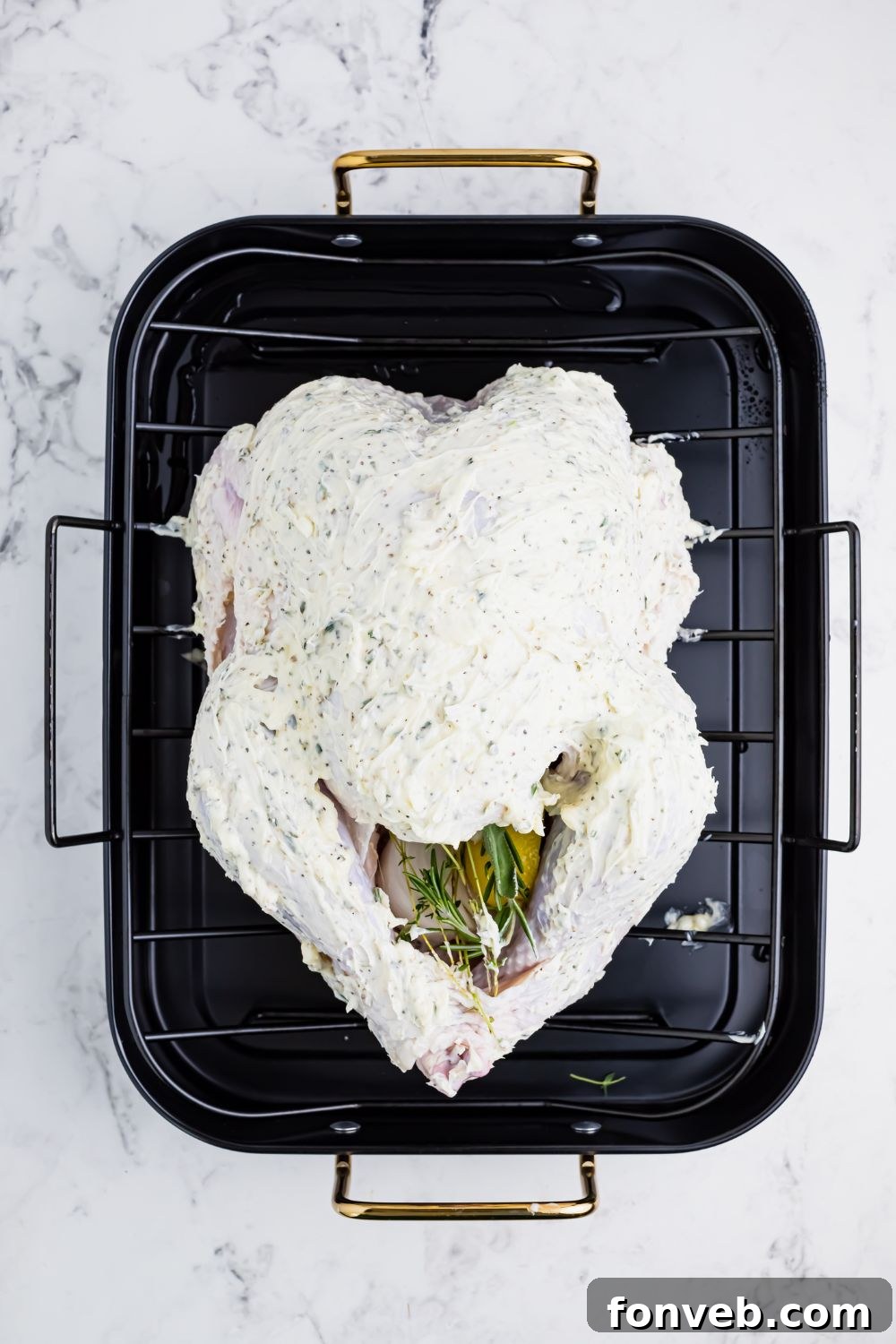
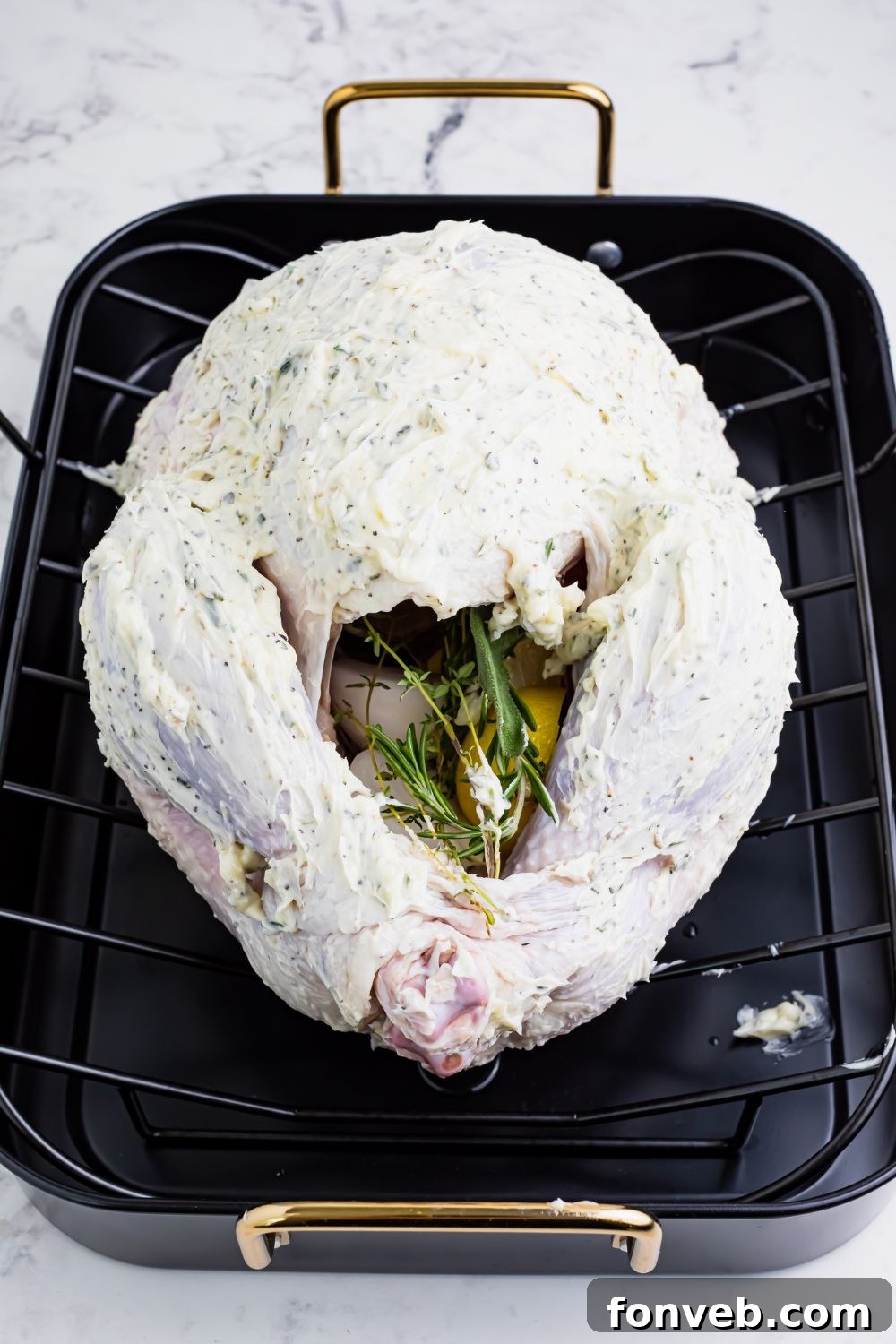
The garlic herb butter is the heart of this recipe’s flavor and moisture. After mixing your softened butter with fresh herbs, minced garlic, lemon zest, salt, and pepper, it’s time to apply it. Gently separate the skin from the breast meat using your fingers, being careful not to tear it. Push about half of the herb butter mixture under the skin, spreading it evenly over the breast and thigh meat. Then, liberally rub the remaining butter over the entire exterior of the turkey, including the legs and wings. This ensures the butter melts into the meat, basting it from the inside and out, leading to exceptionally juicy results and a beautifully golden-brown, crispy skin.
Trussing for Even Cooking
Trussing is the technique of tying the turkey’s legs and wings close to its body with baker’s twine or cooking string. While not strictly necessary, it significantly helps the turkey cook more evenly. When the legs and wings are tucked in, they cook at a similar rate to the breast, preventing the outer parts from drying out before the thickest parts are done. Trussing also helps the turkey maintain a compact shape, which looks more appealing on your serving platter.
To Rinse or Not to Rinse? Understanding Turkey Hygiene
Contrary to popular belief, it is generally NOT recommended to rinse your raw turkey. Rinsing raw poultry under a faucet can splash bacteria (like Salmonella) around your sink, countertops, and other kitchen surfaces, potentially causing cross-contamination. The heat of cooking will kill any surface bacteria, making rinsing unnecessary for food safety. The only exception is if your turkey has been brined, in which case a quick rinse to remove excess salt is acceptable, but ensure you clean and sanitize your sink and surrounding areas thoroughly afterward.
Understanding Roasting Times and Temperatures
As a general guideline, turkey typically roasts for about 13-15 minutes per pound at 325-350°F (160-175°C). However, this is just a starting point. Oven temperatures can vary, and factors like turkey size, whether it’s stuffed, and your roasting pan can all affect cooking time. The most accurate way to determine doneness is always by using a reliable meat thermometer, aiming for 165°F (74°C) in the thickest part of the thigh.
Mastering the Carve: Presenting Your Turkey with Flair
After all your hard work, carving the turkey beautifully is the final step to a truly impressive presentation. Here’s a simple guide to carving like a pro:
- Stabilize the Turkey: Place the rested turkey on a large cutting board, preferably one with a channel to catch juices. Use a sharp carving knife and a sturdy carving fork.
- Remove the Legs: Locate the joint where the thigh connects to the body. Gently pull the leg away from the body and slice through the skin between the leg and breast. Continue cutting around the joint until the leg separates. You might need to twist slightly to pop the joint. Repeat with the other leg. You can then separate the drumstick from the thigh by cutting through the joint.
- Detach the Wings: Similar to the legs, locate the joint where the wing attaches to the breast. Slice through the joint to remove each wing.
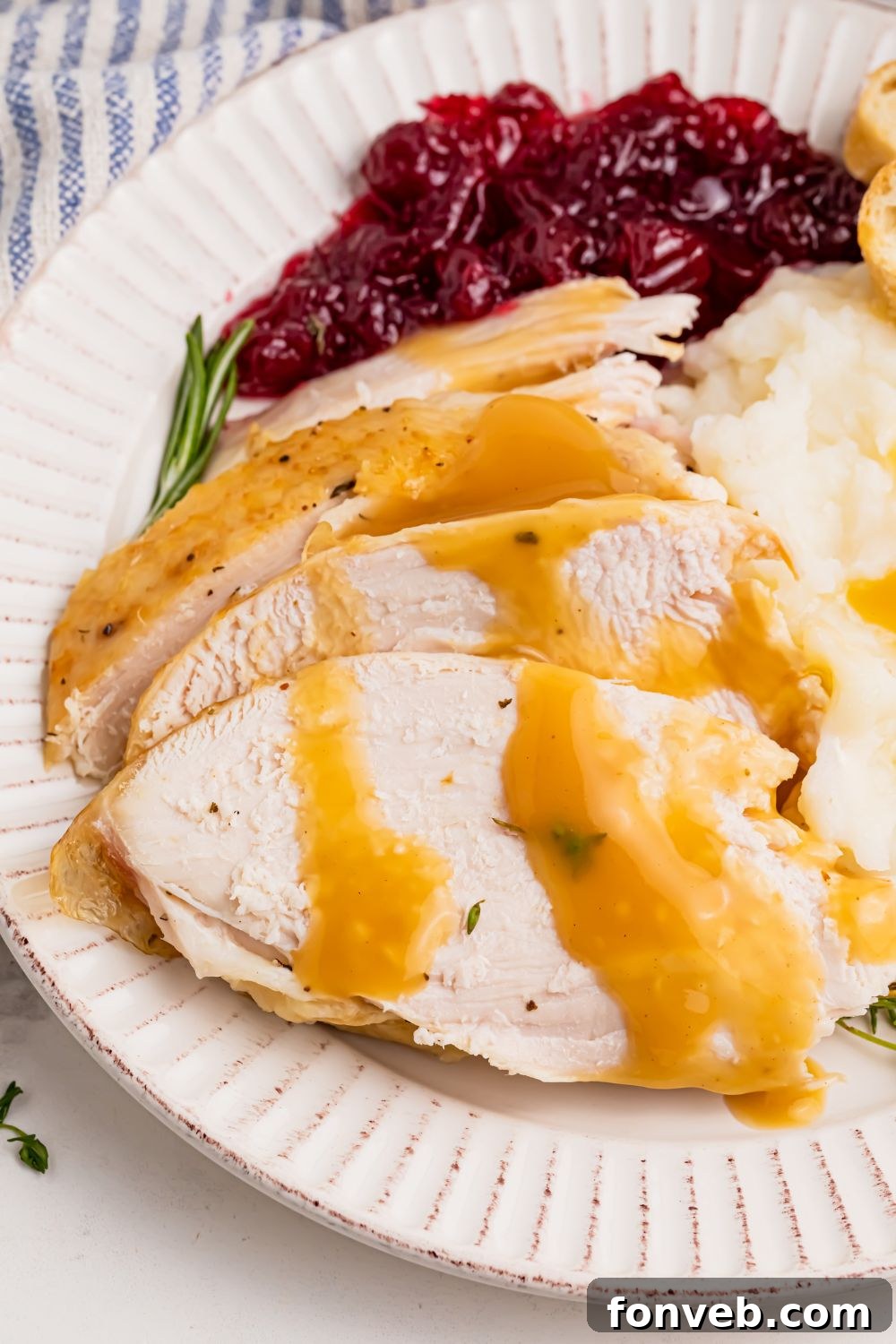
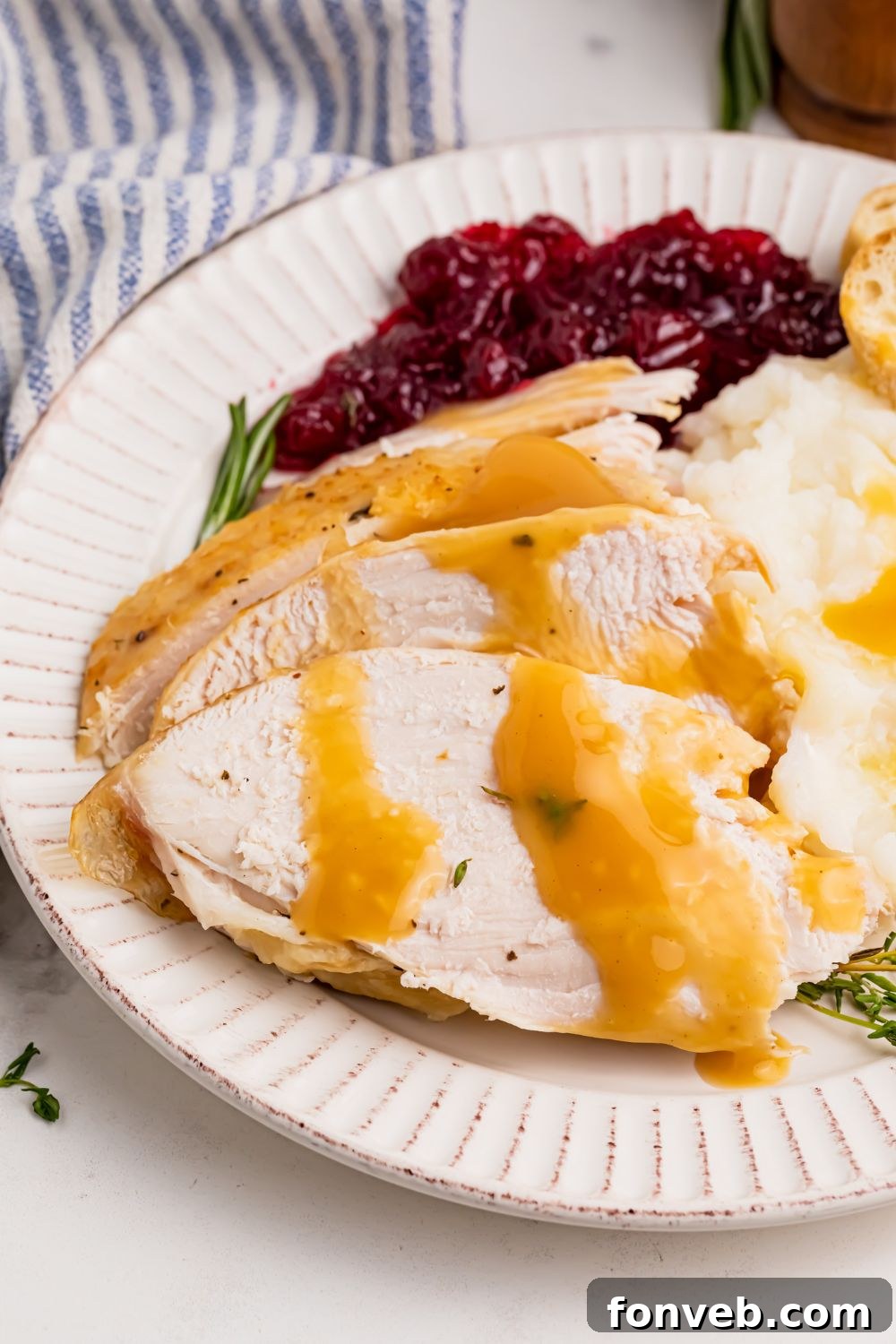
- Slice the Breast Meat: Make a horizontal cut deep into the breast, just above the wing joint, going parallel to the cutting board. This creates a base. Then, beginning from the top of the breast, make vertical slices downwards, following the curve of the breast bone, until you meet your horizontal cut. This creates uniform, beautiful slices. Repeat on the other side.
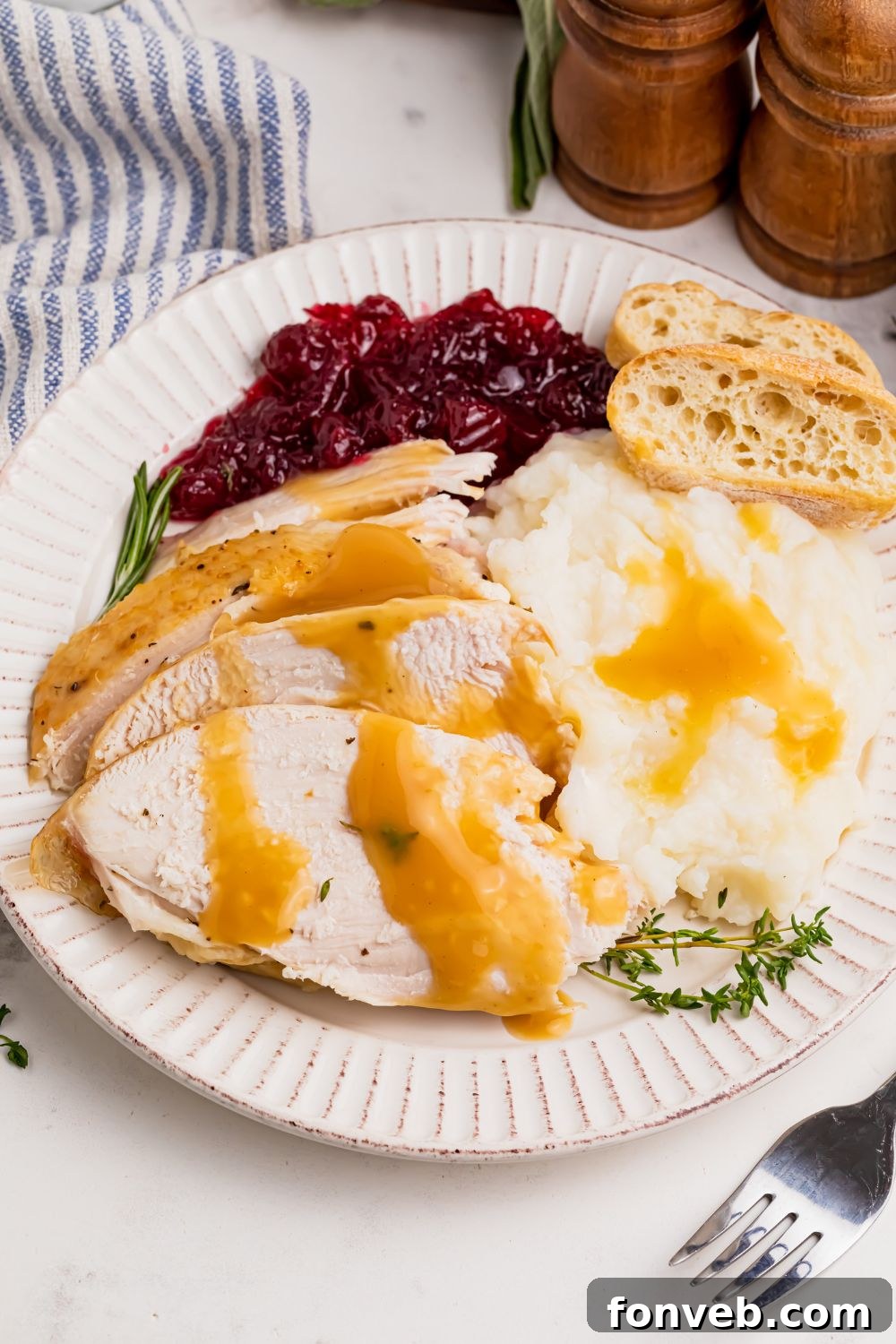
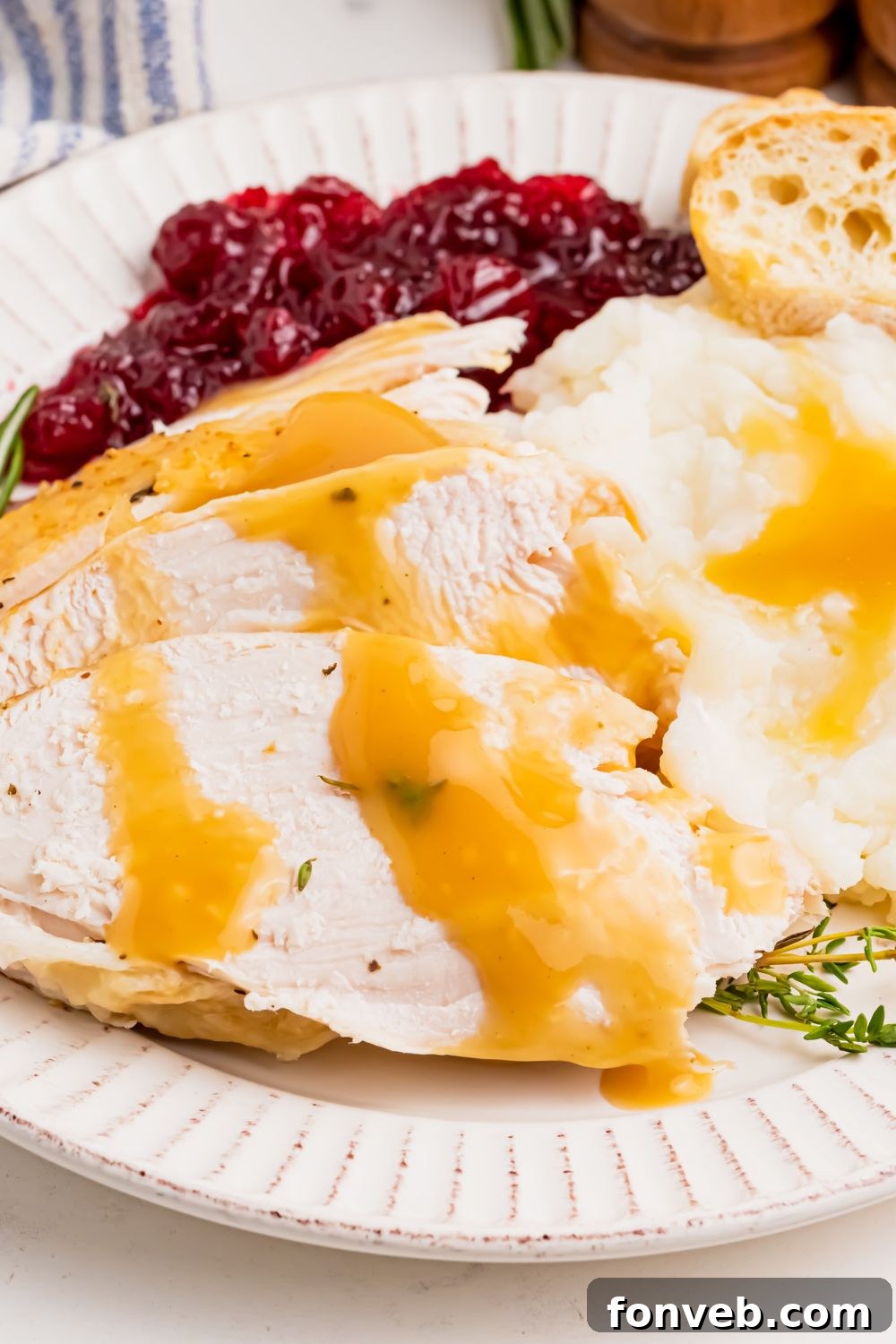
- Arrange for Presentation: Artfully arrange the carved slices of breast meat, drumsticks, and thighs on a warm serving platter. Garnish with fresh herb sprigs, vibrant cranberries, and bright lemon slices for a festive and inviting display.
Savvy Storage: Extending the Life of Your Leftover Turkey
Leftover turkey is a gift that keeps on giving! Proper storage ensures you can enjoy it for days to come, whether in new recipes or simply reheated.
- Refrigeration: Within two hours of cooking, carve the remaining turkey off the bone and store it in shallow, airtight containers. This helps it cool quickly and prevents bacterial growth. It will stay fresh in the refrigerator for 3 to 4 days.
- Freezing: For longer storage, freeze your leftover turkey. Place carved turkey meat (or even whole pieces like drumsticks) in freezer-safe airtight containers or heavy-duty freezer bags. Remove as much air as possible to prevent freezer burn. Frozen turkey can be stored for up to 3-6 months. Thaw it overnight in the refrigerator before reheating.
- Reheating: Reheat turkey gently to prevent it from drying out. Use a microwave for small portions, or reheat in the oven with a splash of broth or gravy, covered with foil, until warmed through.
Frequently Asked Questions (FAQs) About Roasting Turkey
What can I do with leftover turkey?
Leftover turkey is incredibly versatile! Beyond the classic turkey sandwich, consider these delicious ideas:
- Soups and Stews: Use shredded turkey in a hearty turkey noodle soup, a creamy turkey chowder, or a rich turkey chili.
- Casseroles: Incorporate turkey into a comforting pot pie, a cheesy turkey tetrazzini, or a flavorful shepherd’s pie.
- Salads: Make a light and refreshing turkey salad (similar to chicken salad) or toss it into a hearty Cobb salad.
- Wraps & Tacos: Shredded turkey makes excellent fillings for wraps, burritos, or turkey tacos.
- Pasta Dishes: Add diced turkey to your favorite pasta recipes, like a creamy alfredo or a simple pasta bake.
How do I prevent turkey from drying out?
Ensuring a moist turkey is a top priority. Here are several strategies:
- Herb Butter: As in this recipe, rubbing herb butter under and over the skin is a fantastic way to add fat and moisture.
- Basting: Baste the turkey every 30-45 minutes with its own pan drippings. This helps keep the skin from drying out and adds flavor.
- Tenting with Foil: If the breast meat starts to brown too quickly, lightly tent that area with aluminum foil. This shields it from direct heat, allowing the darker meat to catch up without drying out the white meat.
- Brining: For maximum moisture, consider brining your turkey beforehand. A wet brine (submerging in a salt water solution) or a dry brine (rubbing with salt and seasonings) can significantly enhance juiciness.
- Aromatics in the Cavity: Stuffing the cavity with onions, lemons, garlic, and fresh herbs helps steam the bird from the inside, adding moisture and flavor.
- Don’t Overcook: The single most important factor is using a meat thermometer and removing the turkey promptly once it reaches 165°F (74°C), allowing for resting time.
Should I stuff the turkey cavity?
You can certainly place stuffing or aromatics inside the turkey cavity, but there’s an important distinction. If you place edible stuffing inside the turkey, it must reach a safe internal temperature of 165°F (74°C) to be safe to eat. This often means the turkey itself will be overcooked by the time the stuffing is done. Therefore, it’s generally recommended to bake stuffing separately for food safety and to achieve optimal turkey juiciness. However, you absolutely *should* stuff the cavity with aromatics like quartered onions, lemons, garlic, and fresh herb sprigs. These contribute incredible flavor and moisture to the turkey without the food safety concerns of edible stuffing.
More Holiday and Festive Recipes You’ll Love
Round out your holiday meal with these other incredible recipes that are sure to delight:
- Turkey Stuffing Roll-Ups: A creative way to enjoy your turkey and stuffing!
- Christmas Cranberry Pound Cake: A festive and moist dessert perfect for the season.
- Slow Cooker Cheesy Corn: An easy and comforting side dish that frees up oven space.
- Creamy Garlic Mashed Potatoes: The ultimate classic, perfectly smooth and buttery.
- Homemade Cranberry Sauce with Orange Zest: Fresh, tangy, and bursting with holiday flavor.
Herb Butter Roasted Turkey
Learn how to make roast turkey for your holiday feast or a weekend dinner. A garlic herb butter turkey that is roasted in the oven. Easy to make, moist, juicy meat.
Print Recipe
Pin Recipe
Share Recipe on Facebook
Ingredients
For the Turkey:
- 1 10-12 lb whole turkey
- 1 whole white onion, peeled and quartered
- 1 lemon, quartered
- 2 fresh rosemary sprigs
- 3-4 fresh thyme sprigs
- 2 sprigs fresh sage
- Extra fresh herb sprigs, cranberries and lemons, for garnish
For the Herb Butter:
- ¾ cup unsalted butter, softened to room temperature
- 1 tablespoon rosemary leaves, finely chopped
- 1 tablespoon fresh thyme leaves
- 1 tablespoon fresh sage, finely chopped
- 4 garlic cloves, minced
- 1 teaspoon lemon zest
- 1 teaspoon kosher salt
- ½ teaspoon ground black pepper
Instructions
For Roasting the Turkey:
- Arrange your oven rack on a lower position and preheat the oven to 350°F (175°C). Place a rack in a large roasting pan.
- Remove the turkey neck and giblets from the inside of the turkey cavity. Discard or reserve for gravy/stock.
- Pat the turkey skin thoroughly dry with paper towels. This is crucial for crispy skin. Place the turkey onto your roasting rack.
- Place the quartered onion, lemon, and fresh herb sprigs inside of the cavity of the turkey.
For Preparing the Herb Butter & Roasting:
- In a small bowl, mix together the softened butter, finely chopped rosemary, thyme, sage, minced garlic, lemon zest, kosher salt, and ground black pepper until well combined.
- Carefully loosen the turkey skin over the breast and thighs using your fingers. Rub about half of the butter mixture under the skin. Then, rub the remaining butter mixture all over the exterior of the turkey, ensuring it’s evenly coated.
- Using cooking string, tie the turkey legs together (trussing) to help it hold its shape and cook evenly. Alternatively, you can use a piece of the turkey skin pulled over the legs.
- Roast the turkey uncovered in the preheated oven for approximately 13-15 minutes per pound, basting occasionally with pan drippings. Continue roasting until the internal temperature of the thickest part of the turkey thigh reaches 165°F (74°C).
- Once the turkey reaches the desired temperature, remove it from the oven and transfer it to a carving board. Place a piece of aluminum foil loosely over the top to seal in the juices. Allow the turkey to rest for 15-20 minutes before carving. Discard the herbs and aromatics from the turkey cavity.
- Slice the turkey and serve warm, garnished with extra fresh herb sprigs, cranberries, and lemon slices. Enjoy your perfectly roasted, juicy, and flavorful turkey!