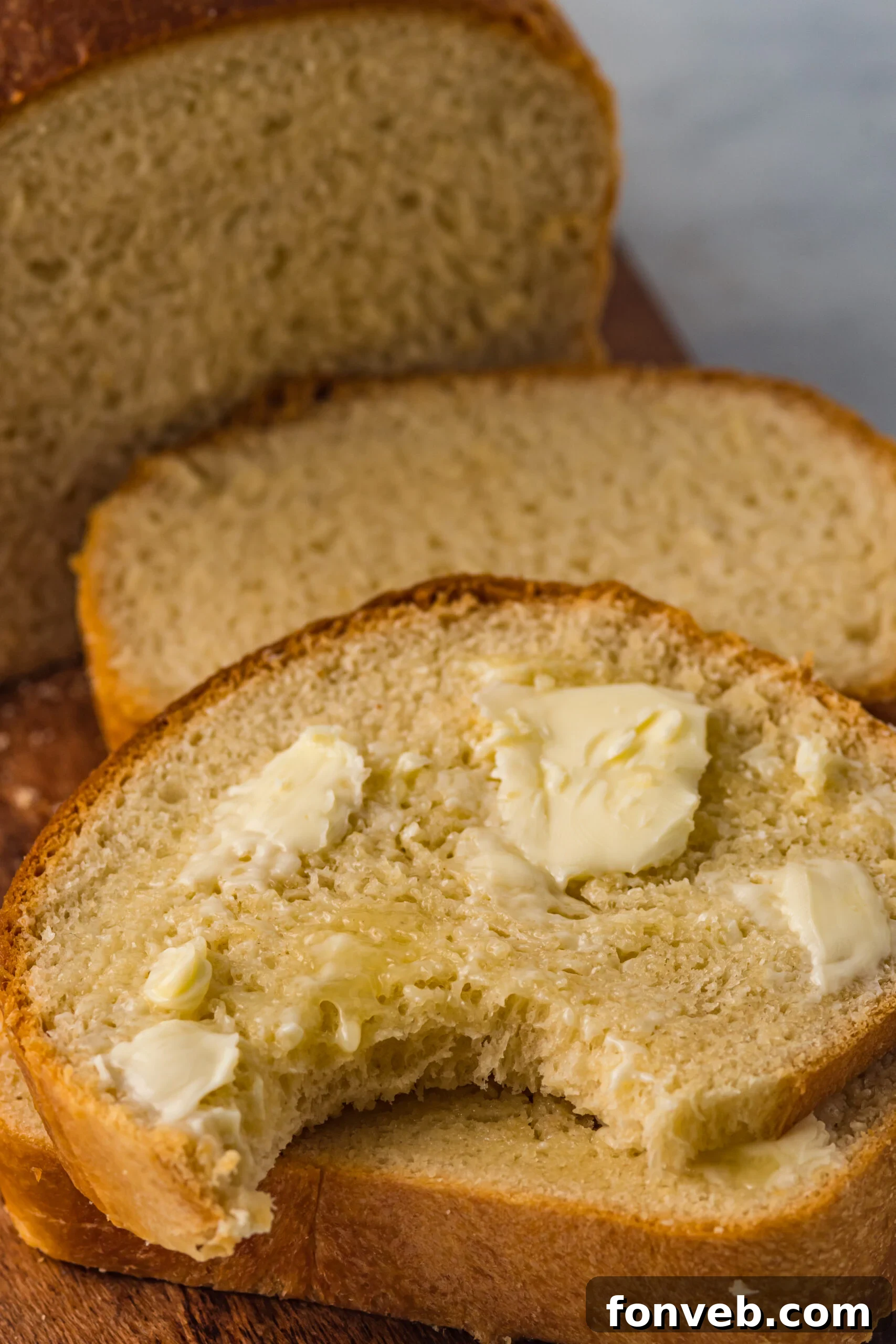
Easy Homemade Amish White Bread: A No-Fail Recipe for Deliciousness (Cinnamon Swirl Version Included!)
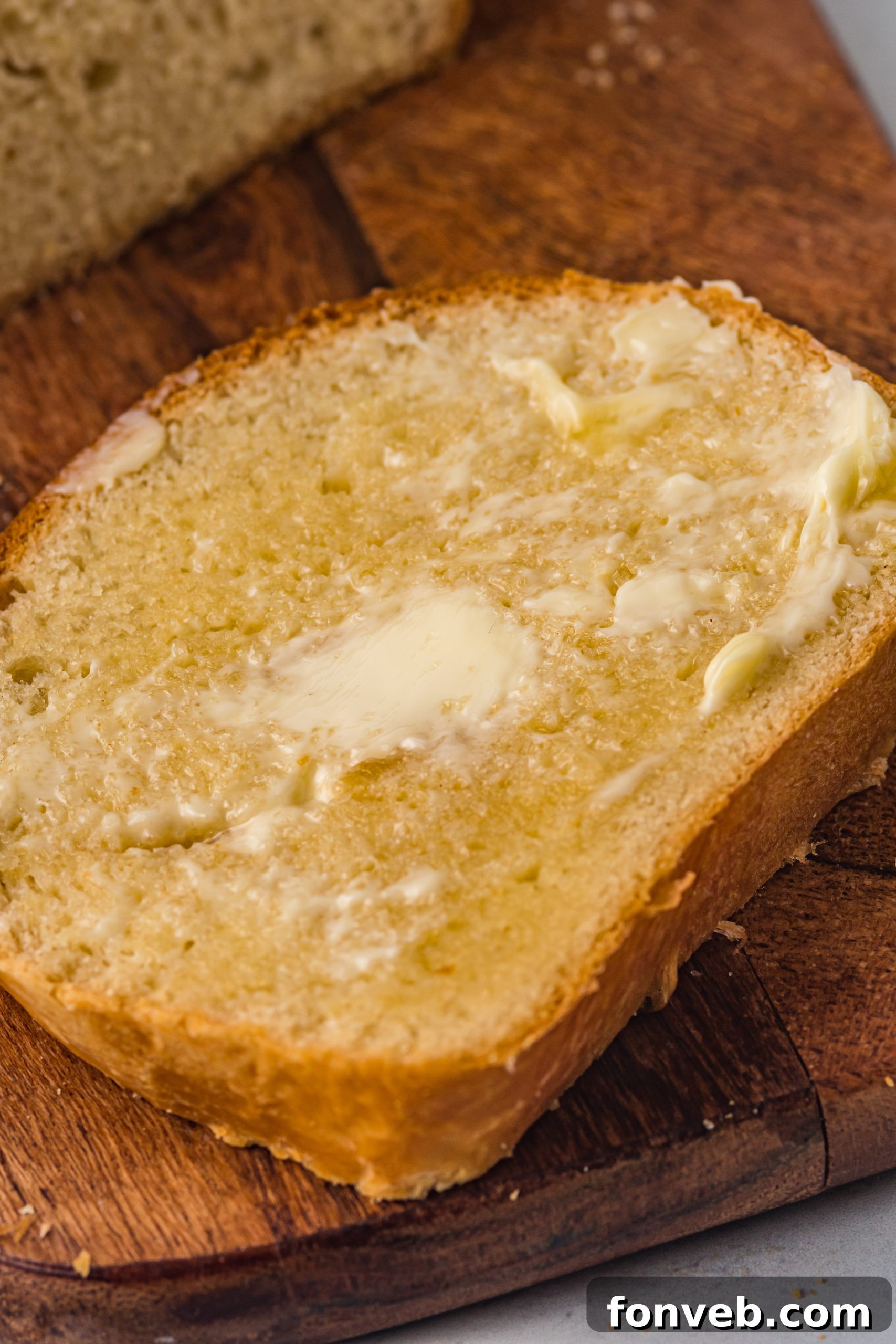
Experience the Unbeatable Taste of Homemade Amish White Bread
Once you’ve savored the comforting aroma and tender texture of freshly baked homemade Amish White Bread, you’ll find it nearly impossible to return to store-bought alternatives. This incredible recipe transforms simple ingredients into a warm, inviting loaf that’s perfect for every occasion. Forget the bland, mass-produced loaves; prepare to bake bread that’s bursting with flavor and made with love right in your own kitchen.
Learning how to make this exquisite Amish White Bread at home is a game-changer. It’s incredibly versatile, serving as the ideal foundation for sandwiches, toast, or even as a comforting side to your favorite chili or soup. This easy-to-follow recipe is designed for success, ensuring even novice bakers can achieve a perfectly golden, soft, and delicious loaf every time. Get ready to elevate your home baking and delight your family with the taste of true homemade goodness!
Why Choose Homemade White Bread?
In many households, bread is a staple, consumed daily with meals, as snacks, or as the star of sandwiches. If you find yourself constantly replenishing your bread supply, making your own offers a wealth of benefits that extend far beyond mere convenience. Homemade bread provides:
- Unmatched Freshness and Flavor: There’s simply no comparison to the taste and aroma of bread pulled fresh from the oven. The subtle sweetness and tender crumb of Amish White Bread are truly exceptional.
- Control Over Ingredients: By baking at home, you know exactly what goes into your bread, avoiding preservatives, artificial flavors, and excessive sugars often found in commercial loaves.
- Cost-Effectiveness: Making bread from scratch can be significantly more economical than regularly purchasing artisanal or even standard white bread from the grocery store.
- A Rewarding Experience: The process of baking bread, from mixing the dough to watching it rise and finally emerge golden brown, is incredibly satisfying and therapeutic.
- Versatility: This particular Amish White Bread recipe isn’t just for plain loaves. It’s a fantastic base for cinnamon rolls, savory herb breads, or even sweet mini muffins, offering endless culinary possibilities.
This recipe for Amish White Bread is truly a treasure. It’s an easy and reliable method to produce incredibly tasty bread that you’ll be proud to share, and your family will surely request again and again.
The Simple Appeal of Amish White Bread
Amish baking traditions are renowned for their simplicity, wholesome ingredients, and heartwarming results. This Amish White Bread recipe embodies those qualities, offering a straightforward approach to bread making that yields consistently excellent loaves. It’s often referred to as “no-fail” because the steps are clear, the ingredients are common, and the dough is forgiving, making it an ideal choice for bakers of all skill levels.
What makes this particular recipe so special? It’s the perfect balance of sweetness and richness, achieved through the thoughtful inclusion of honey, sugar, and milk. These elements contribute to a wonderfully soft texture, a beautiful golden crust, and a flavor profile that is subtly sweet and utterly comforting. Once you’ve mastered this basic loaf, you’ll unlock a world of creative baking, as this versatile dough is truly the secret weapon for many other delightful treats.
Key Ingredients for Your Perfect White Bread
Crafting this delicious Amish White Bread requires a few fundamental ingredients, each playing a crucial role in achieving that perfect taste and texture. Understanding their purpose will help you appreciate the magic behind this simple recipe:
- Granulated Sugar: While it provides a touch of sweetness, sugar’s primary role in bread making is to feed the yeast, aiding in its activation and contributing to the bread’s golden-brown crust during baking. Rest assured, this recipe uses just enough to enhance flavor without making the bread overly sweet.
- Warm Water: Essential for activating the active dry yeast. The water should be warm to the touch (ideally between 105°F and 115°F or 40°C-46°C). Too hot, and it can kill the yeast; too cold, and the yeast won’t activate effectively.
- Honey: This natural sweetener not only adds a delicate, unique flavor but also contributes to the bread’s moistness and tenderness. It helps keep the bread soft for longer.
- Active Dry Yeast: The powerhouse behind your bread’s rise! This living organism consumes sugars, producing carbon dioxide gas that creates air pockets, giving bread its light and airy texture. Ensure your yeast is fresh and active for optimal results.
- Warm Milk: Using milk instead of solely water adds richness, a softer crumb, and a slightly creamier flavor to the bread. Warming it helps integrate it smoothly with the other ingredients and encourages yeast activity.
- Unsalted Butter (Divided): Butter contributes significantly to the bread’s flavor, tenderness, and crust quality. In this recipe, a portion is melted into the dough for richness, while the remaining amount is reserved for delicious variations like cinnamon swirl bread.
- Salt: Far from just a seasoning, salt is vital in bread making. It balances the flavors, strengthens the gluten structure (which gives bread its chewiness), and regulates yeast activity, preventing over-proofing.
- Bread Flour: This is the hero of your loaf! Bread flour has a higher protein content than all-purpose flour, which means it develops more gluten. Gluten is what gives bread its elasticity and strength, allowing it to trap gases and rise beautifully, resulting in a chewier, more structured crumb. While you might be tempted to use all-purpose flour, bread flour will undeniably give you superior results for this recipe.
Each ingredient plays a vital role in creating a balanced, flavorful, and perfectly textured loaf of Amish White Bread.
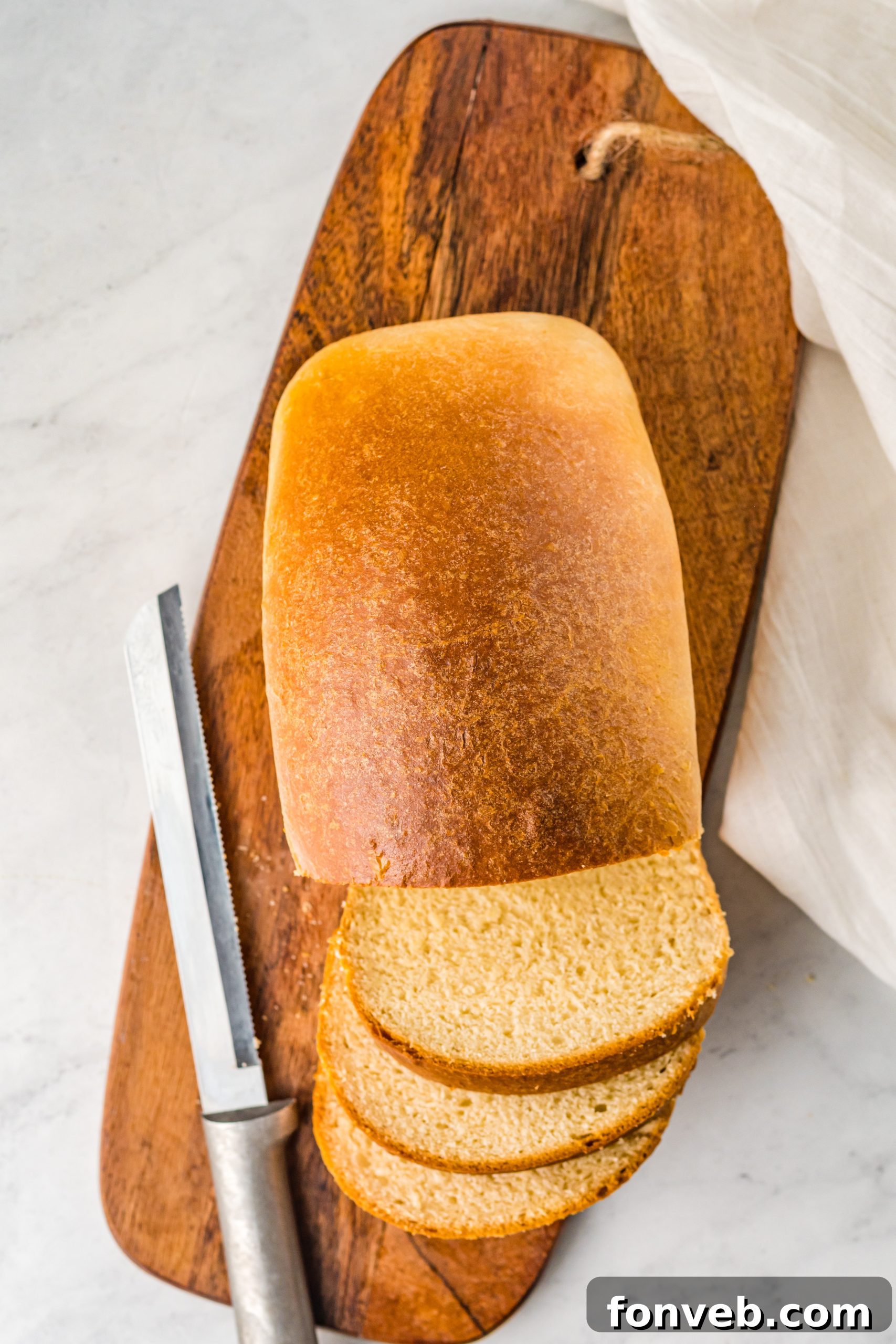
Frequently Asked Questions About Amish White Bread
Do I have to use honey in this recipe?
While honey adds a lovely, subtle natural sweetness and contributes to the bread’s moistness, it’s not strictly mandatory. If you don’t have honey on hand or prefer to omit it, you can substitute it with an equal amount of granulated sugar. Keep in mind that the flavor profile may be slightly different, but the bread will still be delicious.
Can I add other ingredients to this bread for variations?
Absolutely! This Amish White Bread recipe is wonderfully adaptable. For a savory twist, consider incorporating your favorite dried herbs like rosemary or thyme, a sprinkle of garlic powder, or even finely chopped olives and shredded cheese. For sweet variations beyond cinnamon, you could add pumpkin pie spice, orange zest, or dried fruits like raisins or cranberries.
What tastes best on this bread?
The beauty of homemade white bread is its versatility! A thick slice slathered with softened butter is a classic choice, allowing the bread’s natural flavor to shine. It’s also fantastic for making sandwiches with your favorite fillings, spreading with peanut butter and jelly, or dipping into hearty soups, stews, or a warm bowl of chili. Don’t forget toasted slices for breakfast with jam or marmalade!
What should I do if I don’t have a stand mixer?
No stand mixer? No problem! While a stand mixer with a dough hook makes kneading much easier, you can certainly knead the dough by hand. The process will take a bit longer and require more arm strength, but it’s very rewarding. You’ll need to knead the dough vigorously on a lightly floured surface for approximately 15 minutes to achieve the proper soft, stretchy, and elastic consistency. Your hands are excellent tools for sensing when the dough is just right!
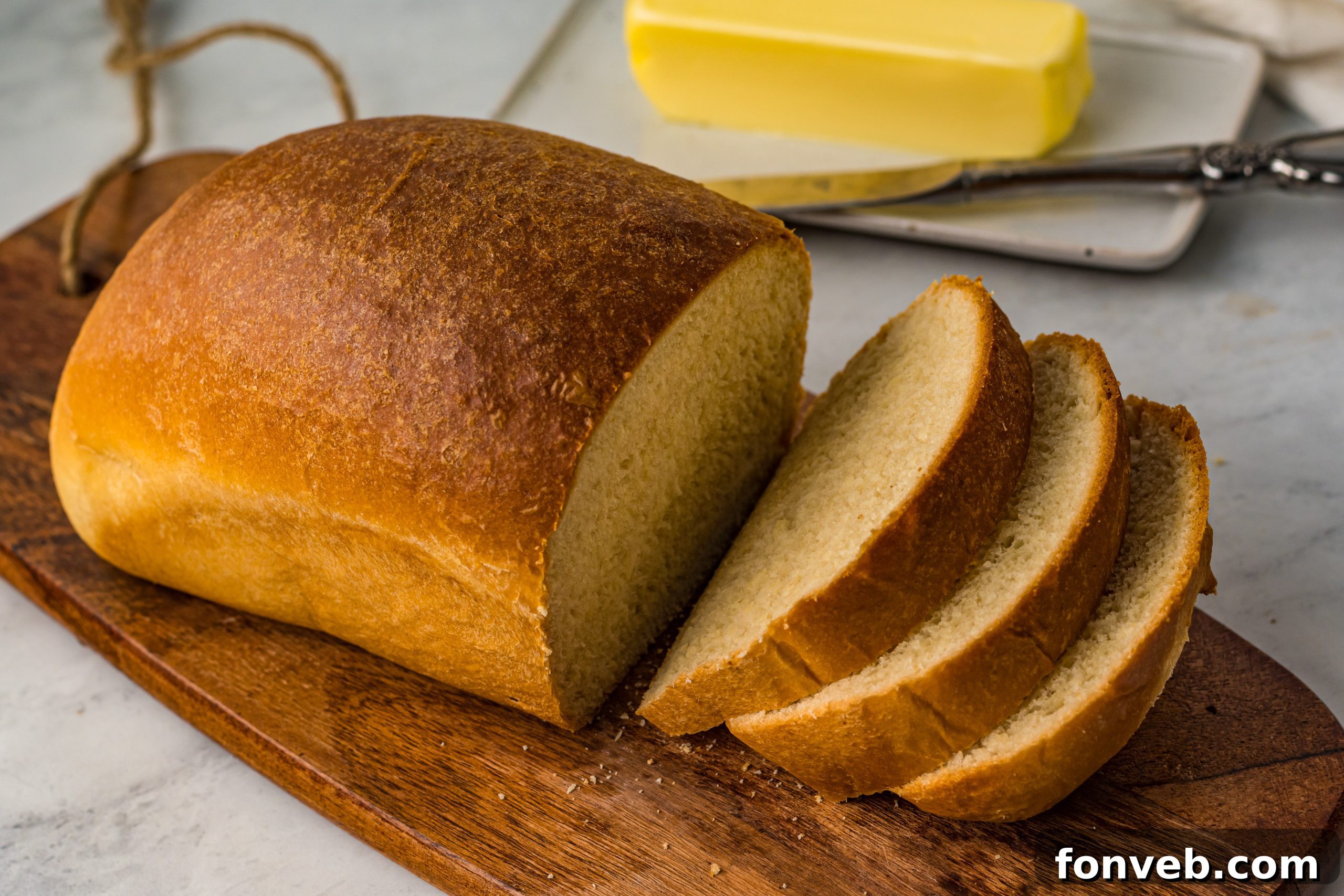
Expert Tips for Bread Baking Success
- Yeast Activation is Key: Ensure your warm water is between 105°F and 115°F (40°C-46°C). Water that’s too hot will kill the yeast, and water that’s too cold won’t activate it, leading to a flat loaf. The bubbly appearance after 5 minutes confirms your yeast is alive and ready to work.
- Measure Flour Correctly: For best results, spoon your flour into the measuring cup and level it off with a straight edge, or even better, weigh it with a kitchen scale. Scooping directly from the bag can compact the flour, leading to too much flour and a dense, dry loaf. Start with the lower end of the flour range and add gradually until the dough reaches the described consistency.
- Trust Your Dough’s Feel: Don’t be afraid to adjust the flour amount slightly. The goal is a dough that is soft, pliable, elastic, and no longer excessively sticky. It should pull away from the sides of the bowl (in a stand mixer) or be manageable to knead by hand without sticking everywhere.
- Create a Warm Environment for Rising: Yeast thrives in warmth. If your kitchen is cool, find a warm spot for your dough to rise. This could be in a slightly warmed (but turned off!) oven, near a sunny window, or simply in a draft-free corner of your counter.
- Proper Kneading Develops Gluten: Whether by hand or mixer, adequate kneading is crucial. It develops the gluten, creating the framework that traps air and gives bread its structure and chew. A well-kneaded dough will be smooth and elastic.
- Check for Doneness: Don’t solely rely on visual cues. The best way to tell if your bread is fully baked is by checking its internal temperature with an instant-read thermometer; it should read around 190°F (88°C). Alternatively, tapping the bottom of the loaf should produce a hollow sound.
- Cool Completely on a Wire Rack: Once out of the oven, immediately transfer the loaves to a wire rack to cool. This allows air to circulate around all sides, preventing the bottom crust from becoming soggy and ensuring a crisp, even crust all around. Slicing too early can also lead to a gummy texture.
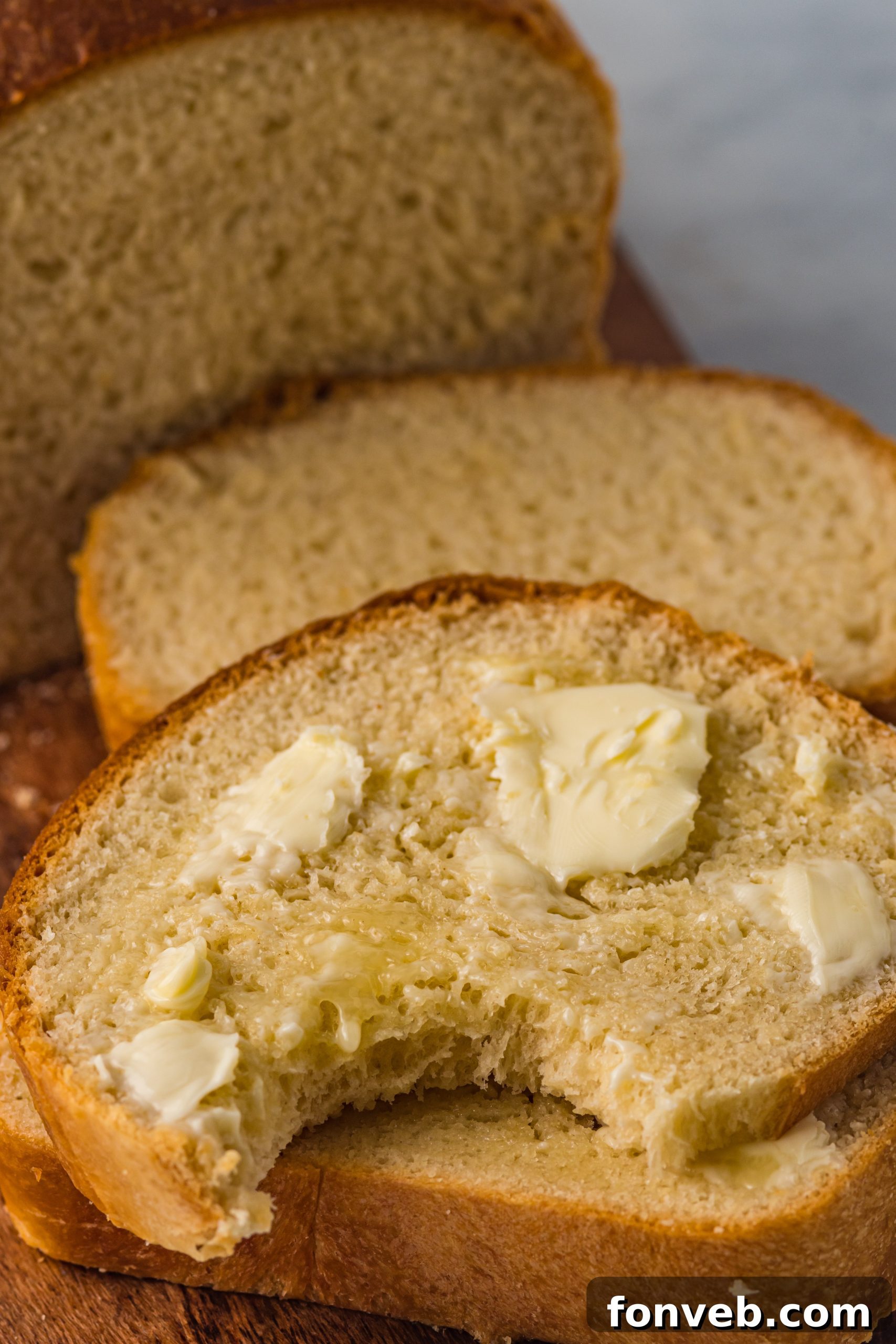
Storage Instructions for Peak Freshness
To keep your homemade Amish White Bread fresh and delicious, proper storage is essential. Once the bread has cooled completely, you have a few options:
- Room Temperature (Short-Term): For up to 3-4 days, store your bread in an airtight container, a bread box, or a sealed plastic bag at room temperature. Avoid refrigerating plain bread, as it tends to dry out and become stale faster due to a process called “starch retrogradation.”
- Freezing (Long-Term): For longer storage, freezing is your best bet. Wrap cooled loaves tightly in plastic wrap, then an additional layer of aluminum foil, or place them in a freezer-safe bag. Frozen bread will stay fresh for up to three months. Thaw at room temperature, then warm gently in the oven for that “freshly baked” experience.
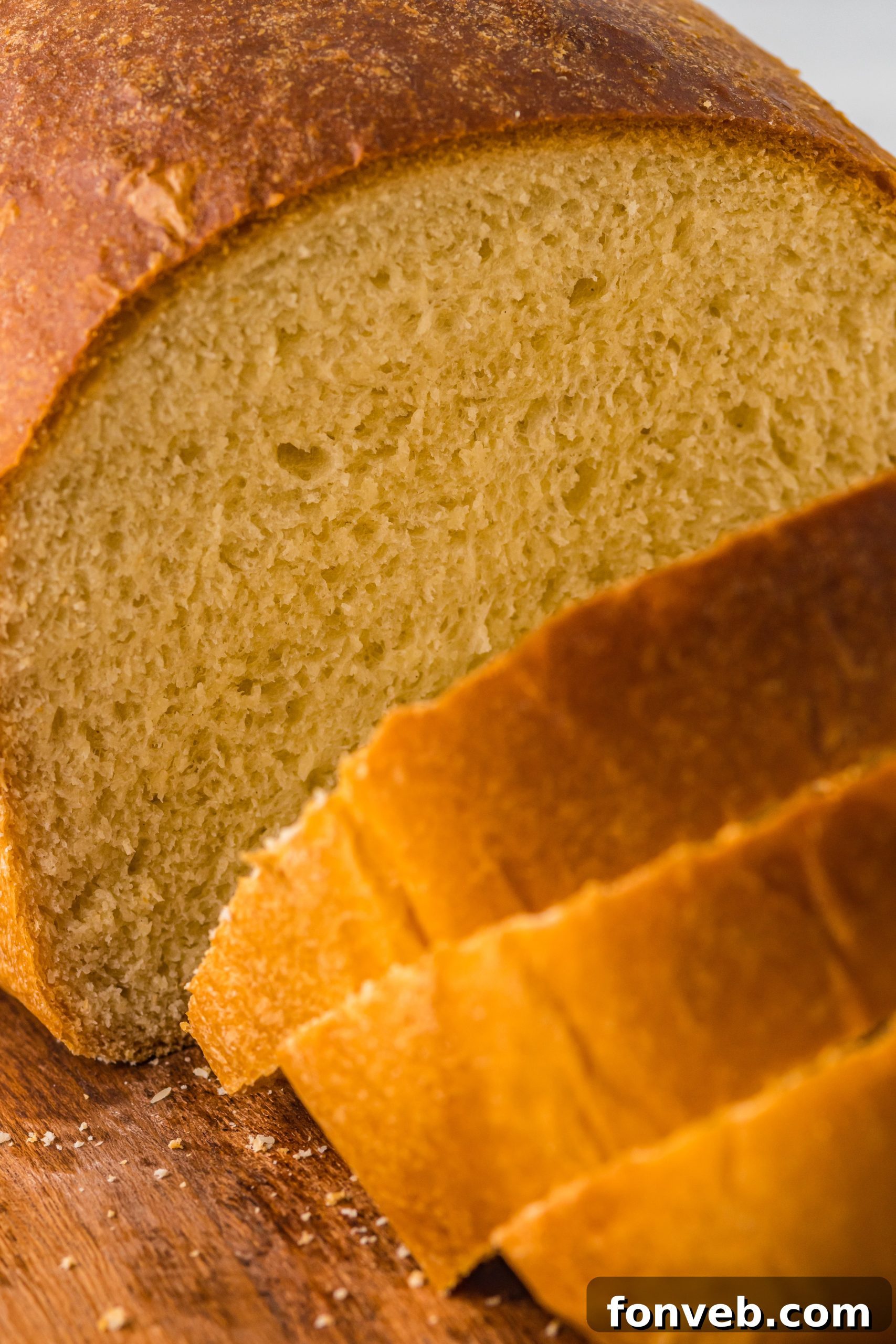
Versatile Uses for Your Amish Bread Dough
This Amish White Bread recipe is much more than just a loaf of bread; it’s a foundational dough that can be transformed into a variety of delectable treats:
- Cinnamon Rolls & Sticky Buns: Yes, this very same dough can be rolled out, filled with butter, brown sugar, and cinnamon, and then baked into glorious, soft cinnamon rolls or sticky buns. The tender crumb of this dough makes for an irresistible texture.
- Savory Herb and Cheese Bread: Instead of cinnamon, roll in a mixture of melted butter, garlic powder, dried Italian herbs, and shredded Parmesan or cheddar cheese before shaping and baking.
- Mini Muffins: For a delightful bite-sized option, take portions of the dough (either plain or with cinnamon swirl filling) and evenly press them into greased muffin tins. Fill each tin about 1/3 full. Bake at 350°F (175°C) for approximately 20-25 minutes, or until golden brown and a toothpick inserted comes out clean. These are absolutely heavenly slathered with butter!
- Amish Friendship Bread (Clarification): While sometimes this recipe is loosely called “Amish friendship bread,” it’s important to note that traditional Amish Friendship Bread typically refers to a sourdough-like starter passed between friends. This recipe, however, is a direct yeast bread, offering quick and easy results without the need for a starter. It still embodies the communal, comforting spirit of Amish baking.
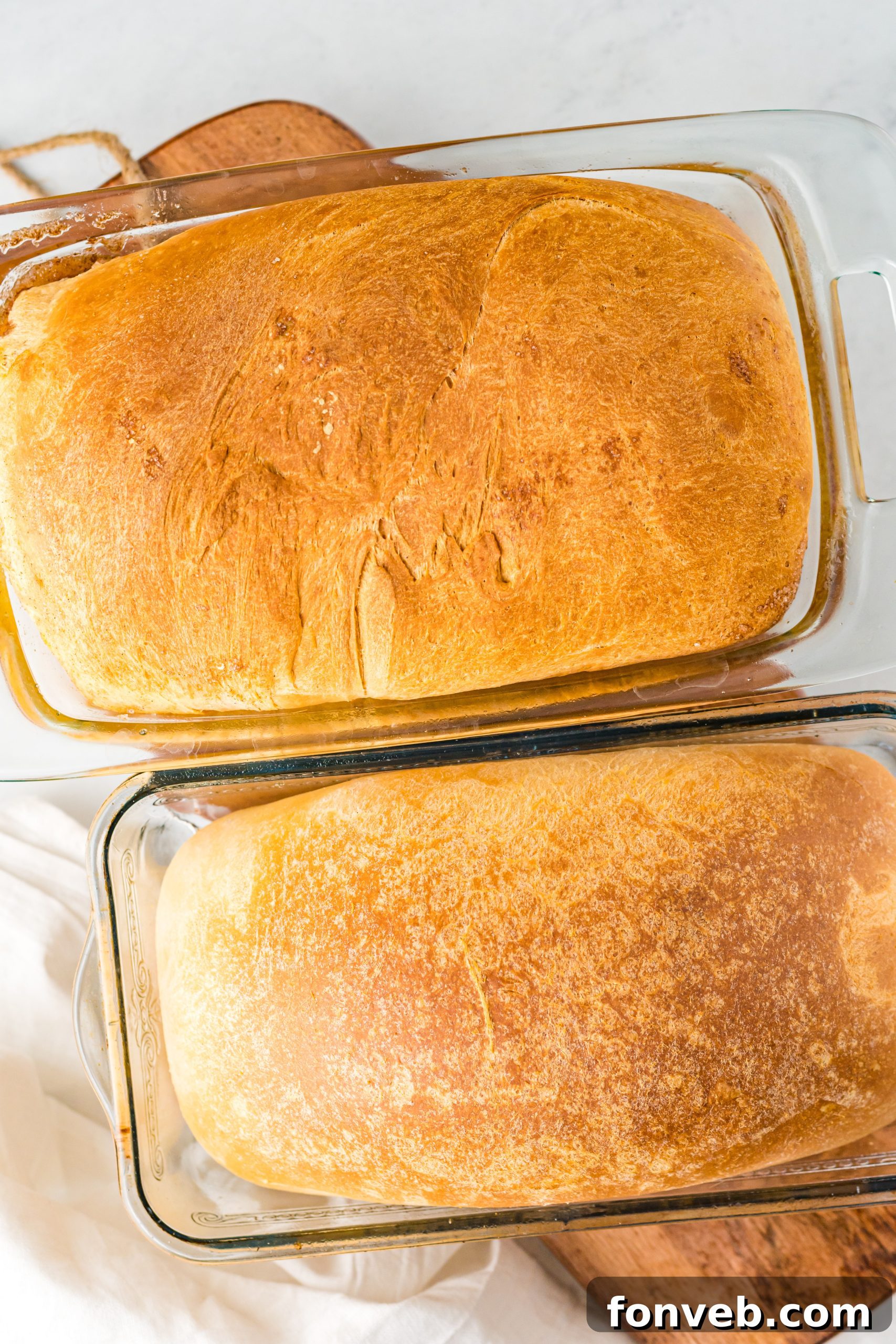
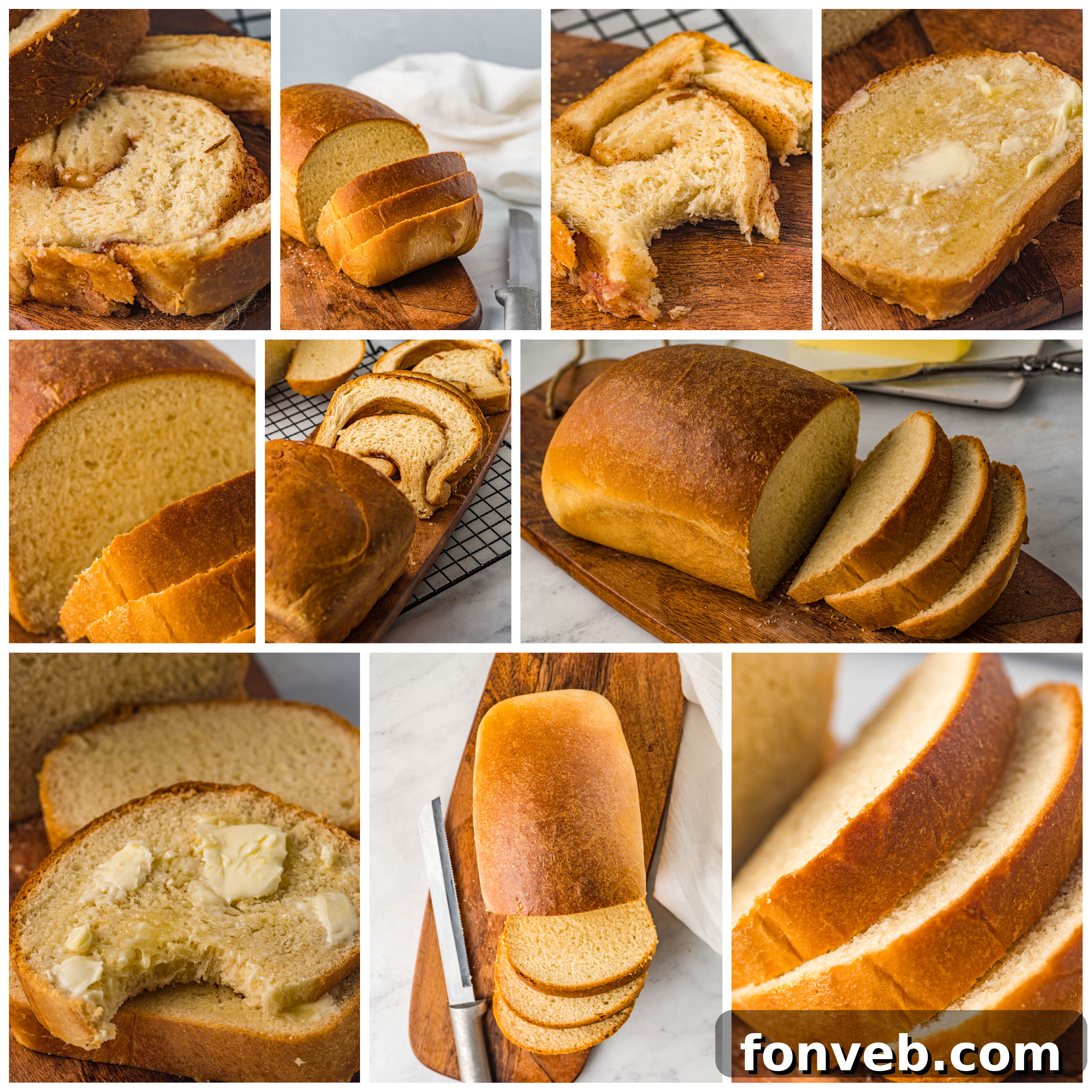
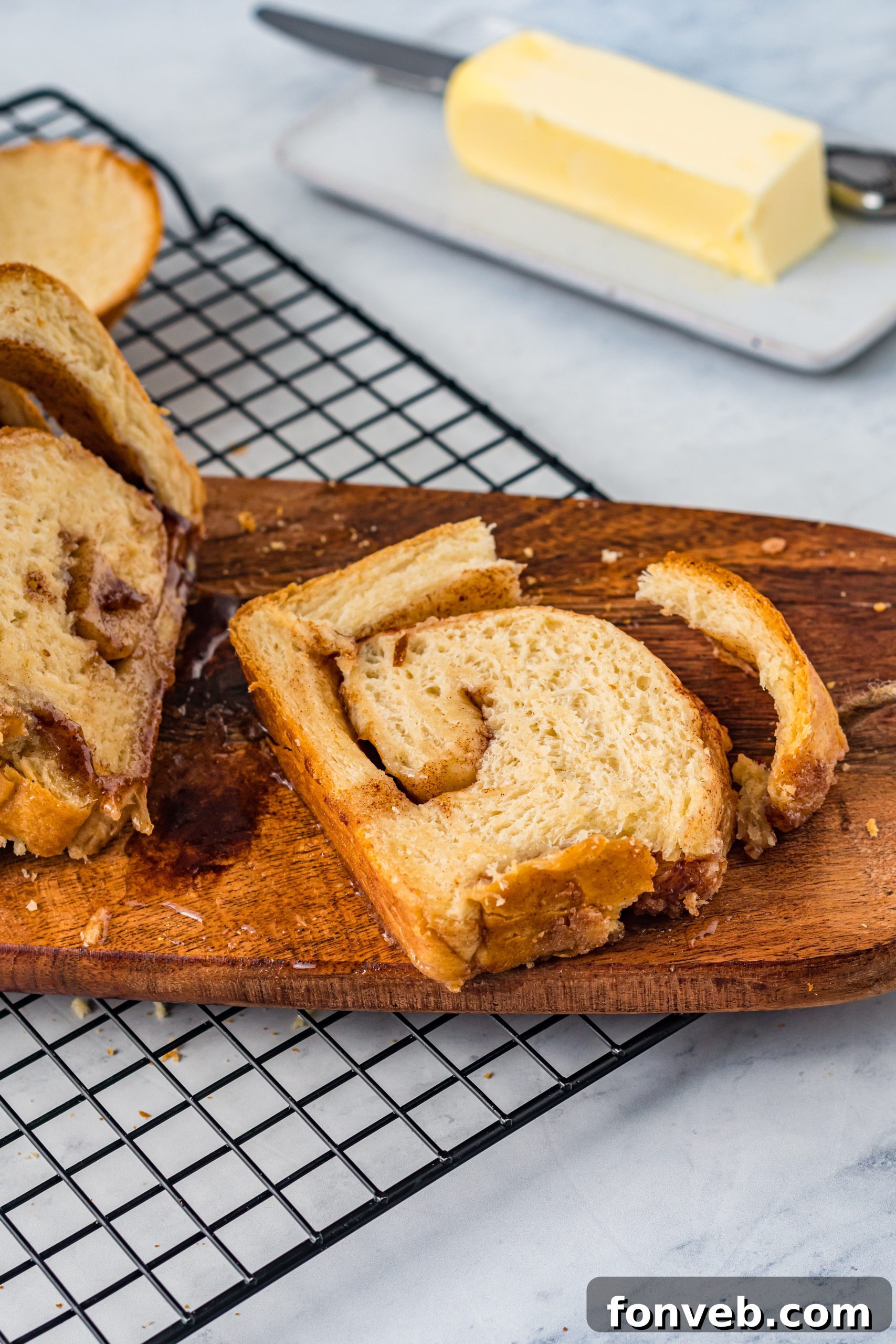 These images proudly display the mouth-watering cinnamon sugar version of this versatile bread – it’s truly delicious!
Amish White Bread Recipe Card
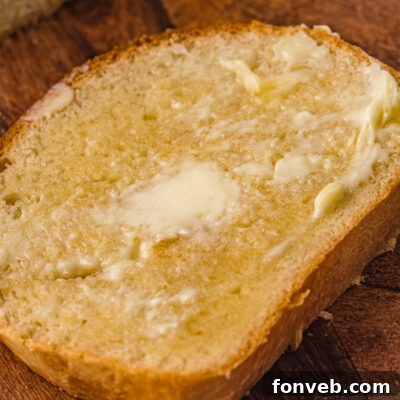
Amish White Bread
Yields: 2 loaves
Prep time: 20 minutes
Rise time: 1 hour 30 minutes
Bake time: 30 minutes
Ingredients for Amish White Bread:
- 1/3 cup granulated sugar
- 1/2 cup warm water (110° to 120°F / 40°C-46°C)
- 3 tablespoons honey
- 1 1/2 tablespoons active dry yeast
- 1 1/2 cups warm milk
- 8 Tablespoons unsalted butter, divided (5 tbsp melted for dough, 3 tbsp melted for cinnamon variation)
- 1 tablespoon salt
- 4-6 cups bread flour (start with 4 cups, add gradually until dough is soft and stretchy)
For Cinnamon Swirl Bread:
- 3 tablespoons unsalted butter, melted
- 1/4 cup granulated sugar
- 1 tablespoon cinnamon
Instructions:
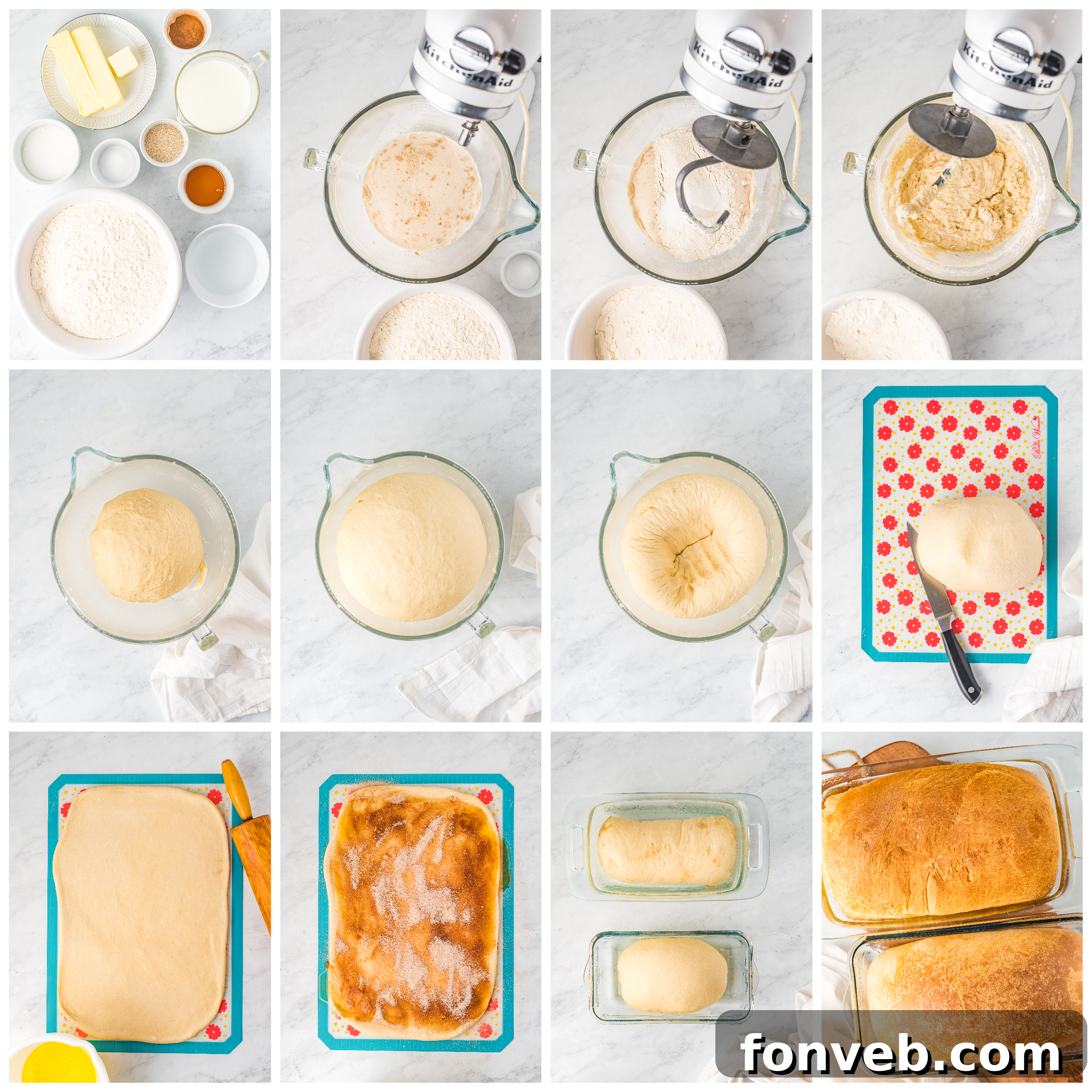
- In the mixing bowl of a stand mixer, combine granulated sugar, warm water, honey, and active dry yeast. Stir gently.
- Let the mixture stand for 5 minutes until it becomes foamy and bubbly, indicating the yeast is active.
- Add the warm milk to the stand mixer bowl and stir to combine.
- Melt 5 tablespoons of unsalted butter (if not already melted from the divided amount) and add it to the mixture.
- Add 2 cups of bread flour and the salt to the bowl. Attach the dough hook to your stand mixer.
- Begin mixing on low speed. Gradually add 2 more cups of bread flour. Continue adding additional flour (up to 2 more cups, for a total of 6 cups) a little at a time until the dough forms a soft, elastic ball that is no longer sticky to the touch.
- Knead the dough with the stand mixer on medium-low speed for 7 to 10 minutes until it is smooth and elastic. If kneading by hand, this process will take approximately 15 minutes.
- Once kneaded, remove the dough from the bowl and shape it into a smooth ball.
- Lightly grease the mixing bowl, return the dough ball to it, and cover the bowl with a clean dish towel.
- Place the covered bowl in a warm, draft-free spot and allow the dough to rise until it has doubled in size, which typically takes about 1 hour to 1 hour 30 minutes.
- After the first rise, gently punch down the dough to release the air. Divide the dough into two equal halves.
- Lightly grease two standard loaf pans with cooking spray or butter.
- For a Plain White Bread Loaf: Take one half of the dough. Gently stretch and fold the edges underneath to form a neat loaf shape. Place the formed loaf into one of the prepared bread pans.
- For Cinnamon Swirl Bread (using the second half of the dough): Roll out the dough onto a lightly floured surface into a large, thin rectangle, aiming to make the ends as square as possible.
- Melt the remaining 3 tablespoons of unsalted butter and brush it evenly over the entire surface of the rolled-out dough.
- In a small bowl, combine 1/4 cup granulated sugar and 1 tablespoon of cinnamon. Sprinkle this cinnamon-sugar mixture evenly over the melted butter on the dough.
- Starting from one of the long sides, tightly roll up the dough into a log.
- Pinch the seam and ends of the roll firmly to seal them. Slightly tuck the ends under.
- Place the cinnamon swirl dough log into the second prepared bread pan.
- Cover both loaf pans with a clean dish towel and let them rise in a warm spot for a second time, for about 30 minutes, or until visibly puffy.
- While the loaves are rising for the second time, preheat your oven to 350°F (175°C).
- Bake the loaves in the preheated oven for 30 minutes.
- The bread is done when the tops are golden brown, and the internal temperature reaches 190°F (88°C) when checked with an instant-read thermometer. Alternatively, a hollow sound when tapping the top of the loaf also indicates doneness.
- Remove the bread from the oven and immediately turn it out onto a wire rack to cool completely. This prevents the bottom from becoming soggy.
- Slice and ENJOY your homemade Amish White Bread!
Don’t Miss Out on More Incredible Recipes!
We hope you loved making this easy Amish White Bread recipe. Your homemade loaves are sure to bring joy to your table. If you enjoyed this recipe, please consider sharing it with your friends and family!
Please remember to SHARE on Facebook and PIN IT!
FOLLOW ME ONPINTERESTBY CLICKING HERE <——