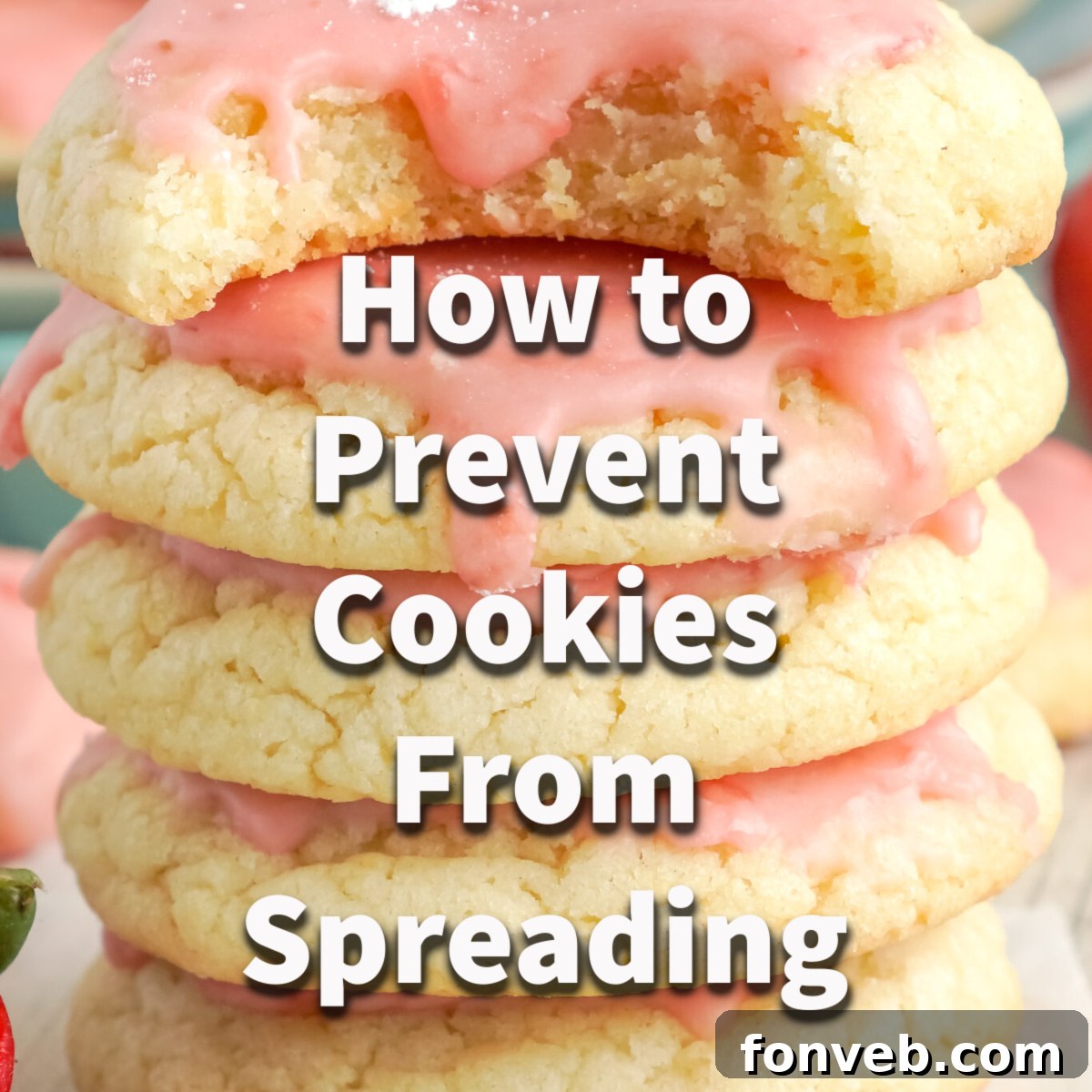
Mastering the Bake: Expert Tips to Prevent Cookies from Spreading Too Thin
There’s nothing quite like the aroma of freshly baked cookies filling your home. However, the joy can quickly turn to frustration when your perfectly formed cookie dough balls emerge from the oven as flat, wide discs. If you’ve ever wondered how to prevent cookies from spreading excessively, you’re not alone. This common baking dilemma can affect the texture, appearance, and overall enjoyment of your treats. While a flat cookie often still tastes delicious, achieving that ideal thick, chewy, or soft-centered perfection is every baker’s goal. Fret not, for we’ve compiled a comprehensive guide filled with expert strategies to ensure your cookies maintain their shape and delightful structure every time you bake.

Baking can sometimes feel like a delicate science, where small details make a big difference. Whether you’re a seasoned baker or just starting, battling the “cookie spread” can be a persistent challenge. Before you give up on that beloved recipe, consider these critical questions:
- Could the recipe itself be the culprit, perhaps lacking sufficient dry ingredients or calling for too much fat?
- Did you meticulously follow the directions, from ingredient measurements to oven temperature?
- Is it possible to salvage the remaining cookie dough to achieve better results in subsequent batches?
- Can minor adjustments to your baking technique transform flat cookies into perfectly plump ones?
Even if your latest batch turned out flatter than desired, remember that a slightly spread-out cookie is far from ruined. Its flavor profile likely remains intact and delicious. Yet, why settle when you can master the art of the perfect cookie? Let’s delve into proven techniques that will help you achieve beautifully structured, consistent cookies in all your future baking endeavors, elevating your treats from tasty to truly spectacular.
Expert Strategies: How to Prevent Cookies From Spreading
Achieving the perfect cookie isn’t just about ingredients; it’s also about technique. Here are our top tips, backed by baking wisdom, to help you prevent cookies from spreading too much and ensure they turn out beautifully every time.
1. The Golden Rule: Chill Your Cookie Dough
Chilling cookie dough is perhaps one of the most vital, yet often overlooked, steps in preventing excessive spread. While some recipes might skip this instruction, it’s a game-changer for most doughs. When cookie dough is chilled, the fat (butter, shortening) solidifies, and the flour has more time to fully hydrate. This process creates a firmer dough that melts more slowly in the oven, allowing the cookies to set before they have a chance to spread out significantly. For softer or stickier doughs, we highly recommend chilling for at least 30 minutes, or up to 2 hours. The colder and firmer your dough, the less it will spread, resulting in a thicker, chewier cookie. Conversely, a very soft or warm dough will liquefy quickly upon hitting the hot oven, leading to thinner, flatter cookies.
2. Prepare Your Baking Sheets for Success
The surface on which you bake your cookies plays a crucial role in their final shape. For optimal results, always line your baking sheets with parchment paper or a high-quality silicone non-stick baking mat. These materials create a low-friction surface that helps the cookies maintain their form as they bake, encouraging them to rise rather than spread outwards. While non-stick cooking sprays might seem convenient, they often contain oils that can actually make cookies spread more by reducing the friction and potentially leading to a greasy texture on the cookie’s underside. Silicone mats, in particular, offer excellent grip to both the pan and the dough, acting as an extra barrier against unwanted spreading.
3. Always Use Cooled Baking Sheets
When baking multiple batches of cookies, patience is key, especially concerning your baking sheets. Placing fresh cookie dough onto a hot baking sheet is a guaranteed path to thin, flat cookies. The residual heat from a previously baked batch will instantly begin to melt the butter or fat in your dough, causing the cookies to spread rapidly before they even enter the oven. This premature melting prevents the dough from setting properly. Always allow your baking sheets to cool completely to room temperature between batches. If you’re in a hurry, you can run them under cold water (and dry thoroughly) or pop them in the freezer for a few minutes to speed up the cooling process.
4. Invest in Quality Baking Sheets
The quality and type of your baking sheets significantly impact cookie consistency. Cheap, flimsy, or dark-colored baking sheets often lead to uneven baking, hot spots, and burnt bottoms. Dark metal pans absorb more heat, causing the edges and bottoms of cookies to overbake and potentially spread more due to excessive heat. Opt for light-colored, heavy-gauge aluminum baking sheets or even an unglazed ceramic cookie stone. These materials distribute heat more evenly, promoting consistent baking and preventing localized overheating that can contribute to unwanted spreading. Good quality sheets are an investment that pays off in consistently perfect cookies.
5. Shape Your Dough into Tall Balls
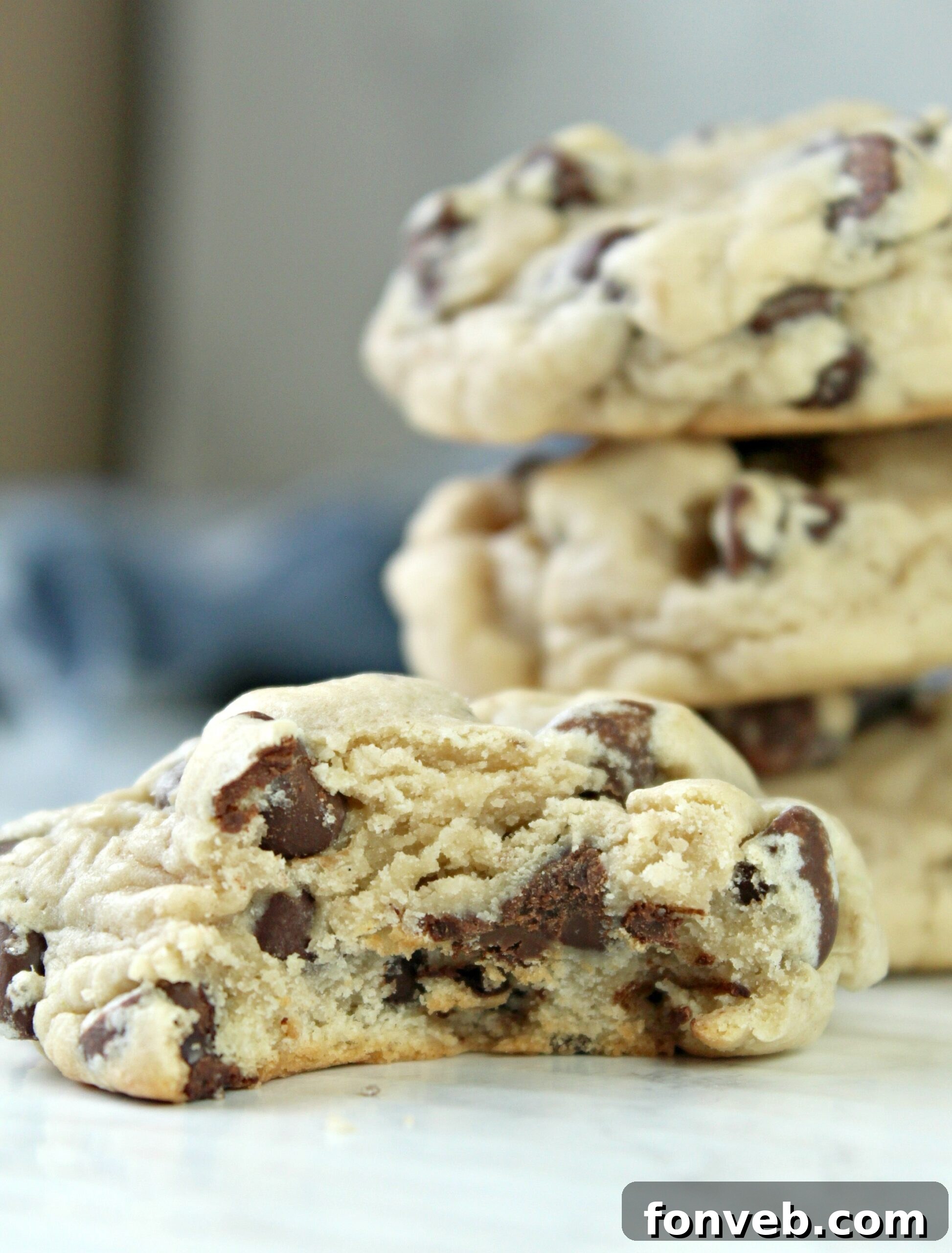
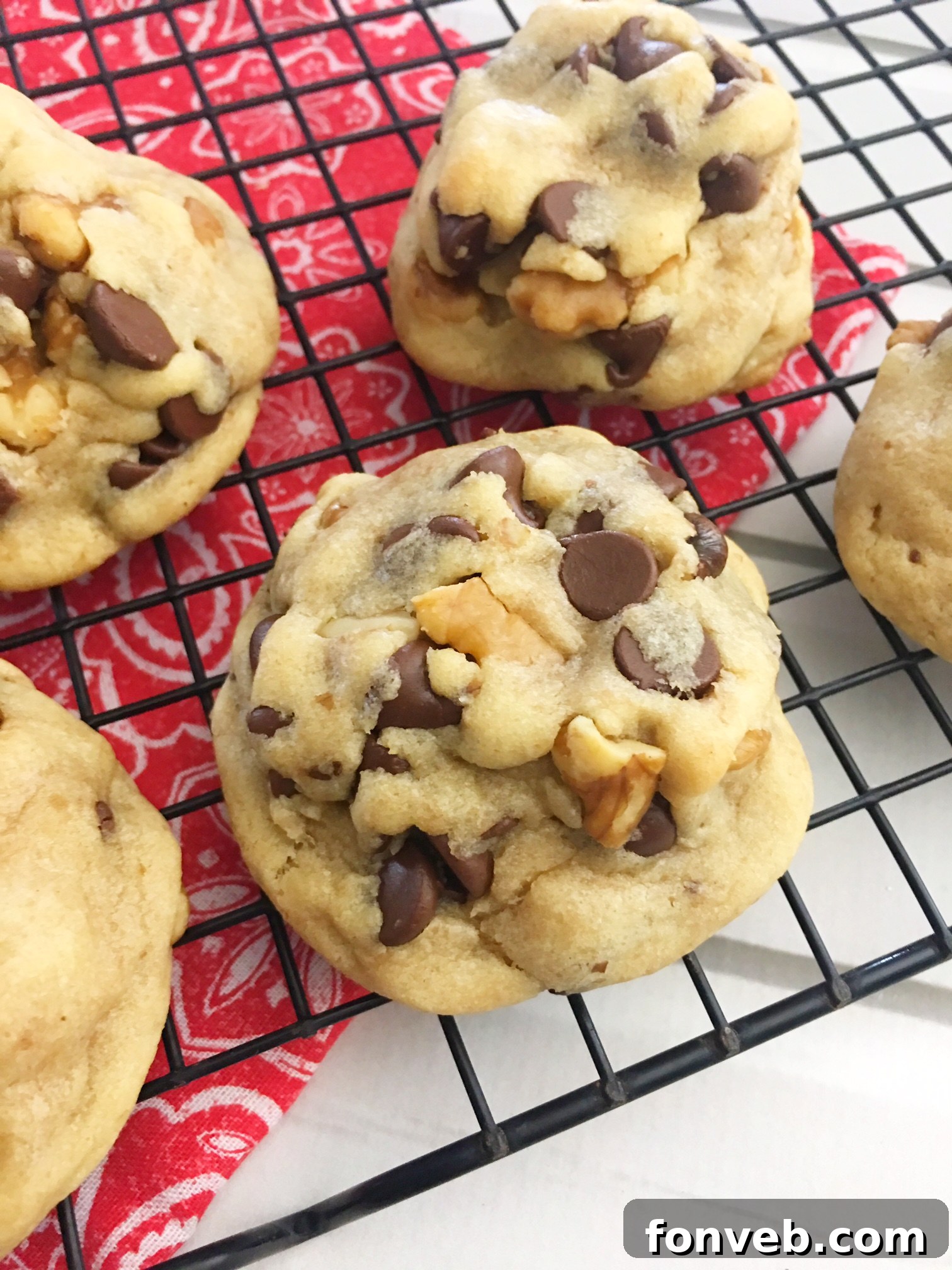
This clever trick is a baker’s secret weapon for achieving thicker cookies. Instead of rolling your cookie dough into perfectly round spheres, try shaping them into taller, more oblong or cylindrical forms. When placed on the baking sheet, these taller dough balls will take longer to melt and spread outwards, giving them more time to puff up and set in their vertical dimension. This results in a thicker, chewier cookie with a more substantial texture. The dough has to “fall” further to spread out, buying precious time for the structure to solidify.
6. The Importance of Room Temperature Butter and Eggs
Using ingredients at the correct temperature is fundamental to successful baking. Butter and eggs at room temperature emulsify better with sugar and other ingredients, creating a smoother, more uniform batter that traps air more effectively. This trapped air is crucial for a lighter texture. However, a critical distinction must be made: butter should be *softened*, not melted. Melted butter significantly alters the dough’s consistency; it incorporates too much air during creaming, leading to a greasy, runny dough that will spread excessively in the oven. If your butter becomes too warm or melts even slightly, refrigerate the dough immediately to firm it up before baking. Properly softened butter should yield to gentle pressure but still hold its shape.
7. Accurate Flour Measurement is Key
Flour is the structural backbone of your cookies. Too much flour will result in dry, dense, and heavy cookies that might not spread at all, while too little flour leaves your cookies without enough support, causing them to collapse and spread flat as they bake. The most accurate way to measure flour is by weight using a kitchen scale. If you’re measuring by volume, always use the “spoon and level” method: gently spoon the flour into your measuring cup until it overflows, then level off the top with a straight edge (like a knife or the back of a spoon). Never pack flour into the measuring cup, as this can add up to 25% more flour than needed, leading to a tough cookie.
8. Avoid Overmixing Your Cookie Dough
While creaming butter and sugar until light and fluffy is a crucial first step, overmixing becomes a risk once the eggs and dry ingredients are added. Overmixing develops the gluten in the flour excessively, leading to a tough, heavy, and dense cookie. Furthermore, an overmixed dough can trap too much air initially, only to collapse during baking, resulting in a flat cookie. Once the dry ingredients are introduced, mix only until just combined – a few streaks of flour are perfectly fine. The goal is to integrate the ingredients without overworking the gluten, ensuring a tender, perfectly textured cookie.
9. Utilize the Middle Rack of Your Oven
For consistent and even baking, position your baking sheet on the middle rack of your oven. This placement ensures that the cookies receive heat uniformly from both the top and bottom elements, preventing hot spots and promoting even browning and setting. While it might be tempting to bake multiple sheets of cookies simultaneously on different racks, this can lead to uneven temperature distribution, causing some cookies to overbake, underbake, or spread differently than others. For best results, bake one sheet of cookies at a time, rotating the tray halfway through the baking cycle to ensure even heat exposure across all cookies.
10. Ensure Freshness of Baking Powder and Baking Soda
Baking powder and baking soda are the unsung heroes of leavening, responsible for creating that desirable fluffy and tender texture in cookies. However, they lose their potency over time, especially if stored improperly. Using expired or inactive leavening agents will result in cookies that fail to rise and inevitably spread flat and lifeless. To test baking soda’s freshness, add a teaspoon to a small bowl and mix in a little vinegar; it should vigorously fizz. For baking powder, mix a teaspoon into a quarter cup of warm water; active baking powder will bubble. If either test fails, it’s time to replace them. Always store these ingredients in airtight containers in a cool, dry place to prolong their shelf life.
11. The Power of Freezing Cookie Dough
Taking the chilling concept a step further, freezing your cookie dough balls for a short period can provide an extra layer of insurance against spreading. After shaping your dough (especially using the recommended tall, oblong shape), place the balls on your baking sheet and pop them into the freezer for 10-15 minutes before baking. This intense chilling firms the dough even more effectively than refrigeration, ensuring the butter is completely solid when it hits the oven. The result? Taller, more substantial cookies with minimal spread. You can even freeze dough balls for longer storage and bake them directly from frozen, adding a couple of minutes to the baking time.
12. Verify Your Oven Temperature Accuracy
An inaccurate oven temperature is a common culprit behind many baking woes, including excessive cookie spreading. An oven that runs too hot will cause the butter in your cookies to melt too quickly before the dough has a chance to set, leading to flat cookies. Conversely, an oven that runs too cool will prolong the baking time, giving the cookies ample opportunity to spread out before they develop structure. Invest in an inexpensive oven thermometer to verify your oven’s true temperature. Adjust your baking temperature accordingly if there’s a discrepancy. Baking at the precise temperature ensures optimal setting and spread control.
13. Utilize a Cookie Scoop for Uniformity
While not directly preventing spread, using a cookie scoop is invaluable for achieving consistently sized cookies. Uniformly sized dough balls will bake evenly, ensuring all cookies reach the desired doneness at the same time. This prevents some cookies from being overbaked and others underbaked, which can indirectly affect their structure and how they spread. A consistent size means you can monitor all cookies on the tray effectively, pulling them from the oven at their peak perfection, contributing to better texture and less likelihood of unwanted spreading due to varying bake times.

Rescue Mission: How to Salvage Flat Cookies
Even with the best intentions and adherence to expert tips, sometimes cookies still spread a little too thin. Don’t despair! There are quick fixes you can attempt to rescue your dough and even reshape cookies mid-bake. These methods can help turn a potentially disappointing batch into perfectly plump treats.
- Chill the Remaining Dough: If your first batch of cookies spread excessively, immediately place the remaining cookie dough back into the refrigerator. Allow it to chill for at least 30 minutes to an hour. This extended chilling period will firm up the butter and allow the flour to absorb more moisture, providing a stronger structure for subsequent batches. Once thoroughly chilled, re-roll the dough into the recommended tall, oblong shapes and try baking again. This simple step often makes a dramatic difference.
- Mid-Bake Reshaping: For cookies that are already in the oven and starting to spread more than you’d like, there’s a clever trick you can employ. About halfway through the baking time, carefully open the oven door. Using a spoon or a round cookie cutter slightly larger than your desired cookie size, gently push the edges of each spreading cookie back towards the center. This helps to re-form them into a more circular and thicker shape. Return the cookies to the oven to finish baking. This technique requires careful monitoring but can effectively give you thicker, more aesthetically pleasing cookies.
Discover Our Best Cookie Recipes
Now that you’re equipped with the knowledge to prevent cookie spreading, it’s time to put these tips into practice with some truly irresistible recipes. Here are some of our community’s favorite cookie recipes from the blog, tried and tested for their deliciousness and consistent results. These are the recipes our readers return to again and again:
Toll House Chocolate Chip Cookies – A timeless classic, perfected! These are our absolute favorite chocolate chip cookies, celebrated for their thick, soft-baked texture and generous studding of rich chocolate chips. Perfect for sharing with loved ones or treating your family.
Cherry Blossom Cookies – Experience a delightful fusion where sweet cherry meets rich chocolate in these decadent cookies. Each cherry-infused cookie is elegantly crowned with a classic Hershey’s Kiss, creating a treat that’s as beautiful as it is delicious.
Cream Cheese Chocolate Chip Cookies – Elevate your chocolate chip cookie game with the luxurious addition of cream cheese. This ingredient imparts an incredible richness and decadence, transforming a classic into an extraordinary experience. Step out of the ordinary and bake something truly special.
Raspberry Thumbprint Cookies – Indulge in these exquisitely buttery cookies, each featuring a delightful indentation generously filled with sweet raspberry jam. A delicate drizzle of creamy glaze completes these charming and irresistible treats.
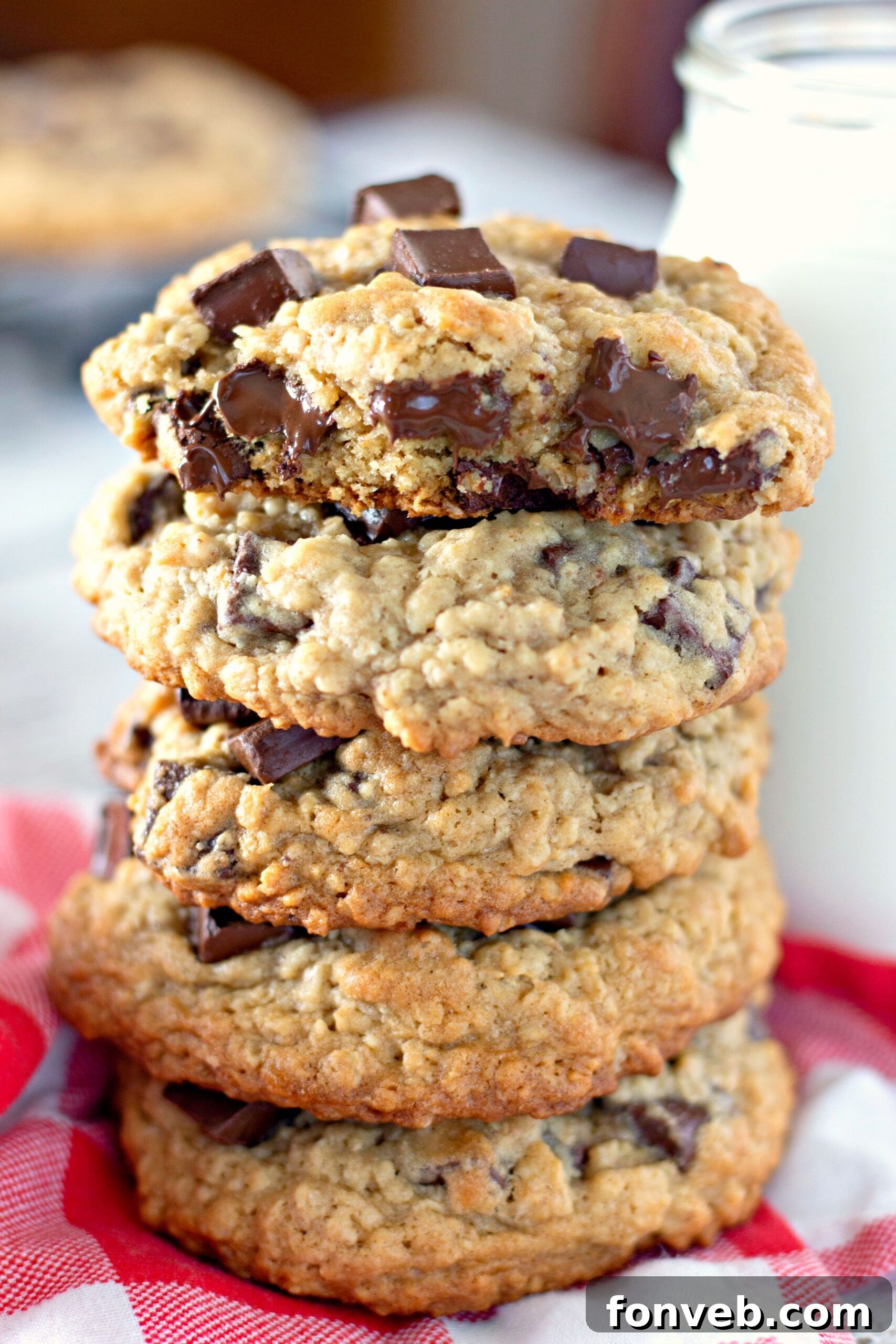
Oatmeal Chocolate Chip Cookies – A must-try for any oatmeal cookie enthusiast! These robust cookies are packed with large, satisfying chunks of sweet chocolate in every single bite, offering a comforting and profoundly flavorful experience.
We hope these comprehensive tips empower you to bake the perfect batch of cookies every time, free from the frustration of excessive spreading. Do you have any go-to recommendations or unique tricks for preventing cookies from spreading? We’d love to hear them! Share your wisdom in the comments below and help fellow bakers achieve their cookie goals.