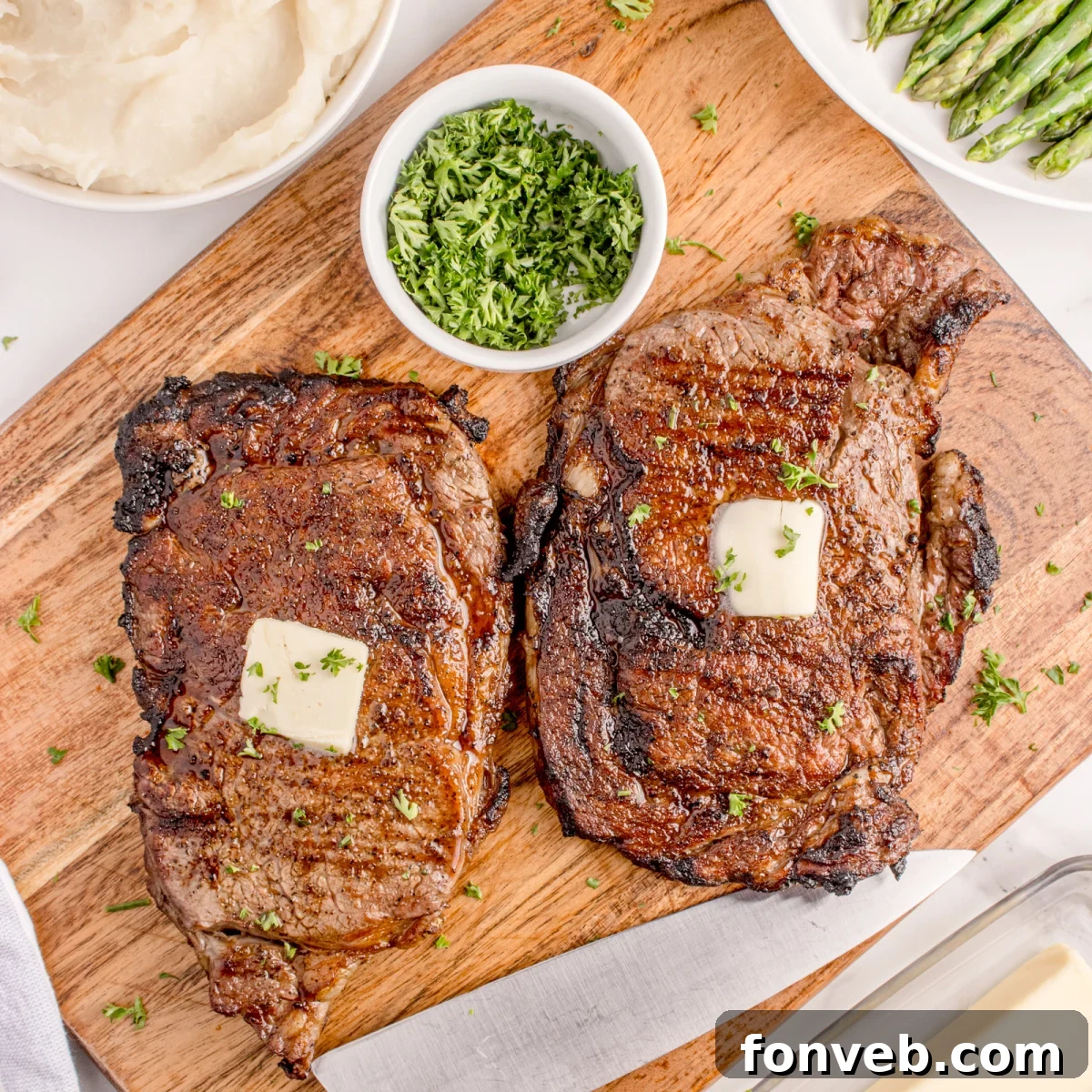
There’s an undeniable allure to grilling a magnificent, Steakhouse Style thick-cut ribeye steak that perfectly encapsulates the spirit of summer. For us, it’s a weekly ritual, especially when fired up on our XL Big Green Egg. This recipe for the Perfect Grilled Ribeye Steak brings all the coveted elements of a classic steakhouse dinner right to your backyard, making it incredibly accessible for any home cook. With a mere handful of quality ingredients and a straightforward, foolproof method, you’ll consistently achieve tender, explosively flavorful, and impeccably seared ribeyes.
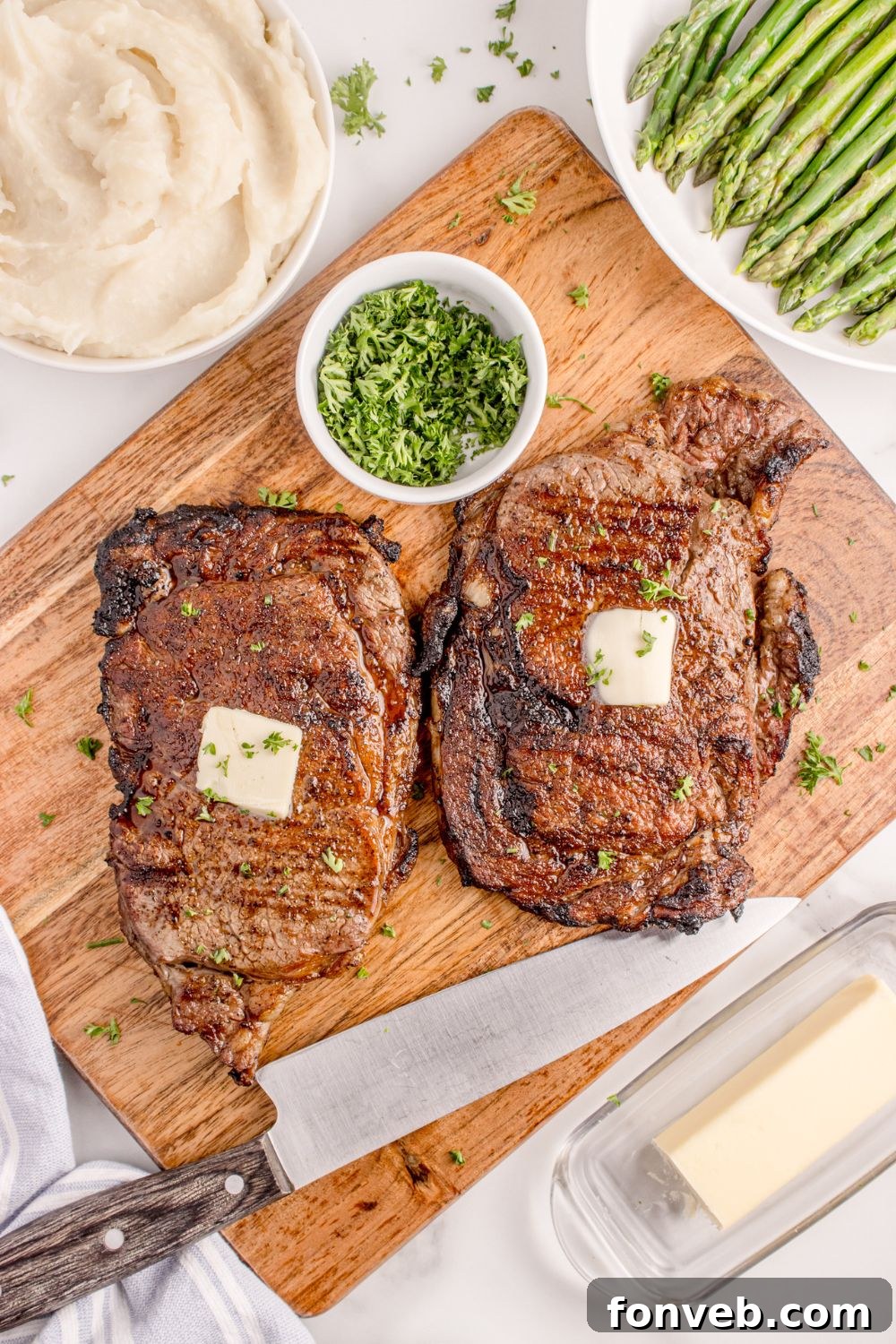
Whether you’re orchestrating an impressive backyard barbecue, planning a romantic culinary experience, or simply craving that distinctive flame-kissed flavor and juicy tenderness, this recipe is destined to become a staple in your grilling repertoire. It’s not just simple; it’s robustly reliable and consistently delivers exceptional results, transforming ordinary meals into extraordinary dining events.
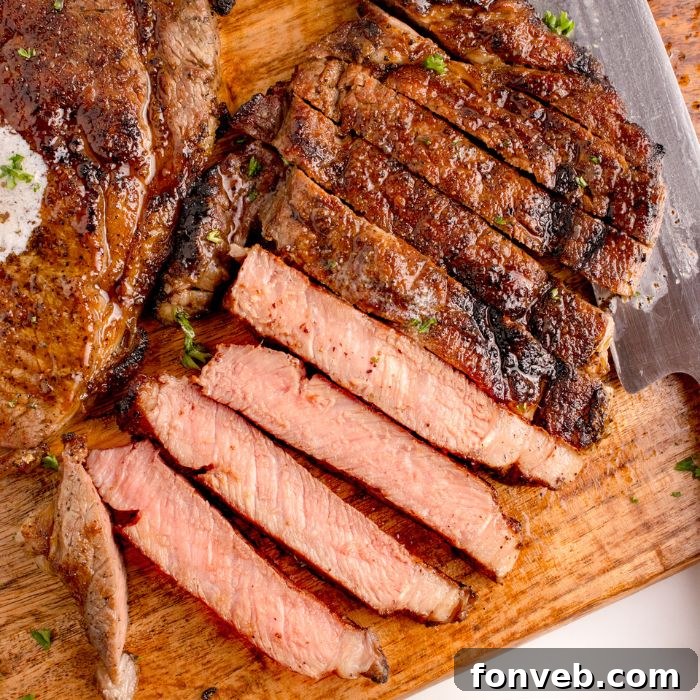
What Makes a Perfect Grilled Ribeye Steak?
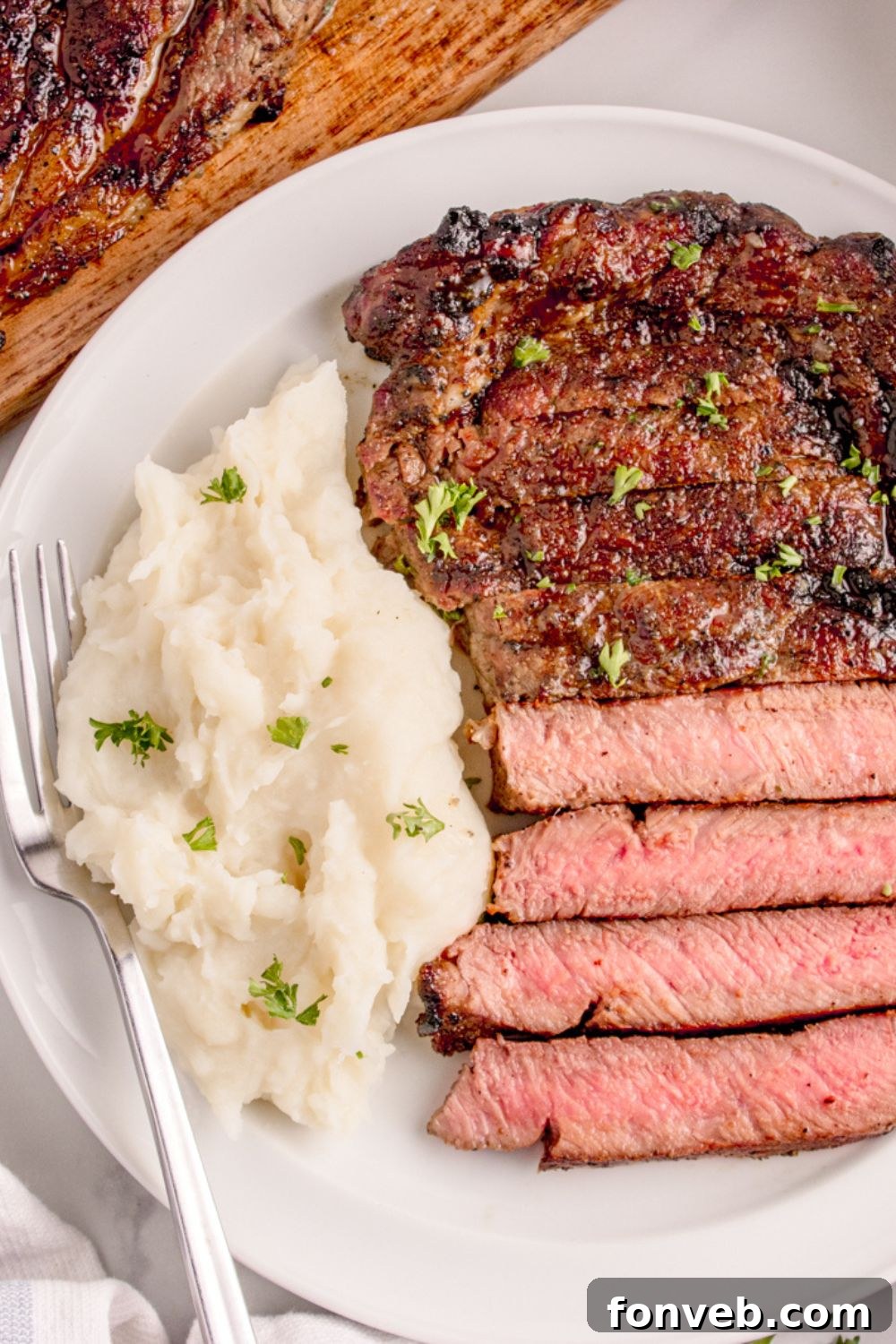
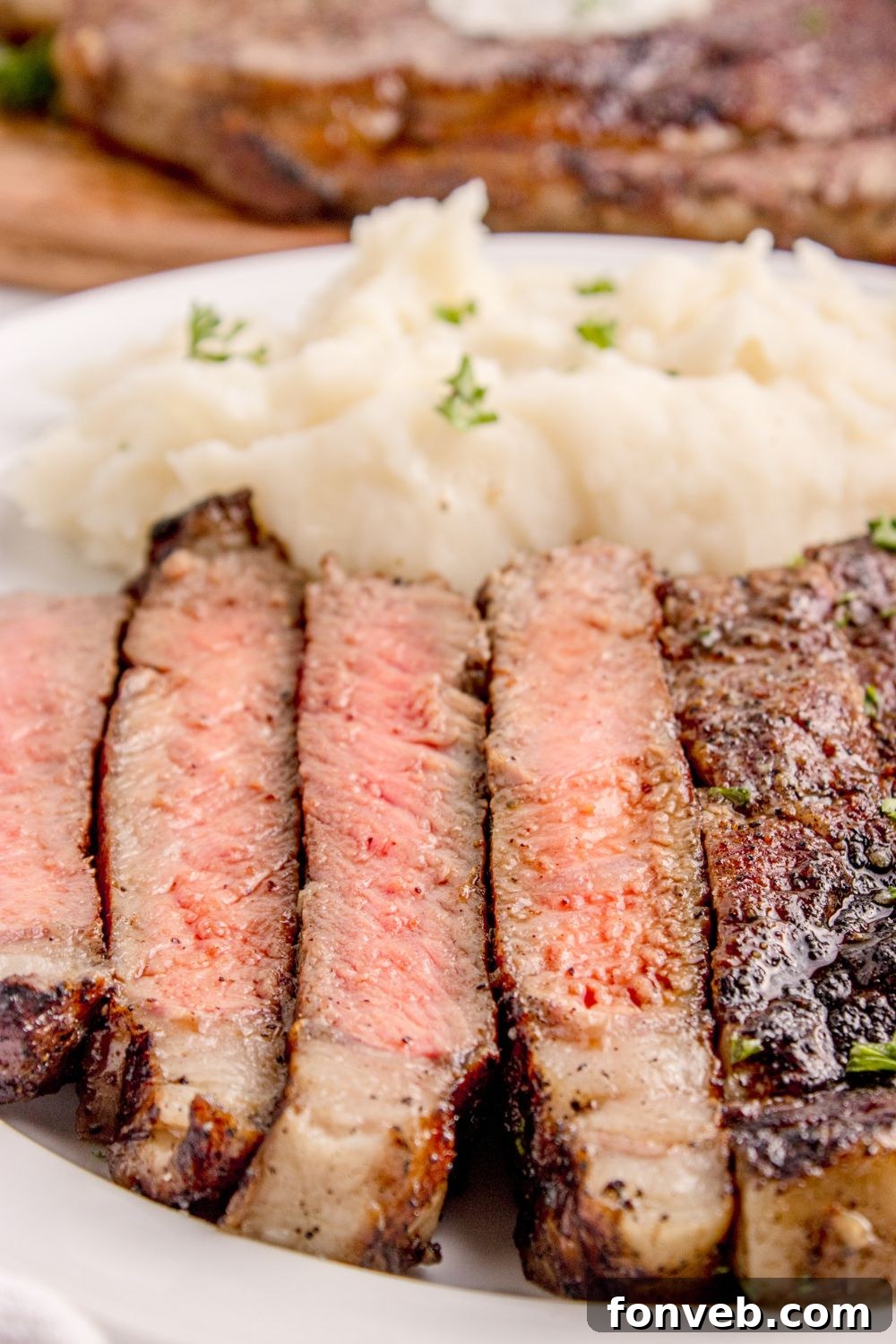
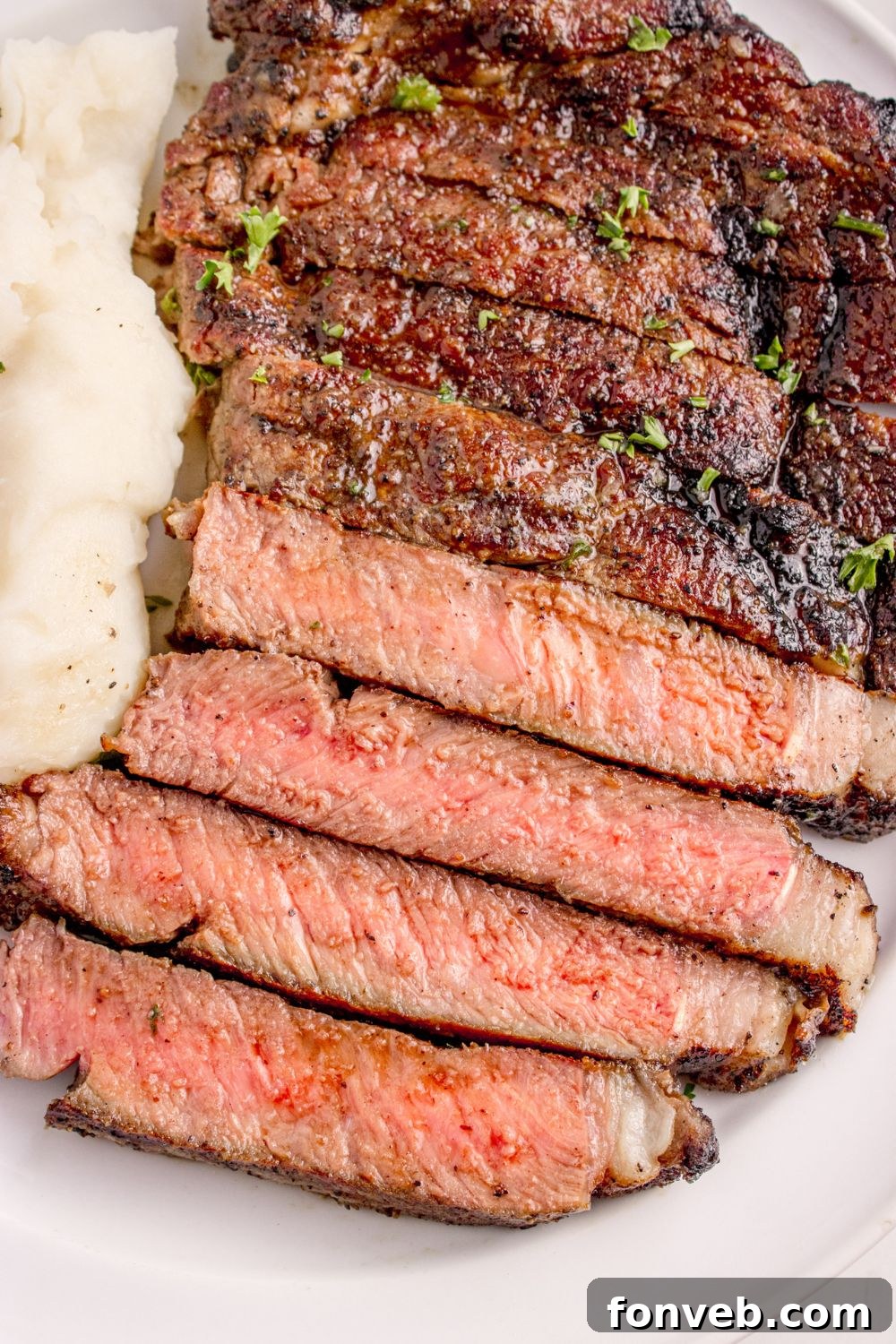
A grilled ribeye steak represents the pinnacle of beef cuts for many connoisseurs. Known for its rich marbling – those exquisite white streaks of fat interspersed throughout the muscle – and inherent juiciness, the ribeye comes from the rib section of the cow. This particular cut is highly prized for its impeccable balance of fat and meat, a characteristic that makes it uniquely suited for high-heat cooking methods like grilling. The fat renders down during cooking, basting the meat from within and imparting an unparalleled depth of flavor and succulence.
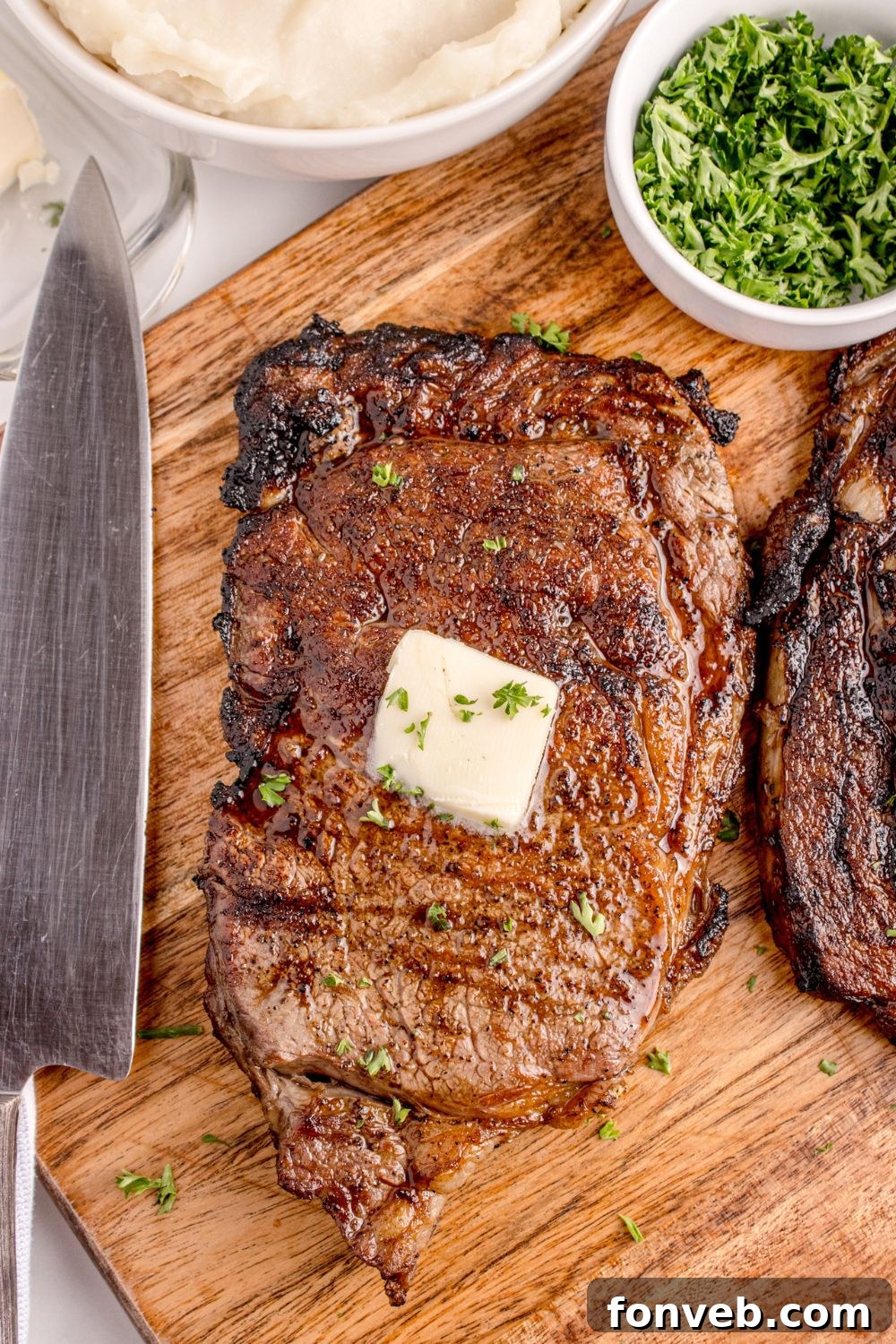
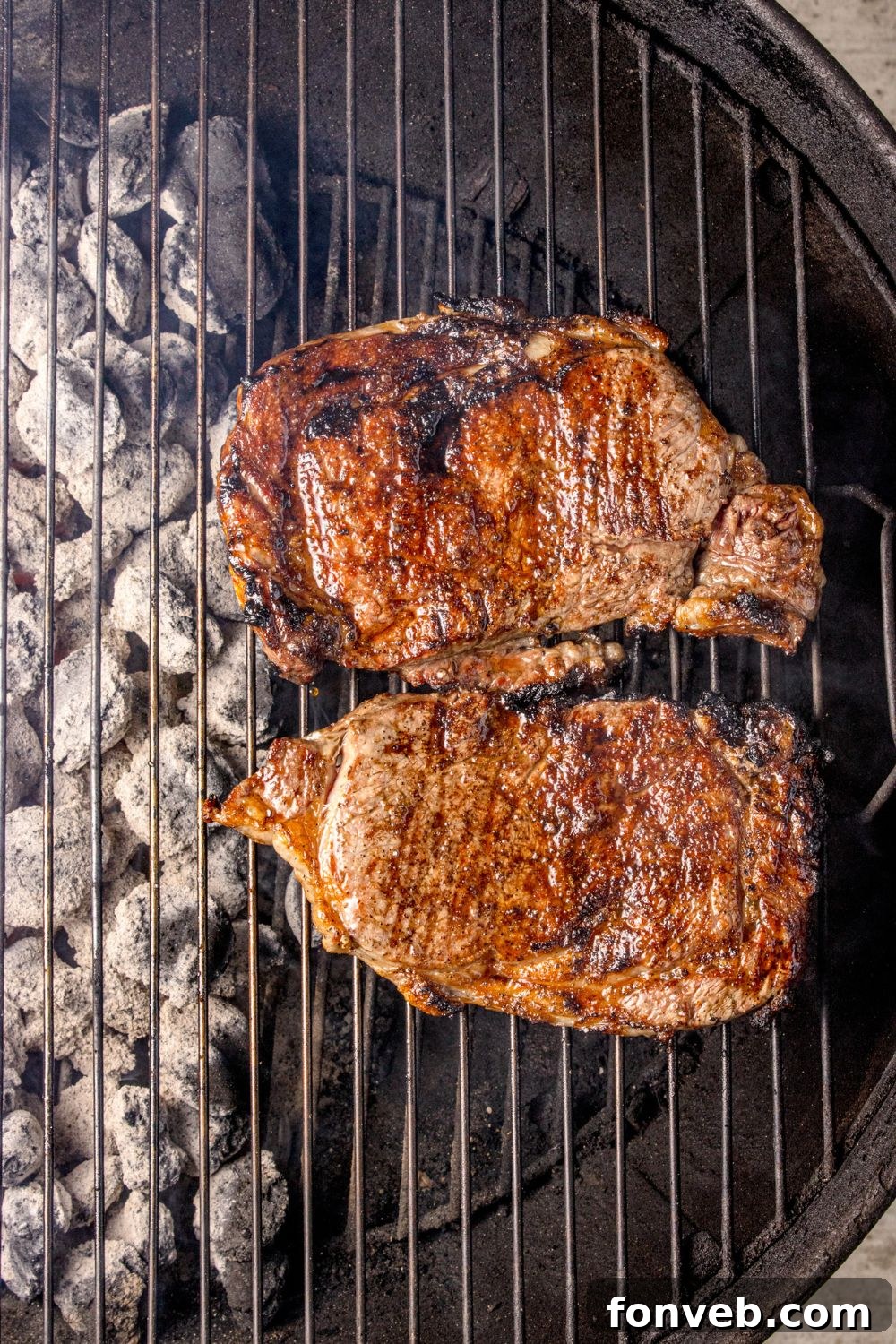
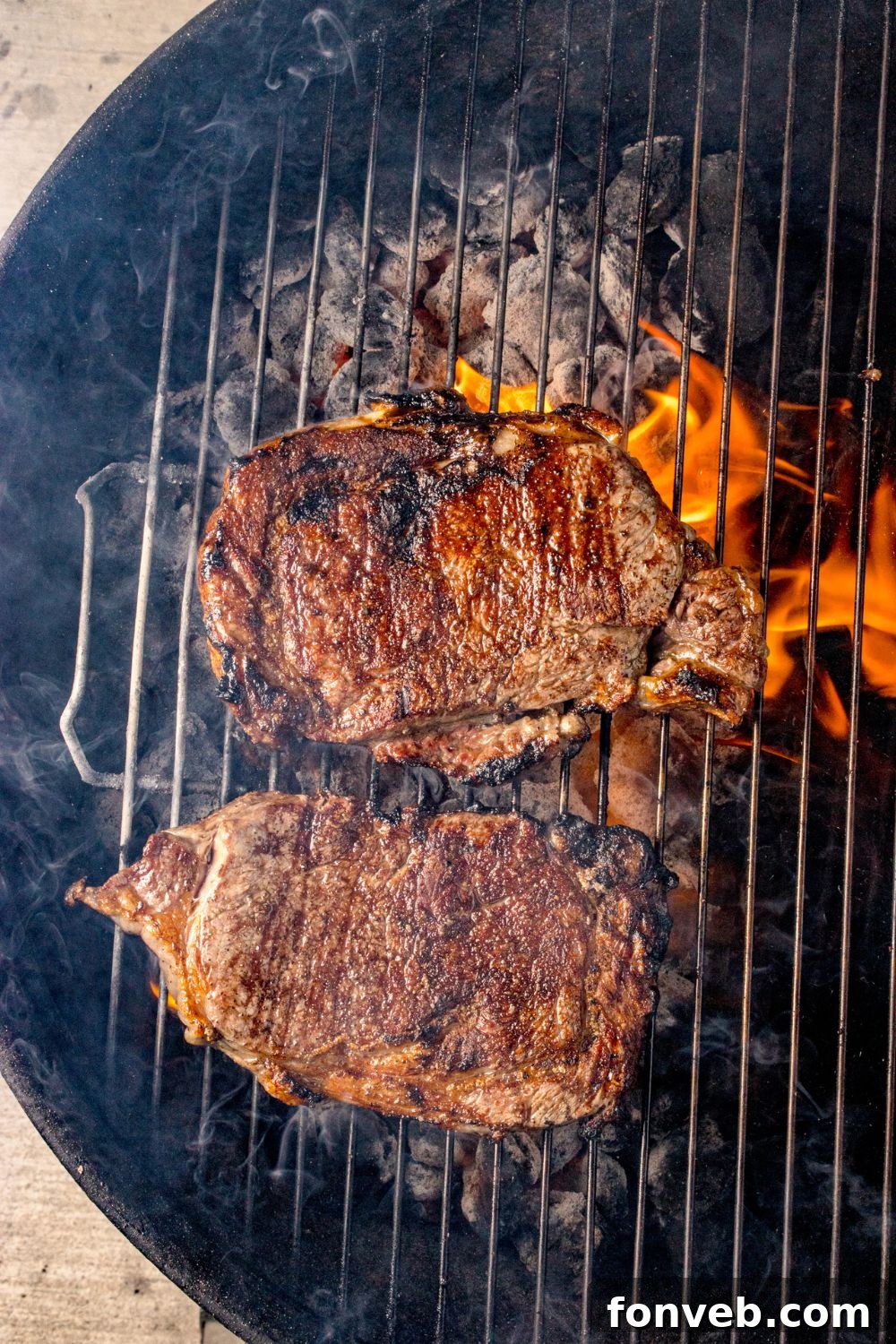
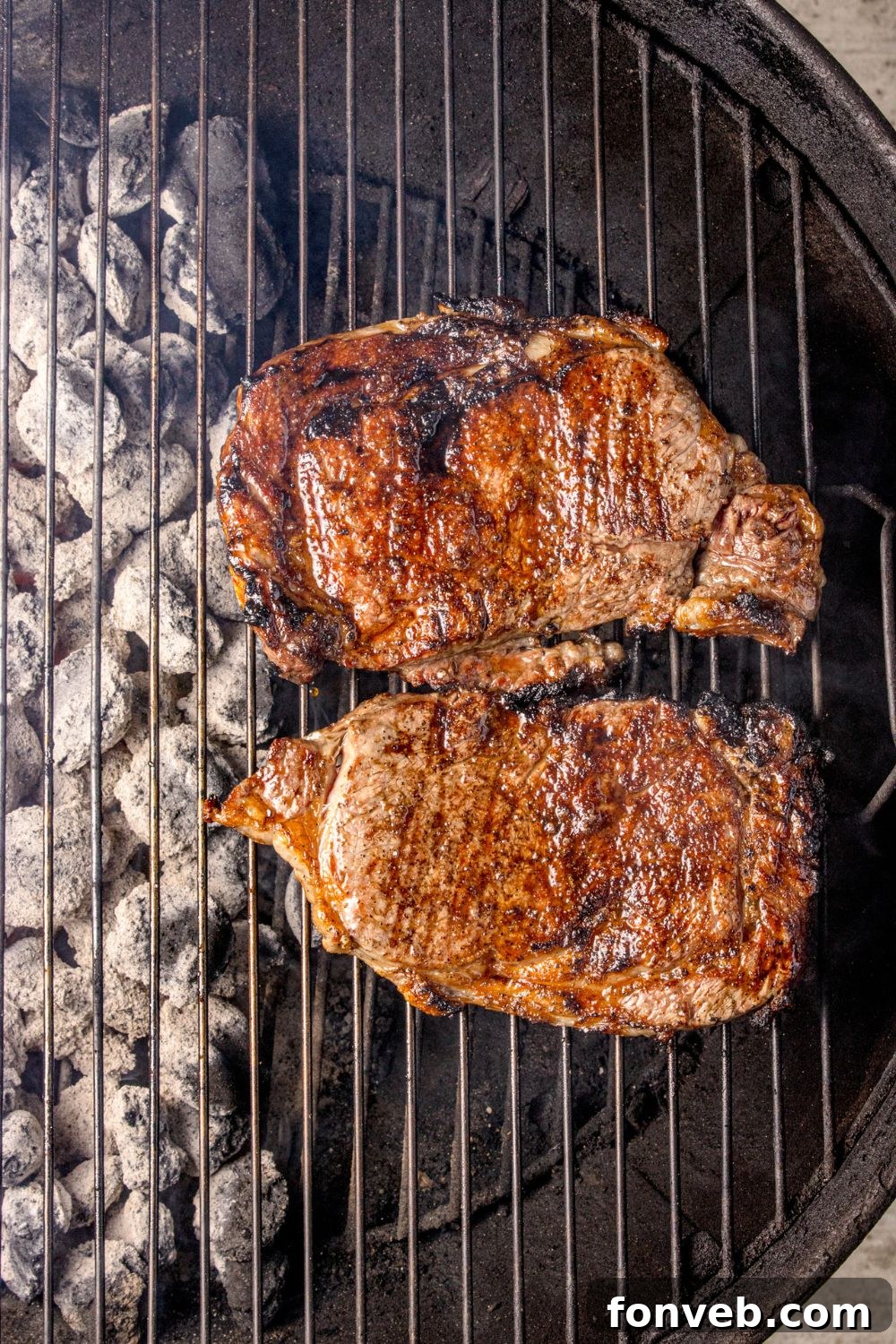
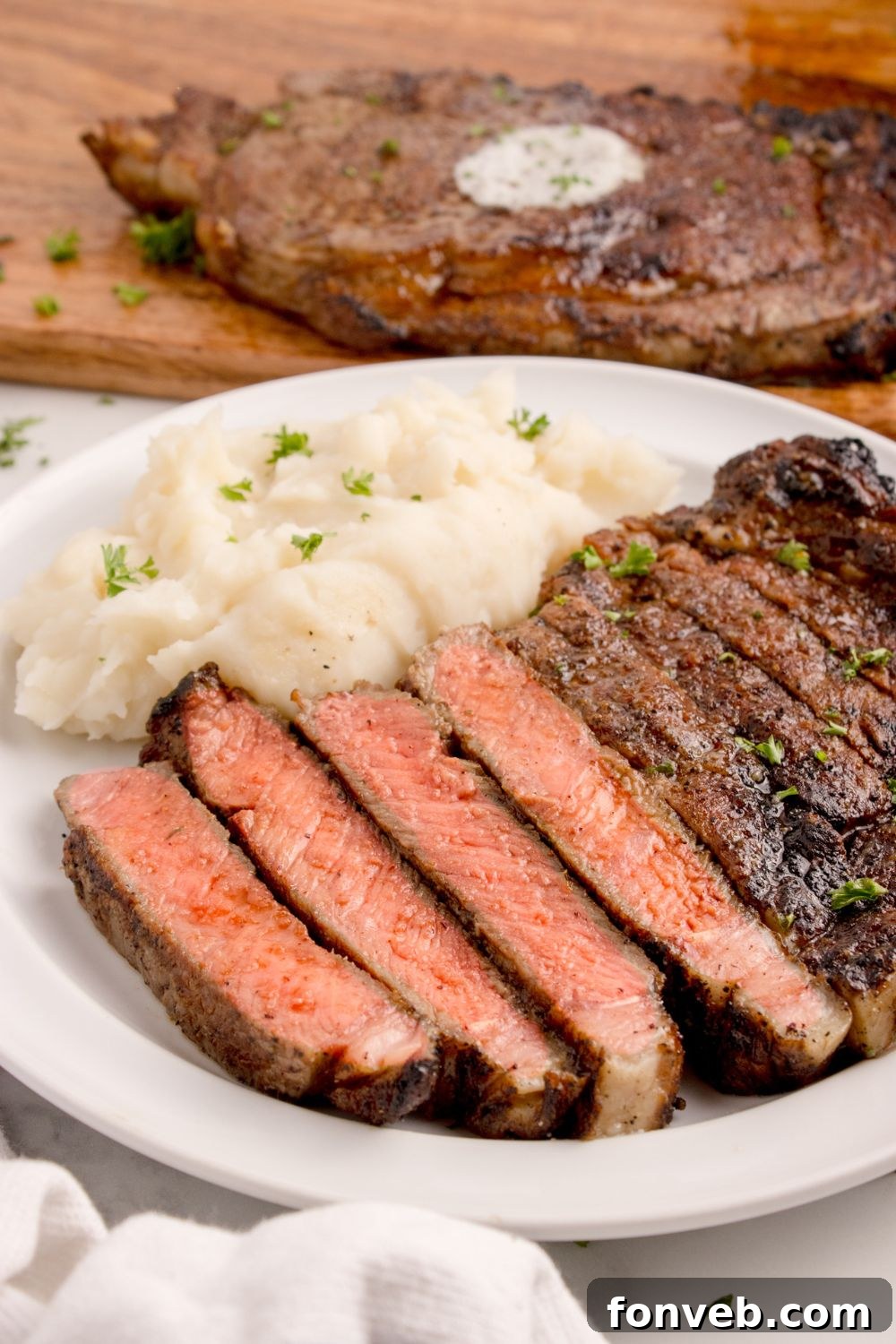
Our method utilizes a smart two-zone grilling technique, which is key to achieving steakhouse-quality results. You’ll use a fiercely hot side to create that irresistible, deeply charred crust and a cooler side to gently finish cooking the steak to your desired internal temperature without burning the exterior. This precision technique ensures a beautiful sear without overcooking the interior, resulting in a tender, pink center. A final touch of rich butter melting over the top as it rests seals in moisture and elevates the flavor profile, giving you restaurant-quality perfection right in your home kitchen.
Ideal Occasions to Serve Grilled Ribeye
A perfectly grilled ribeye is versatile and impressive, making it suitable for a wide range of occasions. Its elevated flavor and presentation never fail to make an impression.
- Date Night at Home: Skip the expensive restaurant. This dish is undeniably impressive, indulgent, and surprisingly easy to execute, creating a memorable dining experience without leaving your house.
- Backyard Cookouts: This succulent steak is a guaranteed crowd-pleaser that elevates any casual gathering, making guests feel truly special and indulged.
- Father’s Day or Birthdays: For celebratory events, this is the meal that signifies an extra-special treat, delivering on flavor and making a statement.
- Summer Weekends: When the weather is fine and you yearn for a meal cooked outdoors, there’s nothing quite like enjoying a juicy ribeye straight off the grill.
- Holiday Feasts: Break away from traditional roasts. A gourmet steak dinner offers a sophisticated and delicious alternative for any holiday table.
Why This Ribeye Recipe Will Become Your Favorite
Discover what makes this grilled ribeye recipe so beloved and why it stands out as the ultimate choice for your next steak night:
- Authentic Steakhouse Flavor at Home: Experience the rich, savory taste and perfectly seared crust you’d expect from a high-end steakhouse, all without the exorbitant price tag or the need to reserve a table.
- Minimal Ingredients, Maximum Taste: Achieve extraordinary flavor with just a few simple, high-quality ingredients. The beauty of a ribeye lies in its natural richness, requiring minimal enhancement to truly shine.
- Highly Adaptable for Any Cook: While grilling offers the best results, this method can be successfully adapted. Cook it on a classic charcoal grill, a convenient gas grill, a trusty cast iron skillet on the stovetop, or even in an air fryer, ensuring a perfect steak no matter your equipment.
- Quick Cooking Time: This recipe is perfect for busy weeknights or impatient appetites, requiring less than 15 minutes of actual cooking time on the grill. The quick cook allows for more time enjoying your meal and less time tending the flame.
- Excellent for Meal Prep: Don’t let leftovers go to waste! Cooked ribeye stores exceptionally well and reheats beautifully, making it ideal for incorporating into salads, sandwiches, or other dishes throughout the week.
Essential Ingredient Breakdown for Succulent Ribeye
Creating the perfect grilled ribeye begins with selecting the right ingredients and understanding their role in achieving a truly exceptional steak.
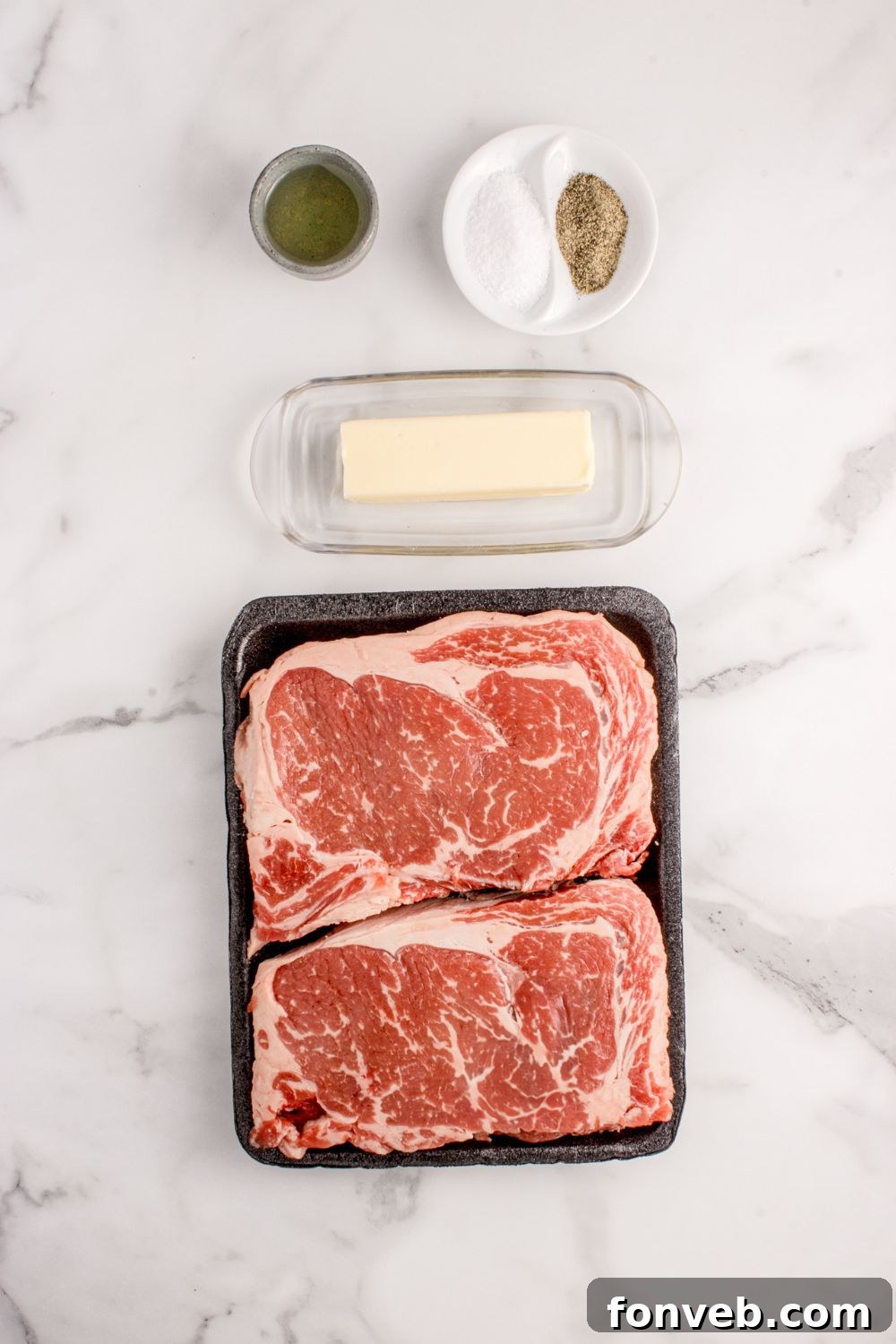
- Ribeye Steaks: The star of the show! Aim for cuts that are consistently 1 to 1½ inches thick. This thickness is crucial for achieving a beautiful sear while still allowing the interior to cook to your desired doneness without drying out. Look for steaks with abundant, even marbling, which indicates a higher fat content and guarantees a juicier, more flavorful result. USDA Prime or Choice grades are recommended for superior quality.
- Olive Oil: A light coating of olive oil serves multiple purposes. It helps to evenly distribute your seasonings, promotes a deep golden-brown crust during searing by enhancing heat transfer, and prevents the steak from sticking to the hot grill grates.
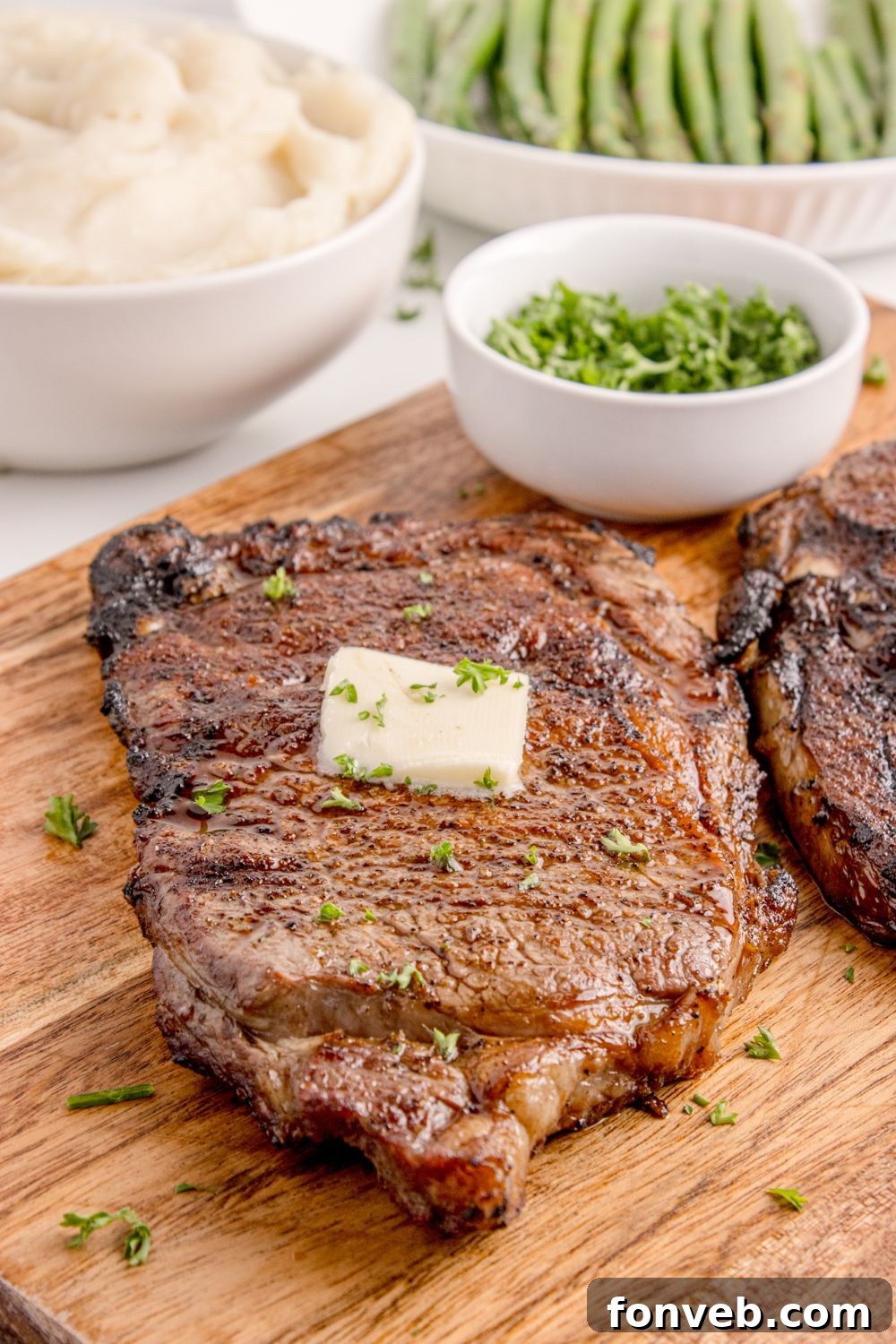
- Butter: This is your secret weapon for a truly luxurious finish. Melting a pat of butter over the hot, rested steak adds an incredible richness and a subtle, creamy undertone that enhances the natural beef flavor. It also contributes to that signature steakhouse sheen.
- Salt and Pepper: These foundational seasonings are more critical than you might think for a ribeye. Don’t be shy – ribeye is a robust cut of meat that can handle, and indeed requires, generous seasoning. Coarse sea salt or kosher salt provides a superior textural crunch and better adheres to the meat, while freshly ground black pepper adds a pungent kick. The salt helps draw out moisture from the surface, aiding in crust formation, while also seasoning the meat deeply.
Optional Flavor Enhancements:
Elevate your grilled ribeye even further with these simple additions:
- Fresh Rosemary or Thyme: Tuck sprigs of these aromatic herbs under the foil while the steak rests. The residual heat will gently warm the herbs, infusing the steak with their earthy, fragrant notes.
- Garlic Butter Compound: Prepare a simple compound butter by mixing softened butter with minced garlic and fresh parsley. Serve a dollop on top of the hot steak for an explosion of garlicky richness.
- A Sprinkle of Finishing Salt: A pinch of flaky finishing salt, like Maldon sea salt, adds a delightful textural contrast and a burst of concentrated salty flavor right before serving.
Essential Equipment for Grilling Ribeye Perfection
Having the right tools makes a significant difference in achieving a perfectly grilled ribeye. These items are indispensable for a smooth and successful grilling experience:
- Gas or Charcoal Grill: The primary tool! Whether you prefer the convenience of a gas grill or the smoky char of a charcoal grill (like our favored XL Big Green Egg), ensure it’s clean and ready for two-zone cooking.
- Meat Thermometer: This is non-negotiable for precision cooking. An instant-read meat thermometer ensures your steak reaches your desired doneness without guesswork, preventing both undercooked and overcooked results.
- Tongs: Long-handled tongs are essential for safely flipping steaks, moving them between heat zones, and generally handling hot meat on the grill.
- Foil: Aluminum foil is used for tenting the steaks during their crucial resting period, helping to retain heat and redistribute juices.
- Grill Brush for Cleaning: A clean grill is a happy grill! A sturdy grill brush helps remove leftover food particles and grime, ensuring even heat distribution and preventing sticking for your next cook.
- Optional: Cast Iron Skillet (if doing stovetop version): For those days you can’t grill, a heavy cast iron skillet is the best alternative, providing excellent heat retention for a fantastic sear.
Key Tips for Ribeye Grilling Success
Mastering the art of grilling ribeye is simple when you follow these expert tips:
- Allow Steaks to Come to Room Temperature: Before cooking, let your steaks sit out on the counter for 30-45 minutes. This crucial step ensures that the meat cooks more evenly from edge to center, leading to a consistent doneness and a better sear. Cold steaks hitting a hot grill can lead to an overcooked exterior and a raw interior.
- Sear Hot and Fast, Then Move to the Cool Side: Employ the two-zone grilling method effectively. Start your ribeye on the hottest part of the grill to develop a beautiful, deep brown crust (the Maillard reaction). After searing for a few minutes per side, transfer the steaks to the cooler, indirect heat zone to finish cooking gently, preventing the exterior from burning while the interior reaches perfection.
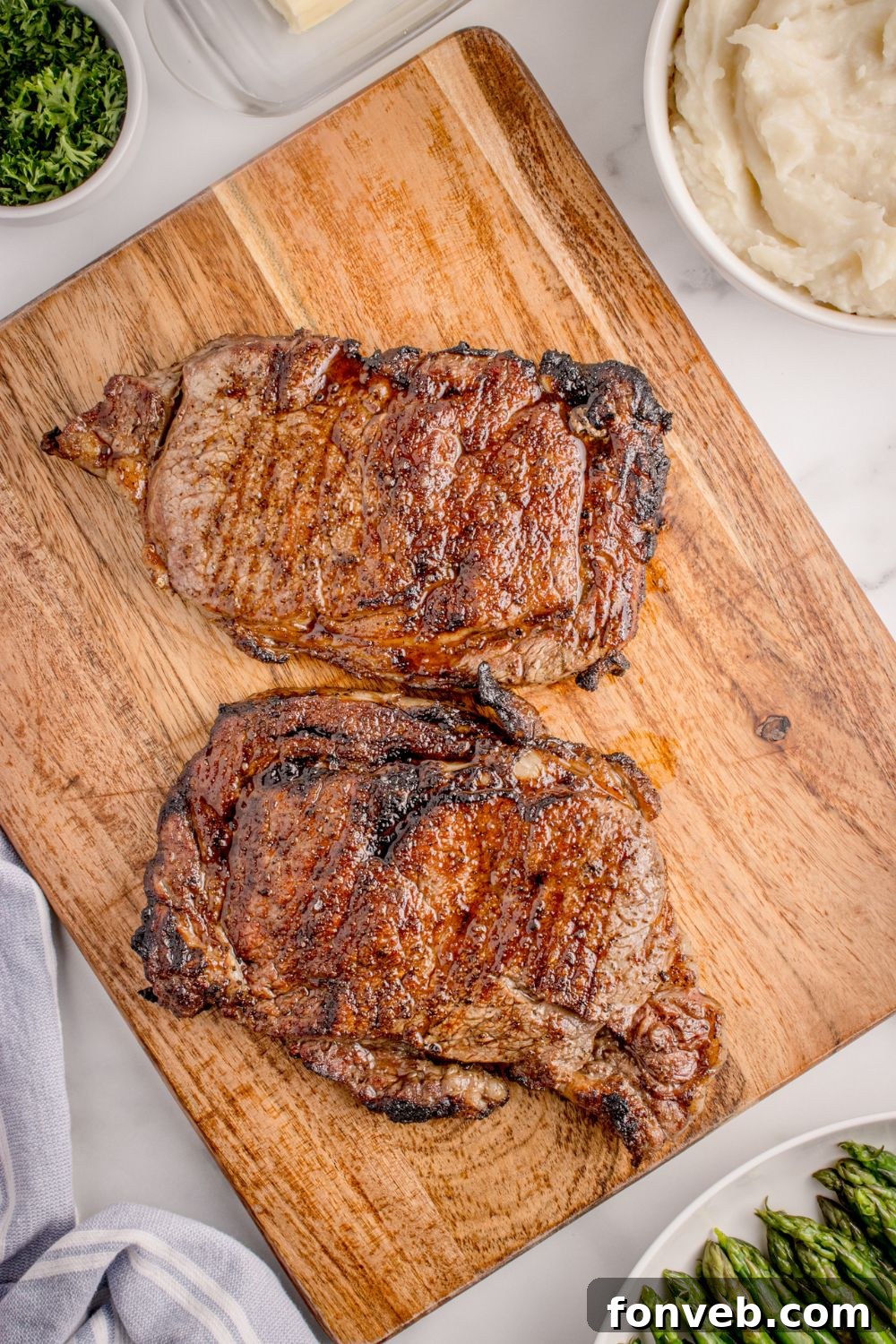
- Rest Under Foil for 5-10 Minutes: This is arguably the most important step for a juicy steak. After removing the steak from the grill, tent it loosely with foil. During this resting period, the muscle fibers relax, allowing the juices that have migrated to the center during cooking to redistribute evenly throughout the meat. Skipping this step results in juices running out onto your cutting board, leading to a drier steak.
- Always Use a Meat Thermometer: For absolute precision and confidence in your results, an instant-read meat thermometer is your best friend. Relying on touch alone can be deceptive, especially for beginners. Knowing the exact internal temperature guarantees your steak is cooked exactly to your preference, every single time.
Beginner Mistakes to Avoid for Perfect Ribeye
Even seasoned grillers can make errors, but these common pitfalls are easily avoided for a consistently superb grilled ribeye:
- Skipping the Rest Time: As mentioned, this is critical. Cutting into your steak immediately after grilling will cause all the delicious, flavorful juices to escape onto your cutting board, leaving you with a dry, less satisfying steak, regardless of how perfectly it was cooked. Patience is a virtue here!
- Not Drying the Meat Thoroughly: Before applying oil and seasoning, always pat your steaks completely dry with paper towels. Moisture on the surface of the meat will steam rather than sear, preventing the formation of that coveted crispy, caramelized crust. A dry surface is essential for the Maillard reaction.
- Underseasoning: Ribeye is a bold, rich cut of beef with a significant fat content. It needs and can handle a generous amount of seasoning. Be liberal with your salt and freshly ground black pepper. Don’t just sprinkle; ensure a good, even coating on all sides for maximum flavor penetration.
- Cutting Too Soon: This goes hand-in-hand with skipping the rest time. Resist the urge to slice into your beautiful steak until it has had its full resting period. This allows the internal temperature to stabilize and the juices to redistribute, ensuring every bite is tender and succulent.
- Cooking from Cold: Pulling steaks directly from the refrigerator and placing them on a hot grill will result in uneven cooking. The outside will cook much faster than the inside, often leading to a gray band of overcooked meat on the exterior and a cold, sometimes raw, center. Allow steaks to warm up to room temperature for at least 30 minutes (and up to an hour for thicker cuts) before grilling.
Choosing the Right Ribeye Cut at the Store
When you’re at the butcher counter or grocery store, knowing what to look for can significantly impact the quality of your grilled ribeye. Prioritize cuts that are at least 1 to 1½ inches thick; this thickness is ideal for achieving a good sear while maintaining a juicy interior. The most crucial visual cue is abundant marbling – those fine, white streaks and flecks of intramuscular fat. This marbling is what melts during cooking, infusing the meat with incredible flavor, moisture, and tenderness. For the best quality, try to find a USDA Prime or Choice grade ribeye, as these classifications indicate higher levels of marbling and overall quality. When it comes to bone-in versus boneless, both work beautifully. Bone-in ribeyes (often called Cowboy steaks) tend to offer a slightly richer flavor due to the bone’s presence and provide an impressive presentation. Boneless ribeyes, on the other hand, typically cook a bit more evenly and quickly.
Protein Swaps & Dietary Adjustments
While ribeye is a phenomenal choice, this grilling method is quite adaptable. Not a ribeye enthusiast, or looking for something different? You can easily substitute other thick-cut steaks like a New York strip, a leaner filet mignon, or even a robust sirloin steak, using the exact same two-zone grilling technique. Just be mindful of their varying fat contents, which will affect cooking times. For those seeking a leaner protein option, consider bison or venison steaks. When cooking these, closely monitor their internal temperature, as their lower fat content means they tend to cook faster and can dry out if overcooked. If you’re aiming to keep your meal dairy-free, simply omit the butter finish or opt for a plant-based butter alternative. This ribeye steak recipe inherently fits perfectly into keto or low-carb diets, especially when thoughtfully paired with delicious roasted vegetables, a creamy cauliflower mash, or a crisp green salad.
Make-Ahead & Freezing Tips for Convenience
Prepare ahead to make your grilling experience even smoother, or save leftovers for future meals:
- Make-Ahead Rubs or Marinades: You can apply dry rubs or prepare liquid marinades well in advance. Store prepared rubs in an airtight container at room temperature for several weeks. Marinated steaks can be kept in the refrigerator for up to 1 week, allowing the flavors to penetrate deeply.
- Freeze Raw Ribeye Steaks: To preserve raw steaks, wrap each individually in plastic wrap, then place them together in a freezer-safe bag, pressing out as much air as possible. Label with the date. They can be frozen for up to 6 months. Thaw frozen steaks in the refrigerator overnight before cooking to ensure even thawing.
- Freeze Cooked Steak: Cooked ribeye can be stored in an airtight container in the refrigerator for up to 3 days. For longer storage, freeze sliced or whole cooked steak for up to 2 months. Slicing the steak before freezing often makes reheating easier and more uniform, preventing the steak from becoming tough.
Creative Meal Prep & Leftover Ribeye Ideas
Don’t let any precious leftover ribeye go to waste! These ideas transform cooked steak into exciting new meals:
- Leftovers on Salad: Thinly slice cold leftover ribeye and toss it into a vibrant steak salad. Pair with crisp greens, crumbled blue cheese, cherry tomatoes, and a tangy balsamic vinaigrette for a satisfying and healthy lunch.
- Gourmet Steak Sandwiches: Create an elevated sandwich experience. Layer thinly sliced steak on toasted artisan rolls with melted provolone or Swiss cheese, caramelized onions, and a touch of horseradish cream for an irresistible bite.
- Savory Steak Quesadillas: Cube or shred leftover steak and layer it with sautéed bell peppers, onions, and plenty of shredded Monterey Jack or cheddar cheese between tortillas. Grill until golden and cheesy for a quick and flavorful meal.
- Hearty Breakfast Hash: Dice leftover steak and combine it with crispy roasted potatoes, onions, and bell peppers. Top with a fried egg for a deliciously rich and satisfying breakfast or brunch.
Alternative Cooking Methods for Ribeye
No grill? No problem! You can still achieve a fantastic ribeye using other popular kitchen appliances:
Air Fryer Option
For a quick and convenient method, the air fryer can produce surprisingly good results with a nice sear:
- Preheat your air fryer to 400°F (200°C) for at least 5 minutes to ensure it’s hot enough for searing.
- Ensure your steak is at room temperature, pat it dry, and then season generously with salt, pepper, and a light brush of olive oil.
- Place the seasoned steak in the air fryer basket in a single layer, ensuring not to overcrowd it. Cook for 8–10 minutes, flipping the steak halfway through.
- Always use a meat thermometer to check for your desired doneness (refer to the temperature guide below).
- Remove the steak, top with a pat of butter, and let it rest tented with foil for 5-10 minutes before slicing.
Skillet Option (Cast Iron Recommended)
A heavy cast iron skillet is excellent for achieving a deep, even sear that rivals the grill:
- Place a cast iron skillet over high heat on your stovetop and allow it to heat up for several minutes until it’s smoking slightly. This intense heat is crucial for a proper sear.
- Add a tablespoon of high-smoke-point oil (like avocado or grapeseed) to the hot skillet, ensuring it coats the bottom. Place the seasoned, room-temperature steaks in the skillet.
- Sear the steaks for 2–3 minutes per side until a rich, dark crust forms.
- For thicker steaks, reduce the heat to medium-low, add 1-2 tablespoons of butter (and optionally some garlic cloves or herb sprigs), and begin basting the steaks by tilting the pan and spooning the melted butter over them as they finish cooking to your desired doneness.
- Remove the steaks from the skillet, tent with foil, and let them rest for 5-10 minutes before slicing against the grain.
Perfect Side Dishes to Serve with Grilled Ribeye Steaks
To truly complete your steakhouse-at-home experience, pair your grilled ribeye with these complementary sides that balance its richness and enhance the overall meal:
- Crockpot Bourbon Brown Sugar Baked Beans: The sweet and savory notes of these beans perfectly complement the beef.
- Homemade Sourdough Bread: A crusty loaf is ideal for soaking up any delicious juices.
- Homemade Deep Fried Onion Rings: Crispy, savory onion rings add a delightful crunch and classic pairing.
- Crockpot Caramelized Onions: Sweet, slow-cooked onions are a fantastic topping for grilled steak.
- Best Ever Baked Macaroni & Cheese: A creamy, comforting classic that’s always a hit alongside steak.
Don’t forget dessert: Conclude your feast with a slice of Strawberry Coffee Cake for a perfectly sweet and light finish.
Budget Breakdown: Steakhouse Quality, Home Prices
| Ingredient | Approx. Cost |
|---|---|
| 2 Ribeye steaks | $24.00 |
| Olive oil (2 tbsp) | $0.40 |
| Butter (2 tbsp) | $0.30 |
| Salt & pepper | $0.10 |
| Total | $24.80 |
Please note that prices are approximate and will vary significantly depending on your store, location, and the grade of ribeye purchased. While ribeye is considered a premium cut, preparing it at home is still considerably more economical than purchasing two comparable steakhouse meals, offering incredible value for a gourmet experience.
Frequently Asked Questions About Grilling Ribeye
Here are some common questions and essential answers to help you perfect your grilled ribeye:
What’s the best temperature for medium-rare ribeye?
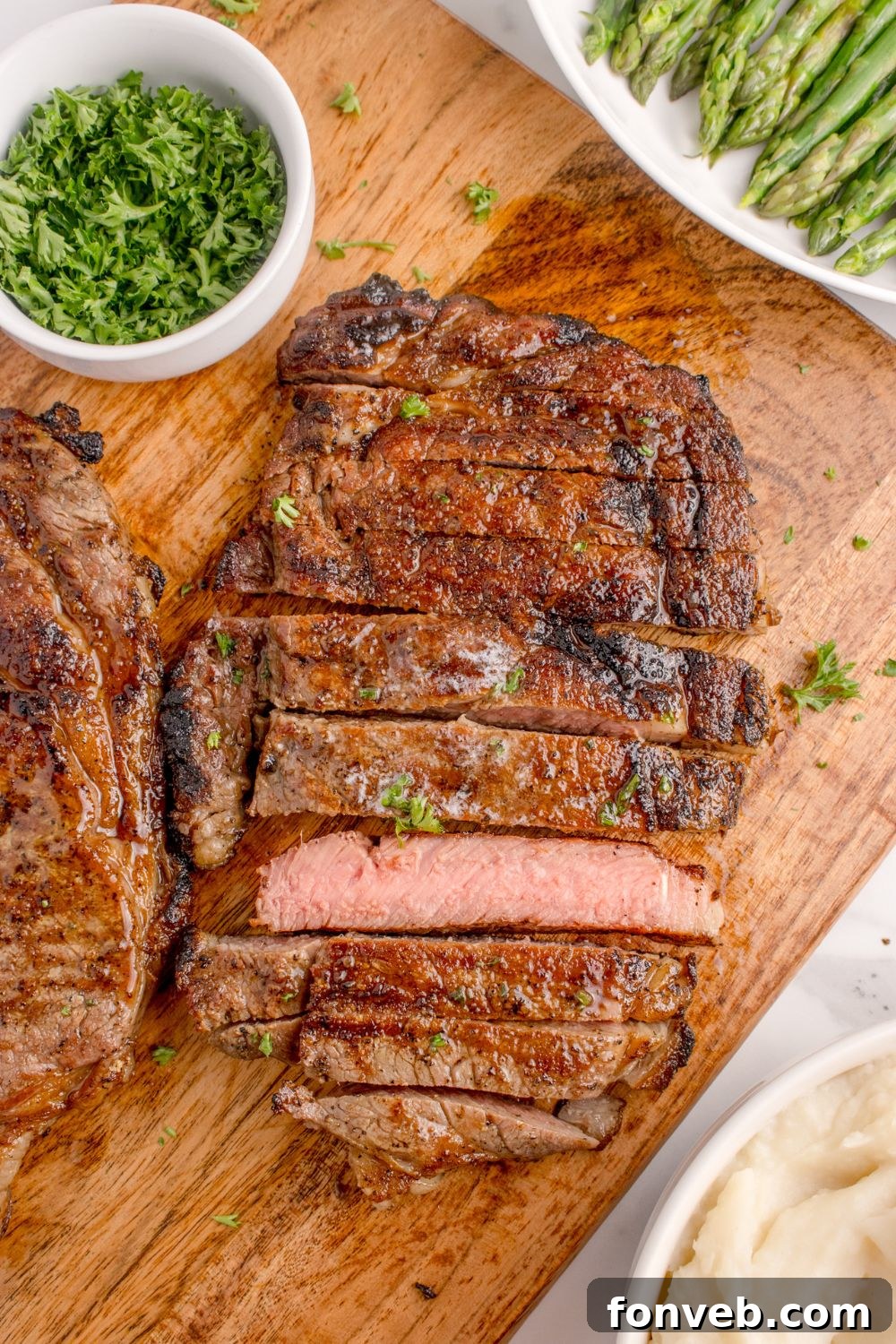
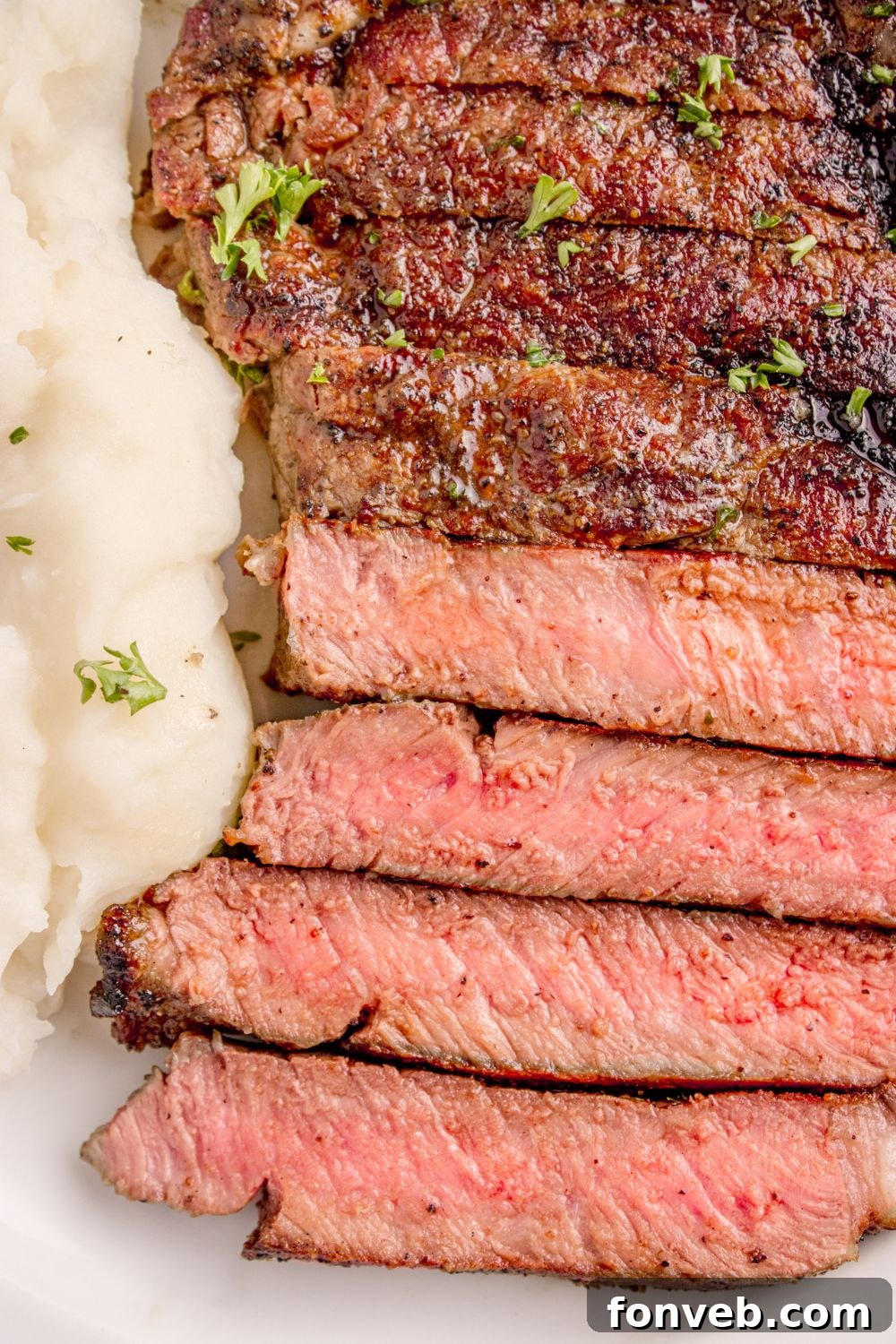
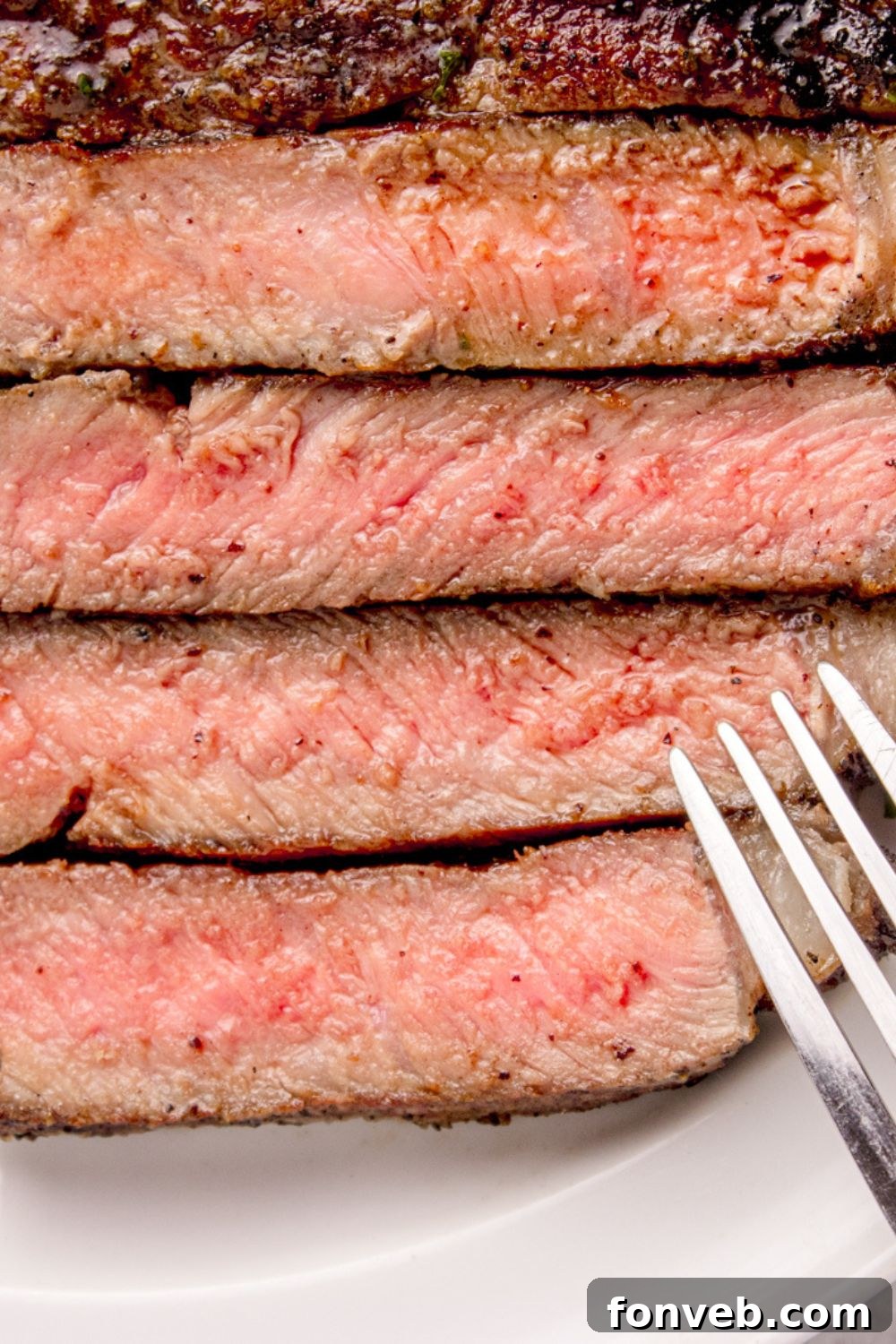
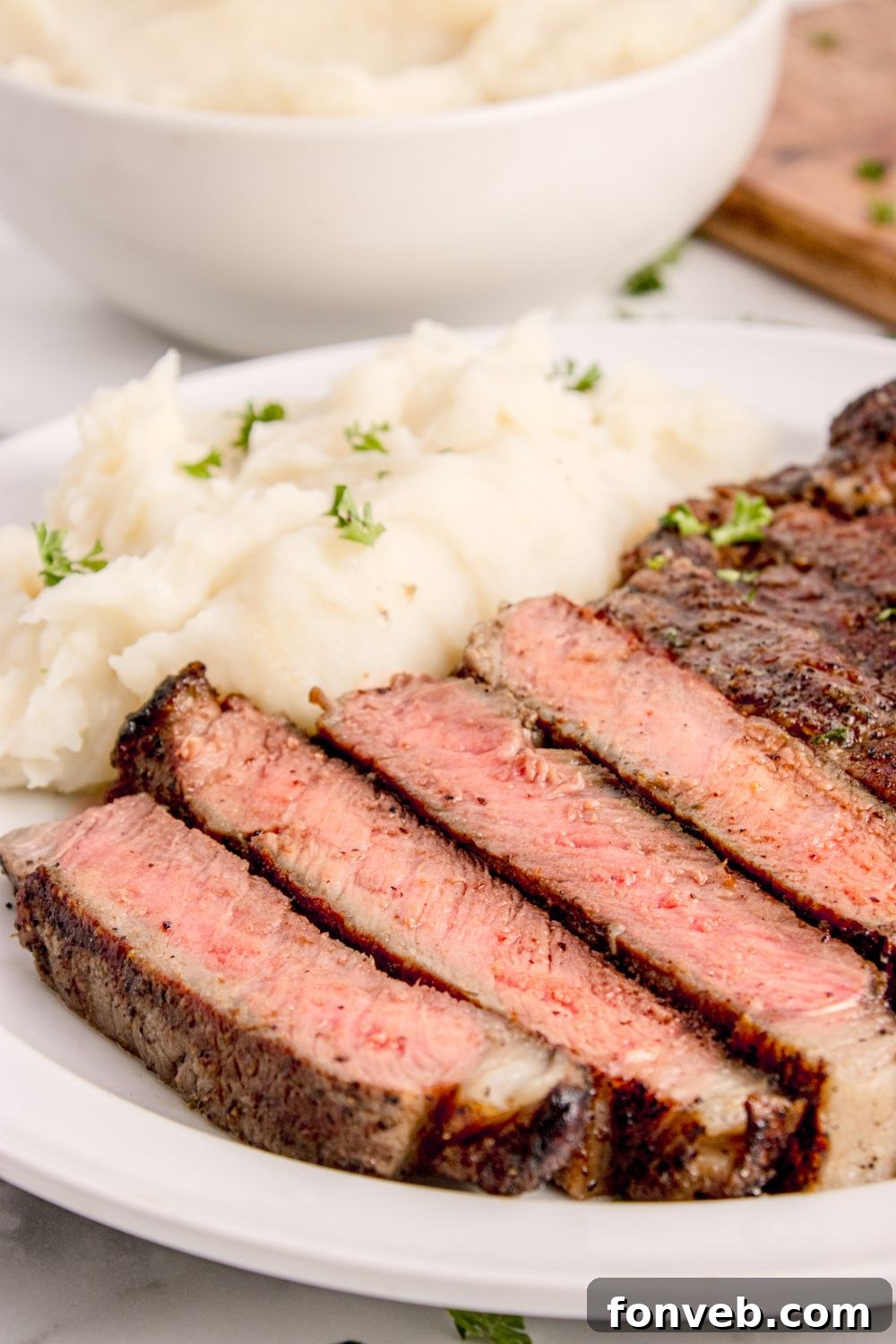
For a perfect medium-rare, aim to pull your ribeye off the grill when its internal temperature reaches 125–130°F (52–54°C). Remember that the steak will continue to cook and rise by about 5°F (3°C) as it rests, so account for this carryover cooking.
Can I use a marinade instead of dry seasoning?
Absolutely! Marinades can add another layer of flavor and tenderness. When marinating ribeye, keep the ingredients relatively simple to allow the beef’s natural richness to still shine through. A classic combination of olive oil, minced garlic, fresh rosemary, and a touch of black pepper works wonderfully. Marinate for at least 30 minutes, or up to 4 hours in the refrigerator.
Do I need to oil the grill grates?
While brushing the steaks generously with olive oil is usually sufficient to prevent sticking, especially on well-maintained and clean grill grates, you can certainly oil the grates for added insurance. Use a high-smoke-point oil (like avocado or grapeseed) on a paper towel and rub it over the hot grates just before placing the steaks.
Is ribeye better than filet mignon?
This is a matter of personal preference! Ribeye is celebrated for its abundant marbling, which contributes to its rich, bold flavor and incredible juiciness. Filet mignon, on the other hand, is known for its extreme tenderness and buttery, mild flavor, being a very lean cut. If you prefer a robust, beefy flavor with a luscious texture, ribeye is likely your choice. If you prefer extreme tenderness and a delicate taste, go for filet.
Can I make this for a crowd?
Yes, this recipe scales up beautifully for entertaining. For a larger group, utilize a larger grilling surface or cook the steaks in batches. Another excellent option for crowd control is to sear all the steaks on the grill or in a hot cast iron skillet, then transfer them to a 400°F (200°C) oven to finish cooking to your desired doneness. This frees up grill space and allows for more consistent cooking for multiple steaks.
Internal Temperature Guide for Steak Doneness
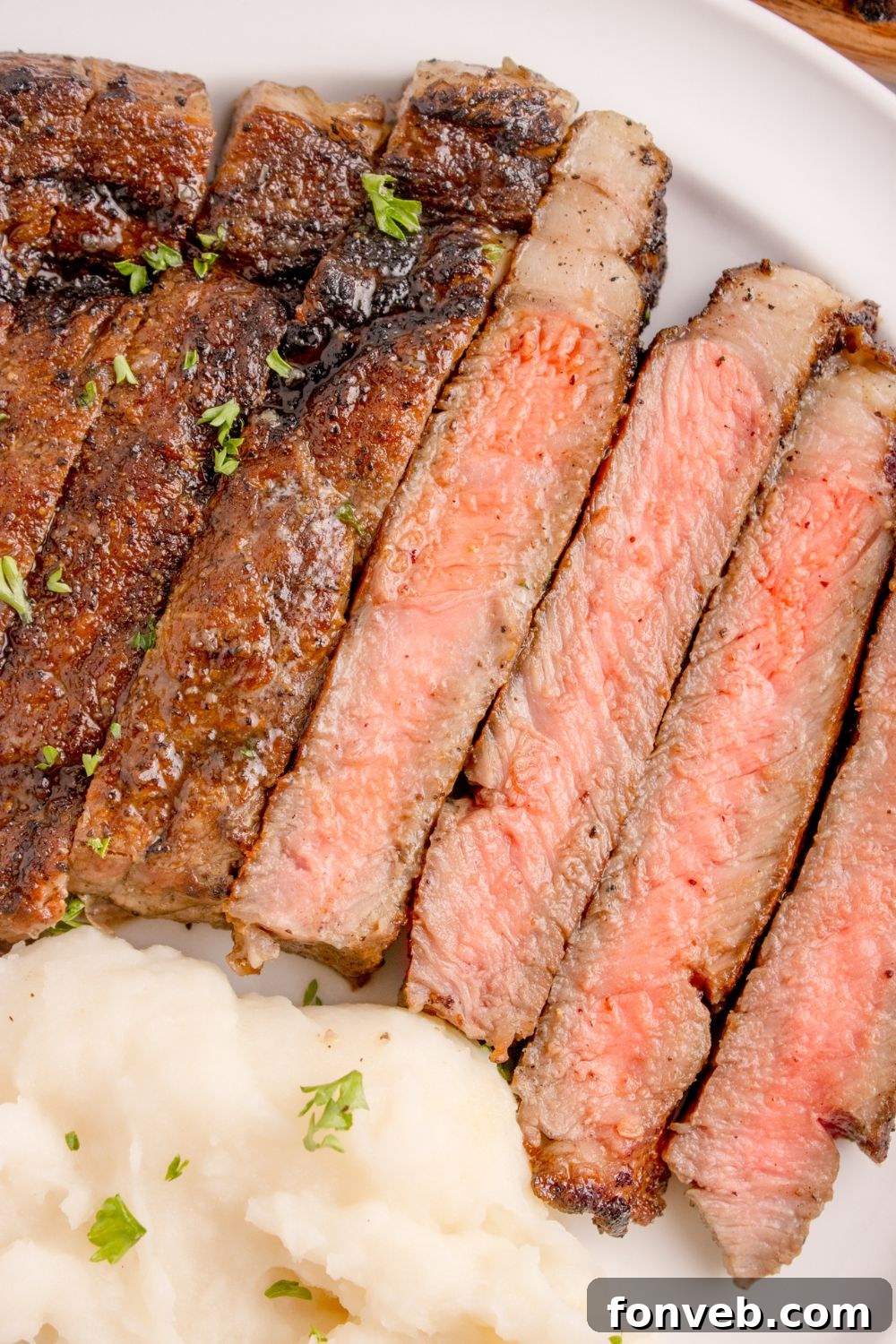
Achieving your preferred steak doneness is easy with a reliable meat thermometer. Here’s a quick guide to internal temperatures:
- Rare: 120–125°F (49–52°C) – Cool red center.
- Medium Rare: 130–135°F (54–57°C) – Warm red center.
- Medium: 140–145°F (60–63°C) – Warm pink center.
- Medium Well: 150–155°F (66–68°C) – Slightly pink center.
- Well Done: 160°F+ (71°C+) – Little to no pink.
Important Note: Always remove your steak from the grill approximately 5–10°F (3–5°C) below your target temperature. This accounts for carryover cooking, where the internal temperature will continue to rise as the steak rests, ensuring it reaches perfect doneness.
Final Thoughts: Your Perfect Ribeye Awaits
These Perfect Grilled Ribeye Steaks are truly one of those unforgettable recipes that you’ll find yourself returning to throughout the grilling season, and even year-round. They are brimming with deep, satisfying flavor, remarkably simple to master, and consistently deliver that coveted steakhouse quality right in the comfort of your own home, without the associated high prices.
In our household, grilling transcends mere cooking; it’s a cherished family affair. On sunny weekends, the vibrant flames of our XL Green Egg become the centerpiece, while the kids joyfully play outside, filling the air with laughter. The irresistible aroma of sizzling ribeye wafts through the air, acting as an magnetic call that draws everyone together to the table. Whether you’re preparing a grand feast for a large crowd or simply treating yourself and your special someone to an exceptional meal, this grilled ribeye recipe is guaranteed to impress and never disappoint. Get ready to create culinary memories that will last a lifetime.
More Tasty Grilling Recipes to Explore
Expand your grilling repertoire with these other delicious recipes:
- Grilled Pork Tenderloin
- Cajun Grilled Shrimp
- Grilled Chicken Thighs
- Juicy Grilled Pineapple
Grilled Ribeye Steaks
Course: Main Course
Prep Time: 10 mins
Cook Time: 15 mins
Total Time: 1 hr 10 mins
Servings: 2 servings
Learn how to make perfect, easy grilled ribeye steaks on your grill this week. The ultimate steak recipe that is loaded with flavor, yielding juicy, tender steak each and every time.
Ingredients
- 2 ribeye steaks, 1–1½ inches thick, at room temperature
- 2 tbsp olive oil
- 2 tbsp butter
- Salt and black pepper to taste
Instructions
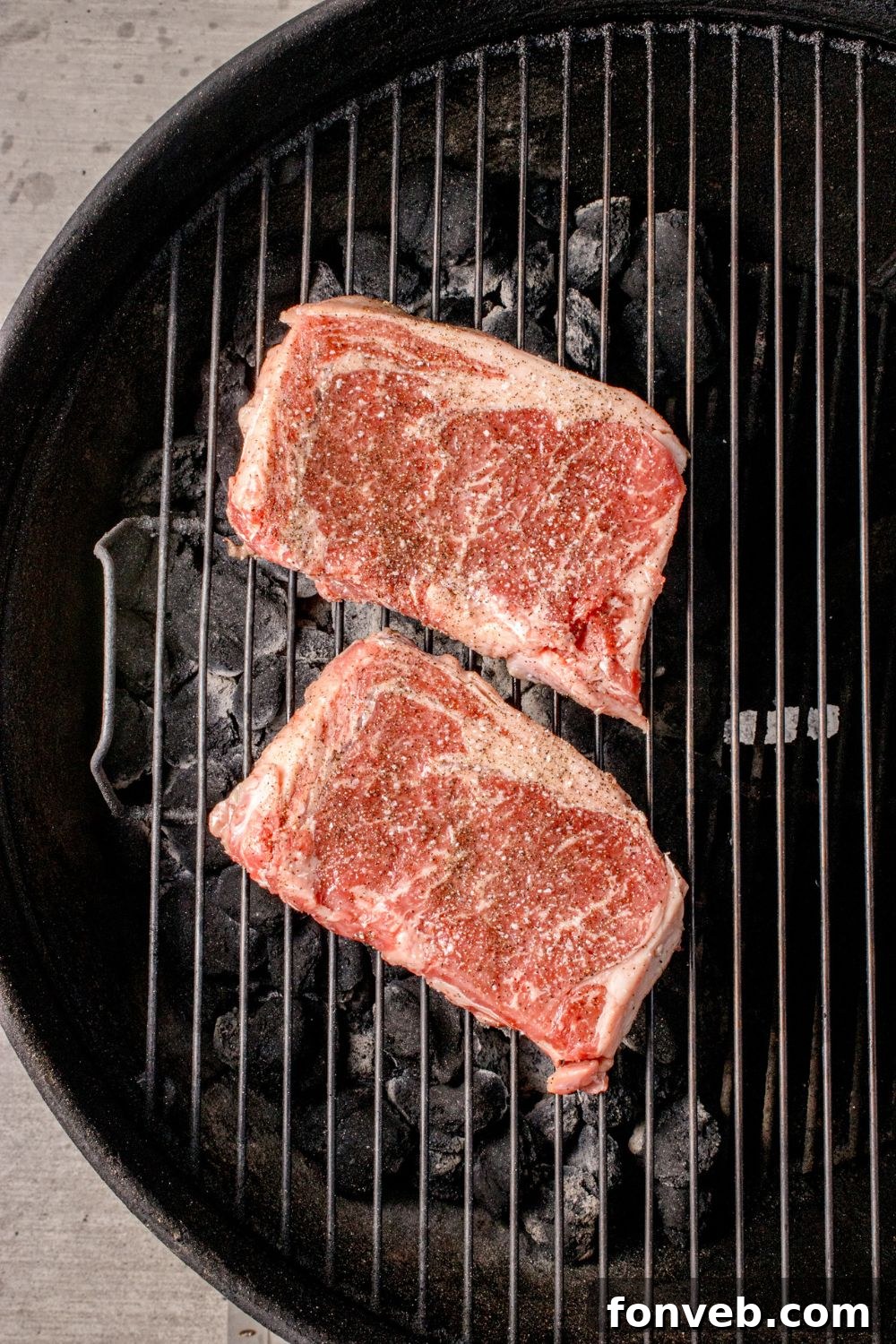
- Take the steaks out 30-45 minutes before grilling to bring them to room temperature. Pat them dry and brush both sides with olive oil. Generously sprinkle them with salt and pepper and let them sit while you heat up the grill.
- For charcoal grills: pile hot coals on one side to create two heat zones.
- For gas grills: turn one side to high heat and leave the other side off. Preheat the grill with the lid closed for about 10 minutes until hot.
- Place the steaks on the hot side of the grill. Sear them for 2–3 minutes per side until they develop a beautiful browned crust. If flare-ups occur, briefly move them to the cool side and close the grill’s lid to help the fire die down.
- After searing, move your steaks to the cool side of the grill, close the lid, and continue cooking to your desired doneness (125–130°F for medium rare). Utilize a meat thermometer for precise results.
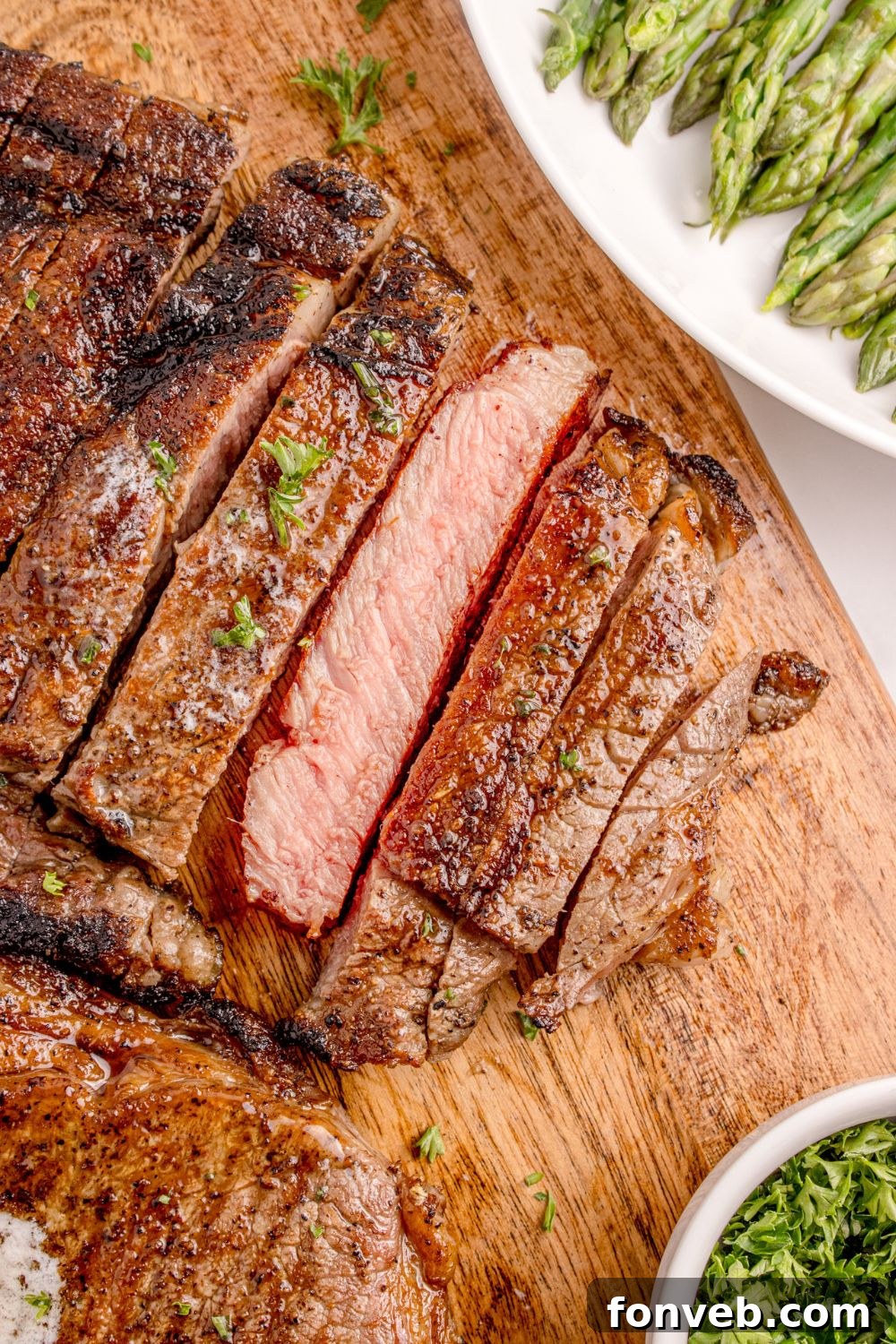
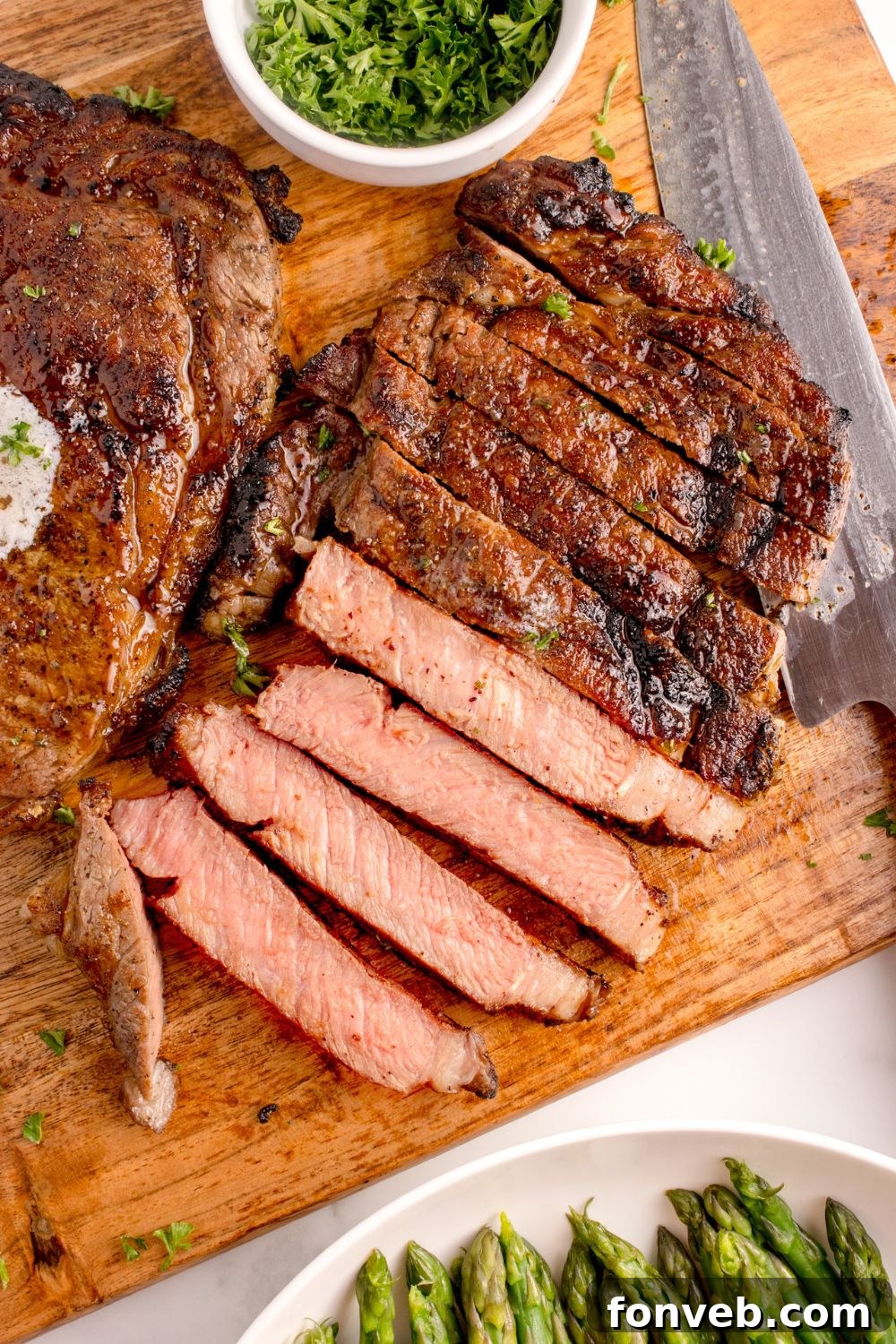
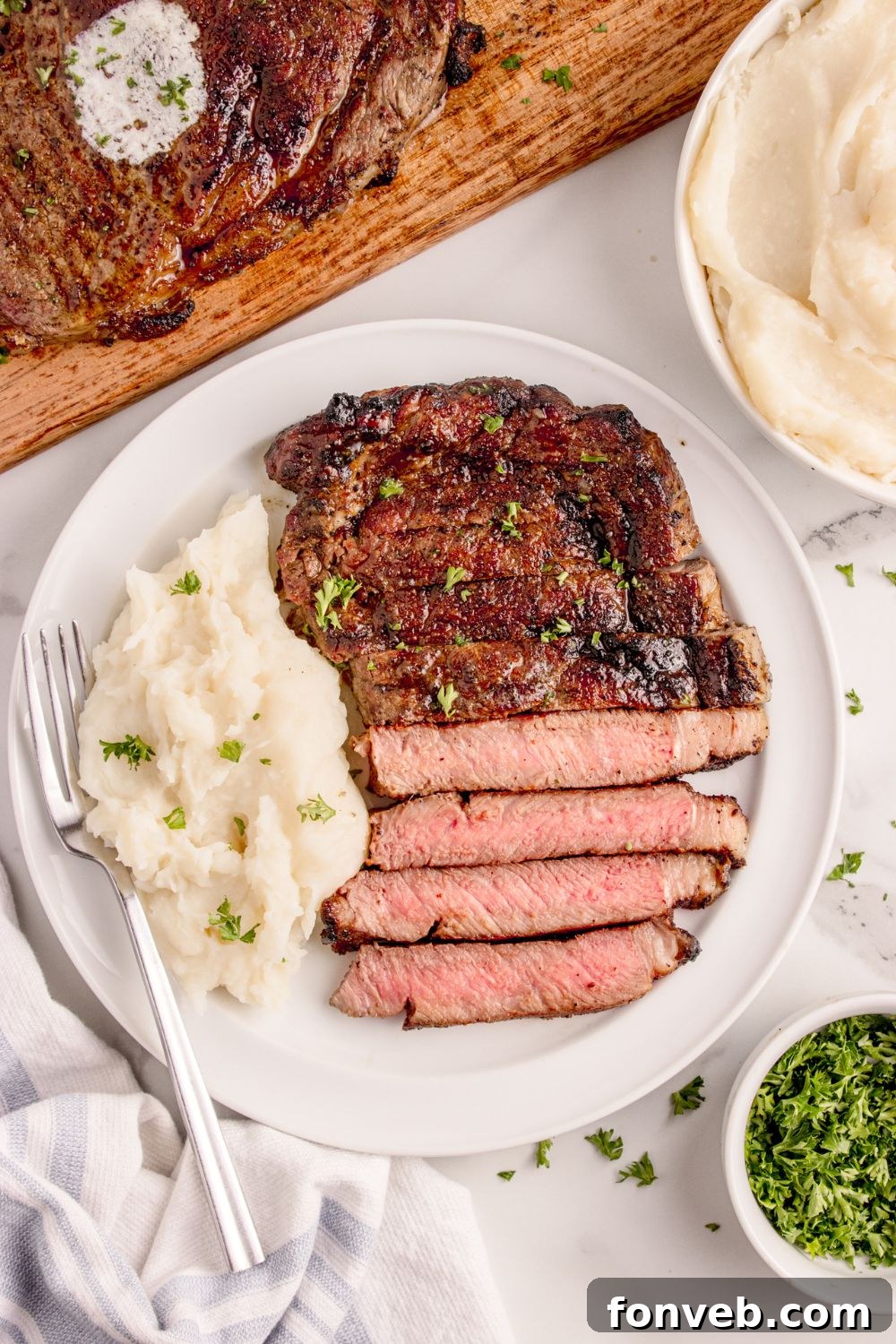
- Remove the steaks from the grill, and top each of them with 1 tbsp butter. Loosely cover them with foil and let them rest for 5–10 minutes. This allows juices to redistribute. Then, slice them against the grain and serve immediately.
Did you make this recipe?
Make sure to follow on Pinterest for more recipes!