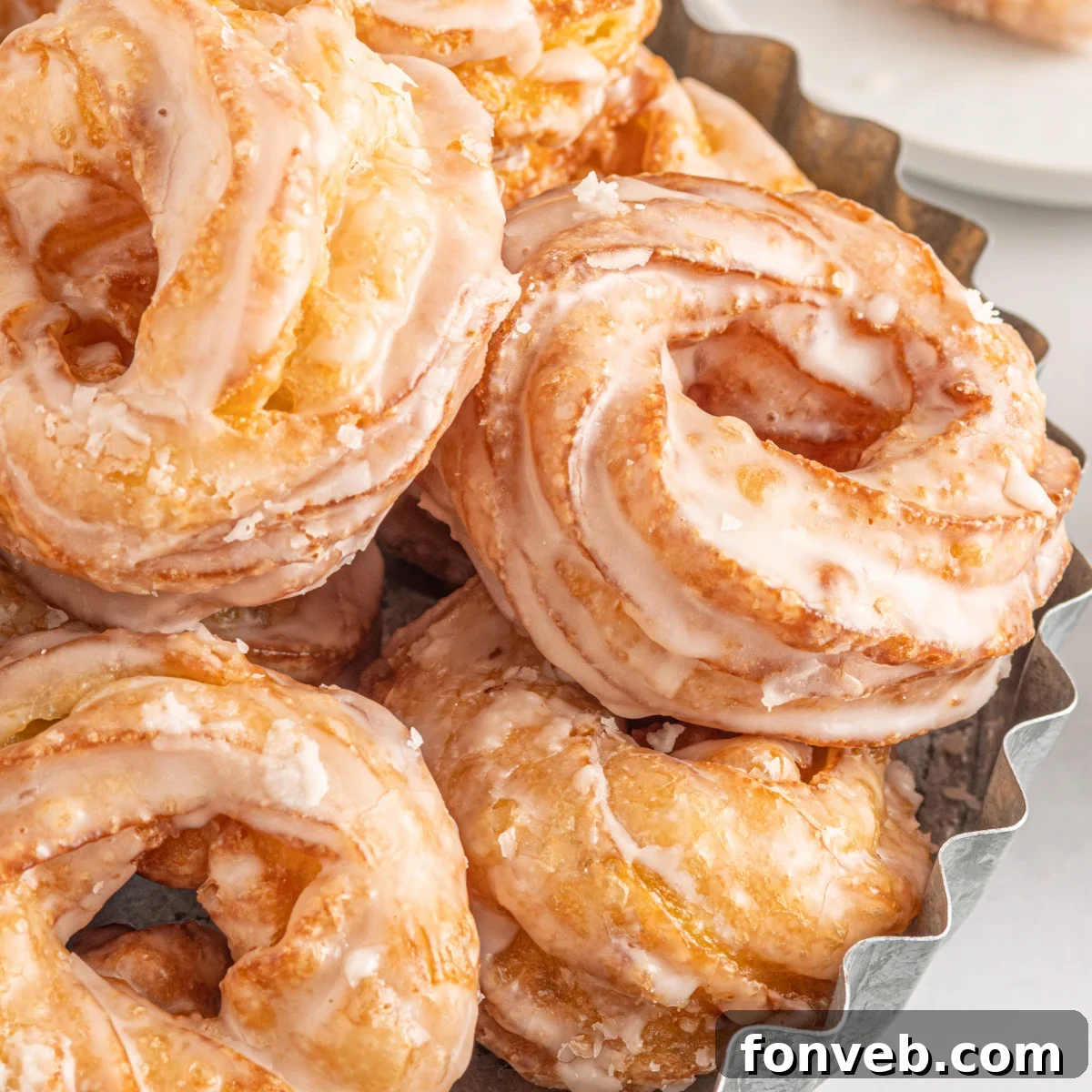
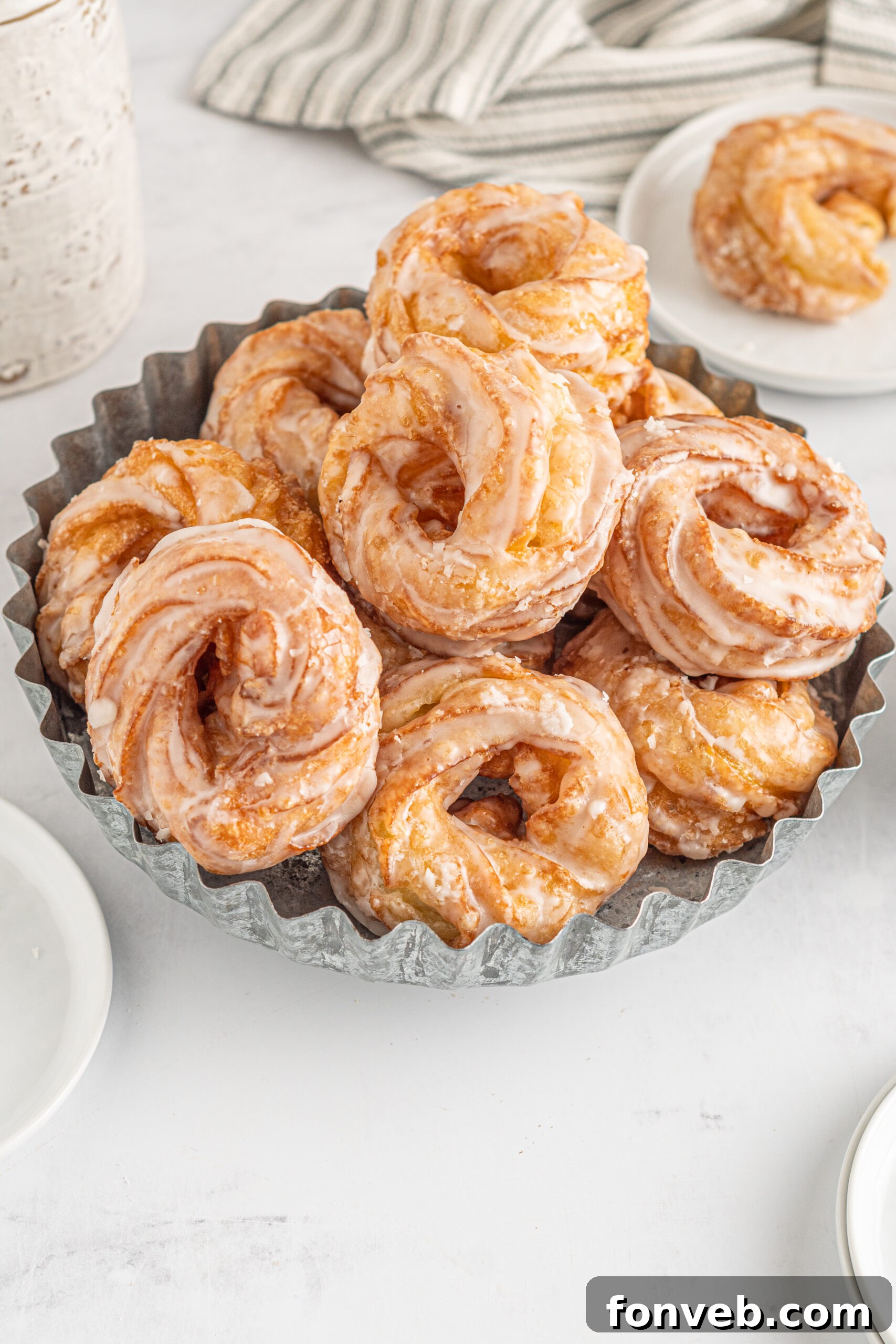
Indulge in the delicate sweetness and irresistible crunch of homemade French Crullers – a delightful treat that rivals your favorite donut shop versions. If you’ve ever found yourself reaching for these distinctive pastries at Dunkin’ Donuts, you’re in for an even greater joy. This comprehensive guide will empower you to craft perfect French Crullers from scratch, using simple, wholesome ingredients you likely already have in your pantry. Imagine starting your day with a freshly made cruller, its intricate ridges holding a delicate glaze, perfectly complementing your morning coffee or tea. This recipe brings that bakery-quality experience right into your kitchen.
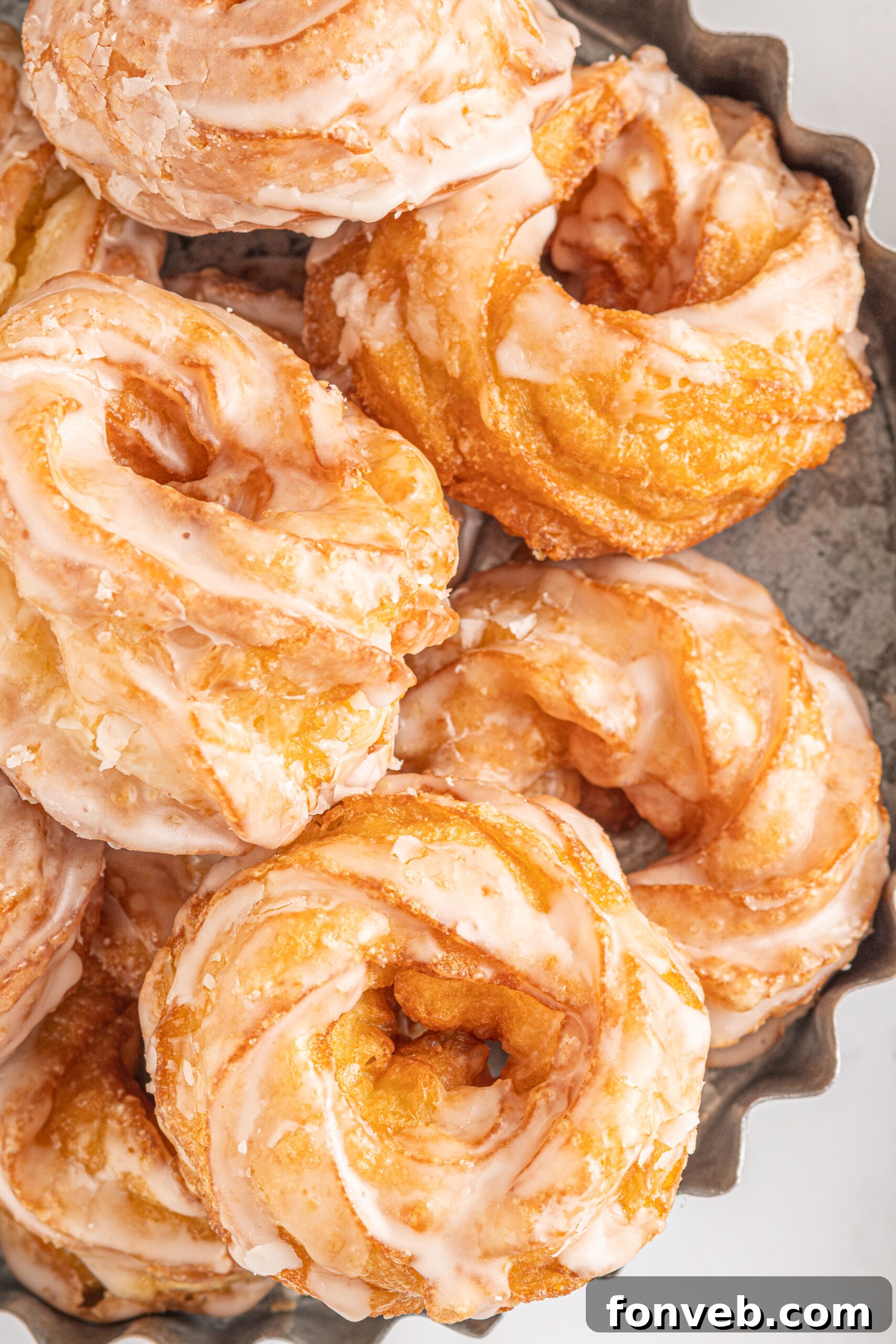
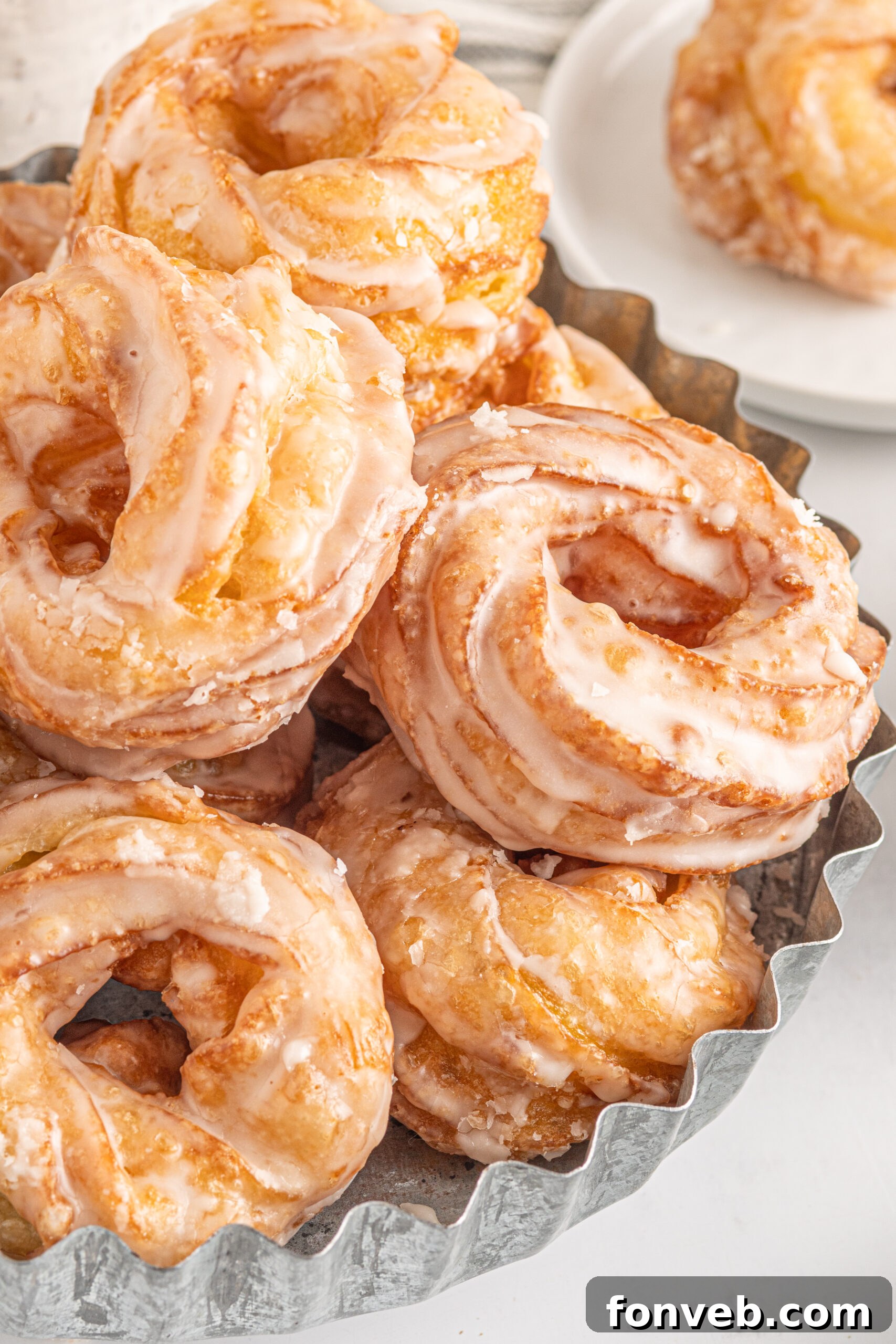
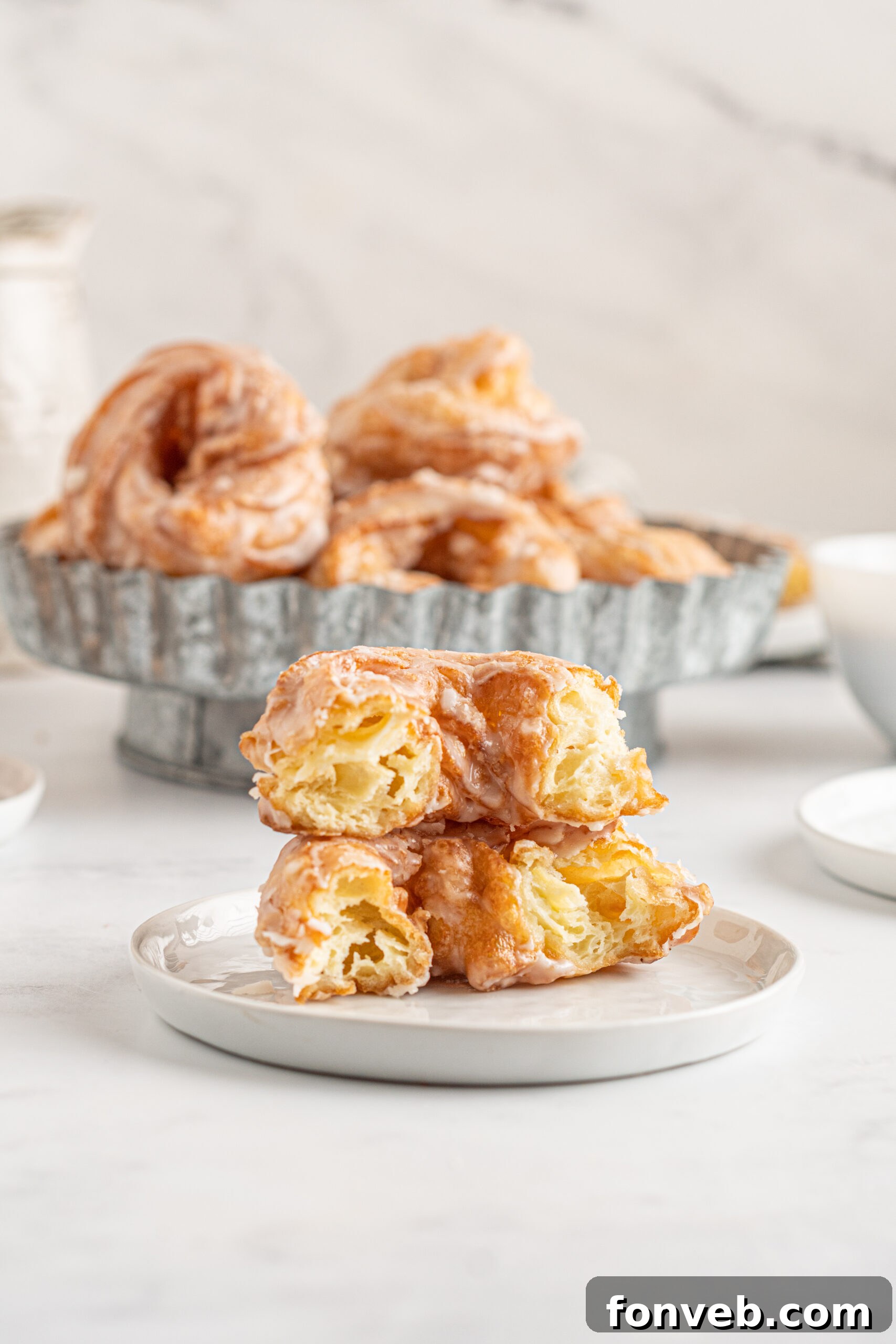
The beauty of French Crullers lies in their unique texture, a feat achieved through a classic French pastry technique known as choux pastry. Unlike traditional yeast-risen donuts, crullers are made from a light, airy dough that is piped into decorative shapes and then fried to golden perfection. The result is a pastry with a crispy exterior, a soft, almost custardy interior, and those iconic ridges that beautifully hold a sweet glaze. Once you experience the unparalleled freshness and flavor of homemade crullers, you’ll find yourself skipping the drive-thru and heading straight for your mixing bowl!
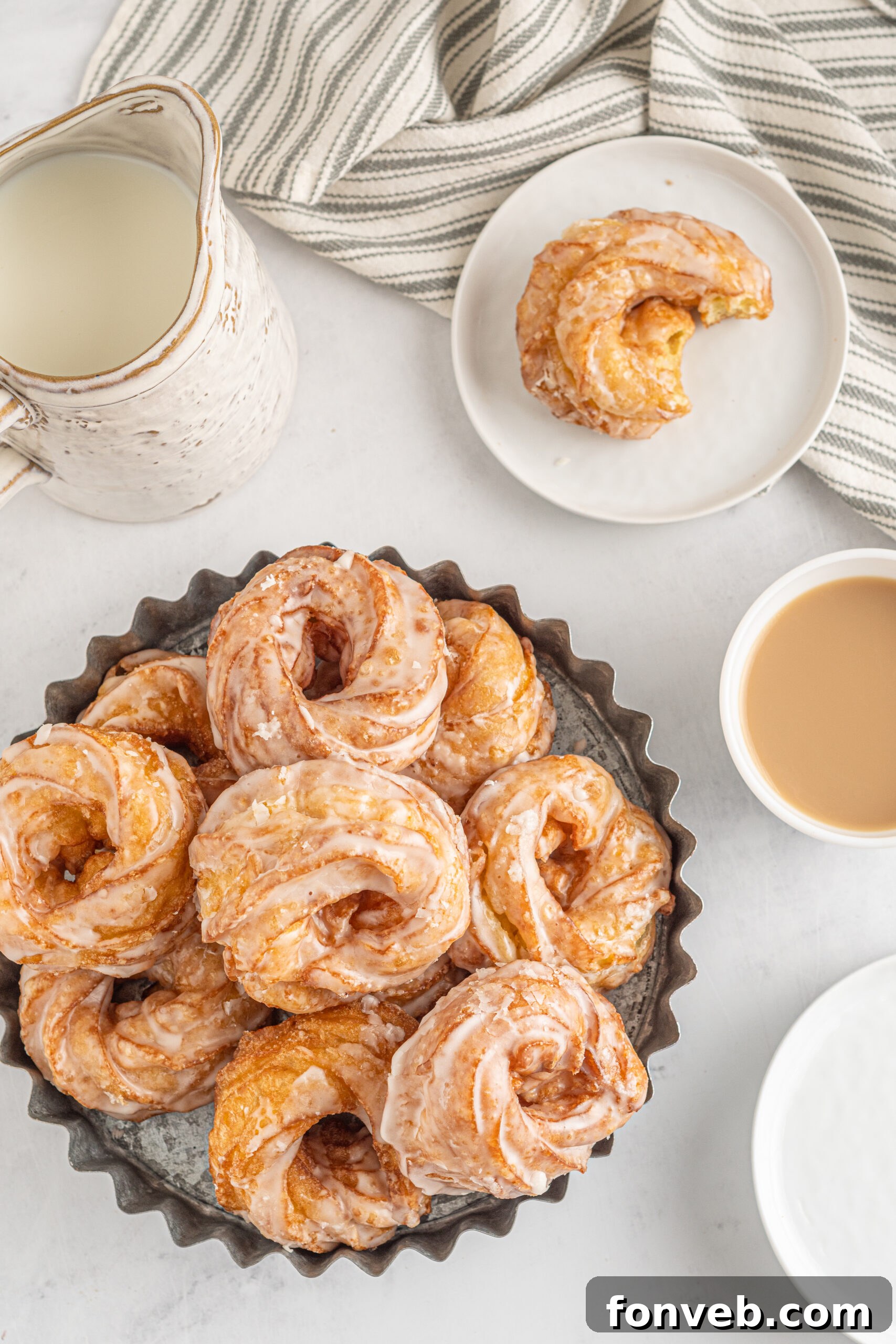
Mastering the Art of Homemade French Crullers
There’s something truly magical about French Crullers. Their distinctive ring shape, the crispness of their exterior giving way to a light, almost ethereal interior, and the sweet, translucent glaze that clings to every crevice – it’s a symphony of texture and flavor. These delightful doughnuts are not just a breakfast item; they are a versatile treat perfect for any time of day. Pair them with a robust cup of coffee, a soothing herbal tea, or even a rich hot chocolate for an elevated snack experience. While they may look sophisticated, preparing these fried goodies at home is surprisingly straightforward, allowing you to customize them with various glazes and toppings to suit every preference.
The foundation of a great cruller is a well-made choux pastry, which might sound intimidating but is actually quite forgiving. This dough, also used for éclairs and profiteroles, relies on a specific cooking method on the stovetop before eggs are incorporated. This process creates steam during frying, resulting in the characteristic hollow, airy center and crisp exterior that defines a true French Cruller. Don’t let the elegance of these pastries fool you; with a little attention to detail, you’ll be producing bakery-worthy treats in no time.
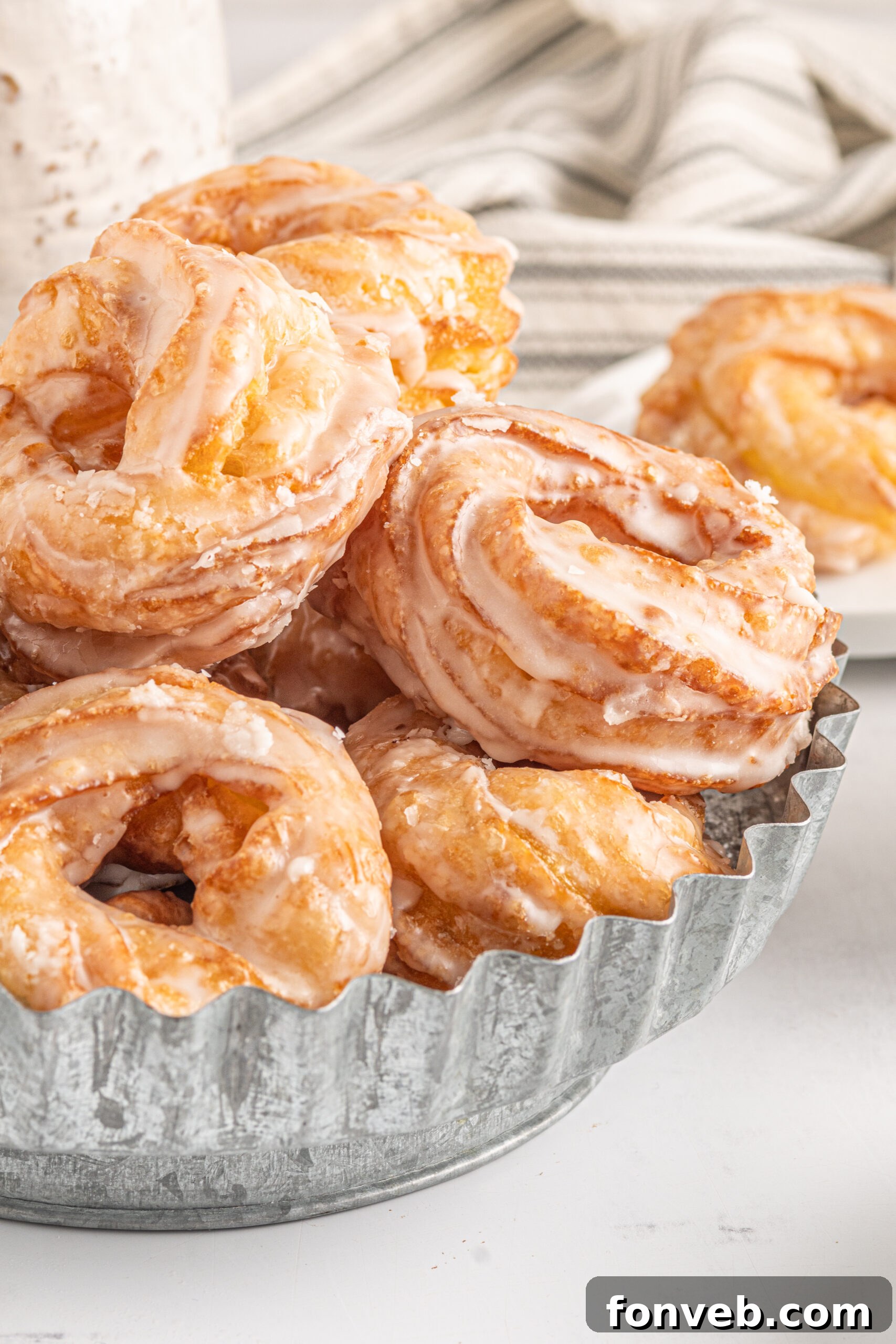
Why You’ll Adore This French Cruller Recipe
- Surprisingly Simple: Many believe making crullers at home is difficult, but this recipe breaks down the process into easy, manageable steps. You don’t need expert pastry skills to achieve impressive results. It’s a fantastic recipe for both seasoned bakers and curious beginners looking to expand their repertoire with a truly special treat that’s perfect for breakfast or an afternoon indulgence.
- Unforgettably Delicious: Prepare for a taste experience that surpasses even your fondest memories of store-bought crullers. Made with fresh ingredients, these homemade French Crullers boast a depth of flavor and a superior texture that is simply unmatched. The light, eggy dough fries to a perfect golden-brown, forming a delicate crispness that perfectly complements the sweet, vanilla-infused glaze.
- Endlessly Customizable: One of the greatest joys of home baking is the freedom to personalize your creations. This recipe provides a perfect base for experimentation. Whether you prefer a classic vanilla glaze, a rich chocolate drizzle, or a burst of colorful sprinkles, these crullers are a blank canvas for your culinary imagination. This makes them ideal for impressing guests or simply catering to diverse tastes within your family.
- Economical & Rewarding: Crafting these delectable pastries at home is not only a fraction of the cost of buying them from a specialty shop but also immensely satisfying. The aroma of freshly fried dough filling your kitchen, followed by the proud moment of presenting your beautiful, homemade crullers, is a reward in itself. It’s an experience that truly nourishes the soul.
Essential Ingredients for Perfect French Crullers
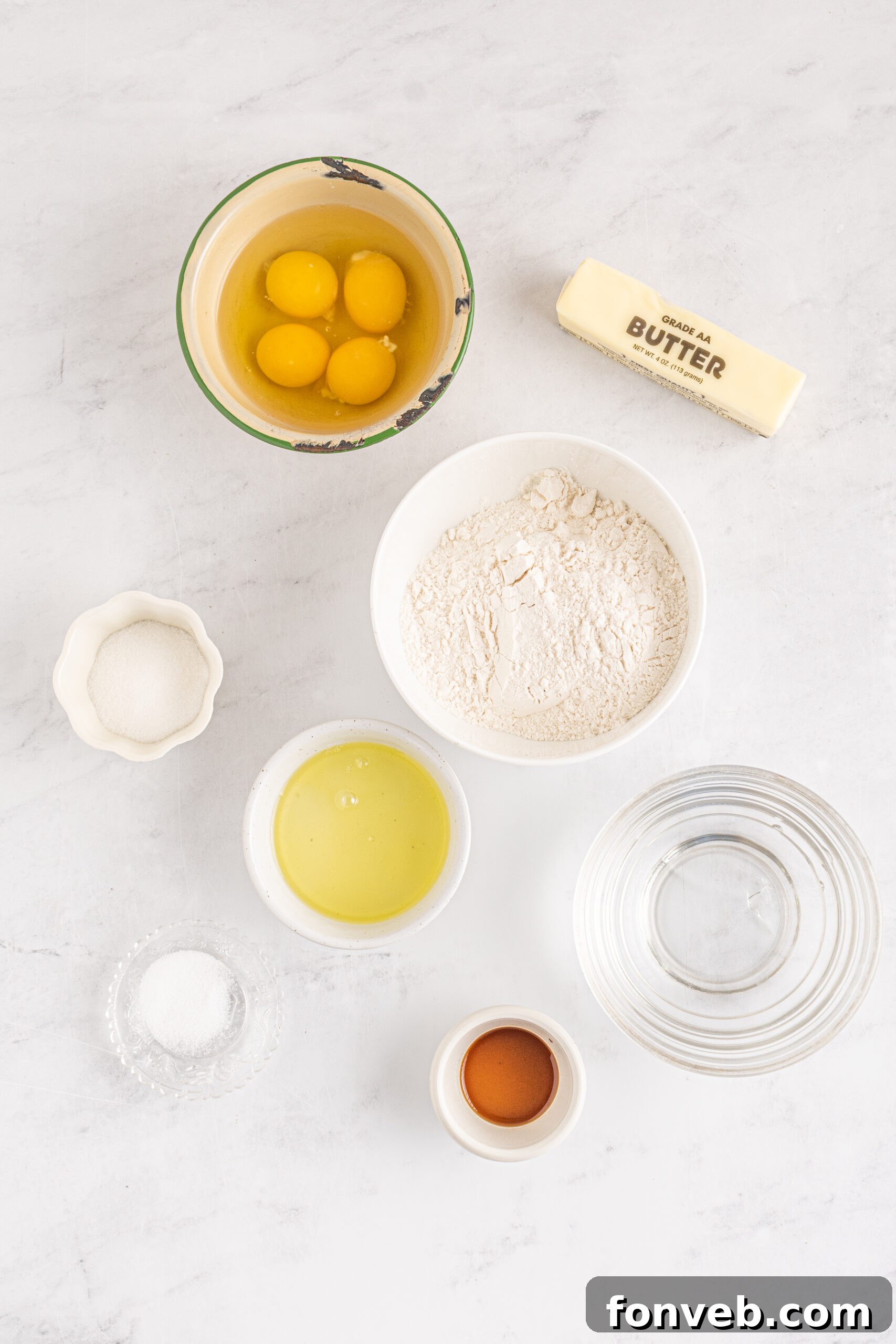
Crafting the perfect French Cruller begins with understanding the role each ingredient plays in creating its signature texture and flavor. Here’s a closer look at what you’ll need for both the choux pastry and the irresistible glaze:
- Water: The primary liquid base for our choux pastry. It combines with butter to create steam, which is essential for the cruller’s airy internal structure when fried.
- Butter (Room Temperature): Using butter at room temperature ensures it melts smoothly and emulsifies properly with the water. Butter contributes richness and tenderness to the dough. Using unsalted butter gives you more control over the overall saltiness of the pastry.
- Sugar: A touch of sugar in the dough enhances flavor and promotes beautiful browning during frying. It’s a subtle sweetness that balances the savory notes of the pastry.
- Salt: Essential for balancing the sweetness and deepening the overall flavor profile of the crullers. Don’t skip it, as it brings out the best in the other ingredients.
- Vanilla Extract (for dough): A hint of vanilla in the pastry itself adds a foundational layer of aromatic sweetness that elevates the entire cruller, complementing the glaze without overpowering it.
- All-Purpose Flour: The structural backbone of the choux pastry. It’s crucial to add the flour all at once and stir vigorously to create a cohesive dough that pulls away from the sides of the saucepan, forming a ‘panade.’ This step develops the gluten just enough and cooks out some of the moisture, which is vital for the choux.
- Eggs & Egg Whites: Eggs are critical to choux pastry, providing structure, richness, and emulsification. Adding them one at a time allows each egg to be fully incorporated into the mixture, ensuring a smooth, glossy, and perfectly textured dough. The additional egg whites contribute to a lighter, crispier cruller, enhancing its characteristic airiness.
For the Classic Glaze:
- Powdered Sugar (Confectioners’ Sugar): The base for our smooth, quick-setting glaze. Its fine texture dissolves easily, creating a silky finish.
- Vanilla Extract (for glaze): Provides that quintessential sweet and comforting aroma that pairs so perfectly with fried dough.
- Hot Water: Used to thin the glaze to the perfect dipping consistency. Start with a small amount and add gradually to achieve your desired thickness.
- Corn Syrup: This secret ingredient adds a professional sheen to your glaze, preventing it from crystalizing and keeping it beautifully glossy and smooth. It also helps the glaze adhere better to the crullers.
Ensure all your ingredients are measured accurately. Baking is a science, and precise measurements are key to achieving the desired outcome, especially with delicate pastries like French Crullers.
Creative Variations and Toppings for Your Crullers
While the classic vanilla glaze is undeniably delicious, French Crullers are wonderfully versatile and invite creative experimentation. Don’t be afraid to personalize your batch with these exciting variations:
- Decadent Drizzles: Elevate your crullers by foregoing the traditional glaze and instead drizzling them with rich chocolate or luscious caramel syrup. Both options perfectly complement the light, airy texture of the cruller and add an extra layer of indulgence. For an even more gourmet touch, melt some high-quality dark chocolate and drizzle it over freshly glazed crullers for a striking contrast.
- Simple Sugar Dusting: If you prefer a less intense sweetness or a lighter finish, a simple dusting of powdered sugar is an elegant alternative. The fine, sweet powder melts slightly on warm crullers, creating a delicate coating that highlights the pastry itself. This is a fantastic option for those who appreciate understated elegance.
- Fun and Festive Toppings: After applying your glaze, while it’s still wet, transform your crullers into vibrant, celebratory treats. Sprinkle colorful nonpareils or jimmies for birthdays and parties, or press mini chocolate chips into the glaze for an extra burst of chocolatey goodness. Finely chopped nuts like pecans or walnuts can also add a delightful crunch and nutty flavor. These festive touches are especially popular when serving crullers to children or for special occasions.
- Citrus Zest Glaze: For a refreshing twist, add a teaspoon of finely grated lemon or orange zest to your vanilla glaze. The bright citrus notes cut through the sweetness and add a beautiful aroma, making the crullers feel lighter and more sophisticated.
- Cinnamon Sugar Coating: Skip the wet glaze entirely and, immediately after frying and draining, toss warm crullers in a mixture of granulated sugar and cinnamon. This creates a comforting, classic donut flavor profile reminiscent of churros.
Experimentation is key to discovering your favorite combination. Mix and match these ideas, or create your own unique cruller masterpiece!
Pro Tips for Flawless French Crullers
Achieving bakery-perfect French Crullers at home is easier than you think, especially with a few insider tips:
- Gradual Egg Incorporation: When adding the eggs to your choux pastry mixture, it’s absolutely crucial to do so one at a time. This allows each egg to be fully emulsified and incorporated into the warm dough before the next is added. This step prevents the dough from becoming greasy or separating, ensuring a smooth, glossy, and stable batter. Continue mixing until the dough is uniformly smooth and holds a soft, pipeable shape.
- Piping Bag Alternatives: No piping bag? No problem! A sturdy Ziploc freezer bag can easily be adapted. Simply snip off one corner and attach your large open star tip. Ensure the tip is securely fitted to prevent dough from escaping. This improvisation works perfectly for creating those iconic ridged cruller shapes.
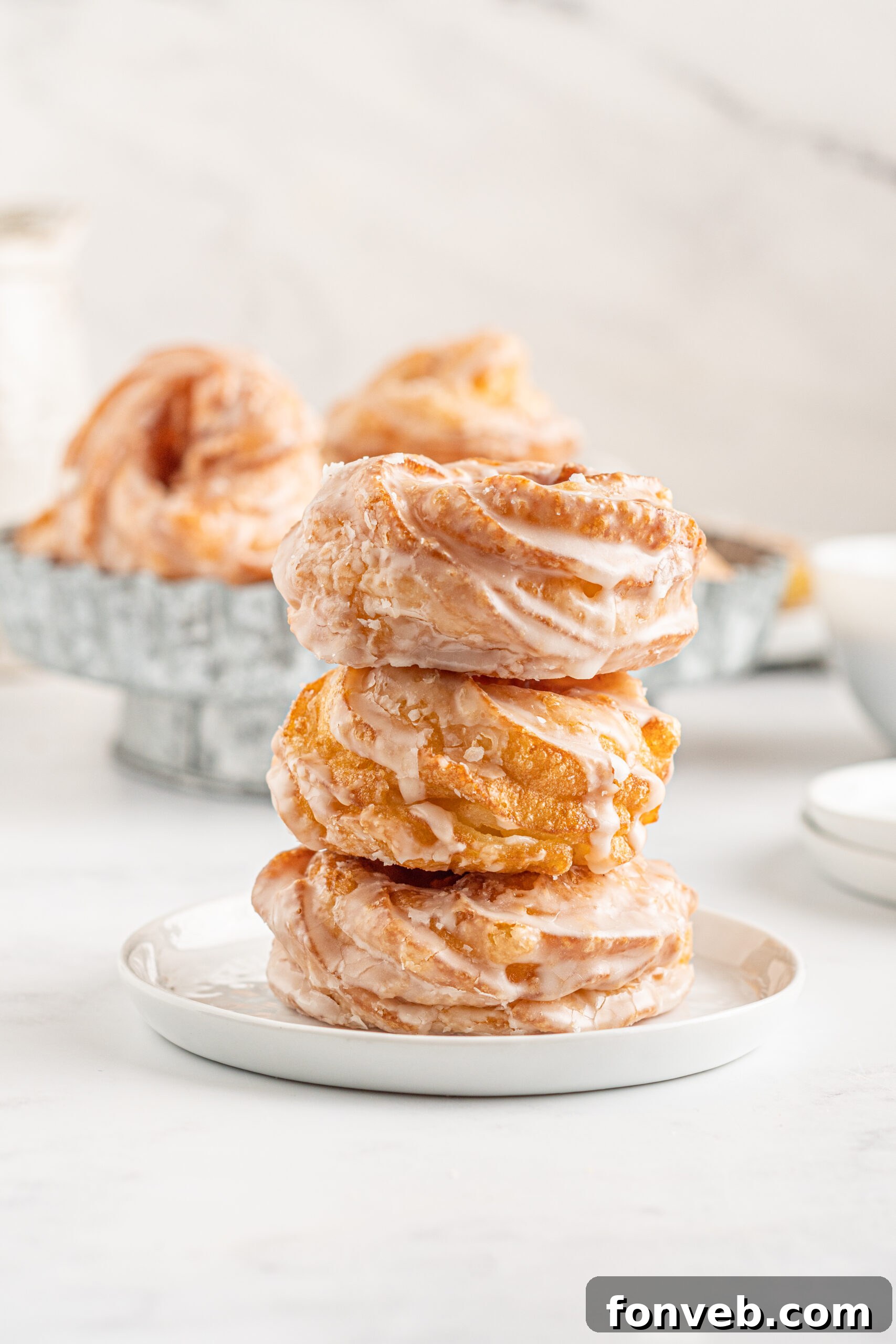
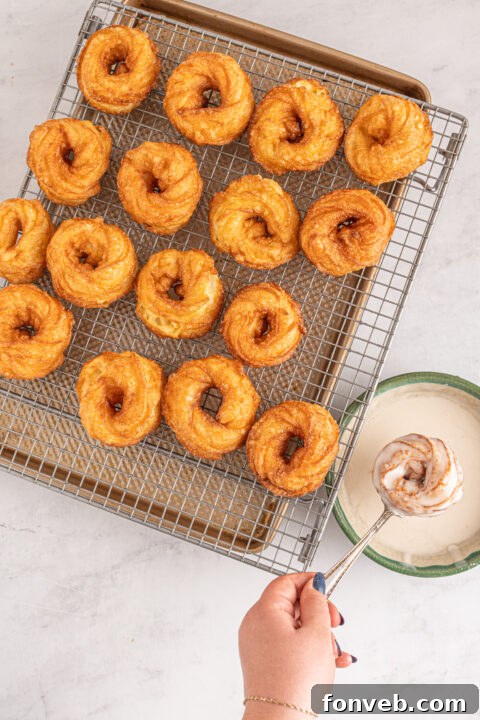
- Efficient Oil Drainage: After frying, use tongs to carefully remove your golden-brown crullers from the hot oil. Gently shake them over the pot for a few seconds to allow any major excess oil to drip back in. Then, transfer them immediately to a wire cooling rack placed over a sheet of paper towels. The wire rack allows air circulation, preventing the bottoms from becoming soggy, while the paper towels absorb any residual oil, ensuring your crullers are perfectly crisp and light.
- Oil Temperature is Key: Maintaining the correct oil temperature (around 375°F or 190°C) is paramount. If the oil is too cold, the crullers will absorb too much oil and become greasy. If it’s too hot, they’ll brown too quickly on the outside, leaving the inside undercooked. Use a reliable thermometer and adjust the heat as needed throughout the frying process.
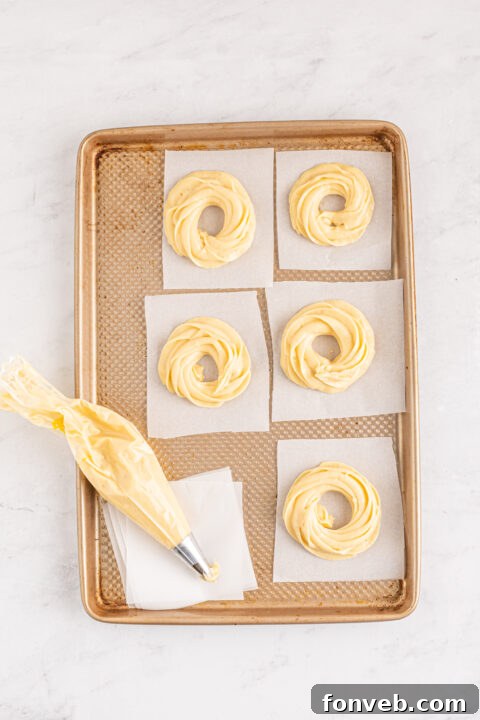
- Parchment Paper Trick: Piping the dough directly onto parchment paper squares makes transferring the delicate shapes into hot oil much easier and helps maintain their form. The parchment will release from the crullers after a minute or two in the oil, and you can then remove it with tongs.
- Don’t Overcrowd the Pot: Fry crullers in small batches to avoid lowering the oil temperature too much. Overcrowding can lead to uneven cooking and greasy results. Give each cruller enough space to fry properly.
Frequently Asked Questions About French Crullers
Here are answers to common questions about making and enjoying French Crullers:
Can I use shortening instead of butter in the choux pastry?
Yes, you can substitute shortening for butter in this French Cruller recipe. While shortening will still contribute fat to the dough, it may result in a slightly different flavor profile and texture. Butter offers a richer, more nuanced taste that many prefer for choux pastry, while shortening might yield a slightly crisper, less rich result. Feel free to experiment to see which you prefer.
When is the best time to add the dough to the hot oil?
It is absolutely essential to wait until your frying oil reaches the correct temperature, typically around 375°F (190°C), before adding any of the choux pastry dough. Using a deep-fry thermometer is highly recommended for accuracy. Dropping the dough into oil that isn’t hot enough will cause the crullers to absorb too much oil, making them heavy and greasy. Conversely, oil that is too hot will burn the exterior before the interior has a chance to cook and puff properly. The right temperature ensures that crispy, slightly crunchy exterior and a light, airy inside that crullers are famous for.
Do I have to add a glaze to these French Crullers?
While the classic vanilla glaze is a hallmark of French Crullers and truly enhances their sweetness and appeal, it is entirely optional. The crullers are delicious on their own, especially when fresh from the fryer. If you prefer a less sweet treat, or if you’re serving them with other sweet components, you can certainly skip the glaze. Alternatively, a simple dusting of powdered sugar offers a delicate finish without the full sweetness of a traditional glaze. You can also explore other toppings like cinnamon sugar or a light chocolate drizzle if a full glaze isn’t to your liking.
How should I store leftover French Crullers?
French Crullers are best enjoyed fresh, ideally on the day they are made, as their crispness is at its peak. However, if you have leftovers, store them in an airtight container at room temperature for up to 1-2 days. To revive some of their crispness, you can briefly warm them in a toaster oven or a dry skillet for a few minutes before serving.
Can I bake French Crullers instead of frying them?
While traditional French Crullers are always fried for their characteristic crispness and texture, you can bake choux pastry. However, the result will be more like a cream puff or éclair shell rather than a cruller. Baked choux pastry will be light and airy but will lack the distinct fried flavor and the unique crinkly texture that makes a cruller special. For an authentic French Cruller experience, frying is the way to go.
What kind of oil is best for frying crullers?
For deep-frying, choose an oil with a high smoke point and a neutral flavor, such as canola oil, vegetable oil, grapeseed oil, or peanut oil. These oils won’t impart unwanted flavors to your crullers and can withstand the high temperatures required for frying.
Discover More Delicious Donut Recipes
If you’ve enjoyed making these French Crullers, you’ll love exploring other homemade donut creations. Here are a few more incredible recipes to satisfy your sweet tooth:
Classic Old Fashioned Glazed Donuts
Sweet and Simple Chinese Sugar Donuts
Effortless Canned Biscuit Donuts
French Crullers
Course: Dessert
Prep Time: 1 hr 30 mins
Cook Time: 5 mins
Total Time: 1 hr 35 mins
Servings: 16 Crullers
Learn how to make these light, sweet, and perfectly ridged French Crullers from scratch with simple ingredients. They’re the ideal treat to enjoy with your morning coffee, truly a step above store-bought varieties.
Ingredients
Donuts:
- 1 1/4 cups Water
- 1/2 cup Butter, room temperature
- 4 1/2 tsp Sugar
- 1/2 tsp Salt
- 1/2 tsp Vanilla
- 1 1/4 cups Flour
- 4 Eggs
- 2 Egg whites
Glaze:
- 2 cups Powdered sugar
- 1 Tbs Corn syrup
- 2-3 tsp Hot water
- 2 tsp Vanilla
Instructions
Donuts:
-
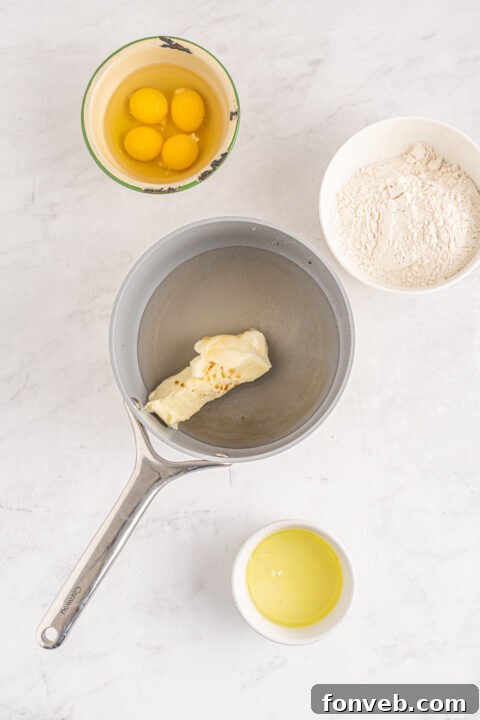
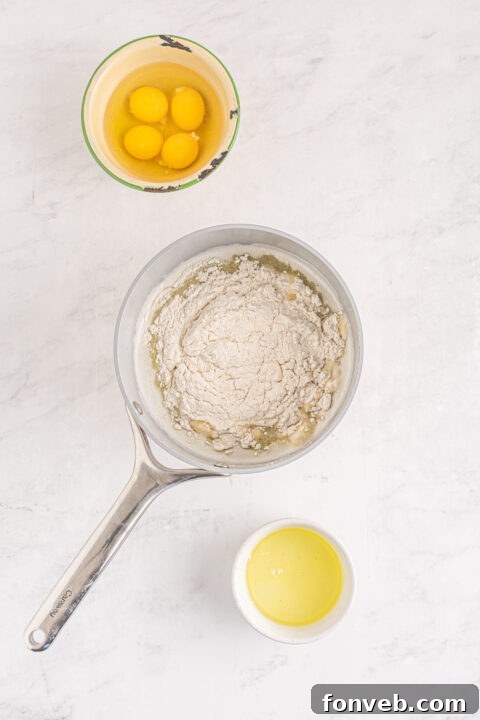
In a medium-sized saucepan over medium-high heat, combine water, butter, sugar, salt, and vanilla. Bring the mixture to a rolling boil, ensuring the butter is fully melted and ingredients are well combined.
-
Immediately add all the flour at once. Stir vigorously with a wooden spoon or spatula until the flour is fully incorporated and a cohesive dough forms that pulls away from the sides and bottom of the saucepan. Continue cooking and stirring for another 1-2 minutes to dry out the dough slightly, until it begins coating the bottom of the saucepan in places. Remove from the heat.
-
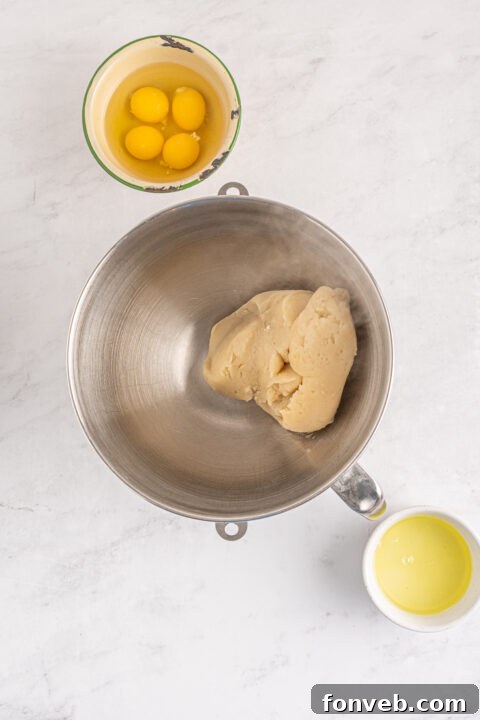
Carefully transfer the hot dough mixture into the bowl of a stand mixer fitted with a paddle attachment. Mix on a medium-low speed for a few minutes (about 3-5 minutes), or until the mixture has cooled slightly and is no longer steaming. This cooling prevents the eggs from scrambling when added.
-
While the mixer is running on low speed, add the eggs one at a time. Ensure each egg is fully incorporated into the dough before adding the next one. The mixture may look curdled or separated initially, but continue mixing until it comes back together smoothly. Add the two egg whites last, mixing until the dough is completely smooth and glossy, and starts to hold a soft, pipeable shape when lifted with the paddle attachment.
-
In a large stockpot or deep fryer, preheat 3-4 inches of neutral oil (like vegetable or canola) to 375°F (190°C). Cut several pieces of parchment paper into 3-4 inch squares. Spoon the prepared dough into a piping bag fitted with a very large open star tip (such as an Ateco 826 or 827). Pipe dough circles about 3-4 inches in diameter onto the parchment squares. Working in batches, carefully place the piped dough circles (with the parchment still attached) into the preheated oil.
-
After about 30 seconds to 1 minute, the parchment paper will release from the crullers. Gently remove the parchment paper with tongs and discard. Fry the crullers for about 2-3 minutes on each side, or until they achieve a beautiful caramel golden color and are puffed and airy. Once cooked and golden, carefully remove the crullers from the oil using tongs and place them on a wire cooling rack set over paper towels to allow any excess oil to drip out. Repeat the frying process with the remaining dough, ensuring the oil temperature stays consistent between batches.
Glaze:
-
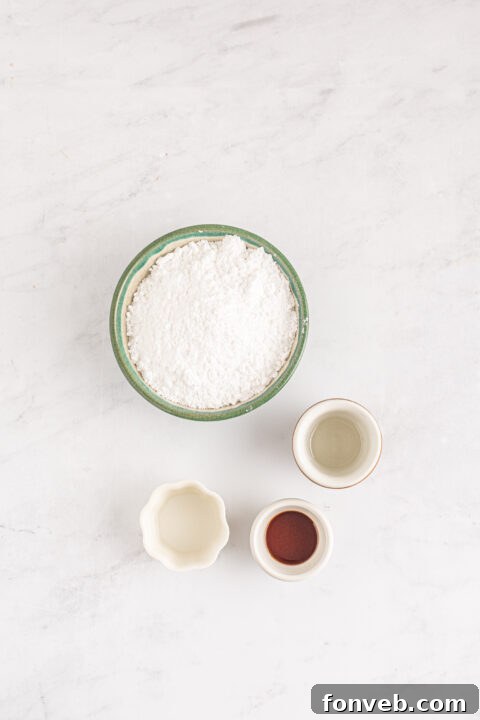
In a small mixing bowl, add powdered sugar, corn syrup, hot water, and vanilla extract. Whisk vigorously until the mixture is completely smooth and free of lumps. The consistency should be pourable but thick enough to coat a spoon. One at a time, dip the still warm (but not hot) crullers into the bowl of glaze. Using a fork or tongs, turn the doughnut over to completely cover it with the glaze. Lift the cruller out of the glaze, allowing as much excess glaze as possible to drip back into the bowl, then place it onto a wire cooling rack to let the glaze set and any remaining excess drip off. Serve immediately or once the glaze has set.
Did you make this delicious recipe?
Make sure to follow on Pinterest for even more incredible recipes and baking inspiration!
Pin Recipe
Share on Facebook