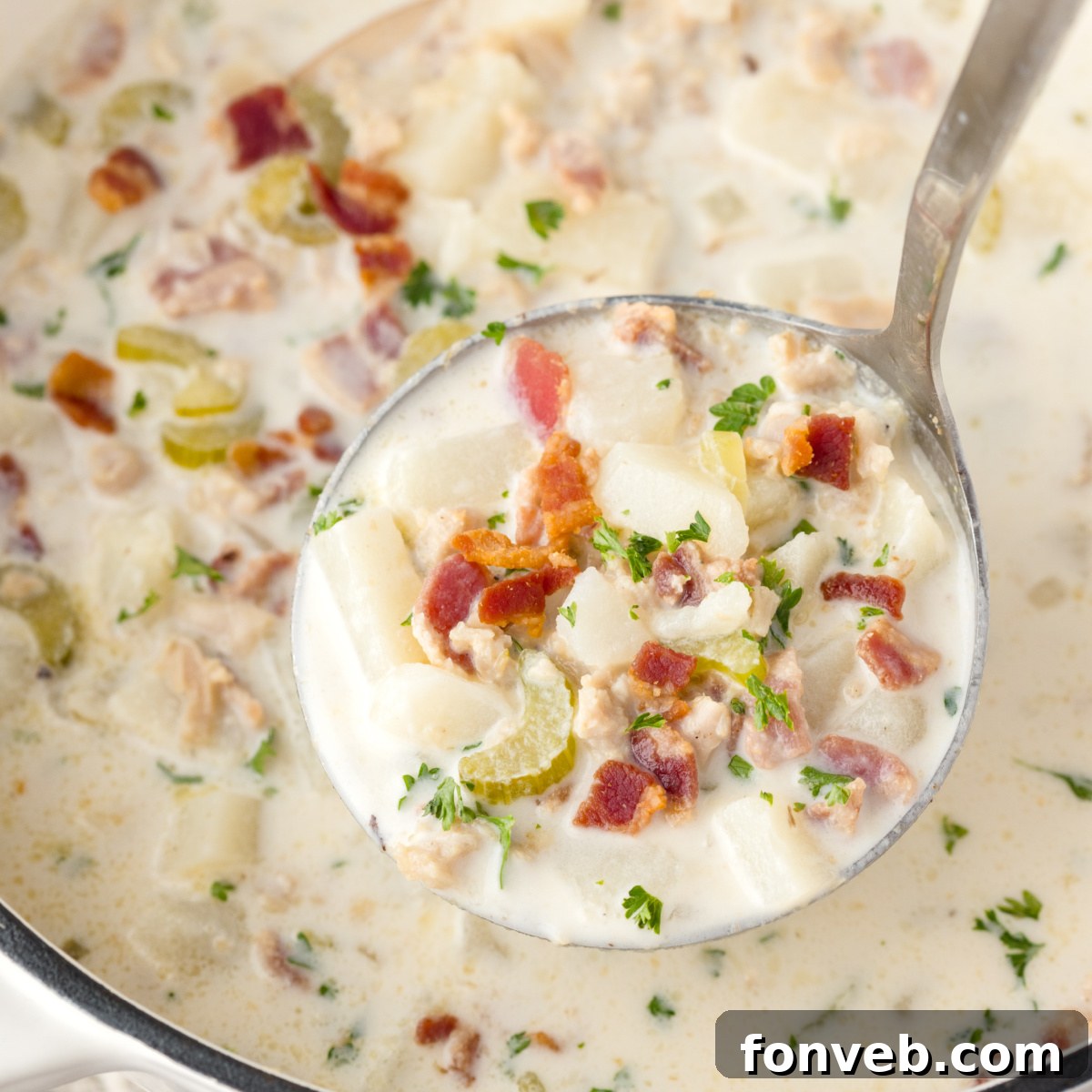
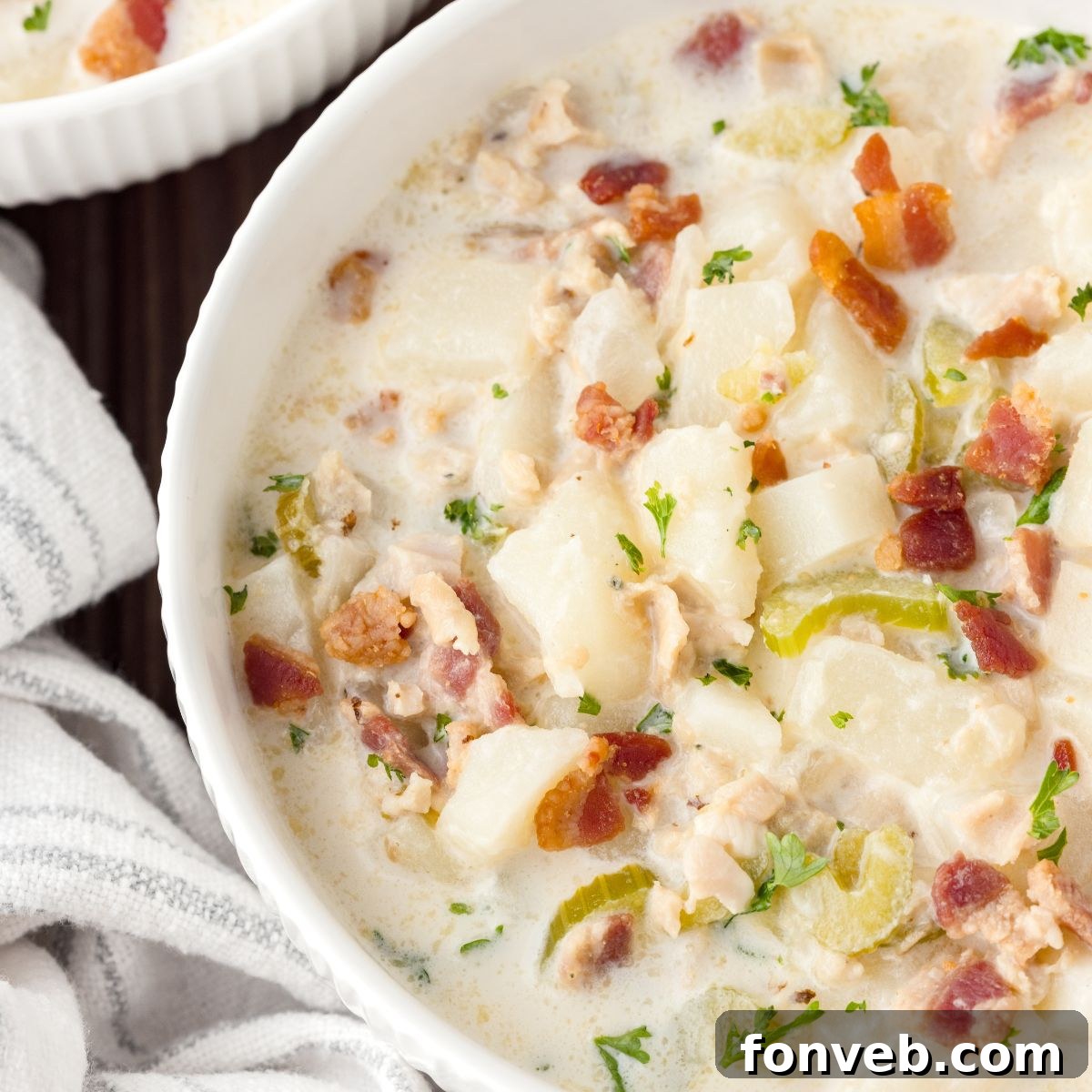
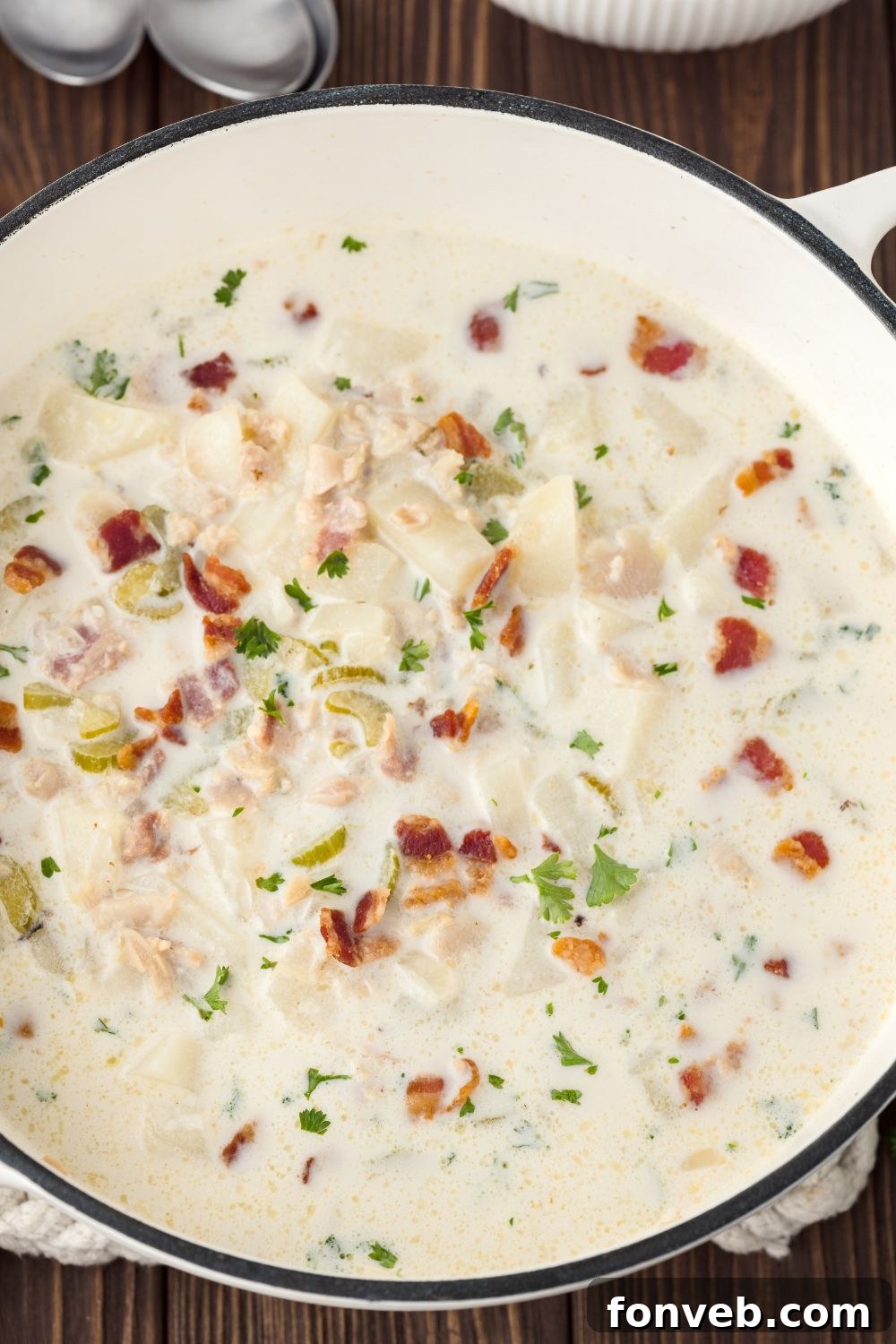
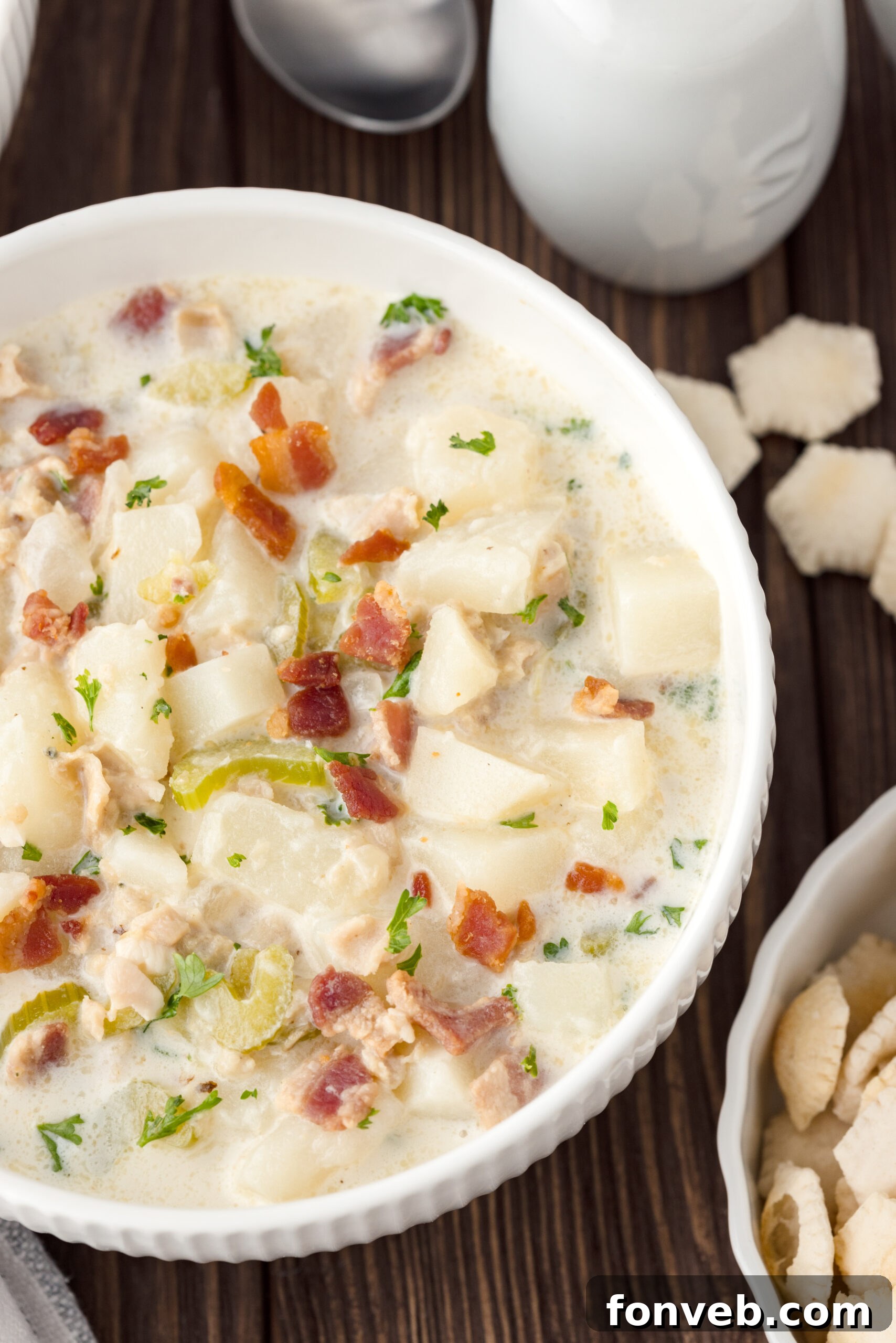
Indulge in the rich, comforting embrace of a truly classic New England Clam Chowder. This isn’t just a soup; it’s a culinary journey to the frosty shores of the East Coast, brought right into your kitchen. Imagine tender, briny clams swimming in a velvety, creamy broth, perfectly complemented by chunks of hearty potatoes, savory bacon, crisp celery, and aromatic onions. Each spoonful delivers a symphony of flavors and textures, making it the ultimate comfort food for any evening.
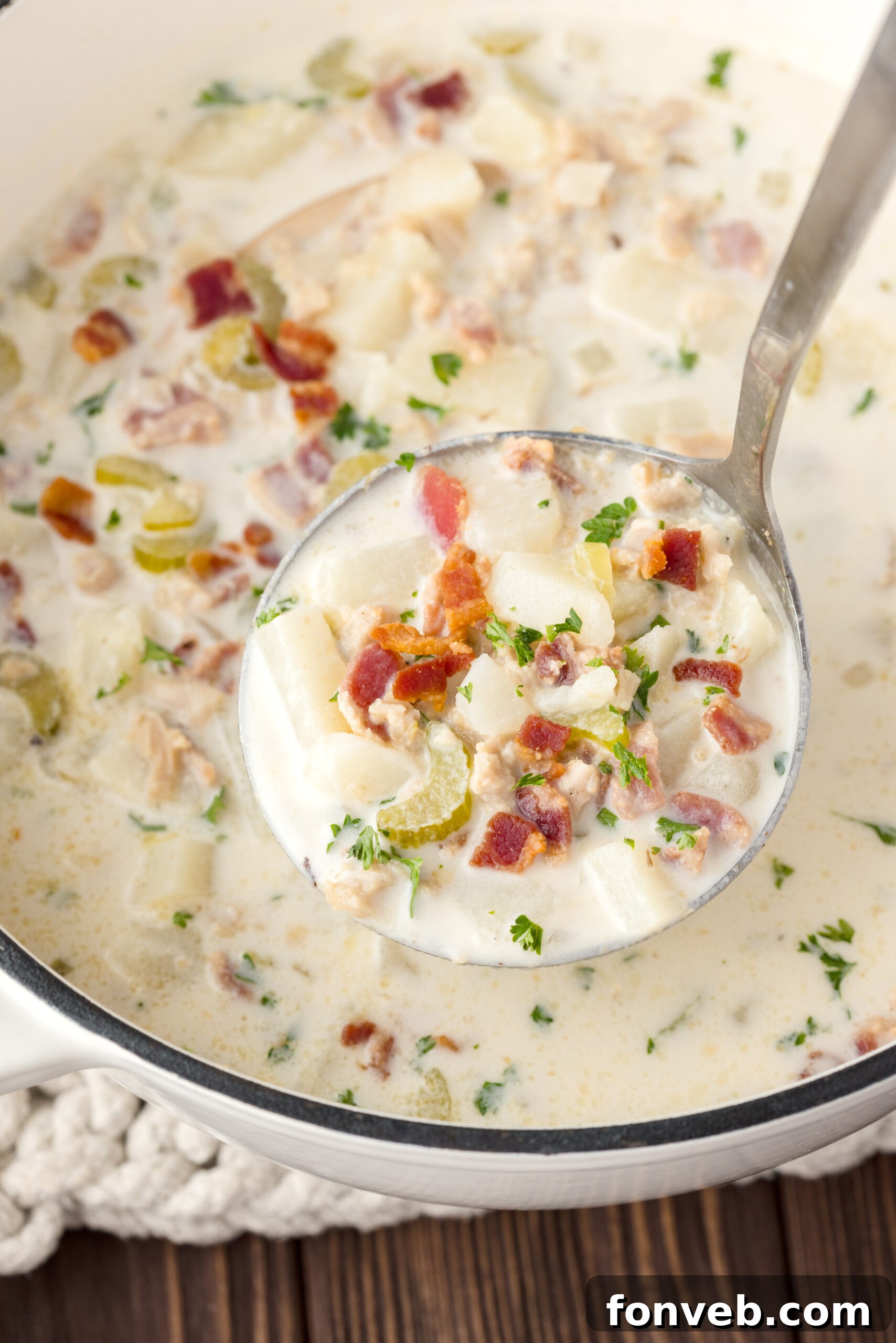
For aficionados of authentic clam chowder, this recipe is guaranteed to be a sensational hit. The exquisite creaminess of the base creates a luxurious mouthfeel, while the smoky, salty notes from the bacon provide a delightful contrast that elevates the natural sweetness of the clams. It’s a harmonious blend of flavors that will transport you straight to a quaint seaside diner, offering an experience that is both deeply satisfying and incredibly easy to achieve at home.
If you’re looking to expand your repertoire of delectable seafood dishes, be sure to explore my recipes for New England lobster rolls and crispy panko-breaded shrimp. Both options are incredibly flavorful, easy to prepare, and universally loved by families, making them perfect additions to your weekly meal plan.
Reasons You Will Absolutely Love This New England Clam Chowder
There’s a reason New England Clam Chowder has stood the test of time as a beloved classic. Our homemade version captures all the magic, offering an array of reasons why it will quickly become a cherished favorite in your kitchen:
- Ultimate Comfort Food: This hearty and soul-warming soup is absolutely perfect for chilly evenings or whenever you crave a meal that truly sticks to your bones. Its rich texture and robust flavors offer a comforting hug in a bowl, chasing away the blues and leaving you feeling deeply satisfied.
- Restaurant-Quality Flavor, Homemade Ease: Prepare to impress! This recipe delivers a luxurious, restaurant-worthy flavor profile and an appealing presentation that belies its simple preparation. You don’t need to be a gourmet chef to create a chowder that tastes like it came from a five-star New England establishment.
- A Family Favorite: With its mild yet rich seafood flavors, tender vegetables, and irresistible creaminess, this chowder is a guaranteed hit with family members of all ages. Even picky eaters will find something to love in this delightful, comforting dish.
- Layers of Texture and Taste: Each spoonful is an adventure. You’ll encounter the succulence of tender clams, the crisp saltiness of bacon, the soft yield of diced potatoes, and the subtle crunch of celery, all enveloped in a velvety-smooth, intensely flavorful cream base. It’s a multi-dimensional eating experience.
- Authentic East Coast Experience: This recipe truly captures the essence of what a classic clam chowder should be. It’s the genuine article, offering the authentic taste and texture you’d expect from a traditional New England chowder ordered at a quaint seaside eatery.
- Highly Versatile: While perfect as is, this chowder also serves as an excellent base for culinary creativity. Easily adapt it with various seafood additions or flavor enhancements to suit your personal preferences or what you have on hand.
- Economical and Wholesome: Enjoying a premium chowder at home is not only more affordable than dining out, but it also allows you to control the quality of ingredients, ensuring a wholesome and nourishing meal for your loved ones.
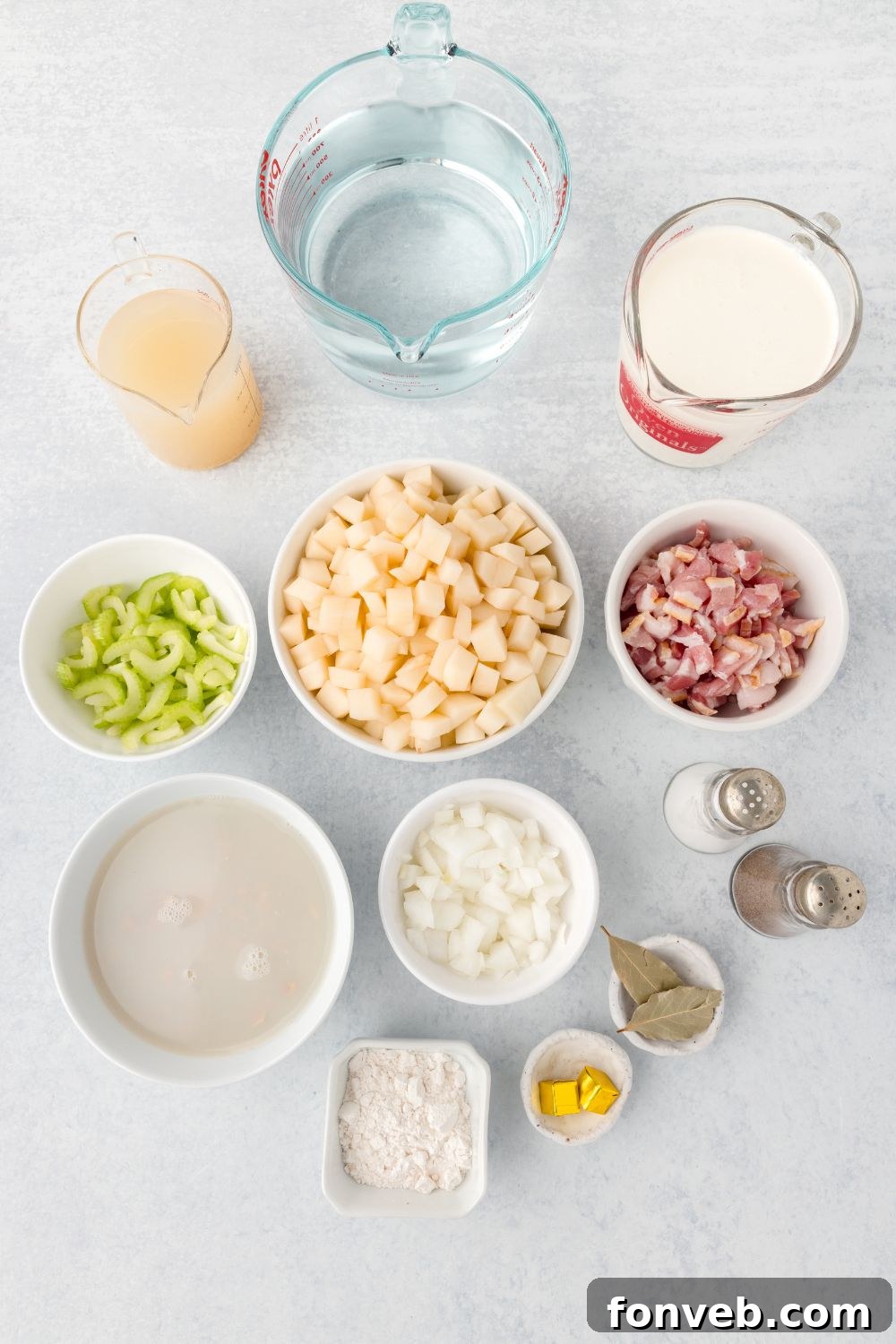
Essential Ingredients for Your Perfect Chowder
Crafting an exceptional New England Clam Chowder begins with selecting the right ingredients. Here’s a detailed look at what you’ll need and why each component is vital:
- Clams and Clam Juice: For convenience and consistent flavor, I recommend using canned minced clams along with their natural juices, supplemented with additional clam juice. This combination provides a robust, concentrated seafood flavor that forms the backbone of the chowder. While fresh clams can be used, canned options offer ease and excellent results. If opting for fresh, ensure they are properly cleaned and steamed open, reserving their liquid for the chowder.
- Bacon: Crispy bacon bits add an irreplaceable smoky, salty counterpoint to the sweetness of the clams and the richness of the cream. More importantly, rendering the bacon provides a flavorful fat that serves as the foundation for sautéing your vegetables, infusing the entire soup with a savory depth. Choose a good quality, thick-cut bacon for the best flavor and texture.
- Vegetables: A classic trinity of onion, celery, and potatoes forms the aromatic and textural heart of this chowder.
- Onion & Celery: These aromatics are sautéed in bacon fat, creating a savory mirepoix base that builds a profound depth of flavor from the very start. They soften beautifully in the soup, contributing subtle sweetness and savory notes.
- Potatoes: Diced potatoes are essential for their hearty texture and their natural starchiness, which helps to thicken the chowder to that characteristic creamy consistency. Waxy or all-purpose potatoes like Yukon Gold or red potatoes are excellent choices as they hold their shape well without becoming mushy.
- Water: Filtered water is used as the initial liquid base. When combined with bouillon, it creates a rich and flavorful broth that hydrates the potatoes and blends beautifully with the other ingredients.
- Bouillon Cubes (or Granules): These are key for intensifying the savory notes of the broth, adding a ‘chickeny’ depth without overwhelming the delicate clam flavor. Chicken bouillon is traditional, but vegetable bouillon can also be used if preferred. Ensure they dissolve completely into the hot liquid.
- Heavy Cream: This is the secret to achieving that signature luxurious, thick, and incredibly creamy texture that defines New England Clam Chowder. Full-fat heavy cream provides unparalleled richness and body. For a slightly lighter version, half-and-half can be substituted, but it will result in a less robustly creamy chowder.
- Bay Leaves: A couple of bay leaves simmered in the chowder impart a subtle, earthy, and slightly herbaceous aroma that deepens the overall complexity of the soup. Remember to remove them before serving, as they are not meant to be eaten.
- Salt and Pepper: Essential for seasoning, these humble ingredients allow you to fine-tune the flavor profile to your exact preference. Remember that bacon and bouillon contribute salt, so taste and adjust gradually throughout the cooking process. Freshly ground black pepper offers the best aroma and flavor.
Exciting Variations to Elevate Your Chowder
While this New England Clam Chowder is perfect as written, it’s also incredibly versatile and can be customized to suit your taste preferences. Here are some delicious variations to inspire your culinary creativity:
- Add More Seafood: To create an even richer and more luxurious seafood experience, consider adding other treasures from the sea. Cooked lobster meat, succulent shrimp, or pan-seared scallops can be stirred in during the final minutes of cooking. This enhances the clam flavor beautifully and adds extra layers of texture and protein.
- Introduce a Smoky Dimension: For a delightful twist, seek out smoked clams if available, as they impart a wonderfully deep, smoky flavor. Alternatively, a few drops (start with 1-2 and taste) of liquid smoke can be added to the chowder, giving it a subtle campfire aroma that complements the bacon and clams perfectly.
- Sweet Corn Inclusion: A burst of sweetness and vibrant color can be achieved by adding corn. Whether you prefer fresh corn cut off the cob, drained canned corn, or thawed frozen corn, it will provide a lovely textural pop and a delicate sweetness that balances the richness of the chowder. Add it towards the end of the simmering time to prevent overcooking.
- Spice It Up: If you enjoy a bit of heat, infusing your chowder with some spice can be incredibly satisfying. Finely diced jalapeño peppers (with or without seeds, depending on your desired heat level) or a pinch of cayenne pepper can be added during the vegetable sautéing stage. A dash of your favorite hot sauce at the end also works wonders.
- Dairy-Free with Coconut Milk: For a dairy-free alternative or a unique flavor profile, swap the heavy cream for full-fat coconut milk. This will create a creamy, slightly tropical-flavored chowder. The coconut flavor is generally not overpowering, offering a subtle exotic hint that pairs surprisingly well with the clams. Ensure you use full-fat coconut milk for the best creamy texture.
- Fresh Herbs Finish: Elevate the freshness by stirring in finely chopped fresh herbs like parsley, chives, or thyme just before serving. These bright green additions not only enhance the visual appeal but also add a fragrant, herbaceous note that lifts the entire dish.
- Add Leeks or Carrots: For additional vegetable goodness and subtle sweetness, sauté thinly sliced leeks (white and light green parts) or finely diced carrots along with the onions and celery. They add another layer of flavor and texture without distracting from the main ingredients.
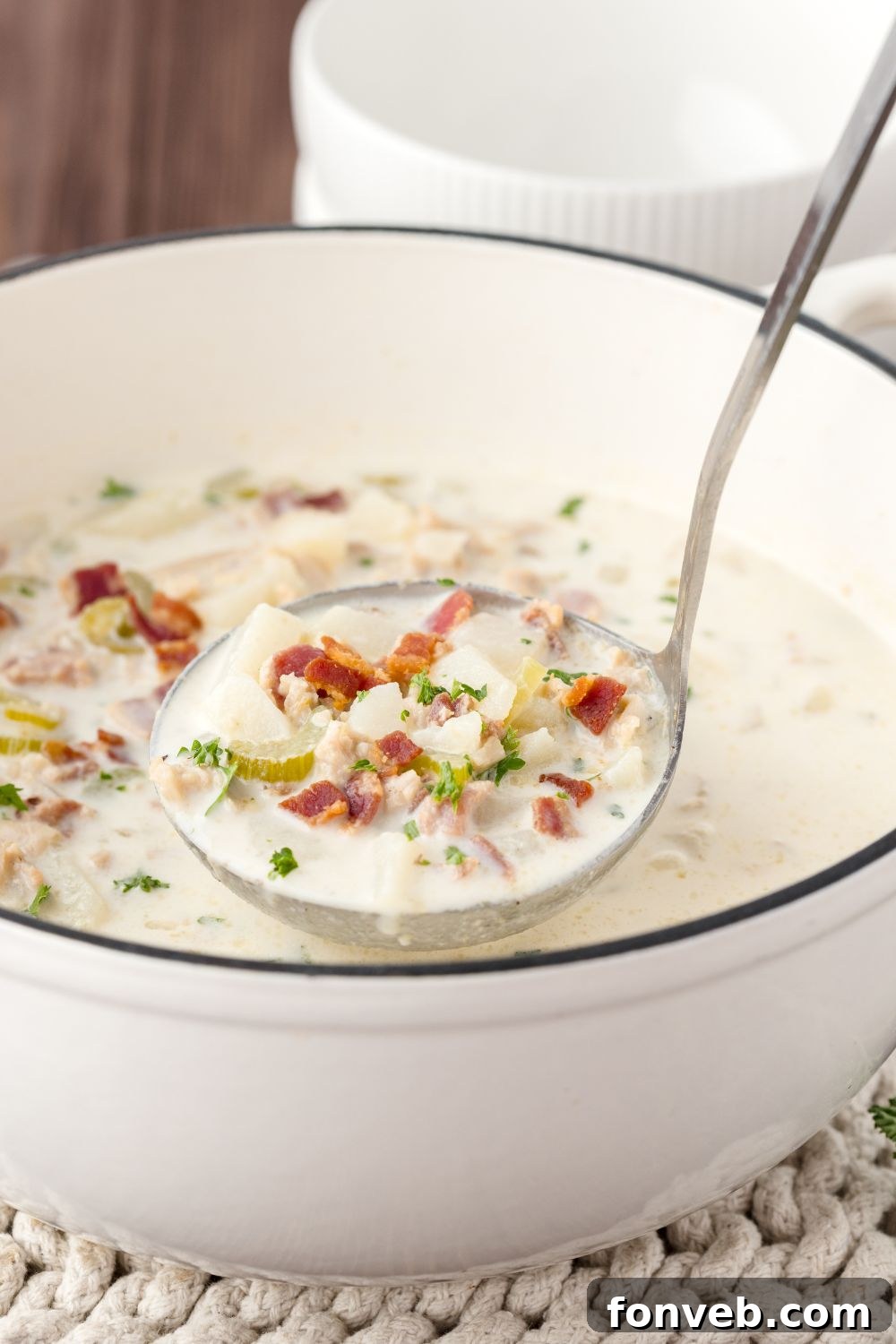
Storing and Reheating Your Delicious Leftovers
One of the best things about homemade clam chowder is that it often tastes even better the next day! Proper storage ensures you can savor every last spoonful. Here’s how to handle your leftovers:
- Refrigerate: Any leftover New England Clam Chowder can be safely stored in an airtight container in the refrigerator for up to 3-4 days. Make sure the chowder has cooled completely before transferring it to the container to prevent condensation and bacterial growth.
- Freeze: Clam chowder freezes surprisingly well, making it excellent for meal prepping. For best results, freeze it in single-serve portions or a larger freezer-safe container. Ensure the container is airtight to prevent freezer burn. It can be stored in the freezer for 1-3 months. When ready to enjoy, thaw the chowder overnight in the refrigerator before reheating. Note that the texture of the potatoes might change slightly after freezing, becoming a bit softer.
- Reheat:
- Microwave: For individual servings, transfer the chowder to a microwave-safe bowl. Heat on medium power, stirring occasionally, until it is steamy and warmed all the way through. Be careful not to overheat it rapidly, as high heat can cause the cream to curdle.
- Stovetop: For larger quantities, gently reheat the chowder in a saucepan over low to medium-low heat, stirring frequently. Bring it to a gentle simmer, but avoid a rolling boil. If the chowder appears too thick after refrigeration or freezing, you can stir in a splash of milk or extra clam juice to reach your desired consistency.
Always ensure the chowder is heated to a safe internal temperature before serving.
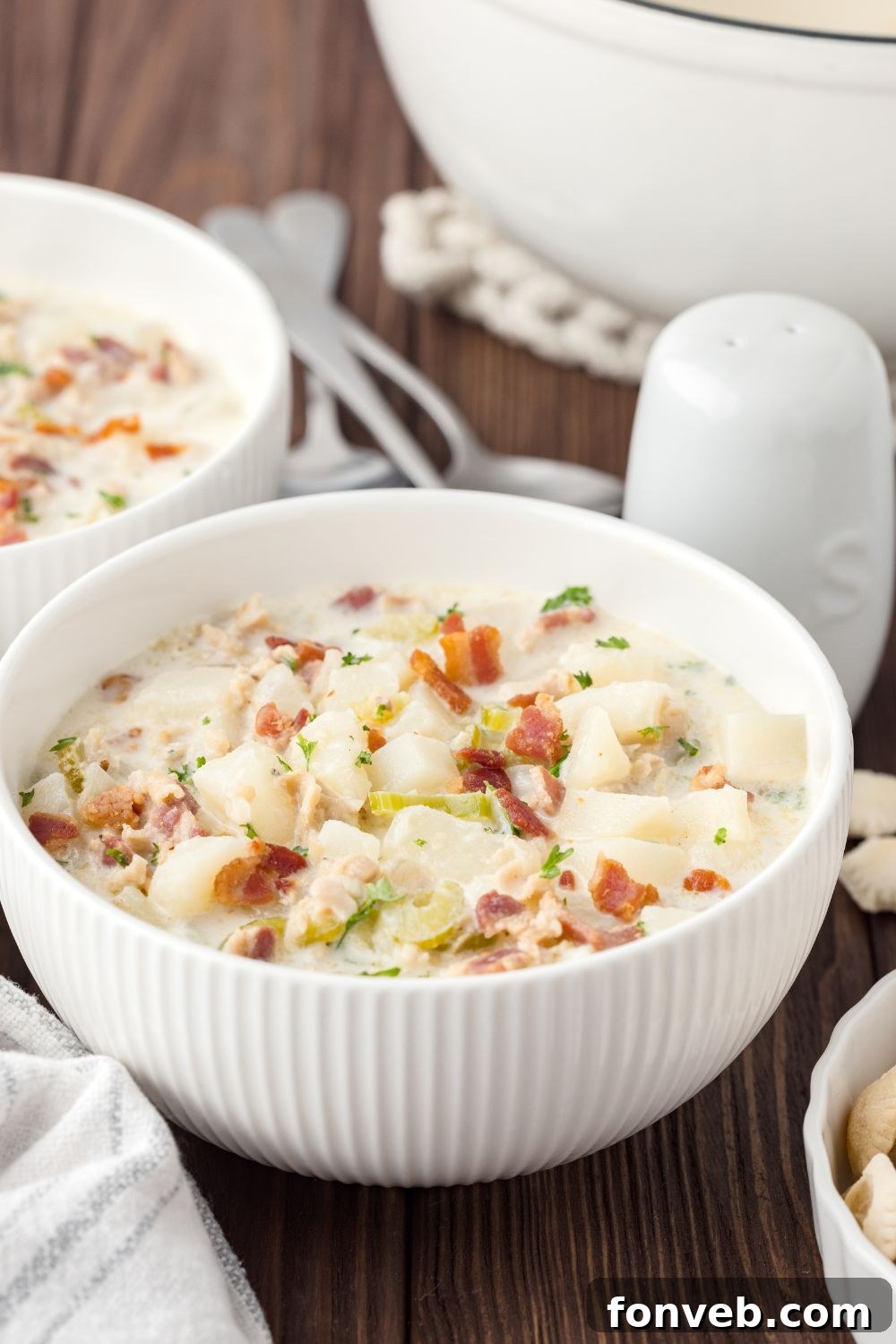
What to Serve With New England Clam Chowder
New England Clam Chowder is a satisfying meal on its own, but pairing it with the right accompaniments can truly enhance the dining experience. Here are some classic and creative suggestions:
- Classic Oyster Crackers: This is arguably the most traditional pairing. The crisp, salty crackers provide a wonderful textural contrast to the creamy soup and are perfect for crumbling on top or dipping directly into the chowder.
- Crusty Bread: A warm, crusty baguette, a slice of sourdough, or even a hearty rye bread is ideal for soaking up every last drop of that rich, creamy broth. Consider lightly toasting it or serving it with garlic butter.
- Cornbread: For a slightly different but equally comforting pairing, serve your chowder with warm, buttery cornbread. Its slightly sweet and crumbly texture offers a delightful contrast to the savory soup.
- Green Salad: To lighten the meal and add a refreshing element, a simple green salad with a light vinaigrette is an excellent choice. The crispness and acidity of the salad cut through the richness of the chowder beautifully.
- Crunchy Coleslaw: A crisp, tangy coleslaw offers a refreshing crunch and a zesty flavor that can balance the creamy chowder. The cool, crisp cabbage and vibrant dressing provide a lovely contrast.
- Grilled Cheese Sandwich: For a truly indulgent and comforting meal, pair your clam chowder with a classic grilled cheese sandwich. The gooey cheese and toasted bread are a match made in heaven for dipping.
- Roasted Vegetables: A side of simply roasted seasonal vegetables, such as asparagus or Brussels sprouts, can add a touch of earthiness and nutrients without overpowering the chowder.
Feel free to experiment with these sides and discover what tastes best for you and your family. The goal is to complement the chowder’s rich flavors and textures.
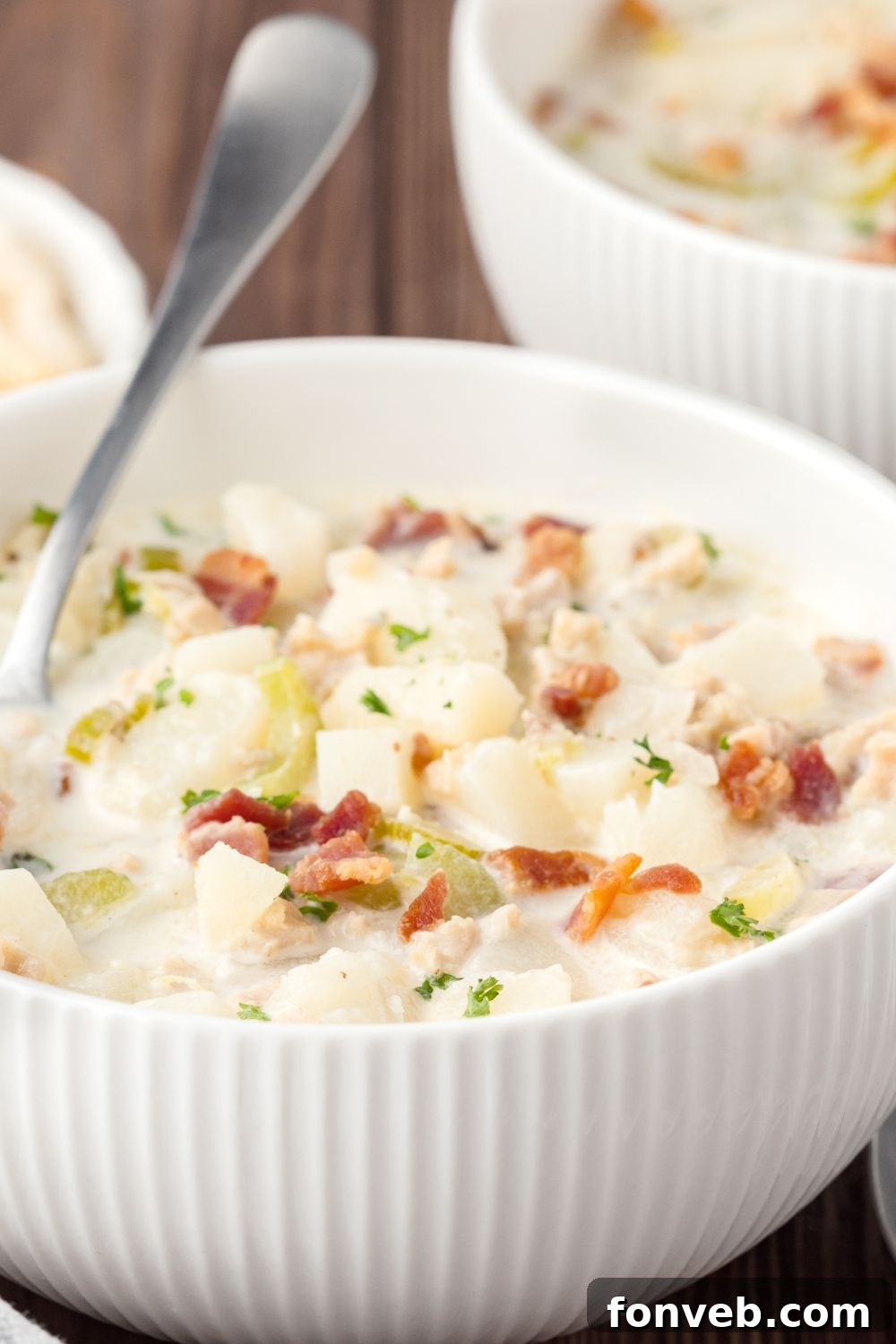
Expert Tips for Crafting the Best Clam Chowder
Making a truly exceptional New England Clam Chowder is a rewarding experience. Follow these tips to ensure your chowder turns out perfectly every time:
Prioritize Quality Ingredients
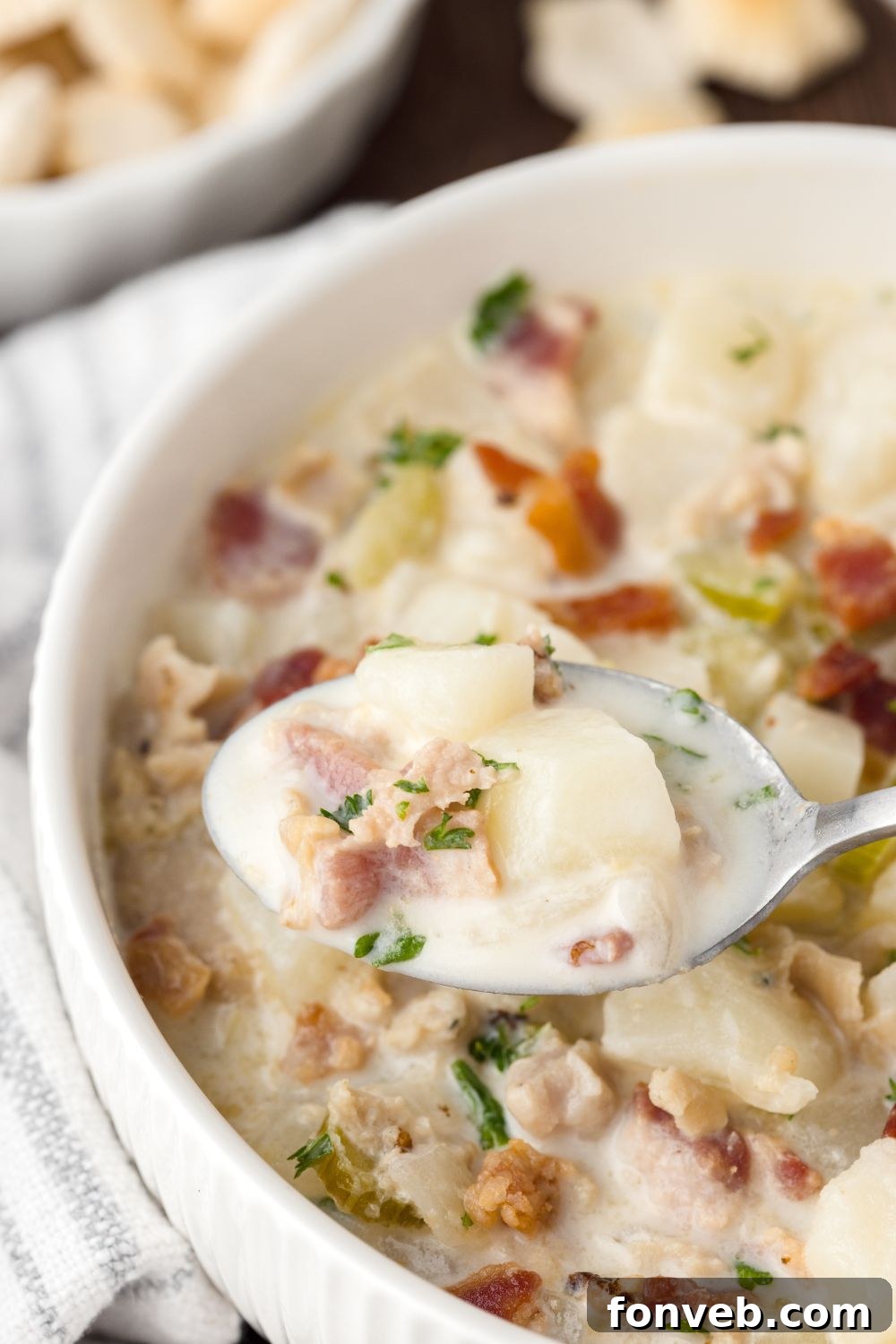
The foundation of any great dish lies in its ingredients. While canned clams are convenient and effective, opting for the freshest possible ingredients for your vegetables and dairy will significantly impact the final flavor and texture of your soup. If fresh clams are available and you’re comfortable preparing them, by all means, use them – they offer an unparalleled brininess. Otherwise, high-quality canned minced or chopped clams, especially those packed in their own juice, are an excellent choice. Always use fresh, firm potatoes and vibrant celery and onions.
Aim for Small, Uniform Bites
Consistency is key for both cooking and eating enjoyment. When chopping your bacon, dicing your potatoes, onions, and celery, strive for small, uniform bite-sized pieces. This ensures that all ingredients cook evenly and at roughly the same rate. More importantly, it guarantees that each spoonful of chowder delivers a harmonious blend of flavors and textures, preventing any single ingredient from dominating the bite.
Master the Chowder’s Thickness
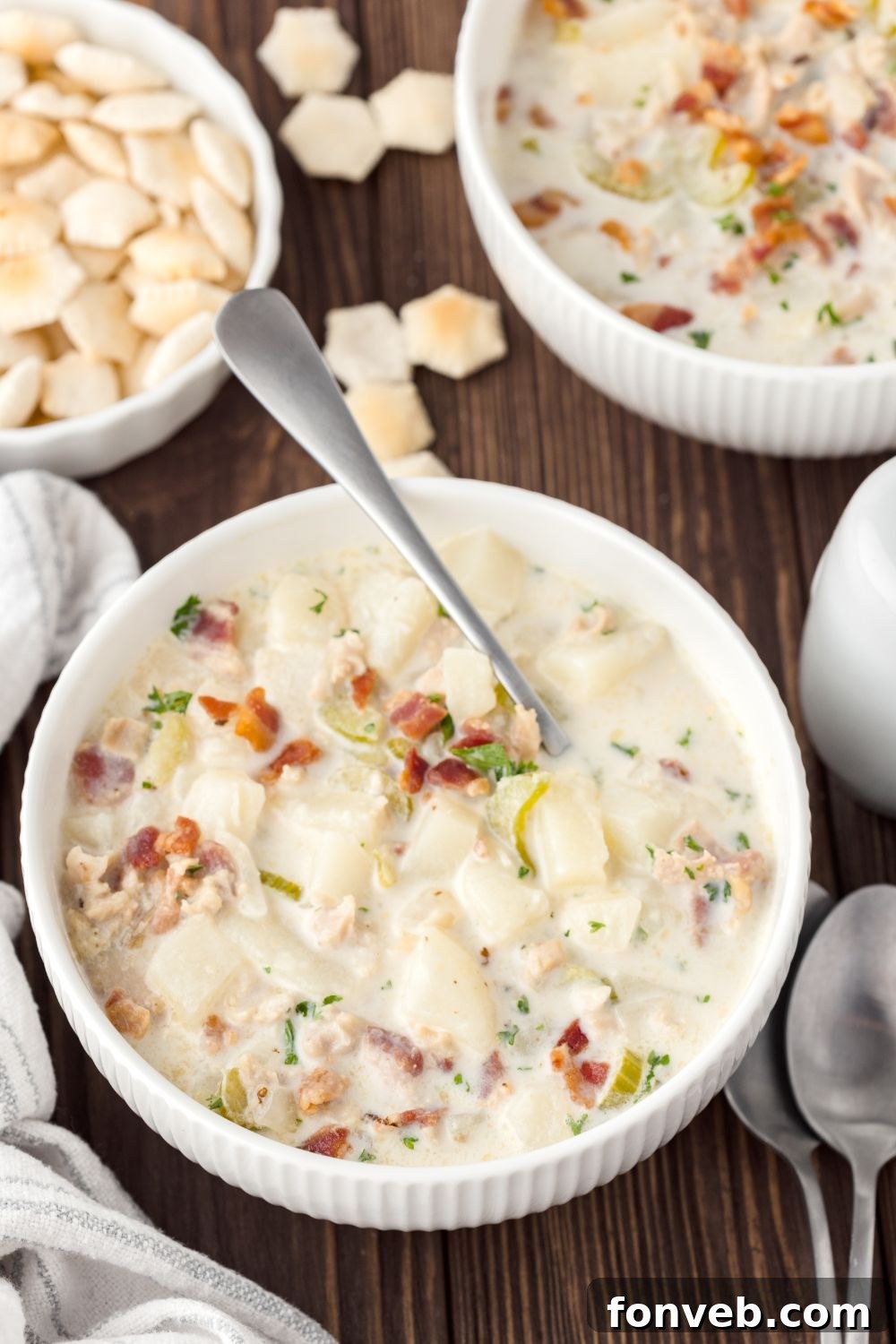
Achieving the perfect chowder consistency is crucial. Allowing the chowder to simmer gently, uncovered, towards the end of the cooking process will naturally help it thicken as the liquid reduces and the potato starches release. If you find your chowder is still not thick enough for your preference, a cornstarch slurry is your best friend. In a small bowl, whisk together 1 tablespoon of cornstarch with 2 tablespoons of cold water until smooth. Slowly stir this mixture into your simmering chowder, allowing it to cook for another minute or two until it reaches your desired thickness. Avoid adding dry cornstarch directly to the hot soup, as it will clump.
Season Generously and Taste Frequently
Seasoning is an ongoing process. Clam chowder should have a balanced, well-rounded flavor. Begin with the amounts suggested in the recipe, but frequently taste the chowder as it simmers and adjust the salt and pepper as needed. Remember that the bacon and bouillon cubes contribute significant saltiness, so add additional salt cautiously. Don’t be afraid to add a pinch more of salt to truly bring out the flavors. If you feel it’s lacking something, a dash of white pepper, a tiny sprinkle of thyme, or a pinch of garlic powder can add subtle layers of complexity. Fresh herbs like parsley or chives, stirred in just before serving, also brighten the flavors.
Prevent Dairy from Curdling
Dairy can curdle if exposed to high heat or a rapid boil. To prevent this, always add the heavy cream at the very end of the cooking process, after the potatoes are tender. Once added, keep the heat on low and simply warm the chowder through, stirring gently. Never bring the chowder to a rolling boil after the cream has been added.
Build Flavor in Layers
Great chowder isn’t made by just throwing everything in a pot. Each step is designed to build flavor. Sautéing the vegetables in bacon fat is crucial. Deglazing the pot (if necessary, after sautéing) helps capture all those browned bits of flavor. Simmering the potatoes in a flavorful broth allows them to absorb those savory notes. Each stage contributes to the richness and depth of the final dish.
Frequently Asked Questions About Clam Chowder
Here are some common questions and helpful answers to ensure your clam chowder-making experience is a breeze:
How do I prevent the dairy in the chowder from curdling?
Preventing dairy from curdling is key to a smooth, creamy chowder. The most important rule is to avoid high heat once the heavy cream (or any dairy) is added. Ensure your chowder is simmering gently on low heat, and add the cream slowly, whisking it in gradually. Never bring the chowder to a rapid boil after the dairy has been incorporated. If you’re concerned, you can temper the cream by whisking a small amount of the hot chowder into the cold cream before adding the cream back to the main pot.
Can I make clam chowder without dairy?
Absolutely! For a dairy-free version, you can substitute the heavy cream with full-fat coconut milk for a rich, creamy base with a subtle tropical hint. Alternatively, use a high-quality dairy-free unsweetened cream alternative, such as cashew cream or oat milk-based culinary cream. Be aware that the flavor profile will shift slightly, but you can still achieve a wonderfully creamy and satisfying chowder.
What type of clams should I use?
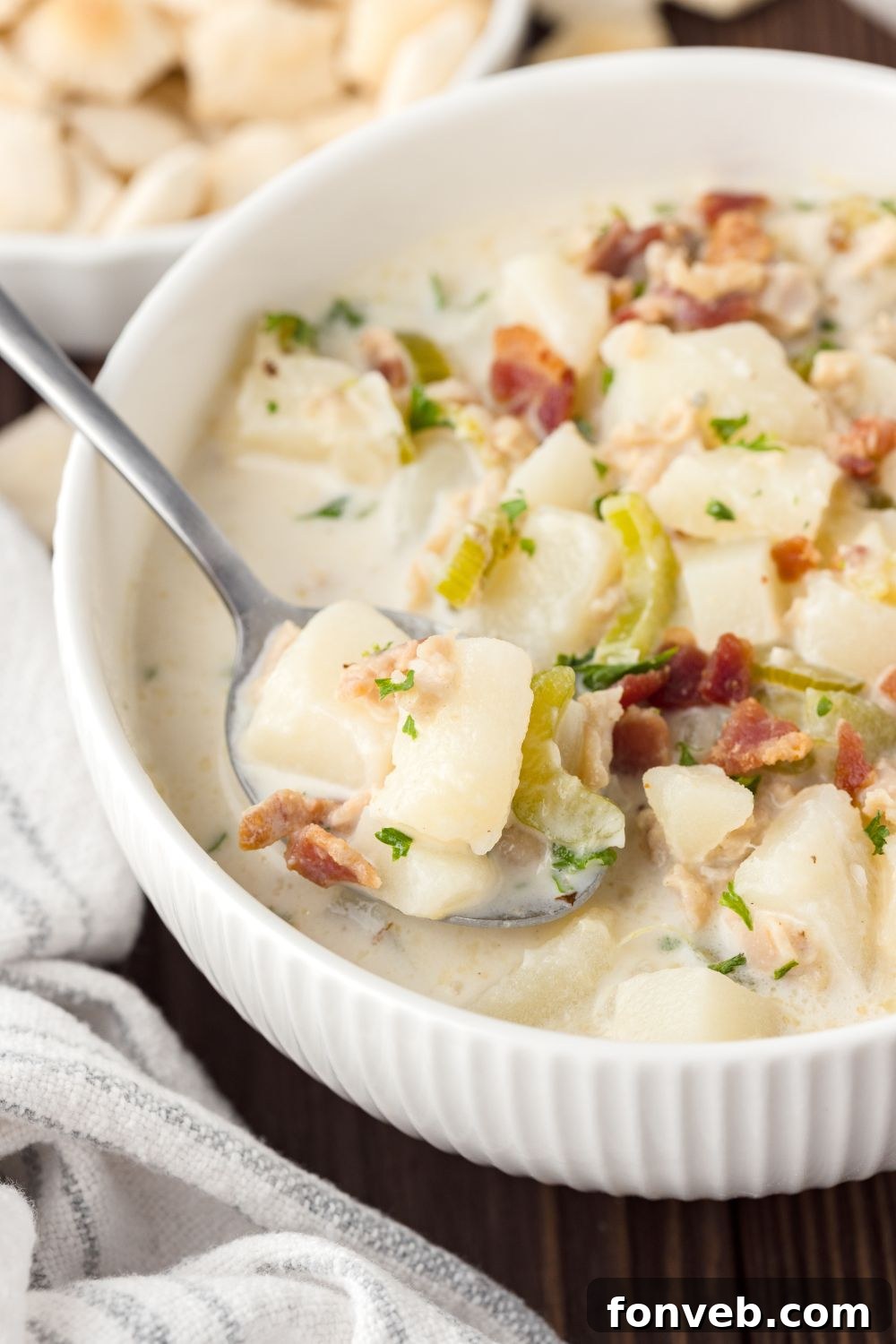
This recipe is designed to be versatile! I used canned minced clams (specifically Bumble Bee Wild-caught chopped clams) and additional clam juice (like SNOW’s Clam juice) for convenience and rich flavor. You are welcome to use any brand of canned clams you prefer. If you opt for fresh clams (such as littlenecks or cherrystones), steam them open first, chop the meat, and be sure to strain and reserve all of their flavorful cooking liquid to incorporate into your chowder base.
How do I make the chowder thicker or thinner?
If your chowder is too thin, create a cornstarch slurry (1 tablespoon cornstarch mixed with 2 tablespoons cold water) and slowly whisk it into the simmering chowder until it reaches your desired thickness. For a thicker chowder from the start, you can increase the amount of flour slightly in the roux. If your chowder is too thick, simply thin it out by stirring in additional clam juice, water, milk, or broth until it reaches your preferred consistency.
What’s the difference between New England and Manhattan clam chowder?
This is a classic distinction! New England Clam Chowder, like this recipe, is characterized by its creamy, milk or cream-based broth. It’s thick, rich, and white. Manhattan Clam Chowder, on the other hand, features a clear, tomato-based broth, typically without any dairy, and often includes a wider array of vegetables. Both are delicious, but distinctly different!
More Delicious Stews and Soup Recipes to Explore
If you’ve enjoyed this comforting chowder, you might love these other hearty and flavorful soup and stew recipes:
- Classic Jambalaya Soup
- Hearty Loaded Potato Soup
- Authentic Wonton Soup
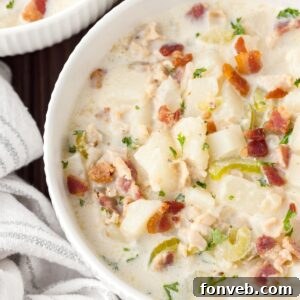
New England Clam Chowder
New England Clam Chowder is a thick and creamy clam chowder that is full of canned clams, diced bacon, potatoes, and more. A hearty and comforting dish that tastes like your favorite restaurant-quality chowder.
Pin Recipe
Share Recipe
Ingredients
- 5 slices of bacon, chopped
- 1/2 cup diced onion
- 2 celery stalks, finely chopped
- 2 tablespoons all-purpose flour
- 3 cups peeled and diced potatoes
- 2 cups water
- 2 chicken bouillon cubes
- 1 cup clam juice
- 2 cups heavy cream
- 2 cans (6.5 oz each) minced clams, undrained
- 2 bay leaves
- Salt and pepper to taste
Instructions
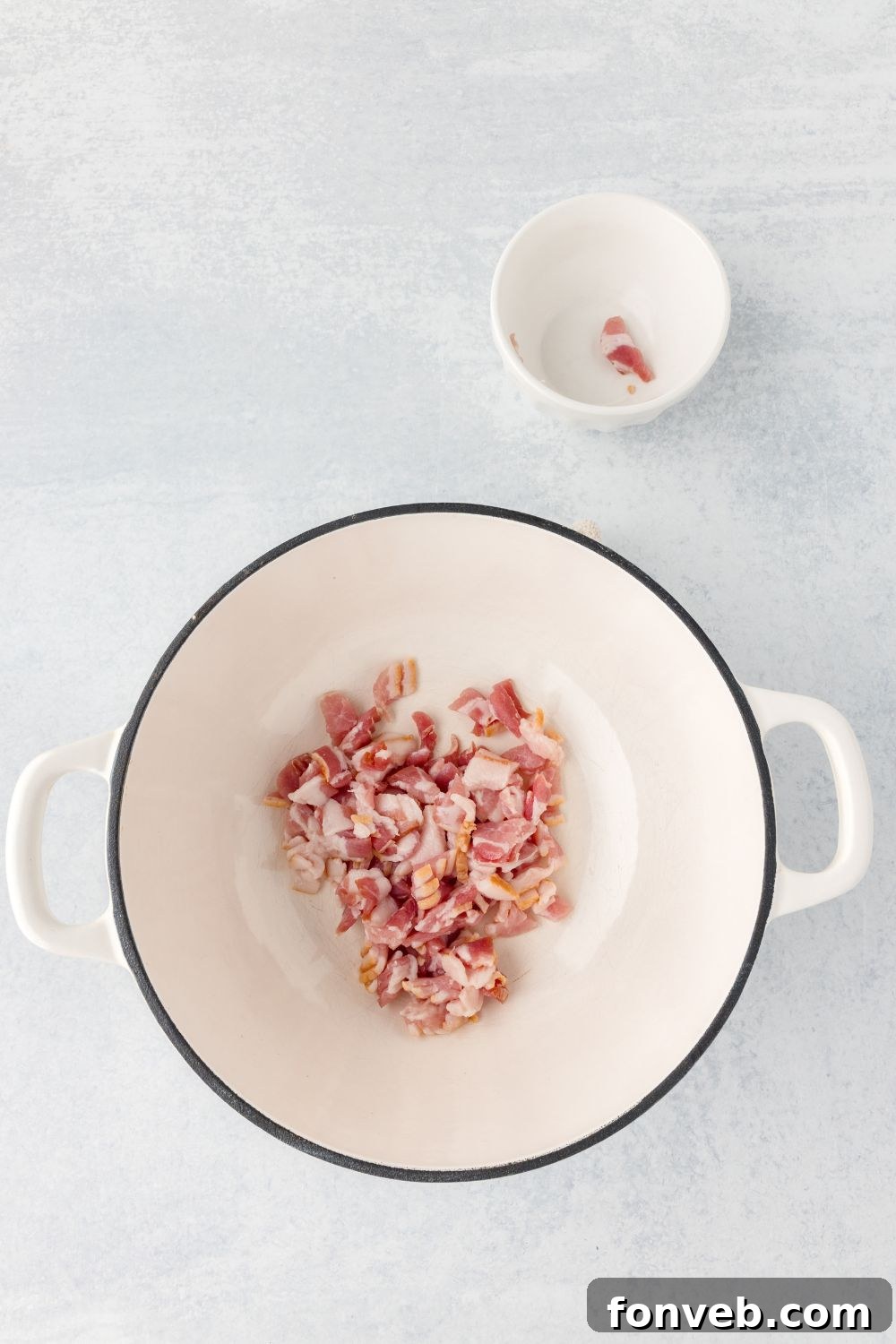
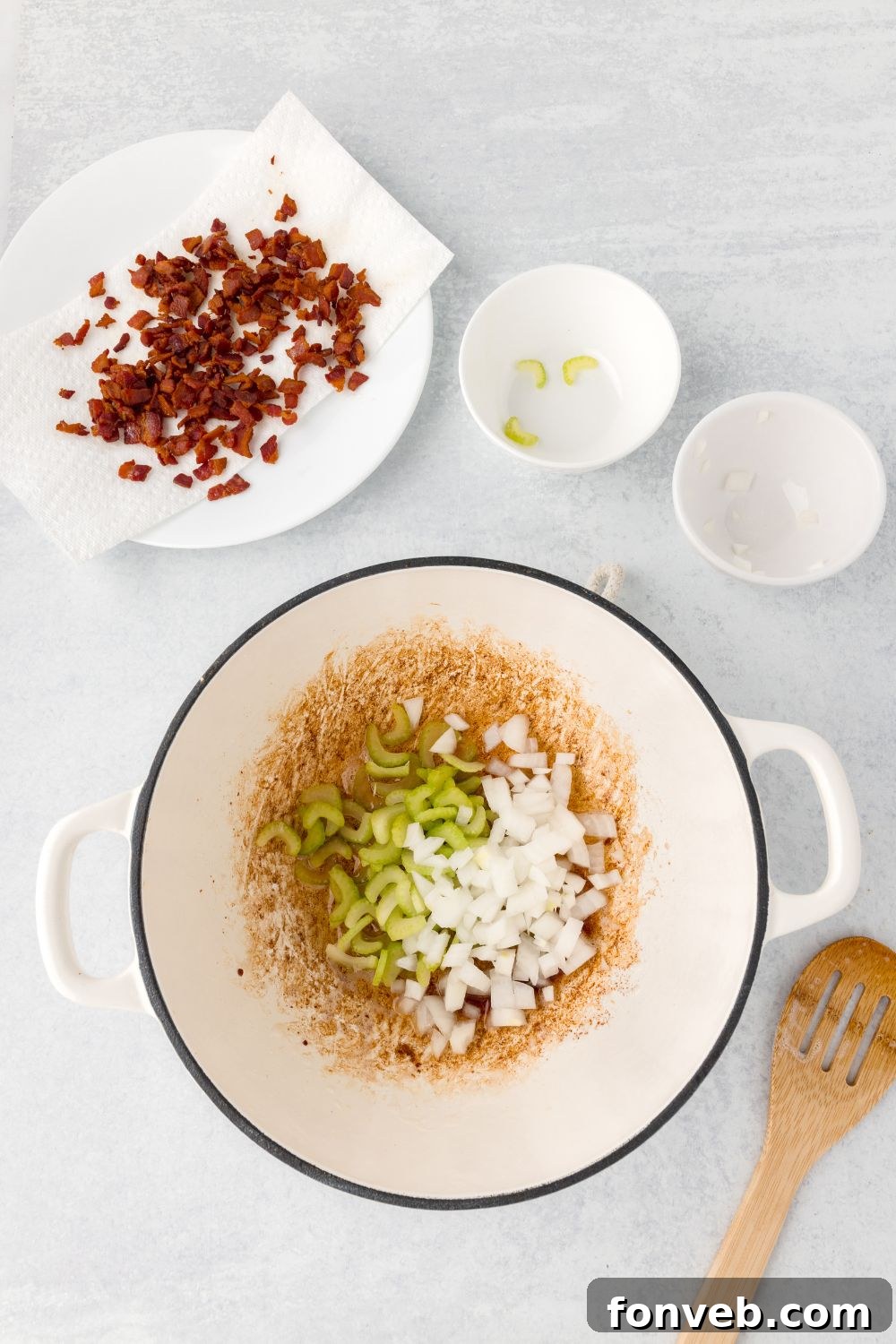
- In a large soup pot or Dutch oven, cook the chopped bacon over medium heat until it becomes crispy.
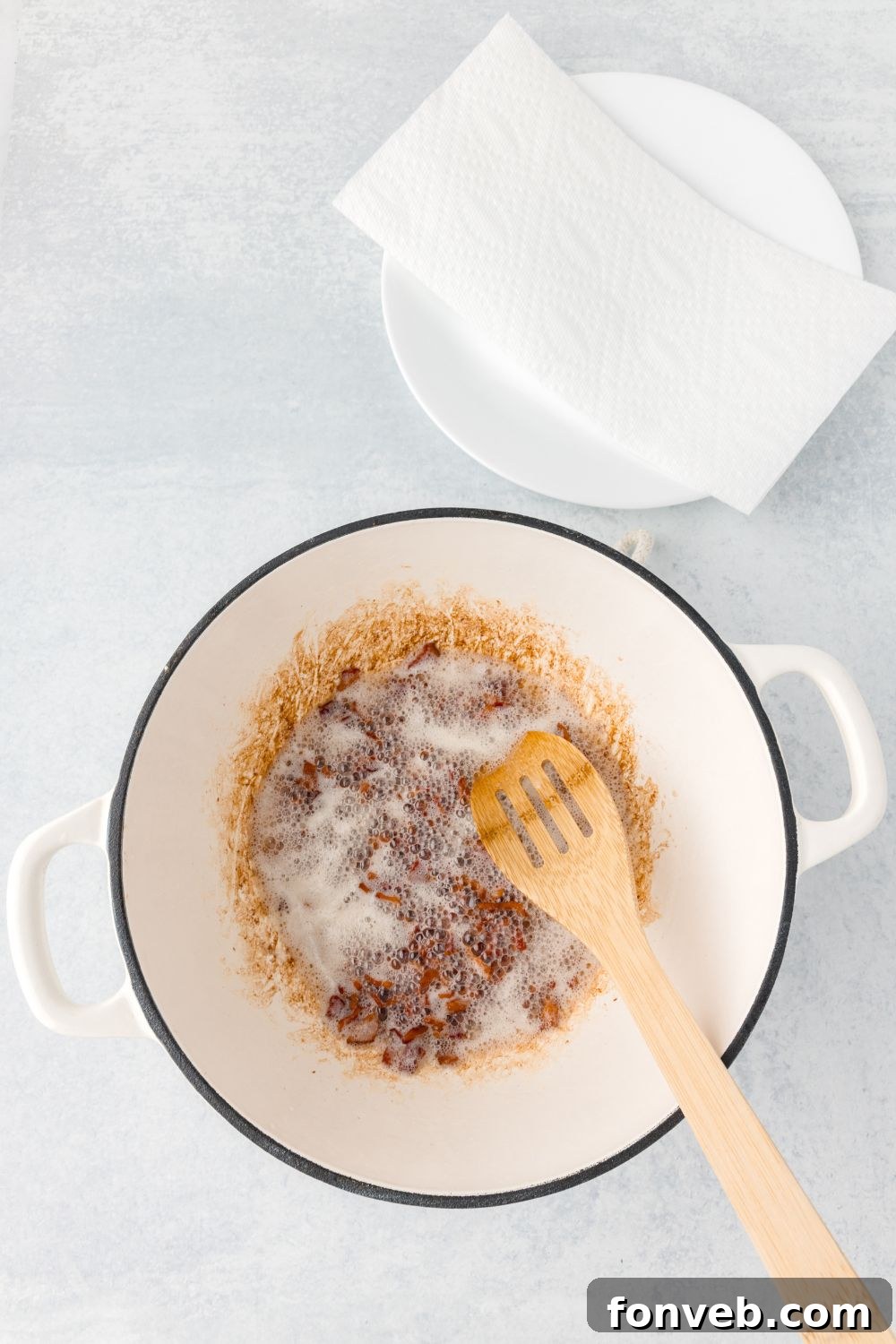
- Remove the bacon with a slotted spoon and set it aside on paper towels to drain. Leave about 1-2 tablespoons of bacon grease in the pot.
- In the same pot with the bacon grease, add the diced onion and chopped celery. Sauté them over medium heat until they become tender, which should take about 5 minutes.
- Sprinkle the all-purpose flour over the sautéed vegetables and stir well to coat. Cook for an additional 2-3 minutes, stirring constantly, to remove the raw taste of the flour and create a roux.
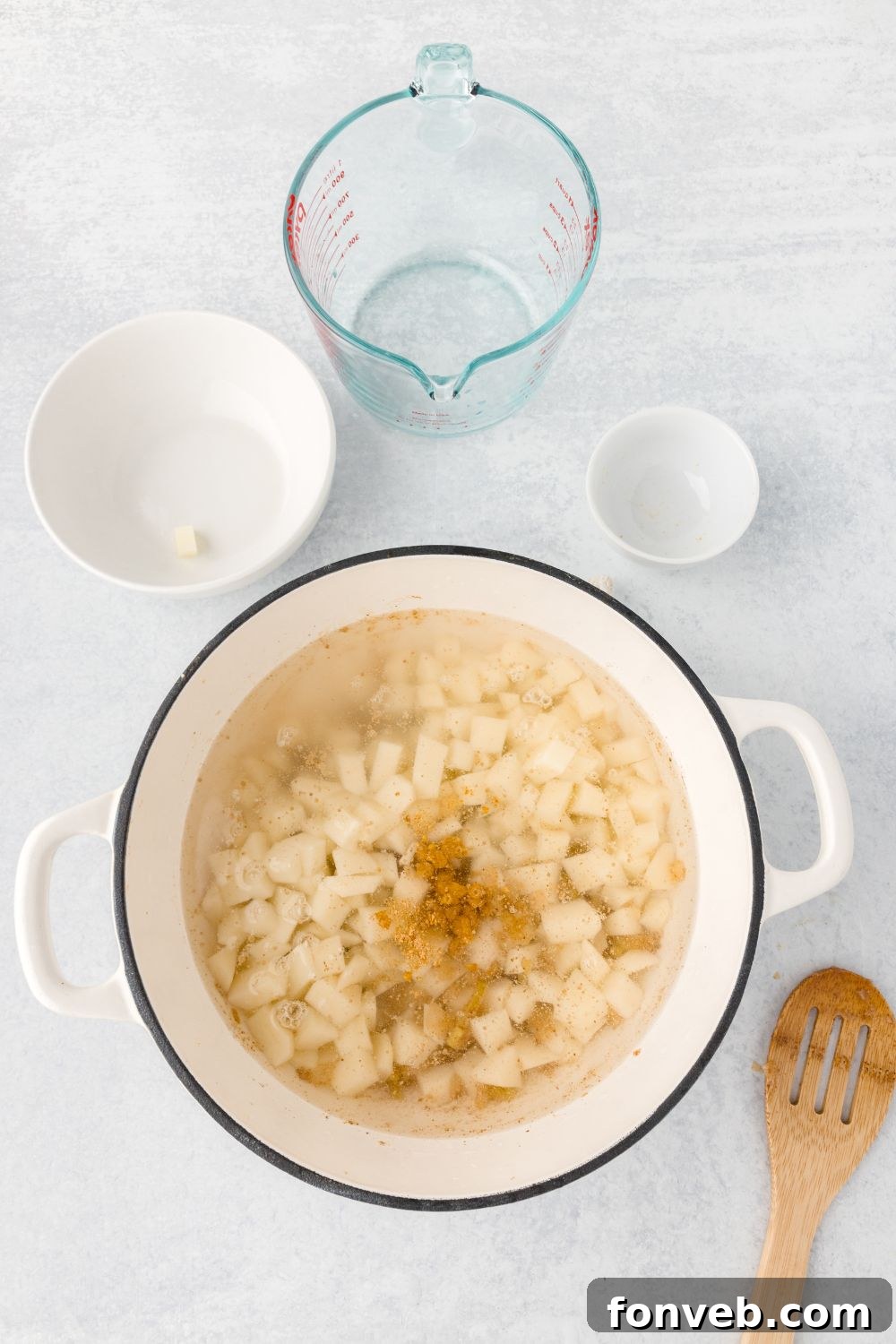
- Add the diced potatoes to the pot and pour in the water. Crumble the chicken bouillon cubes into the mixture. Stir well to combine, ensuring the bouillon dissolves.
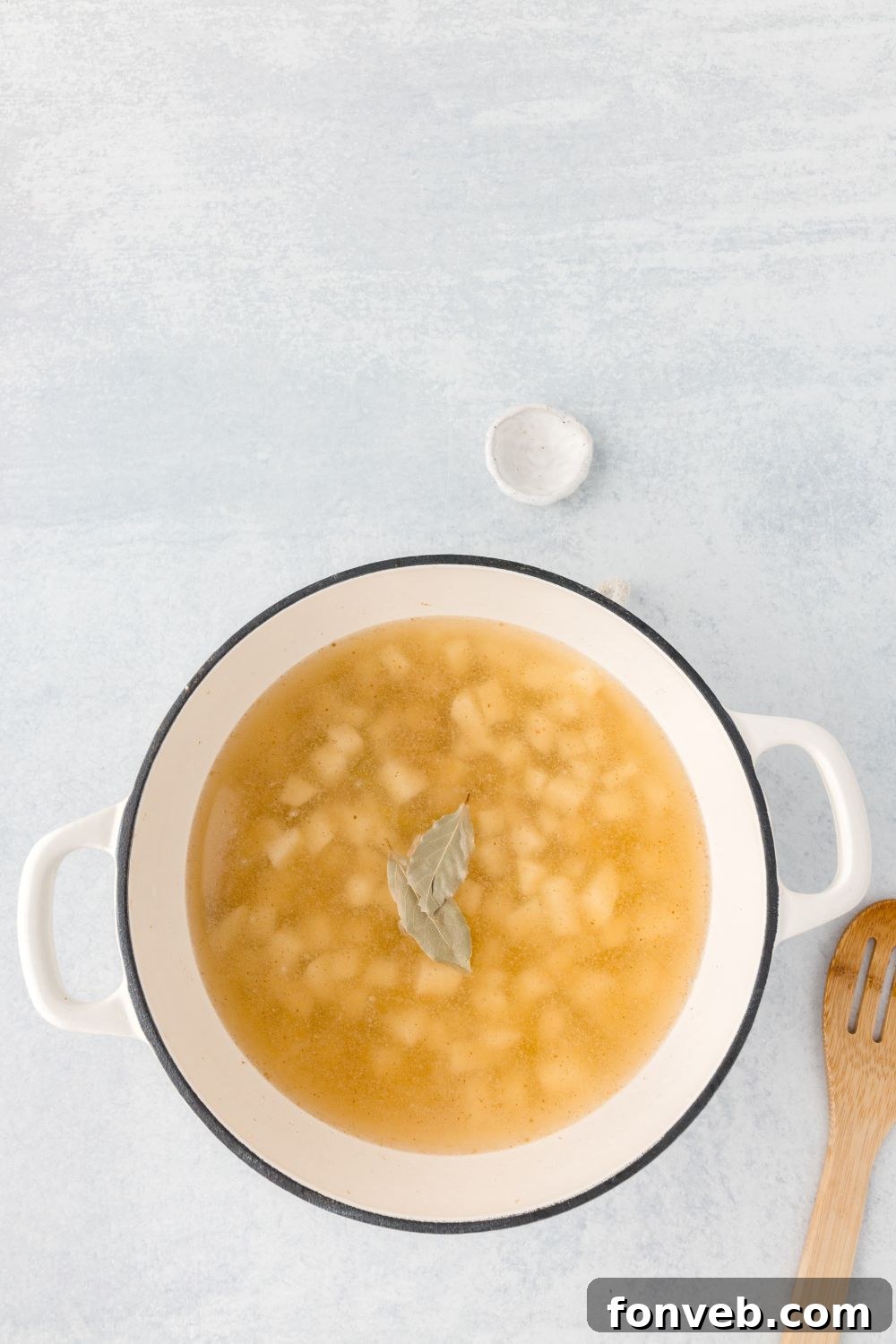
- Drop in the bay leaves. Bring the mixture to a boil, then immediately reduce the heat to low, cover, and simmer gently for about 15-20 minutes or until the potatoes are fork-tender.
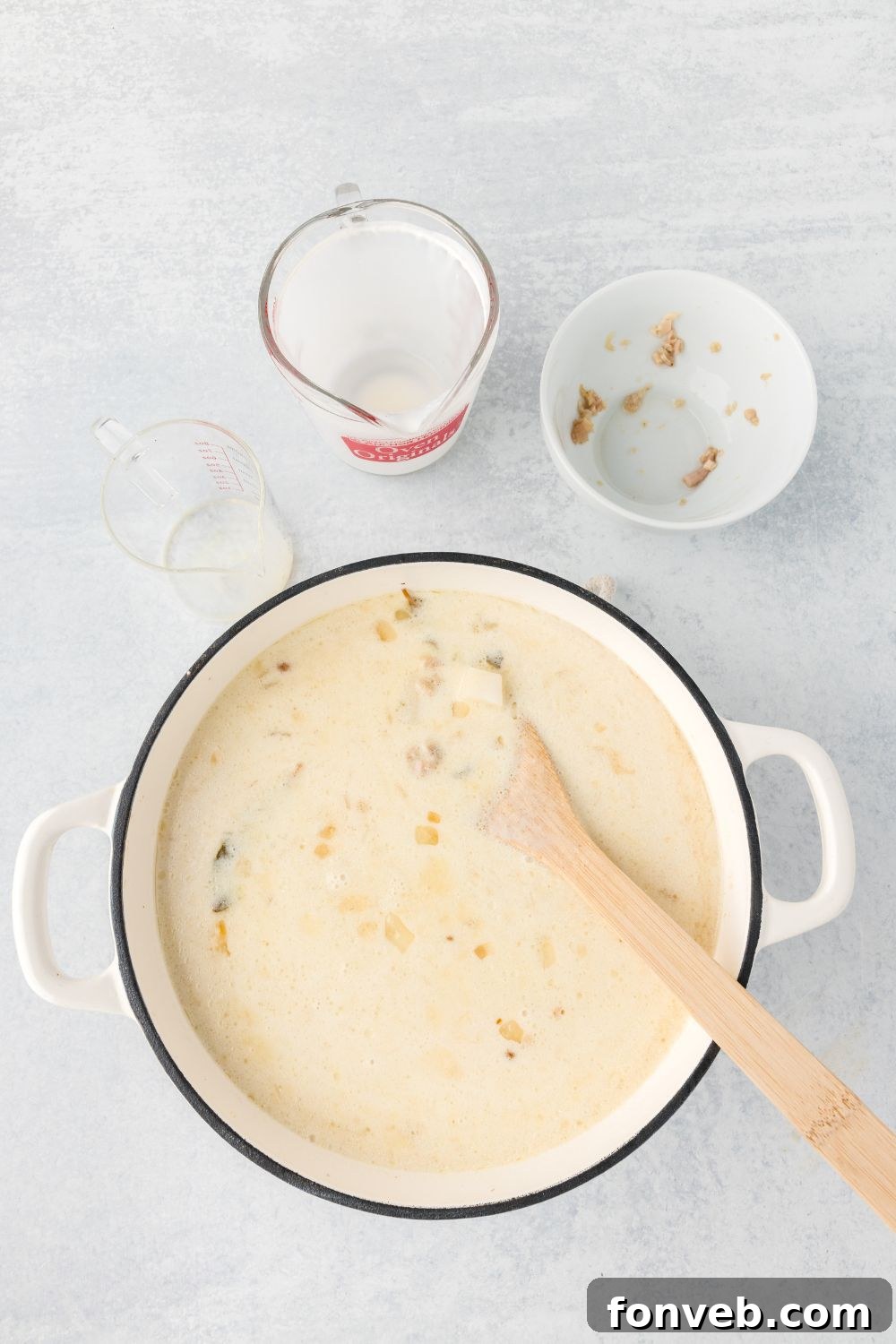
- Once the potatoes are cooked, pour in the clam juice and add the heavy cream. Stir gently to combine all ingredients.
- Add the undrained minced clams (with their juices) to the pot. Heat the chowder over low heat until it’s heated through, stirring occasionally. Be very careful not to let it boil after adding the cream, as this can cause curdling.
- Season the chowder with salt and freshly ground black pepper to taste. Remember that the bacon and bouillon cubes already contribute saltiness, so taste before adding too much additional salt.
- Remove and discard the bay leaves before serving.
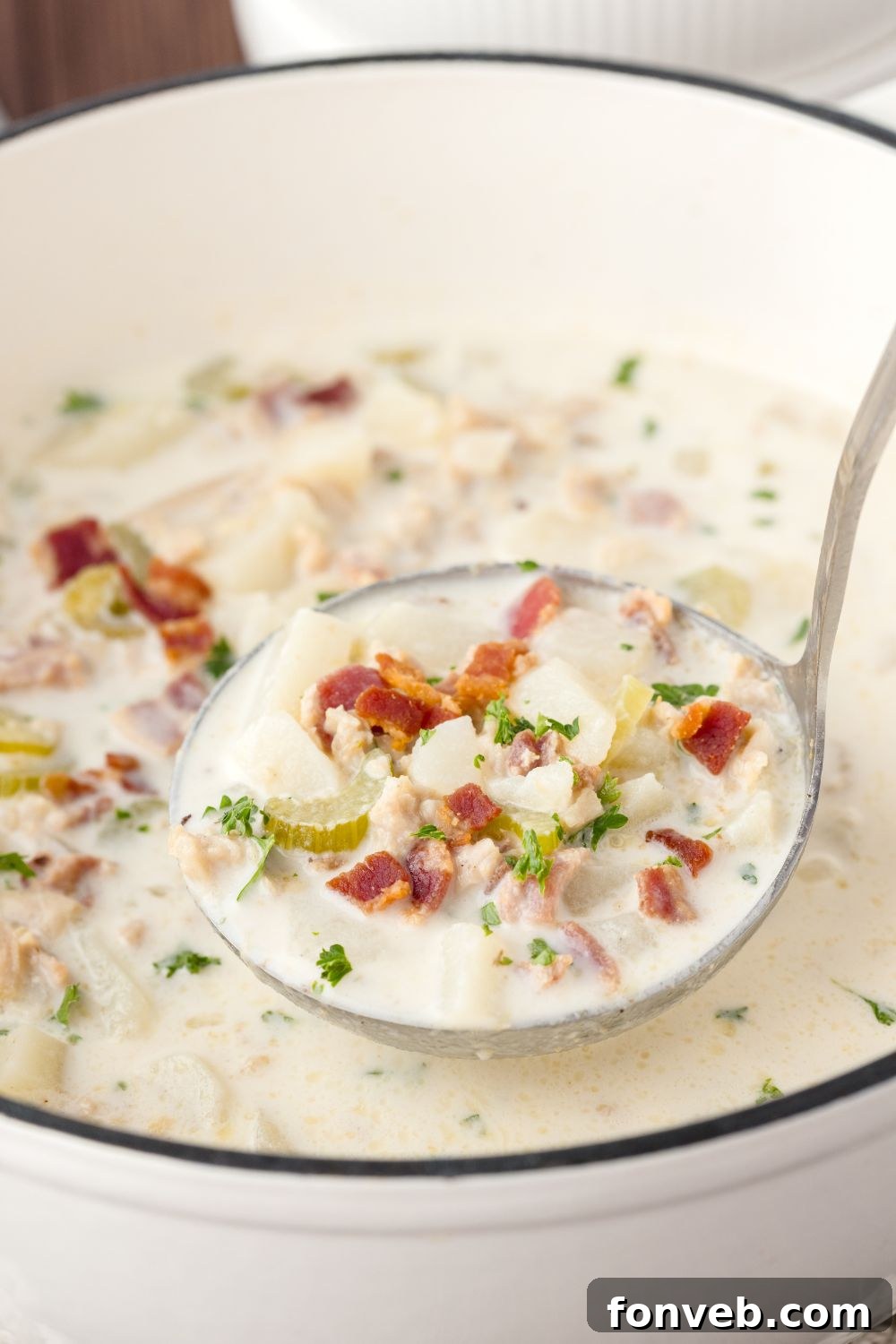
- Serve hot, garnished with the reserved crispy bacon bits and a sprinkle of fresh parsley if desired. Enjoy your homemade New England Clam Chowder!
Did you make this recipe?
Make sure to follow on Pinterest for more recipes and share your creations!
Pin Recipe
Share on Facebook