Mastering the Art of Home Cooking: Essential Tips and Techniques for Every Aspiring Chef
There’s a unique joy and satisfaction that comes from preparing a delicious meal in your own kitchen. Home cooking isn’t just about sustenance; it’s an act of creativity, a way to nourish your body with wholesome ingredients, and an opportunity to connect with family and friends over shared culinary experiences. Whether you’re a complete novice or looking to refine your existing skills, embarking on the journey of home cooking can be incredibly rewarding. This comprehensive guide is designed to equip you with the fundamental knowledge, practical tips, and essential techniques to transform your kitchen into a haven of culinary exploration. Get ready to unlock your inner chef and create memorable dishes that will delight your palate and impress your loved ones.
Setting Up Your Kitchen for Culinary Success
Before you even chop your first onion, having a well-organized and adequately equipped kitchen can make all the difference. You don’t need a gourmet kitchen full of expensive gadgets, but a few essential tools will significantly streamline your cooking process and enhance your results. Starting with the right foundation will build confidence and make your time in the kitchen more enjoyable and less stressful. It’s about efficiency and having the right equipment for the task at hand, without overwhelming yourself with unnecessary items.
Essential Kitchen Tools to Get Started:
- Sharp Chef’s Knife: Arguably the most important tool in any kitchen. Invest in a good quality chef’s knife and commit to learning how to keep it sharp. A sharp knife is not only more efficient for chopping, slicing, and dicing but also significantly safer than a dull one.
- Cutting Boards: Essential for protecting your countertops and providing a stable surface for prep. Have at least two – one dedicated for raw meats, poultry, and fish, and another for produce, bread, and cooked foods to prevent cross-contamination.
- Pots and Pans: A versatile set is key. A good non-stick skillet (10-12 inch) for eggs and delicate items, a stainless steel saucepan (2-3 quart) for sauces and grains, and a larger stockpot (6-8 quart) for soups, stews, and pasta will cover most of your cooking needs.
- Measuring Cups and Spoons: Accuracy is paramount, especially in baking, and very helpful in cooking. Liquid and dry measuring cups, along with a full set of measuring spoons, are must-haves.
- Mixing Bowls: A set of various sizes (small, medium, large) made from stainless steel, glass, or ceramic for prepping ingredients, mixing batters, and combining salads.
- Spatulas and Whisks: Essential utensils for stirring, flipping, scraping, and combining ingredients. A silicone spatula is heat-resistant and versatile, while a whisk is indispensable for smooth sauces and airy batters.
- Colander: Perfect for draining pasta, rinsing fresh produce, or washing beans.
- Baking Sheet: A rimmed baking sheet (half-sheet size is most versatile) is invaluable for roasting vegetables, baking cookies, warming leftovers, or even preparing sheet pan dinners.
Pantry Staples for Every Home Cook:
A well-stocked pantry is your secret weapon, allowing you to whip up delicious meals even when fresh ingredients are sparse or you’re short on time for grocery shopping. Consider these items a foundational part of your culinary arsenal, providing the building blocks for countless dishes and ensuring you’re always ready to cook.
- Oils: Extra virgin olive oil for finishing dishes and vinaigrettes, and a neutral oil like vegetable, canola, or grapeseed oil for high-heat cooking and frying.
- Vinegars: A selection such as apple cider vinegar, red wine vinegar, and balsamic vinegar adds acidity and depth to dressings, marinades, and sauces.
- Grains: Stock up on staples like long-grain rice (basmati or jasmine), brown rice for whole-grain goodness, various pasta shapes (spaghetti, penne), and quinoa or couscous for quick and healthy sides.
- Canned Goods: Diced tomatoes, tomato paste, various beans (black beans, cannellini beans, chickpeas) for protein and fiber, canned tuna or salmon for quick meals, and coconut milk for creamy curries and soups.
- Spices and Herbs: A basic but comprehensive spice rack is crucial. Beyond salt and black pepper, include garlic powder, onion powder, cumin, paprika, oregano, dried basil, and chili powder. Don’t forget fresh garlic and onions for daily cooking.
- Baking Essentials: Even if you’re not an avid baker, all-purpose flour, granulated sugar, baking powder, and baking soda are useful for quick breads, thickening sauces, or occasional baking projects.
- Broths: Keep low-sodium chicken, vegetable, or beef broth on hand for soups, stews, risottos, and to add moisture and flavor to many dishes.
Mastering Fundamental Cooking Techniques
Understanding basic cooking techniques is like learning the alphabet before writing a novel. Once you grasp these fundamental methods, you can confidently tackle almost any recipe, improvise in the kitchen, and truly understand how ingredients transform with heat and other processes. These techniques form the backbone of good cooking and will open up a world of culinary possibilities.
Key Techniques to Practice:
- Knife Skills: Beyond just having a sharp knife, learning proper chopping, dicing, mincing, and slicing techniques is crucial for consistency in cooking (ensuring even cooking) and, most importantly, for safety. Dedicate time to watch online tutorials and practice regularly with different vegetables.
- Sautéing: This technique involves cooking food quickly in a small amount of fat (like oil or butter) over relatively high heat in an open pan. It’s perfect for tenderizing vegetables, browning small pieces of meat, or building a flavorful base for sauces and stir-fries. The key is to not overcrowd the pan, allowing ingredients to brown rather than steam.
- Roasting: Cooking food with dry heat, usually in an oven, allows for beautiful caramelization and intense flavor development as natural sugars break down. This method is ideal for vegetables (like root vegetables and broccoli), chicken pieces, or larger cuts of meat.
- Simmering: Gentle cooking just below boiling point, where small bubbles occasionally break the surface. This technique is ideal for soups, stews, sauces, and for slowly cooking tougher cuts of meat until they become incredibly tender. It allows flavors to meld beautifully over time.
- Browning Meat: Achieves a rich, savory crust on meat before simmering, braising, or roasting. The Maillard reaction, responsible for this browning, adds immense depth of flavor that cannot be replicated by simply boiling or steaming meat.
- Making a Basic Vinaigrette: A simple emulsion of oil and vinegar, often with mustard, salt, and pepper, is a game-changer for salads. Mastering this basic dressing allows for endless customization with different oils, vinegars, herbs, and spices, far superior to store-bought options.
Understanding and Adapting Recipes Like a Pro
Recipes are your roadmap, guiding you through the culinary landscape. However, they don’t have to be rigid rules. Learning to read a recipe effectively and then confidently adapt it to suit your preferences, available ingredients, or dietary needs is a hallmark of an experienced and versatile home cook. This skill transforms you from a follower of instructions to a true creator in the kitchen.
Tips for Reading and Interpreting Recipes:
- Read Through Completely: Before you even gather your ingredients, read the entire recipe from start to finish. This helps you understand the flow of the cooking process, identify potential challenges, ensure you have all necessary ingredients, and recognize any special equipment required.
- Mise en Place (Everything in Its Place): This fundamental French culinary term means having all your ingredients prepped, measured, and organized *before* you start cooking. Chop all vegetables, measure all spices, and gather all necessary equipment. This makes the cooking process smoother, faster, and prevents frantic searching mid-recipe.
- Understand the Language: Familiarize yourself with common culinary terms like “sauté until translucent,” “reduce by half,” “al dente,” “folding,” “creaming,” or “blanching.” A quick online search can clarify any unfamiliar terminology.
Confidently Adapting Recipes:
Once you’re comfortable with the basics, feel empowered to make a recipe your own. Adaptation is where true culinary creativity begins:
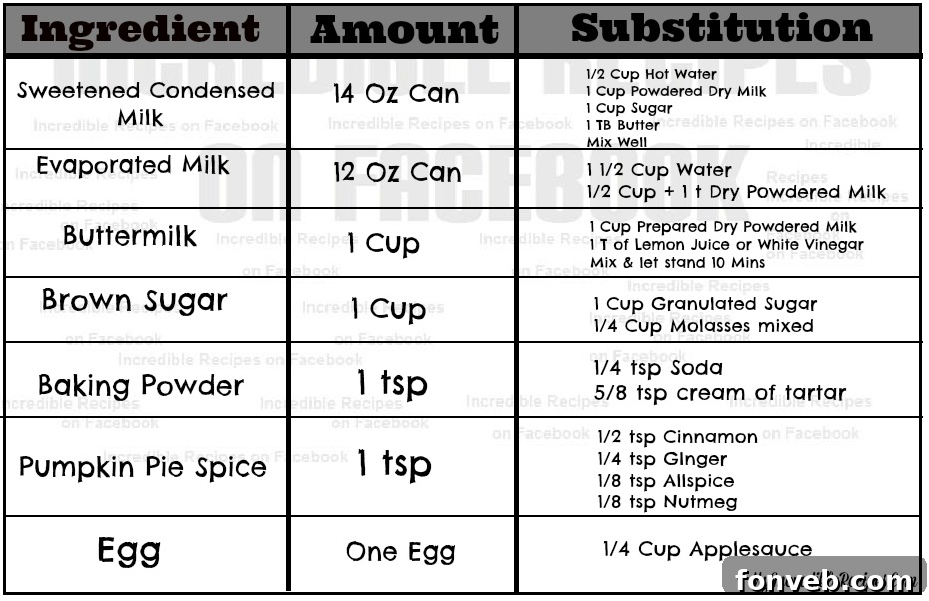
- Smart Substitutions: Don’t have a specific ingredient? Look for suitable substitutes. For example, if a recipe calls for fresh thyme, dried thyme can often work (use about one-third the amount of dried herbs compared to fresh). If you’re out of a certain vegetable, swap it for something similar in texture and cooking time. Creativity in substitution reduces food waste and sparks innovation.
- Scaling Recipes: Need to feed more or fewer people than the recipe suggests? Learn to scale recipes up or down, paying close attention to ratios, especially in baking where precision is more critical than in savory cooking. Always adjust seasoning proportionally.
- Seasoning to Taste: Recipes provide guidelines for seasoning, but your palate is the ultimate judge. Always taste your food at various stages of cooking and adjust salt, pepper, herbs, and spices as you go. This is perhaps the most important skill to develop for delicious results every time.
- Dietary Adjustments: Confidently convert recipes to be vegetarian, vegan, gluten-free, or dairy-free by intelligently swapping ingredients. For instance, replace meat with beans or lentils, dairy with plant-based alternatives, or regular flour with gluten-free blends.
Meal Planning and Preparation: Efficiency in the Kitchen
One of the biggest hurdles to consistent home cooking is the perception of lacking time. Effective meal planning and preparation, often referred to as “meal prep,” can save you countless hours during the week, significantly reduce food waste, and even save money by enabling smarter grocery shopping. It’s about being proactive and strategic with your culinary efforts.
Strategies for Smart Meal Planning:
- Weekly Themes: Assign a theme to each day (e.g., Meatless Monday, Taco Tuesday, Pasta Thursday, Stir-fry Friday). This simplifies decision-making, reduces “what’s for dinner?” stress, and helps with ingredient rotation.
- Cook Once, Eat Twice (or Thrice): Plan meals that intentionally produce leftovers suitable for lunch the next day, or prepare a large batch of a versatile component (like roasted chicken, cooked grains, or a large pot of chili) that can be used in different meals throughout the week.
- Ingredient Overlap: Choose recipes for the week that share common ingredients. This minimizes your grocery list, ensures you use up what you buy before it spoils, and prevents having random half-used items lingering in your fridge.
- Seasonal Eating: Incorporate seasonal produce into your meal plans. Seasonal fruits and vegetables are often fresher, more flavorful, more nutritious, and more economical, providing variety throughout the year.
Effective Meal Prep Techniques:
- Pre-Chop Vegetables: Dedicate an hour or two on a specific prep day (like Sunday) to chop and dice all your vegetables for the upcoming week. Store them in airtight containers in the refrigerator, ready to be added to meals.
- Batch Cook Grains and Proteins: Cook a large pot of rice, quinoa, farro, or lentils. Similarly, grill, roast, or pan-fry a batch of chicken breasts, fish fillets, or prepare ground meat. These versatile components can be quickly added to salads, bowls, wraps, or as sides to main dishes.
- Prepare Sauces and Dressings: Make your favorite homemade dressings, marinades, or sauces ahead of time. Stored in jars, they can elevate simple meals throughout the week and save time on busy evenings.
- Assemble Ingredients: For certain recipes, you can measure out dry ingredients into separate bags or jars, or combine components like spice rubs and marinades in advance, labeling them for specific meals.
Healthy Cooking Habits for a Better Lifestyle
One of the most significant advantages of home cooking is the complete control you gain over the ingredients that go into your meals. This naturally lends itself to healthier eating. Incorporating a few simple yet powerful healthy habits into your cooking routine can elevate your meals even further, supporting a more vibrant and energetic lifestyle without sacrificing flavor.
- Embrace Whole Foods: Prioritize fresh, unprocessed ingredients: abundant fruits, a wide variety of vegetables, lean proteins (chicken, fish, legumes, tofu), and whole grains (quinoa, oats, brown rice). Limit your reliance on highly processed packaged foods, which often contain hidden sugars, unhealthy fats, and excessive sodium.
- Mind Your Fats: Use healthy fats in moderation. Opt for heart-healthy oils like extra virgin olive oil, avocado oil, and fats from nuts, seeds, and avocados. Be mindful of saturated fats found in butter, cream, and fatty meats, using them judiciously for flavor rather than as a primary cooking fat.
- Control Sodium: Reduce your reliance on pre-made sauces, broths, and convenience foods, which can be surprisingly high in sodium. Instead, season your dishes with a rich array of herbs, spices, fresh lemon juice, and various vinegars to build complex flavors without excess salt. Taste and adjust carefully.
- Load Up on Vegetables: Make vegetables the star of your plate. Aim for half your plate to be filled with colorful, nutrient-dense vegetables at every meal. They add fiber, essential vitamins, and minerals without excess calories, promoting satiety and overall well-being.
- Choose Healthier Cooking Methods: Opt for cooking methods that require less added fat, rather than deep-frying. Baking, roasting, grilling, steaming, sautéing with minimal oil, and stir-frying are excellent ways to prepare delicious and nutritious meals.
Embracing Mistakes and Continual Learning
Even the most seasoned and acclaimed chefs make mistakes in the kitchen. A burned dish, an undercooked vegetable, an overly salty sauce, or a soggy crust are all inevitable parts of the learning process. The key is not to get discouraged but to view each misstep as a valuable learning opportunity. Cooking is a journey of continuous improvement, experimentation, and discovery.
- Taste as You Go: This cannot be stressed enough. Always taste your food at various stages of cooking. This allows you to adjust seasoning, acidity, and balance flavors before it’s too late. Your palate is your most important tool.
- Learn from Your Errors: When something doesn’t turn out as planned, take a moment to analyze what went wrong. Was there too much heat? Not enough liquid? Did you forget an ingredient? Make a mental note for next time, or even jot it down in a recipe journal. Every “failure” is a lesson learned.
- Experiment and Be Creative: Once you understand the fundamental techniques and the principles behind recipes, don’t be afraid to deviate. Try new flavor combinations, use different spices, or invent your own dishes based on what you have on hand. Culinary creativity is a journey, not a fixed destination.
- Seek Inspiration: The world of food is vast and exciting. Explore cookbooks, food blogs, cooking shows, and diverse cuisines. Learn about different cultures through their food. Travel (even virtually) through your kitchen, discovering new ingredients, techniques, and flavor profiles. There’s always something new to learn and taste.
Your Culinary Journey Begins Now
Home cooking is much more than just a chore; it’s a profoundly rewarding skill that brings immense pleasure, provides countless benefits for your health and well-being, and fosters connections around the table. By setting up your kitchen smartly with essential tools and pantry staples, mastering fundamental cooking techniques, understanding how to read and adapt recipes with confidence, and embracing efficient meal planning, you’ll build both confidence and competence in the kitchen. Remember to prioritize healthy habits, learn from every experience, and most importantly, enjoy the process. Every dish you create, every new ingredient you try, and every meal you share contributes to your unique culinary story. So, tie on your apron, grab your sharpest knife, and start cooking – your incredible culinary adventure awaits!
Explore More Recipes and Cooking Guides:
- Discover Our Latest Main Dish Recipes
- Indulge in Our Sweetest Dessert Creations
- Advanced Cooking Techniques for the Eager Chef
- Your Ultimate Kitchen Essentials Checklist