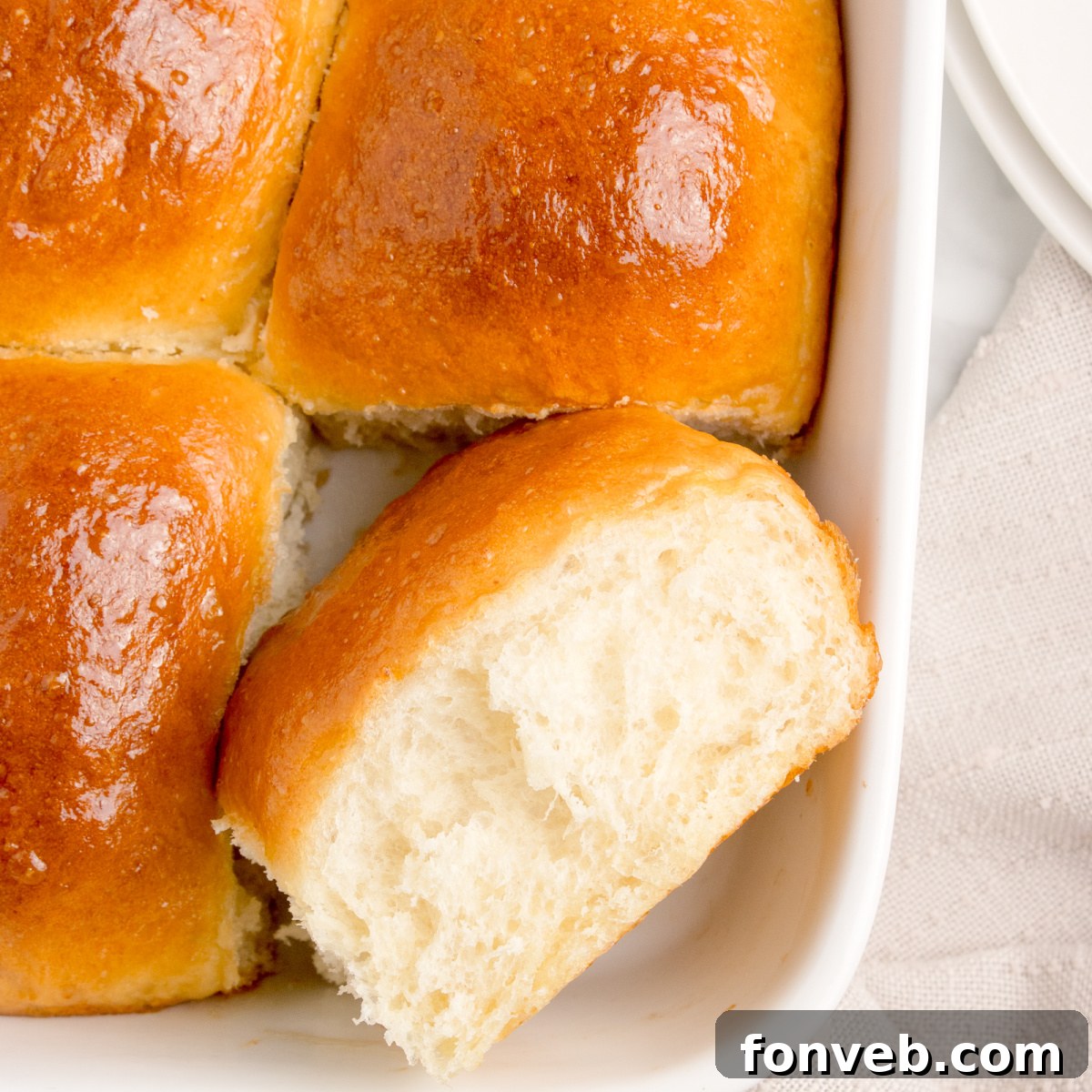
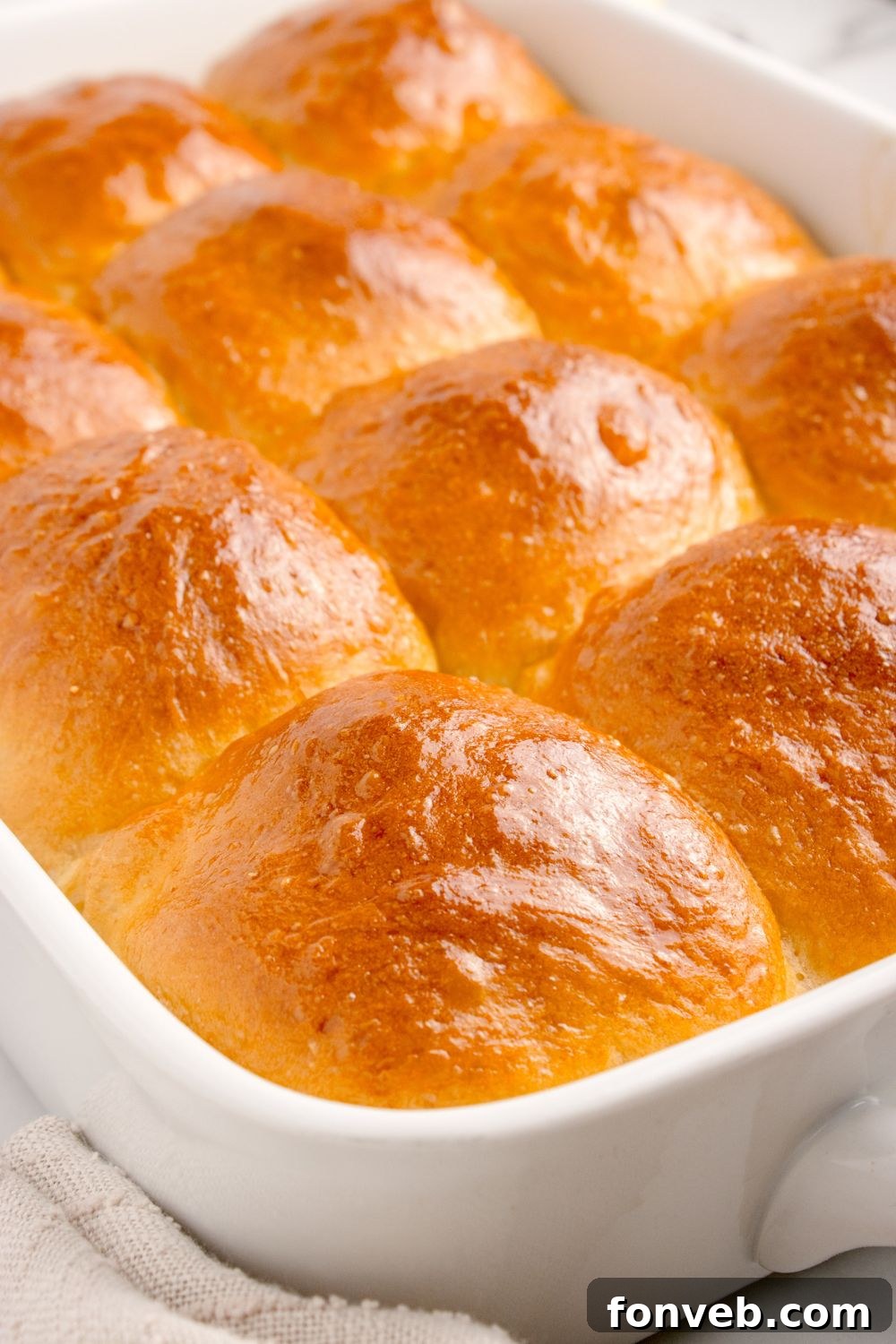
Discover the ultimate recipe for homemade, fluffy, pull-apart dinner rolls. These rolls are incredibly soft, rich with butter, and perfectly versatile for any meal, from a casual family dinner to an elegant holiday feast. With simple pantry ingredients and straightforward steps, even bread-making beginners can achieve impressive results. Prepare to delight your family and guests with these irresistible, golden-brown beauties that will become a cherished part of your culinary repertoire.
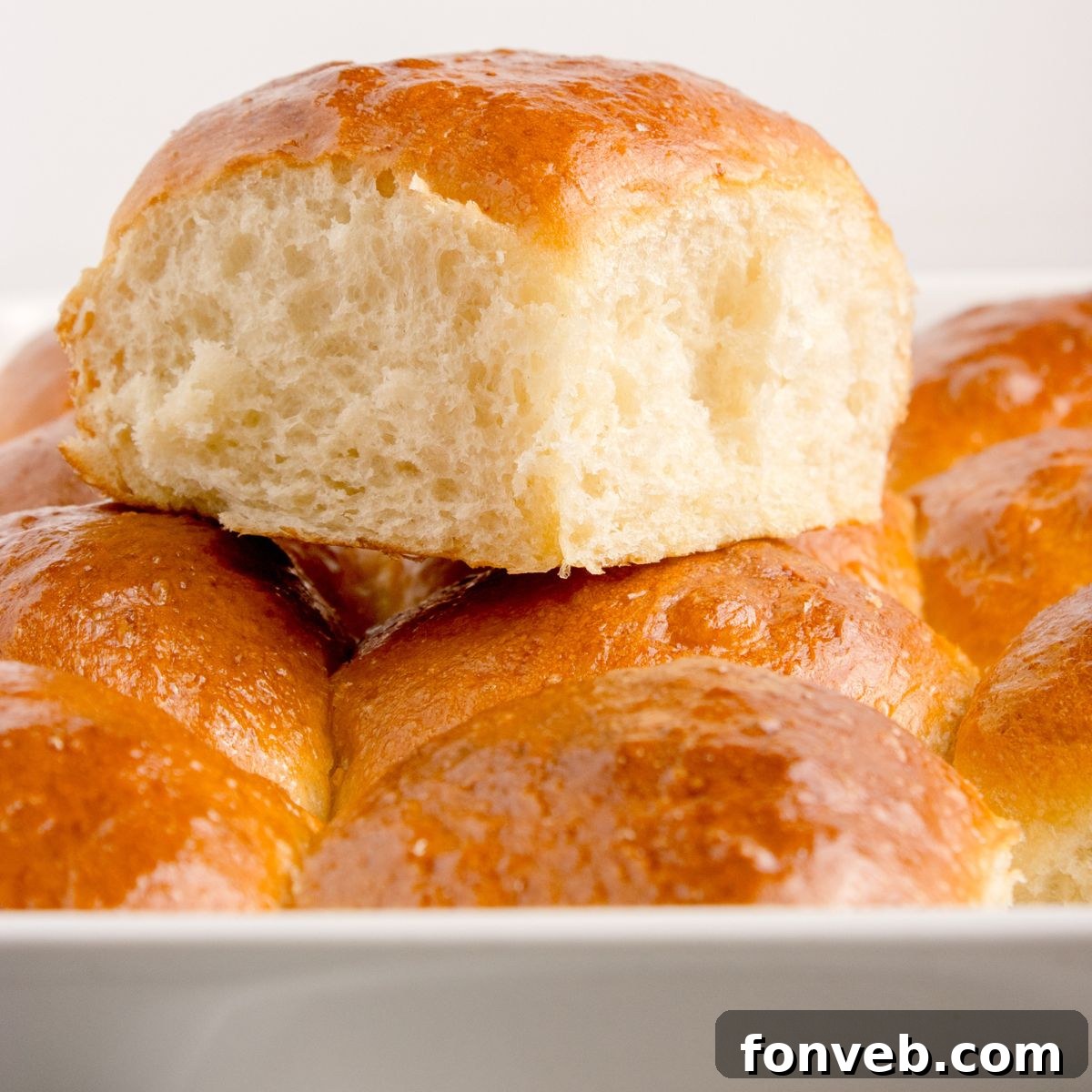
These delightful dinner rolls are crafted using everyday pantry staples you likely already have on hand. Their remarkable versatility makes them an ideal accompaniment to a wide array of dishes. Imagine them as the perfect side for a classic hearty meatloaf dinner, or gracing the table during a festive gathering featuring a succulent holiday ham and all the traditional fixings. Regardless of the occasion, these homemade pull-apart rolls are consistently a crowd-pleaser, eagerly devoured by all who taste them. Their inviting aroma alone promises a comforting and satisfying meal.
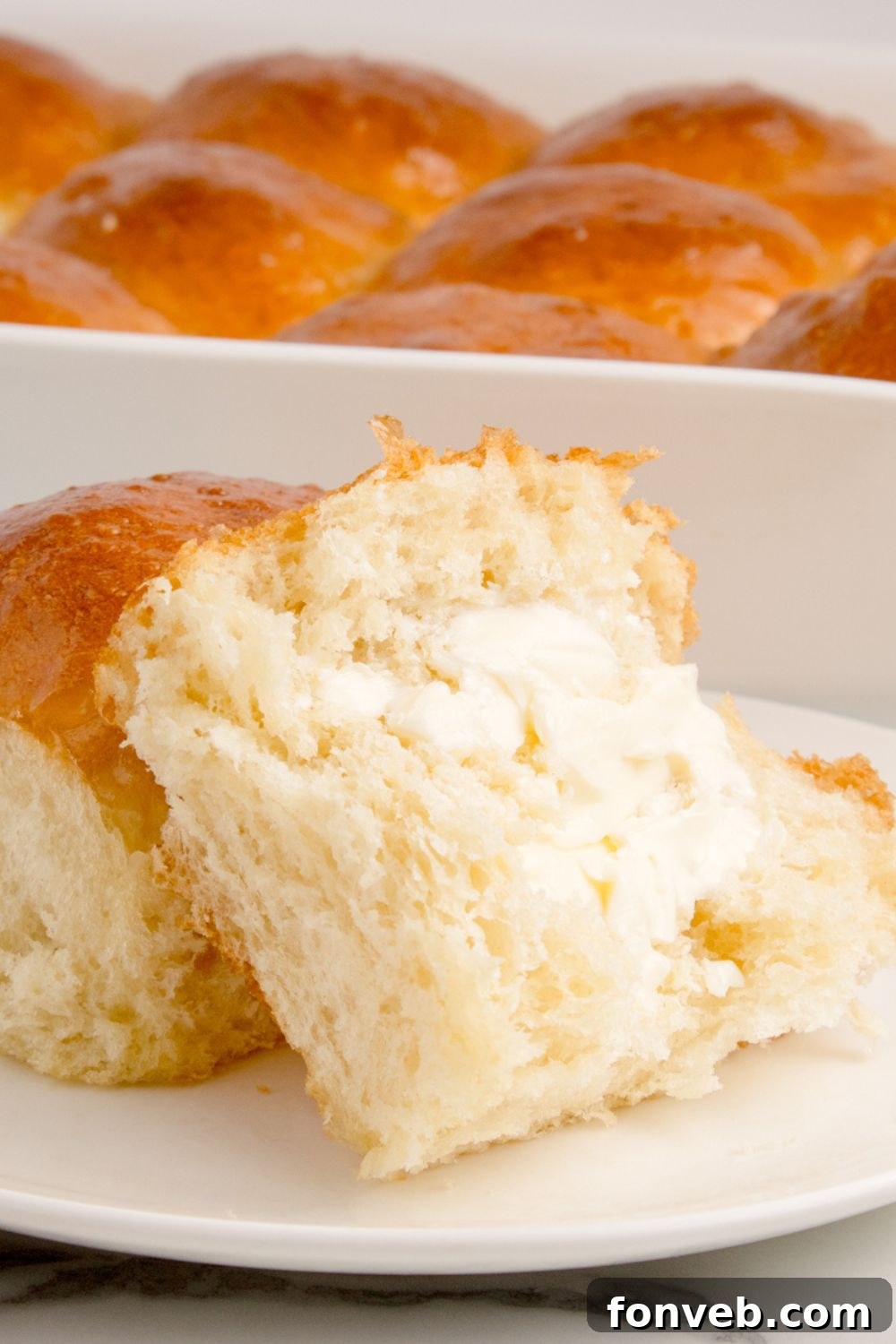
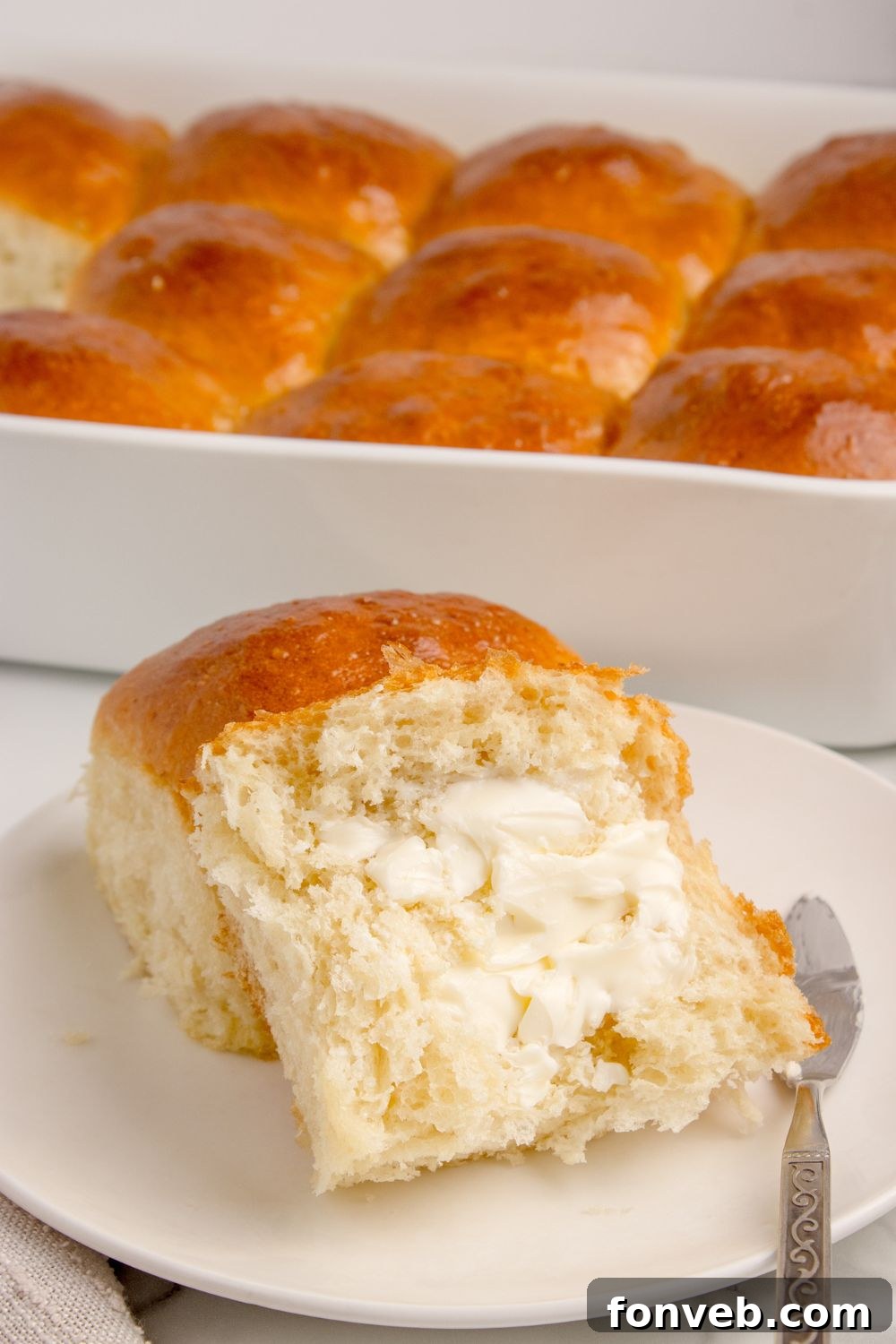
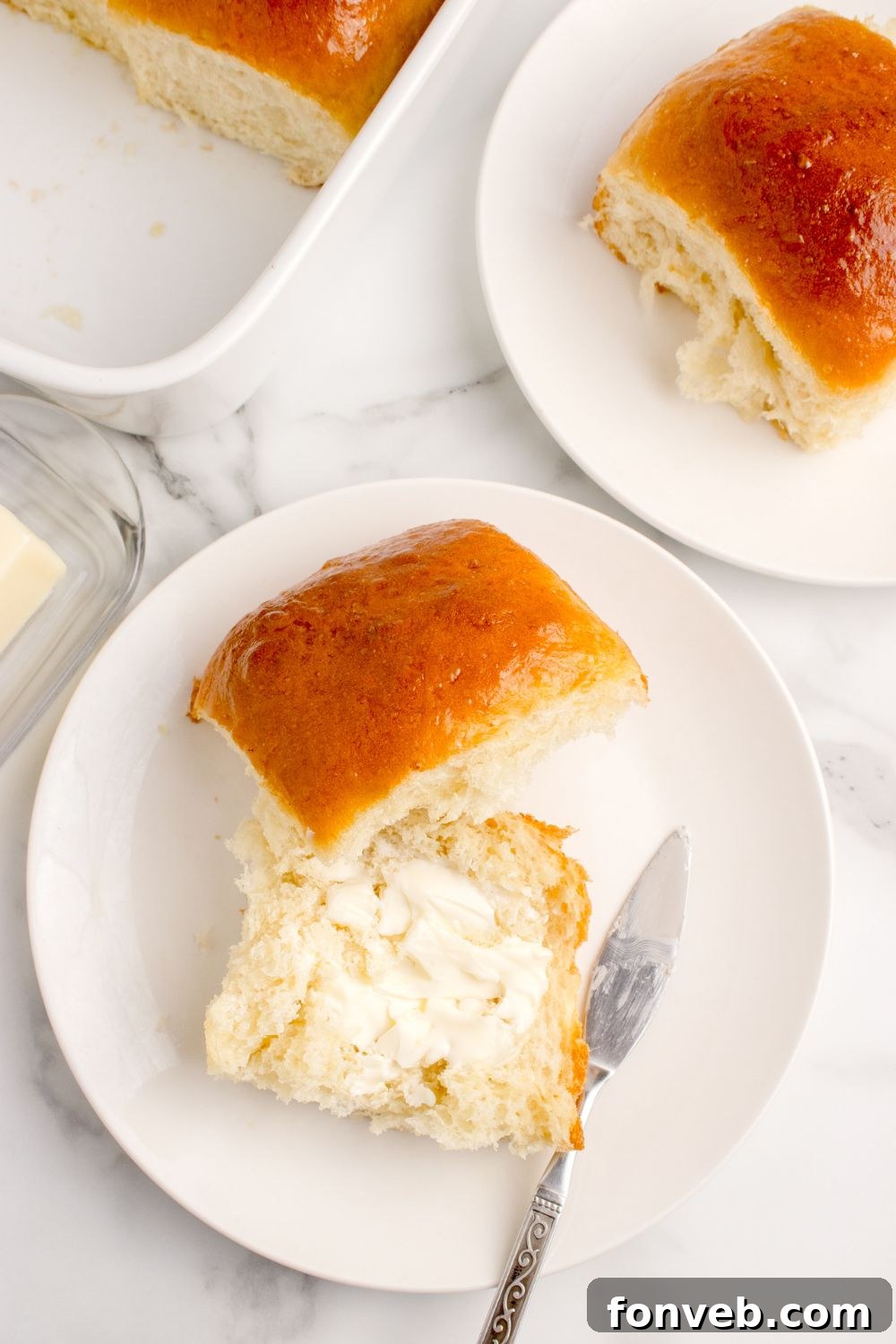
While delicious on their own, these rolls truly shine when paired with your favorite spread. A simple pat of creamy butter is always a classic choice, melting effortlessly into the warm, fluffy interior. But why stop there? Elevate your roll experience by slathering them with homemade honey butter, a fragrant cinnamon butter for a touch of sweetness, or even a generous dollop of your favorite fruit preserve, like a vibrant strawberry jam or a sweet apple jelly. Each bite promises a delightful combination of soft bread and flavorful topping, making these rolls an unforgettable part of any meal, from breakfast to dinner.
Why You’ll Fall in Love with This Pull-Apart Rolls Recipe
There are countless reasons why these homemade pull-apart dinner rolls will swiftly become a cherished staple in your kitchen. Beyond their incredible taste and perfectly soft texture, this recipe offers practical advantages that make baking them a sheer joy, even for those new to working with yeast dough. It’s a testament to how simple ingredients, combined with thoughtful techniques, can yield truly extraordinary results.
- Perfect for Bread Beginners: Don’t let the thought of baking with yeast intimidate you! This recipe is specifically designed to be approachable and forgiving. With readily available ingredients and clear, step-by-step instructions, you’ll gain confidence in your bread-making skills quickly. The dough is easy to handle, and the process is straightforward, ensuring successful, fluffy rolls every time, even if it’s your very first attempt at yeast bread.
- Fantastic Make-Ahead Options: Streamline your meal preparation, especially during bustling holidays or busy weeknights. This recipe allows for various make-ahead strategies, letting you prep the dough in advance. You can refrigerate the dough after its first rise or even freeze shaped rolls for baking later, ensuring stress-free entertaining and the unparalleled delight of freshly baked bread whenever the craving strikes. This flexibility is a game-changer for hosts and busy home cooks.
- Easily Scalable for Any Occasion: Whether you’re feeding a small family of four or hosting a grand holiday feast for a crowd, this recipe is incredibly adaptable. It can be effortlessly scaled up to produce a double or even triple batch, ensuring you have plenty of delicious rolls to go around. No need to hunt for another recipe; simply adjust your ingredient quantities and pan size to accommodate more hungry mouths, making it perfect for gatherings big and small.
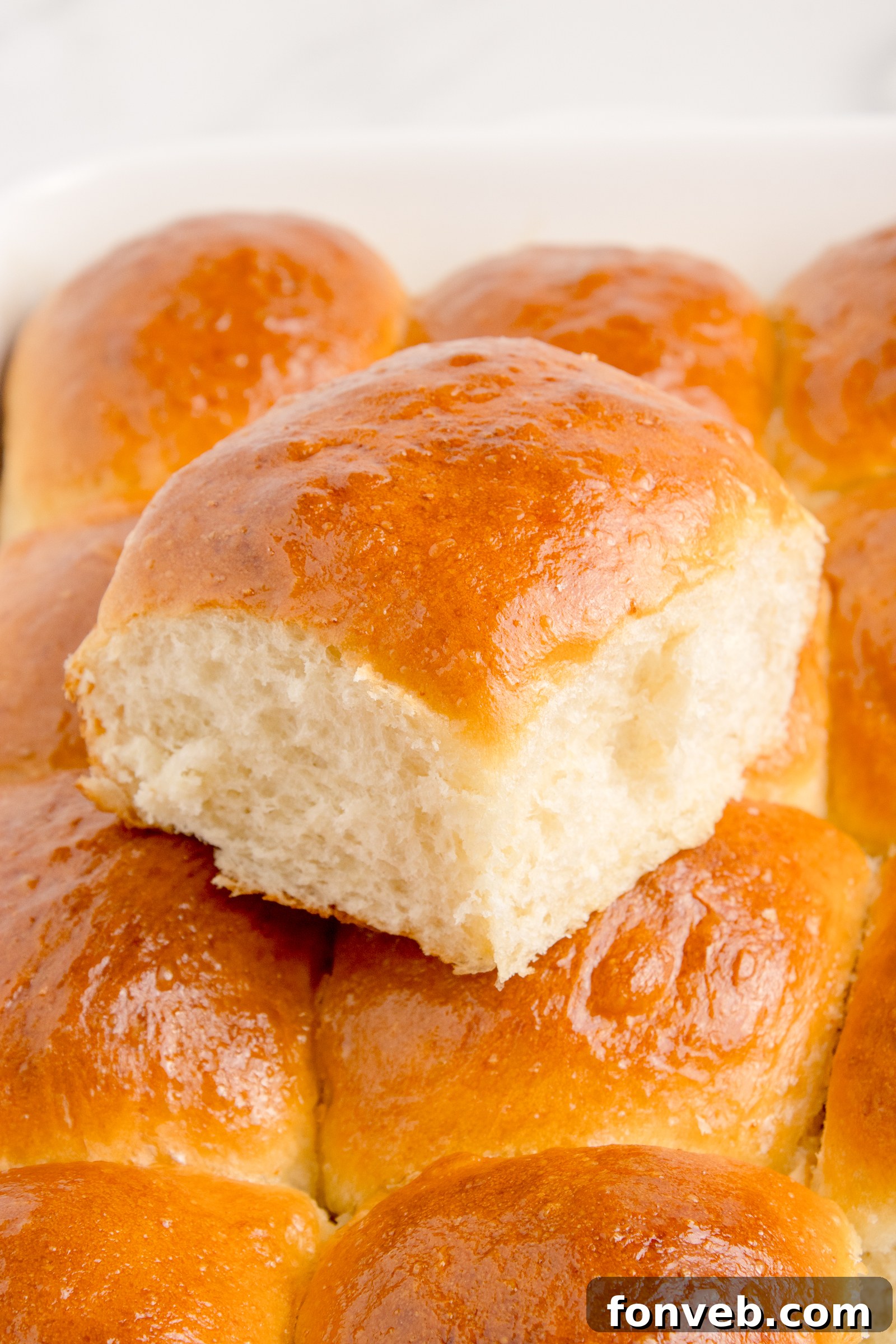
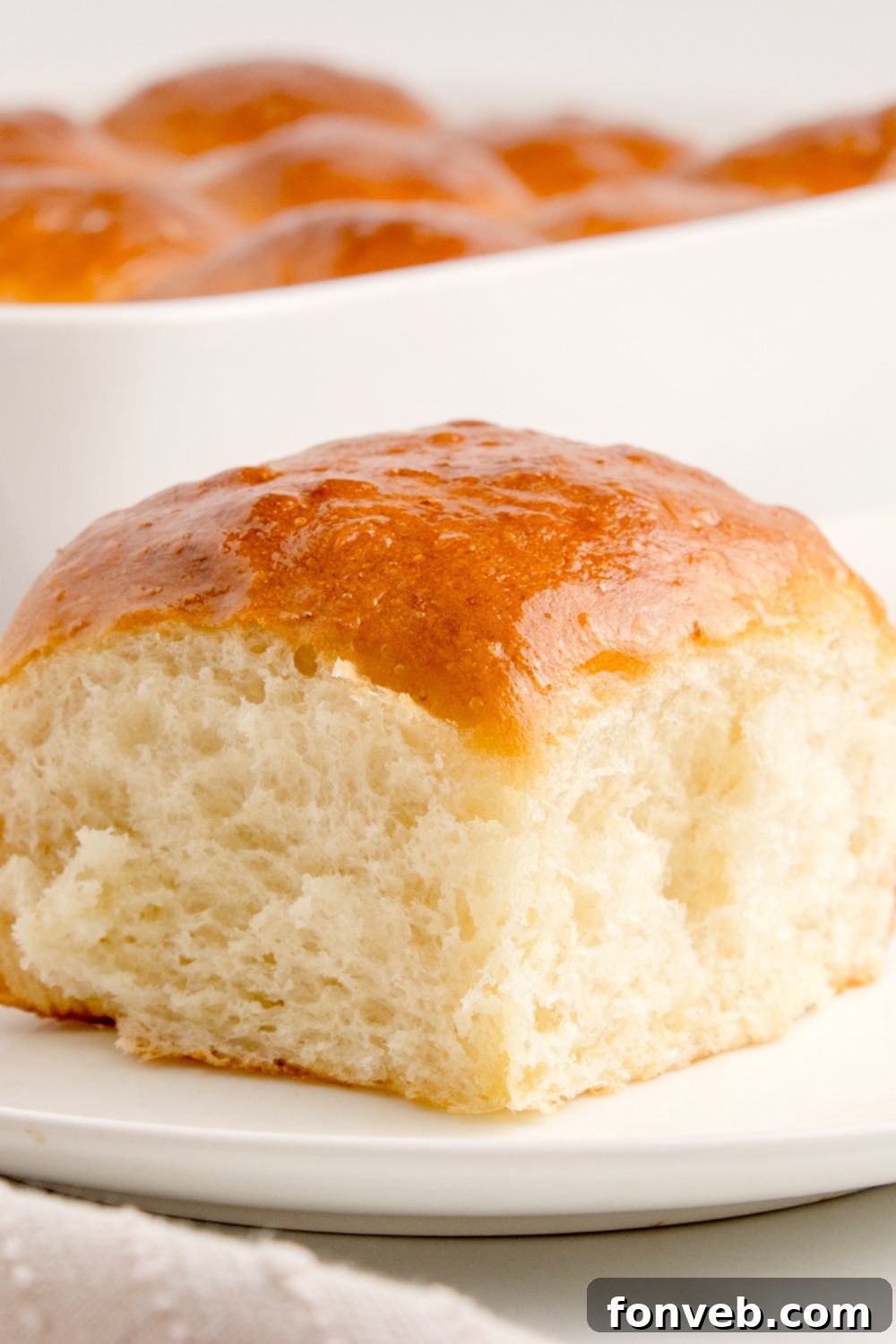
- Irresistibly Soft, Fluffy, and Buttery: The hallmark of these dinner rolls is their unbelievably soft, airy texture and rich, melt-in-your-mouth buttery flavor. They literally melt in your mouth, making them utterly addictive and impossible to resist. The pull-apart nature adds a fun, communal element to serving, inviting everyone to enjoy a piece of warm, tender bread with ease and joy.
- Made with Simple Pantry Staples: Forget obscure or hard-to-find ingredients. This recipe relies on basic, everyday items you probably already have in your kitchen – flour, yeast, sugar, salt, water, oil, and an egg. This makes it a cost-effective and convenient choice for homemade bread, proving that some of the best culinary creations come from the simplest components.
- Customizable to Your Taste: As you’ll see in the “Substitutions and Variations” section, this recipe serves as a perfect base for countless flavor adjustments. Add herbs, cheese, or different sweeteners to make it uniquely yours.
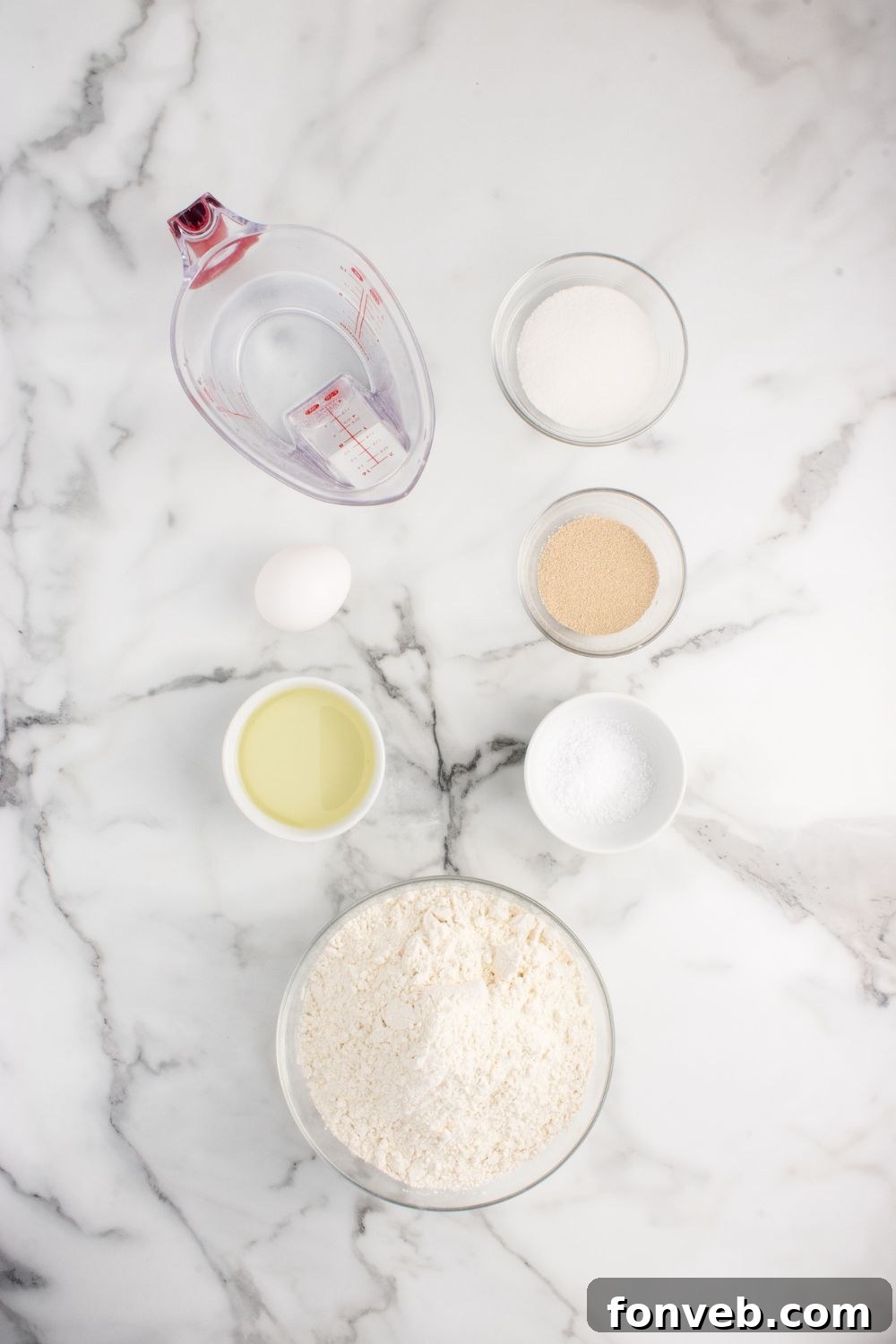
Essential Ingredients for Perfect Dinner Rolls
Crafting the perfect batch of pull-apart dinner rolls starts with understanding the role each ingredient plays. This recipe utilizes common, accessible items, but a little knowledge about their function goes a long way in achieving that coveted soft, fluffy texture and rich flavor.
- All-Purpose Flour: This is the primary structural component of our rolls. All-purpose flour yields a wonderfully tender crumb, making it ideal for soft dinner rolls. However, you can also experiment with bread flour for a slightly chewier texture, as its higher protein content develops more gluten. For a heartier roll with added fiber and a nuttier flavor, I sometimes substitute up to 50% of the all-purpose flour with whole wheat flour. When doing so, be aware that whole wheat flour absorbs more liquid, so you might need to adjust by adding a tiny splash more water or milk.
- Yeast: The magical leavening agent responsible for the rolls’ airy lift and soft structure. Both active dry yeast and quick-rise/instant yeast are suitable for this recipe. I typically opt for quick-rise yeast as it doesn’t require prior activation (or proofing) in warm water, saving a step and speeding up the process. If you use active dry yeast, traditionally you would proof it first in warm water with a pinch of sugar. However, with this recipe, activating it separately is often not strictly necessary if your yeast is fresh and the water temperature is precisely correct, as it will activate directly in the dough.
- Water: The water temperature is one of the most critical factors for successful yeast activation. It needs to be warm, ideally between 105°F and 115°F (40°C-46°C). Water that is too hot will kill the delicate yeast organisms, preventing your dough from rising altogether. Conversely, water that is too cold will not activate the yeast effectively, leading to a slow or entirely absent rise. Investing in a reliable kitchen thermometer is a baker’s best friend here, ensuring perfect results every time! For an even richer flavor and softer crumb, you can substitute warm milk for water.
- Granulated Sugar: Sugar serves a dual purpose in this recipe, playing a vital role in both yeast activity and the final characteristics of the rolls. Firstly, it acts as an immediate food source for the yeast, helping it to activate and multiply rapidly, which contributes to a robust and quick rise. Secondly, it adds a subtle, pleasing sweetness to the bread, enhancing its overall flavor profile and aiding in the development of a beautiful, golden-brown crust during baking through caramelization. Honey or maple syrup can be used as effective substitutes, each adding slightly different flavor nuances.
- Kosher Salt: Salt is far more than just a seasoning; it’s a critical ingredient for controlling yeast activity and enhancing the flavor of the dough. It strengthens the gluten structure in the flour, which leads to better dough elasticity, improved texture, and a more consistent rise. Without salt, bread can taste bland and have an overly yeasty flavor. While kosher salt is often preferred by bakers for its pure taste and easy measurement, table salt can also be used, but at a reduced amount (typically about half) due to its finer crystal size and higher salinity per volume.
- Olive Oil: Incorporated directly into the dough, olive oil contributes significantly to the rolls’ moisture, tenderness, and contributes to a longer shelf life, preventing them from drying out too quickly. It helps to create a soft, supple crumb that is a hallmark of excellent dinner rolls. Any neutral-flavored oil, such as vegetable oil, canola oil, or grapeseed oil, can also be used. For an even richer, more decadent taste, melted unsalted butter makes an excellent substitute.
- Large Egg: The egg is an enriching ingredient that contributes significantly to the dough’s softness, fluffiness, and beautiful golden color. It adds protein and fat, which fortifies the dough structure, creates a more tender crumb, and imparts a richer flavor. The egg also contributes to the overall moisture content, ensuring a wonderfully moist roll. If you’re looking for an egg substitute due to dietary restrictions, unsweetened applesauce (about 1/4 cup) or a flax egg (1 tablespoon ground flaxseed mixed with 3 tablespoons water, rested for 5 minutes) can sometimes work, though they may slightly alter the final texture.
Expert Tips for Baking Flawless Pull-Apart Rolls
Achieving bakery-quality pull-apart dinner rolls at home is simpler than you might think, especially with these helpful tips. Pay close attention to these details, and you’ll consistently be rewarded with perfectly soft, golden, and utterly delicious bread every time you bake.
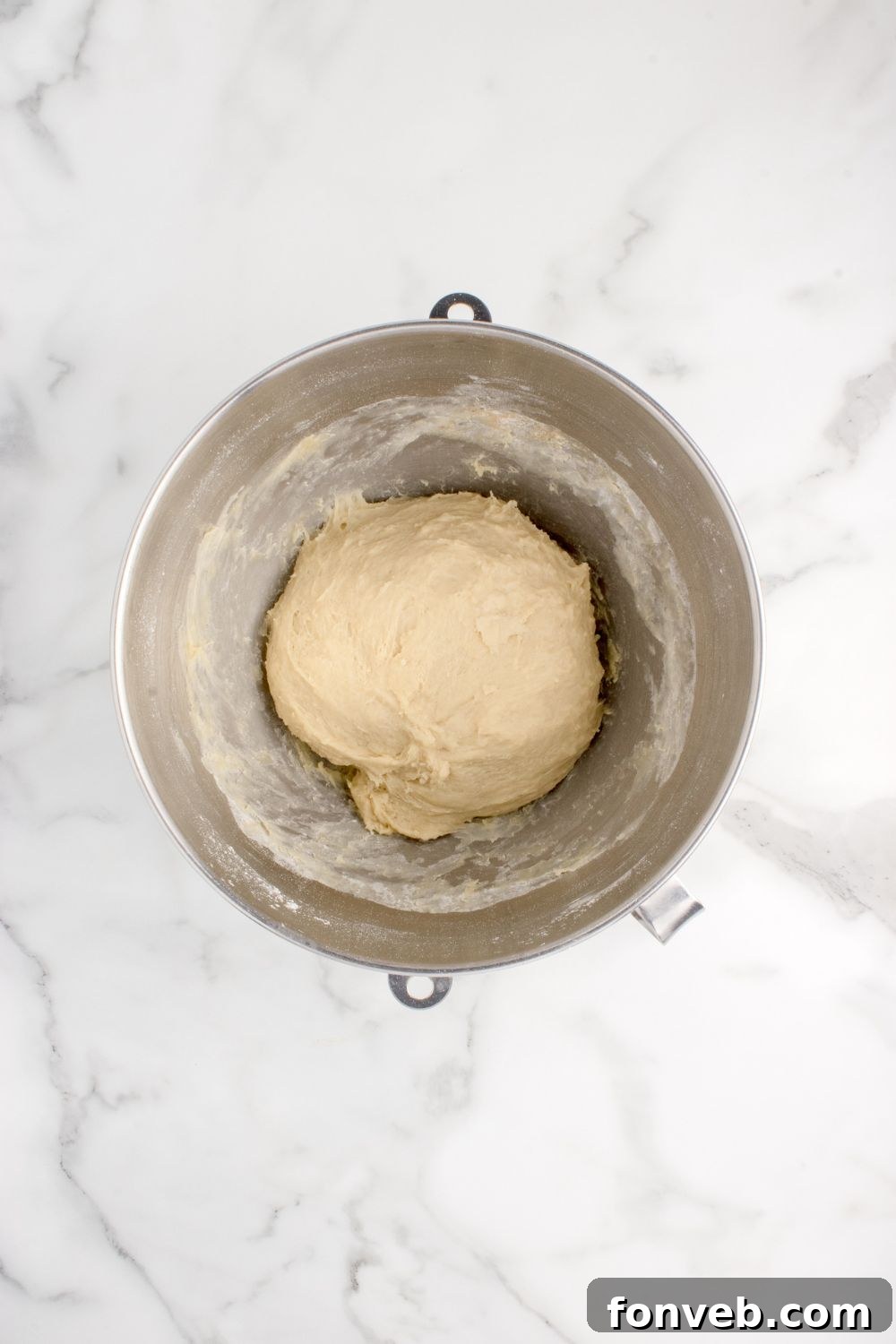
- Master Dough Consistency: The texture of your dough is paramount to the final outcome. It should be soft, pliable, and slightly tacky to the touch, but not overly sticky. A common mistake is to add too much extra flour during kneading or shaping, which can result in dense, tough rolls. If the dough is too sticky to handle, add flour in very small increments (a teaspoon at a time) until it reaches the desired consistency, stopping as soon as it’s manageable.
- Precision in Water Temperature: As mentioned previously, yeast is a living organism extremely sensitive to temperature. Ensure your water is precisely warm, ideally between 105°F and 115°F (40°C-46°C). Anything hotter will irreversibly kill the yeast, rendering it inactive and preventing your dough from rising. Conversely, water that is too cold won’t sufficiently activate the yeast, leading to a sluggish or entirely absent rise. A reliable instant-read kitchen thermometer is an indispensable tool here, guaranteeing perfect yeast activation every time.
- Verify Yeast Freshness: If your yeast is old, has been exposed to air, or improperly stored, it may lose its potency. To test its freshness, combine 1 teaspoon of sugar with 1/2 cup of warm water (105-115°F) and sprinkle 2 teaspoons of your yeast on top. Let it sit for 5-10 minutes. If the mixture becomes foamy and bubbly on the surface, your yeast is active and ready to use. If it remains flat, it’s time to purchase new yeast!
- Achieve Golden Tops with an Egg Wash: For a beautifully golden-brown, shiny crust that looks professionally baked, brush the tops of your shaped rolls with an egg wash just before they go into the oven. A simple egg wash consists of one large egg whisked with a tablespoon of water or milk. This simple step not only adds a lovely sheen but also contributes to a richer color and slightly crispier crust.
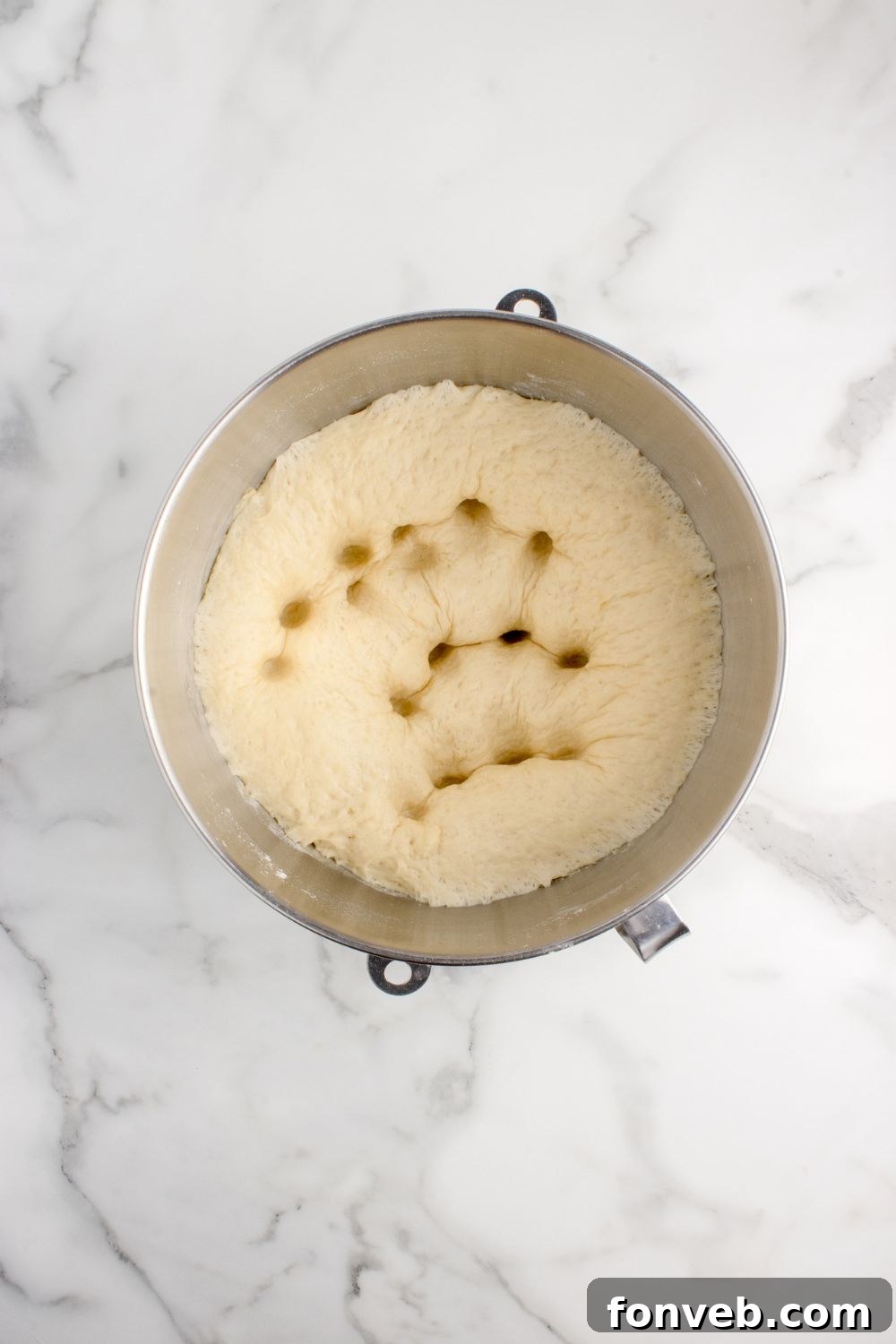
- Allow Ample Rising Time: Patience is truly a virtue when it comes to baking yeast bread. Do not rush the rising process. Allow the dough to rise in a warm, draft-free spot until it has genuinely doubled in size, both for the first proofing (bulk fermentation) and the second proofing (after shaping). Under-risen dough will result in dense, heavy rolls, lacking that desired fluffiness. Properly risen dough, on the other hand, yields that coveted super fluffy and light texture.
- Ensure Even Roll Size: For uniformly baked rolls and a cohesive, attractive appearance, consider weighing each individual dough ball after you’ve divided the dough. Aim for approximately 78 grams per roll, as suggested in the recipe, to ensure consistency. This extra step guarantees that all rolls bake evenly and present beautifully on your serving dish.
- Utilize a Bench Scraper: A bench scraper is an invaluable and versatile tool for dough handling. It makes dividing and portioning the dough much easier and cleaner, helping you scrape sticky dough from your work surface or mixing bowl without it clinging to your hands. It’s also great for gathering dough remnants.
- Proper Kneading is Key: Whether you are using a stand mixer with a dough hook or kneading by hand, ensure the dough is worked sufficiently until it becomes smooth, elastic, and passes the “windowpane test.” This test involves stretching a small piece of dough very thinly between your fingers; if you can see light through it without it tearing, the gluten is well-developed. This crucial step is essential for the rolls’ structure, chewiness, and ability to hold their fluffy texture.
- Prevent Sticking in the Pan: Always lightly grease your baking pan (with butter, cooking spray, or oil) before placing the shaped rolls inside. This simple precaution prevents them from sticking to the pan and ensures easy removal after baking, keeping their beautiful shape intact.
Storage and Reheating for Prolonged Freshness
These delectable pull-apart rolls are undoubtedly best enjoyed fresh and warm from the oven, but their wonderful qualities don’t diminish with a little time. They store beautifully, allowing you to enjoy their tender goodness for days. Here’s how to properly preserve them and bring them back to life:
Optimal Storage Solutions
- Room Temperature: For short-term enjoyment, once the rolls have completely cooled, place them in an airtight container or a large zip-top bag. They will remain wonderfully soft and fresh at room temperature for up to 2 days, perfect for next-day leftovers.
- Refrigerator: To extend their freshness further, transfer the cooled rolls to a freezer bag or an airtight container and store them in the refrigerator for up to 5 days. Chilling effectively slows down the staling process, preserving their quality.
- Freezer: For longer storage, freezing is an excellent option that locks in freshness. I highly recommend wrapping each individual roll tightly in aluminum foil once they are completely cooled. Then, place the foil-wrapped rolls into a heavy-duty freezer bag or airtight freezer container. This method helps prevent freezer burn and keeps them fresh and delicious for up to 3 months.
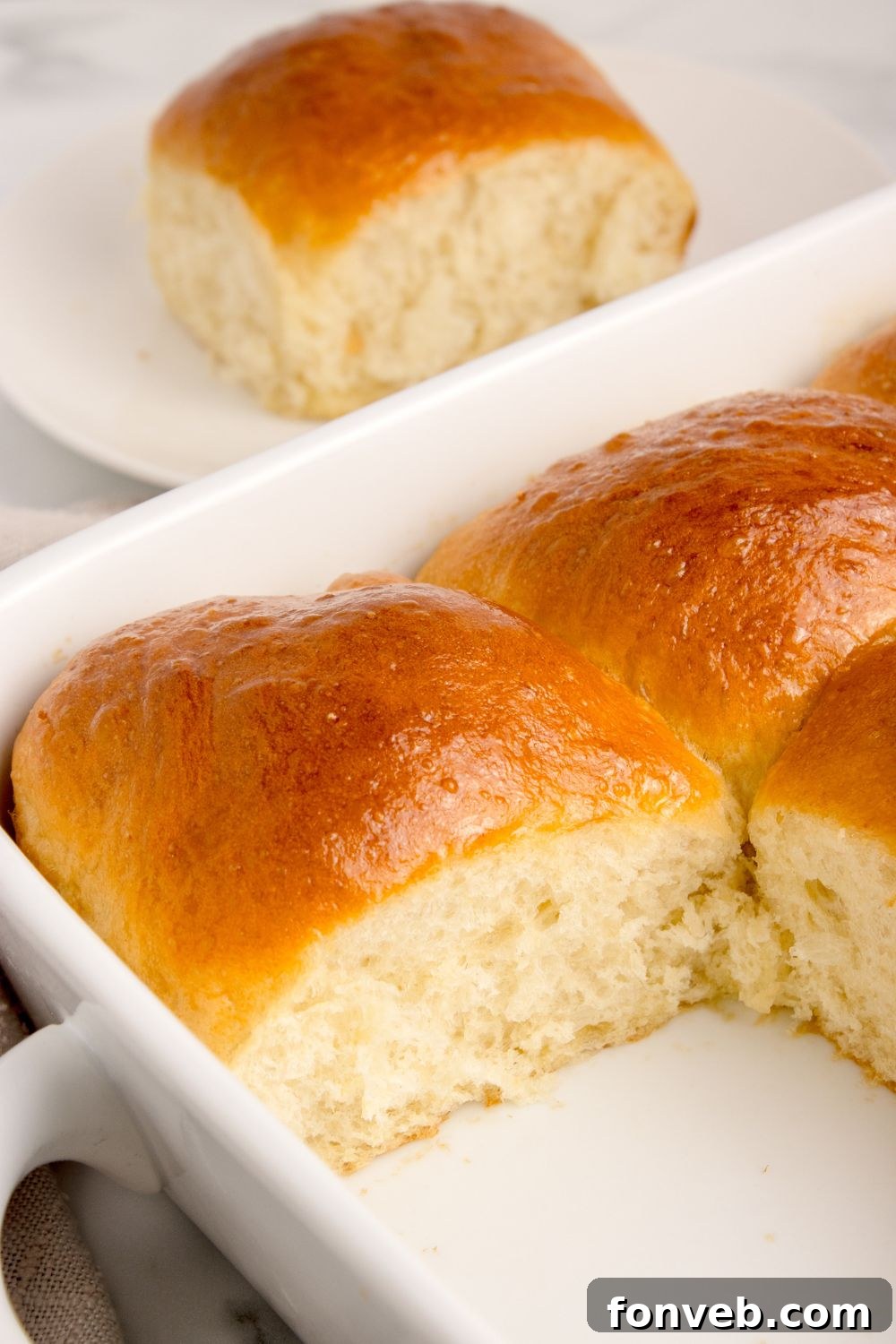
Restoring Warmth: Reheating Instructions
Reheating these rolls properly is key to ensuring they regain their tender texture and delicious warmth, making them taste almost as good as fresh-baked:
- Room Temperature Rolls: To restore their delightful warmth and softness, preheat your oven to 350°F (175°C). Place the rolls directly on a baking sheet or back in their original pan and warm them for approximately 5-7 minutes, or until they are heated through to your liking.
- Refrigerated Rolls: For best results, allow refrigerated rolls to come to room temperature for about 15-20 minutes first. Then, warm them in a preheated 350°F (175°C) oven for 7-10 minutes. Covering them lightly with aluminum foil can help prevent the tops from browning further or becoming dry.
- Frozen Rolls: Thaw frozen rolls overnight in the refrigerator for gradual defrosting, or on the kitchen counter for a few hours if you’re in a hurry. Once thawed, warm them in a 350°F (175°C) oven for about 10-15 minutes, or until fully heated and tender. If you need to reheat directly from frozen, it will take longer (around 20-25 minutes at 350°F), and they will greatly benefit from being covered with foil for the first 10-15 minutes to prevent drying out before uncovering for the last few minutes to crisp the crust.
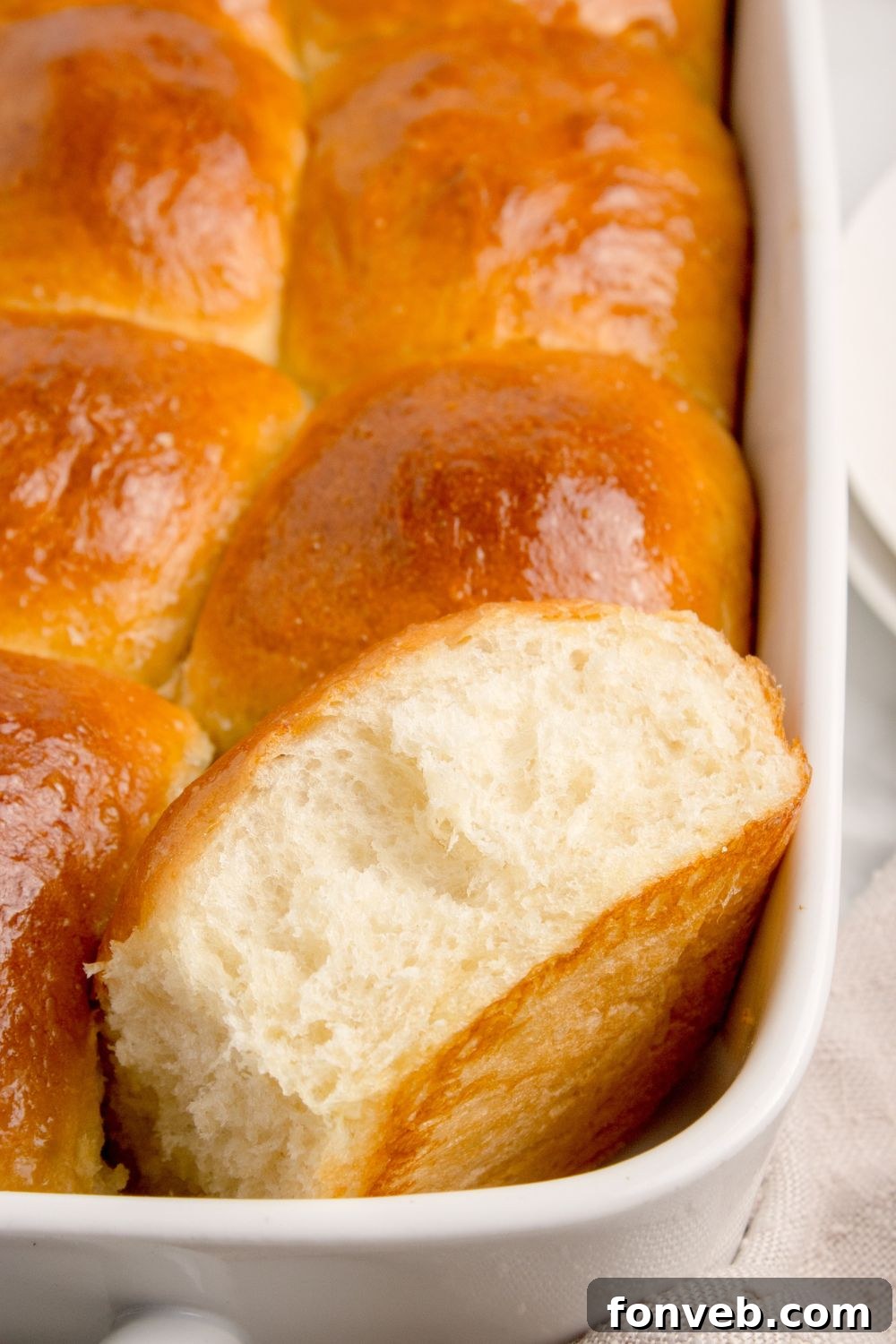
Creative Substitutions and Delicious Variations
One of the greatest joys of home baking is the freedom to experiment and customize recipes to your preferences or what you have available. This versatile pull-apart dinner roll recipe serves as an excellent base that can be easily adapted to create a myriad of delicious variations. Here are some fantastic substitutions and exciting ideas to inspire your culinary creativity:
- Flour Alternatives for Texture and Nutrition:
- Bread Flour: For a chewier, more substantial roll and a slightly stronger gluten structure, directly substitute all-purpose flour with bread flour.
- Whole Wheat Blend: For added nutrition, fiber, and a pleasant, nutty flavor, try a 50/50 blend of whole wheat flour and all-purpose flour. Keep in mind that whole wheat flour absorbs more liquid, so you might need to add an extra tablespoon or two of water or milk to achieve the desired dough consistency.
- Potato Flour/Flakes: A small amount (e.g., 1/4 cup) of potato flour or instant mashed potato flakes can be added to the dough to yield an exceptionally soft and moist roll with a fine crumb.
- Liquid Options for Added Richness: Instead of warm water, use warm milk (whole milk or a non-dairy alternative like almond or oat milk) for an even richer dough, an incredibly softer crumb, and a more pronounced golden-brown crust due to the milk sugars.
- Oil Substitutes for Flavor and Moisture: Any neutral cooking oil, such as canola oil, vegetable oil, or grapeseed oil, will work perfectly in place of olive oil. For a more pronounced and luxurious buttery flavor, use an equal amount of melted unsalted butter.
- Sweetener Swaps for Different Flavor Profiles:
- Honey or Maple Syrup: These natural liquid sweeteners can replace granulated sugar cup-for-cup, adding a lovely depth of flavor and a subtle complexity.
- Agave Nectar: A good alternative for a more neutral sweet taste, similar to granulated sugar.
- Brown Sugar: Can be used for a deeper, molasses-like sweetness and an even moister crumb.
- Yeast Type Flexibility: If you are using instant yeast (also known as rapid-rise or bread machine yeast), you can generally skip the separate proofing step and mix it directly with the dry ingredients. This type of yeast is designed to be highly active and can sometimes reduce the first rise time by 10-15 minutes, making the process even quicker.
- Egg Replacements for Dietary Needs: If you need to avoid eggs, you can replace the large egg with 1/4 cup of unsweetened applesauce for moisture and binding. Another effective option is a “flax egg” (prepared by mixing 1 tablespoon of ground flaxseed with 3 tablespoons of water and letting it rest for 5 minutes until thickened). Be aware that these substitutes may slightly alter the final texture, but the rolls will still be delicious.
- Savory Herb and Spice Infusions:
- Garlic & Herb Rolls: Mix in 1-2 teaspoons of dried herbs like rosemary, thyme, or oregano, along with 1-2 cloves of finely minced fresh garlic or 1 teaspoon of garlic powder, into the dough for fragrant, savory rolls that complement any meal.
- Everything Bagel Rolls: For a delightful savory crunch, after brushing with an egg wash, generously sprinkle the tops of the shaped rolls with everything bagel seasoning before baking.
- Black Pepper & Parmesan: Add a teaspoon of freshly cracked black pepper and 1/4 cup grated Parmesan cheese to the dough for a zesty, savory twist.
- Cheesy Rolls: For an irresistible burst of savory flavor, incorporate 1/3 to 1/2 cup of your favorite shredded cheese (such as sharp cheddar, mozzarella, grated Parmesan, or a blend) into the dough after the initial mixing but before the first rise. The cheese will melt beautifully into the soft crumb during baking, creating a truly decadent roll.
- Sweet Cinnamon-Sugar Swirls: After dividing the dough, roll each piece flat into an oval, brush with melted butter, sprinkle generously with cinnamon sugar, then roll it back up into a tight ball before placing it in the pan. This creates a delightful sweet swirl inside. Alternatively, for a quicker option, brush the baked, still-warm rolls with melted butter and sprinkle with cinnamon sugar for a simple sweet treat.
- Post-Bake Glazes and Toppings:
- Buttery Garlic Glaze: Right after removing the hot rolls from the oven, brush them generously with a mixture of melted butter, minced garlic, and a touch of chopped fresh parsley for an incredible aromatic finish.
- Honey Butter Glaze: Melt butter with a touch of honey and brush over the warm rolls for added sweetness and shine.
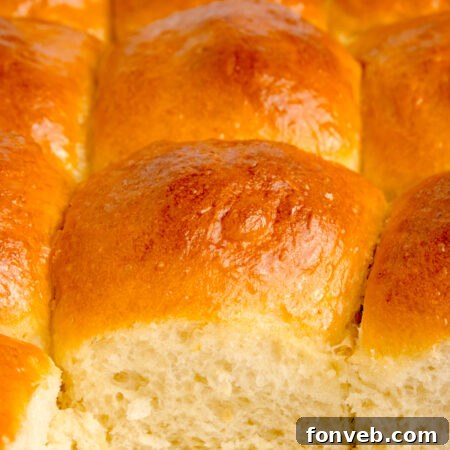
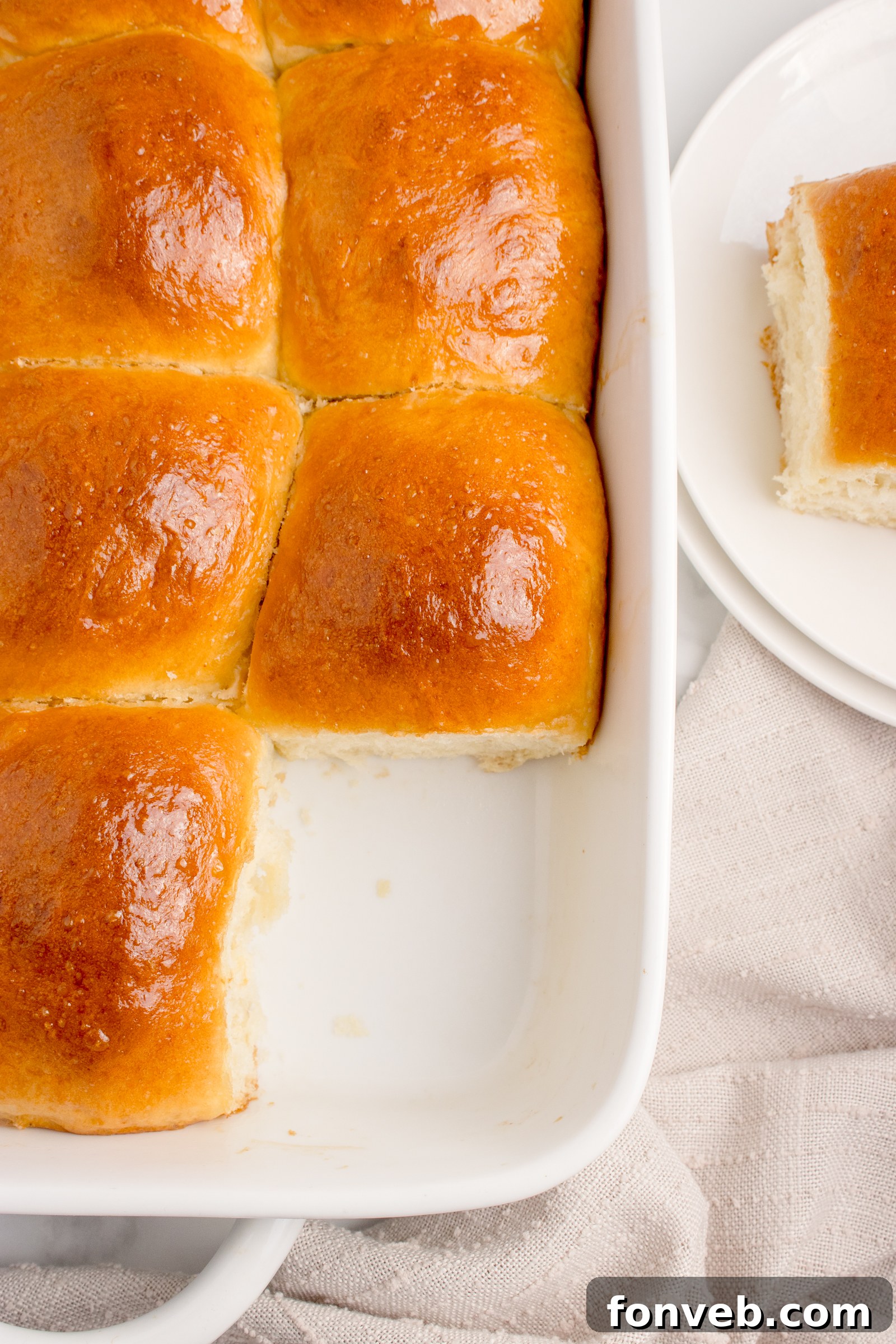
These homemade pull-apart dinner rolls are truly the epitome of comfort food – unbelievably soft, delightfully fluffy, and generously buttery. If you’ve been searching for a recipe that consistently delivers on both exquisite taste and perfect texture, this is undoubtedly the one for you! The inherent beauty of these rolls lies in their simple assembly and the use of everyday pantry staples, proving conclusively that extraordinary culinary results do not require fancy ingredients, complex techniques, or expensive equipment. Perfect for any occasion imaginable, be it a cherished holiday gathering, a comforting weeknight family dinner, or simply an irresistible craving for warm, fresh bread, these rolls boast a glistening, golden, buttery top and a truly pillowy interior. Beyond their incredible deliciousness, they fill your home with the most inviting, soul-warming aroma as they bake, instantly transforming your kitchen into a haven of warmth and culinary delight!
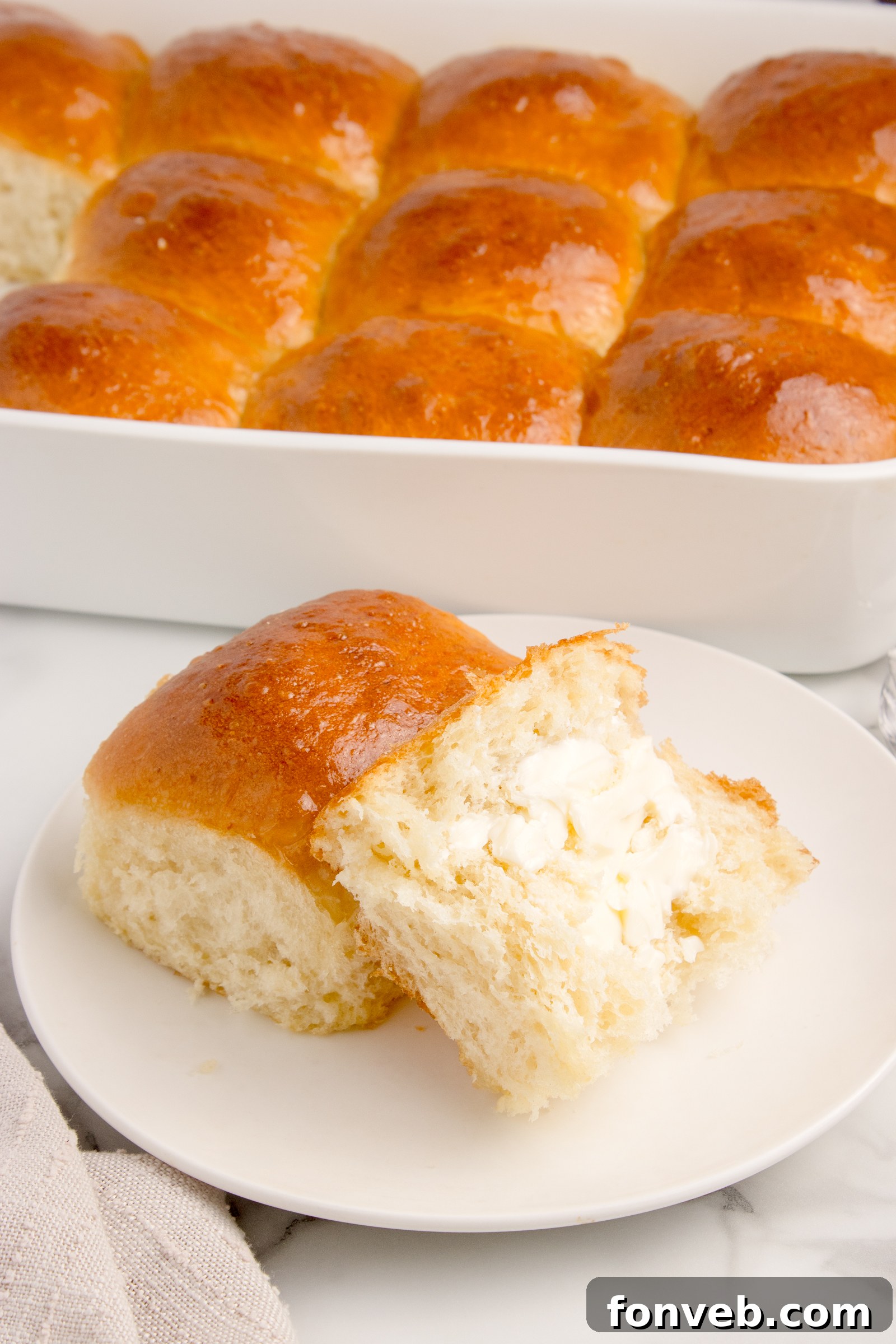
The satisfaction derived from pulling apart a warm, freshly baked roll is a simple pleasure, yet it’s unparalleled. Each tender segment reveals an airy, cloud-like crumb, ready to soak up melted butter or your favorite spread, offering a moment of pure bliss. This recipe isn’t just about the act of making bread; it’s about creating an experience, fostering a moment of culinary joy that brings people together around the table. From the initial mixing of the dough to the satisfying sight of the golden, finished product, the entire process is immensely rewarding, and the outcome is a delicious testament to the magic that can be created with simple ingredients. Make these rolls once, and they’re sure to become a beloved tradition in your home, eagerly anticipated by all who are fortunate enough to taste them.
Frequently Asked Questions About Pull-Apart Dinner Rolls
Here are answers to some common questions that arise when baking these delectable pull-apart dinner rolls. Understanding these aspects will help you achieve the best results, confidently troubleshoot any issues, and master the art of homemade bread baking.
Can I freeze the shaped rolls before baking?
Absolutely! Freezing shaped rolls is an excellent strategy for meal prepping and making ahead, ensuring you have fresh rolls whenever you need them. After shaping the dough into individual balls and placing them in your baking pan, cover the pan tightly first with plastic wrap and then with aluminum foil. Place the entire pan in the freezer. Once the rolls are completely frozen solid (this typically takes several hours), you can transfer the individual frozen dough balls to a heavy-duty freezer-safe bag or container, thereby freeing up your baking pan. When you’re ready to bake, arrange the frozen rolls back in a greased baking pan, cover them, and thaw them overnight in the refrigerator, or for 3-4 hours at room temperature, allowing them to complete their crucial second rise. They should visibly double in size. Then, bake them as directed in the recipe. You might find they need an additional 5-10 minutes in the oven to achieve that perfect golden-brown color and ensure they are fully baked through. Always check for an internal temperature of 190°F (88°C) for complete doneness.
What’s the best way to make these ahead for a holiday meal?
Making these rolls ahead for a holiday meal is a fantastic time-saver and stress-reducer, allowing you to enjoy the festivities without last-minute baking rushes. The most effective method is to prepare the dough the day before. After the first rise (bulk fermentation), gently punch down the dough to release the air, form it into a smooth ball, and place it in a lightly oiled bowl. Cover the bowl tightly with plastic wrap and refrigerate it overnight (it can be kept in the fridge for up to 24-36 hours). The cold temperature will significantly slow down the yeast activity, allowing for a slow proof. The next day, remove the dough from the refrigerator, let it come to near room temperature for about 30-60 minutes, then shape it into individual rolls and arrange them in your prepared baking pan. Allow them to rise in a warm, draft-free spot until doubled in size (this second rise might take a bit longer after refrigeration). Bake them fresh on the day of your meal! For rolls that taste “fresh out of the oven” even if baked a few hours earlier, simply wrap the cooled rolls loosely in aluminum foil and warm them in a 300°F (150°C) oven for about 10-15 minutes before serving. This trick brings back their softness and warmth beautifully.
These versatile pull-apart dinner rolls pair beautifully with an extensive variety of main courses and side dishes, making them a true culinary chameleon. Imagine them soaking up the delicious, savory juices from your favorite crock-pot brown sugar pineapple ham, perfectly complementing the creamy texture of a classic bacon pea salad, or served generously alongside hearty and comforting funeral potatoes. Their soft texture and mild, buttery flavor make them the perfect canvas for any meal you might be whipping up, enhancing every bite with their homemade goodness. They truly are the ideal bread, whether for an elaborate holiday feast or a simple, cozy family dinner.
What if I don’t have a stand mixer?
No stand mixer? No problem at all! While a stand mixer with a dough hook certainly simplifies and speeds up the kneading process, it is absolutely not an essential piece of equipment for making these delicious, fluffy rolls. You can achieve equally wonderful results by kneading the dough entirely by hand. Here’s how: In a large mixing bowl, combine all the wet and dry ingredients as specified until a shaggy, cohesive dough forms. Then, turn the dough out onto a lightly floured work surface. Knead the dough vigorously for 8-10 minutes (this will provide a good arm workout!). The key is to continue kneading until the dough transforms from sticky and lumpy to smooth, elastic, and springy, readily bouncing back when gently poked. The gluten development from hand kneading is crucial for the rolls’ light and airy structure. Embrace the tactile and traditional experience of bread making – the effort is well worth the delicious outcome!
How do I know when they’re done?
Knowing precisely when your pull-apart dinner rolls are perfectly baked is crucial to ensuring they are soft, fluffy, and thoroughly cooked through without being dry or doughy. Several indicators can help you confidently determine doneness:
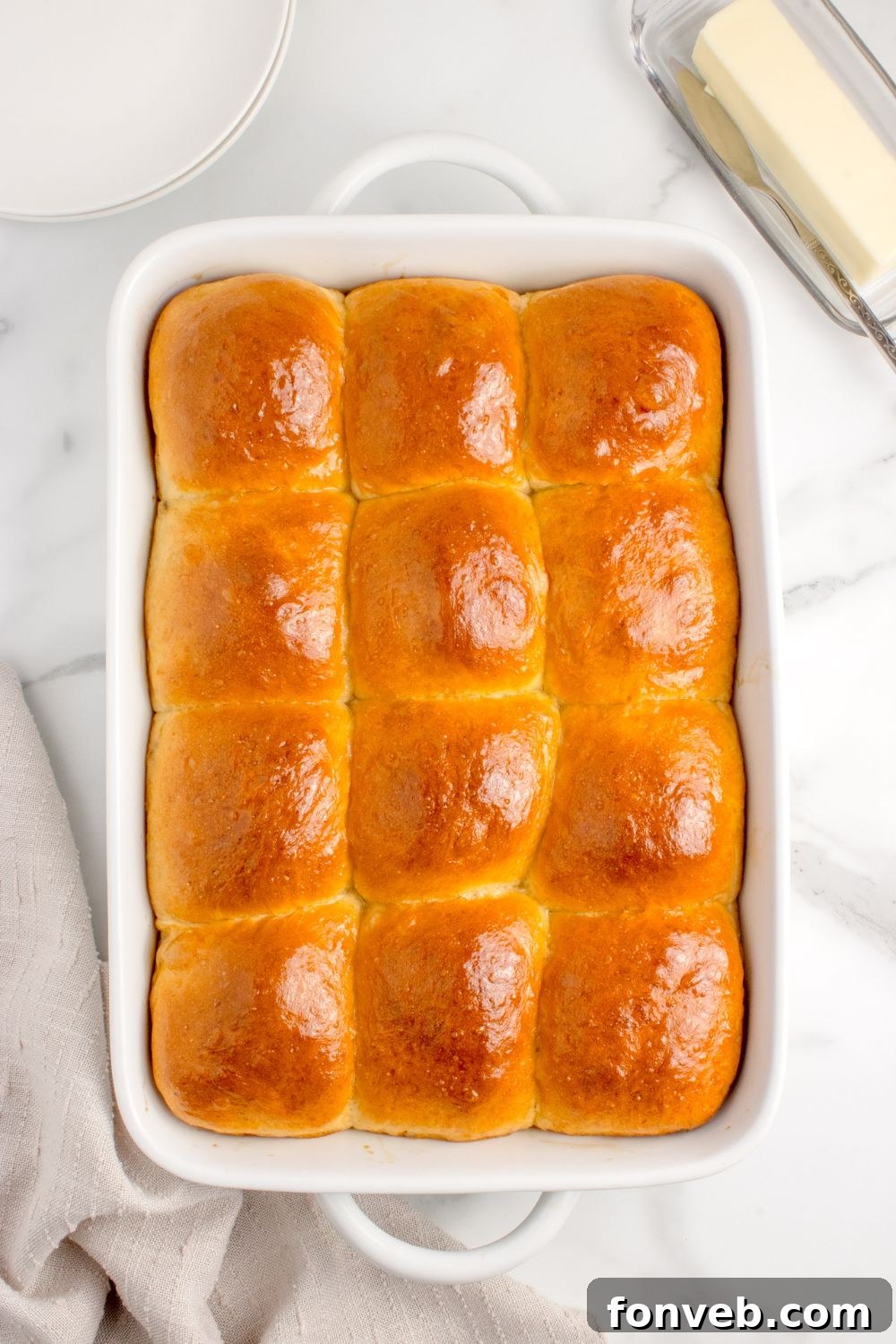
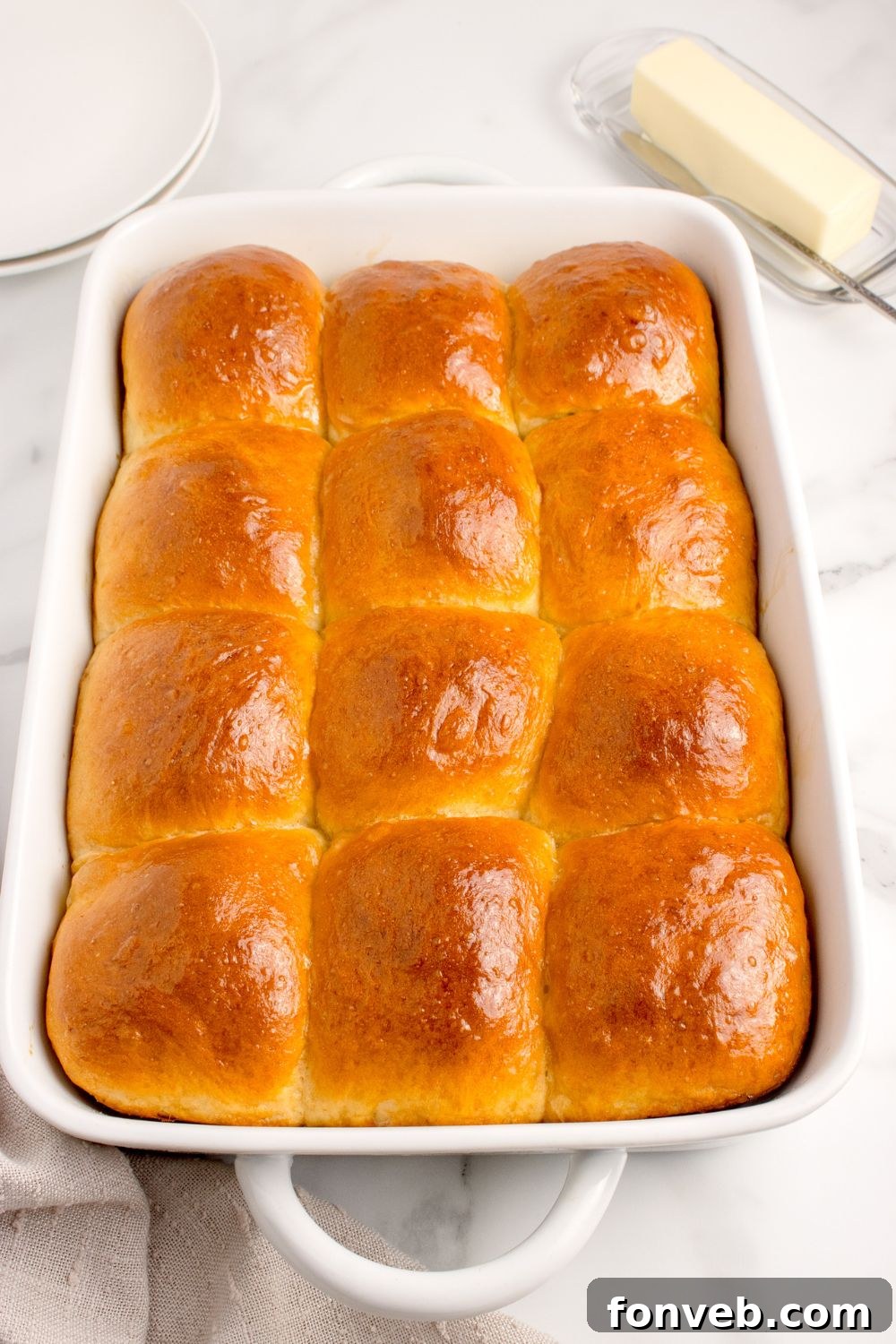
- Golden Brown Tops: The most immediate and obvious sign is a beautiful, even golden-brown color on the tops and edges of the rolls. This indicates that the crust has caramelized, developed flavor, and achieved a desirable texture.
- Internal Temperature: For an accurate and foolproof measure, use an instant-read thermometer. Carefully insert the thermometer into the center of one of the rolls (avoiding the bottom of the pan); it should register an internal temperature of 190°F (88°C). This is the most reliable way to confirm they are fully cooked and safe to eat.
- Hollow Sound Test: Gently tap the bottom of a roll (carefully removing one from the pan if possible, or tapping one on the edge). If it produces a hollow sound, it’s generally a good indication that the interior is baked through and airy.
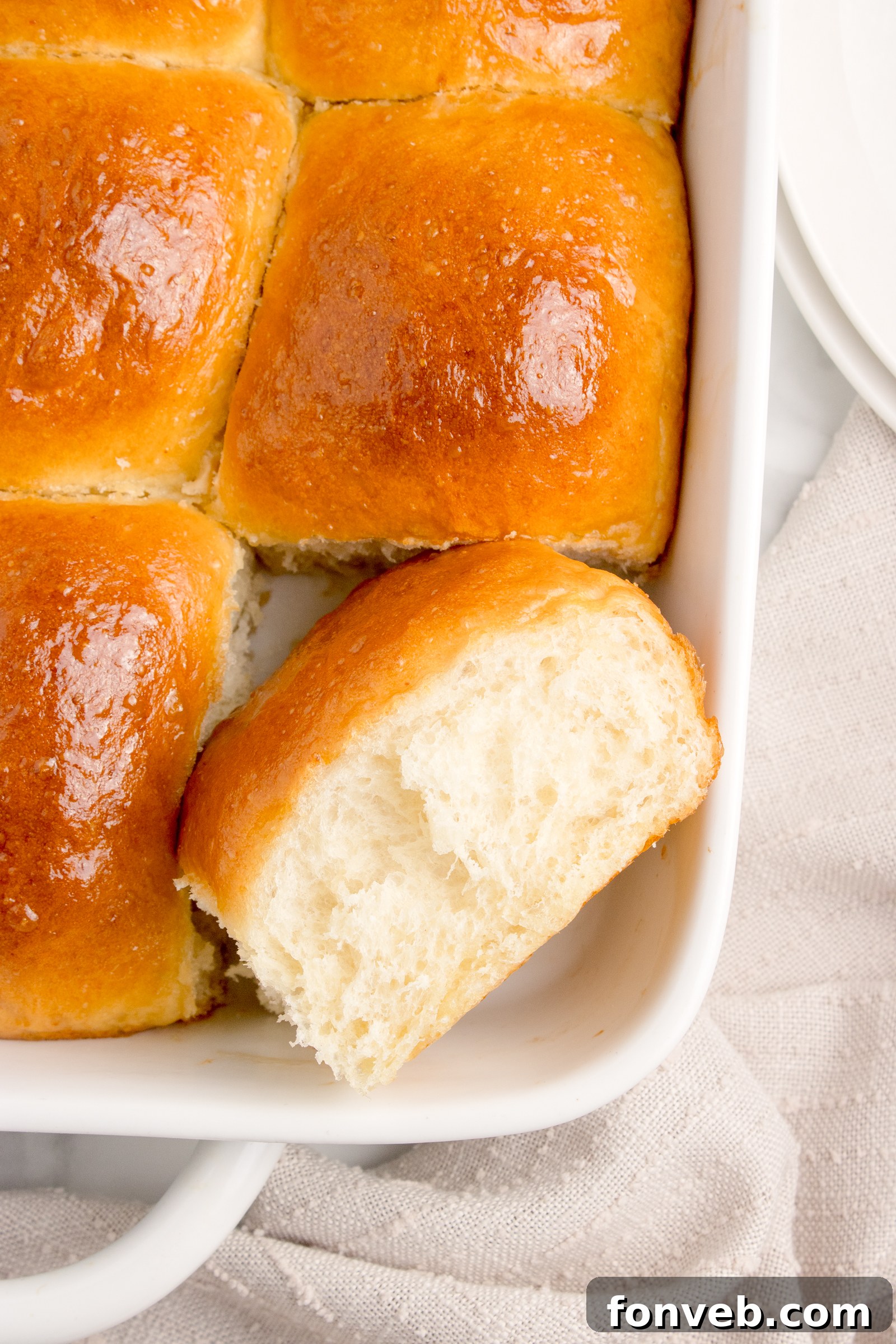
- Fluffy Interior: Once the rolls have cooled slightly, pull one apart. The interior should be light, airy, and fluffy, with no dense, gummy, or uncooked doughy spots. The texture should be consistent throughout the crumb.
If your rolls are browning too quickly on top before they reach the correct internal temperature, loosely tent the baking pan with aluminum foil for the remainder of the baking time. This will prevent further browning while allowing the inside to cook completely.
More Delicious Bread Recipes to Try
- Simple and Sweet Amish Bread
- Classic Homemade White Bread
- Easy No-Mixer Dinner Rolls for Any Occasion

Pull Apart Dinner Rolls
Course Side Dish
Prep Time 20 minutes
Cook Time 20 minutes
Total Time 1 hour 40 minutes
Servings 12 servings
Ingredients
- 4 cups all-purpose flour plus up to 1/4 cup more as needed
- 2 tablespoons active dry yeast or rapid rise yeast
- 1 1/2 teaspoons kosher salt
- 1/4 cup granulated sugar
- 1 large egg
- 1 1/2 cups warm water 110°F/45°C
- 1/4 cup olive oil
- Extra flour for work surface
Instructions
-
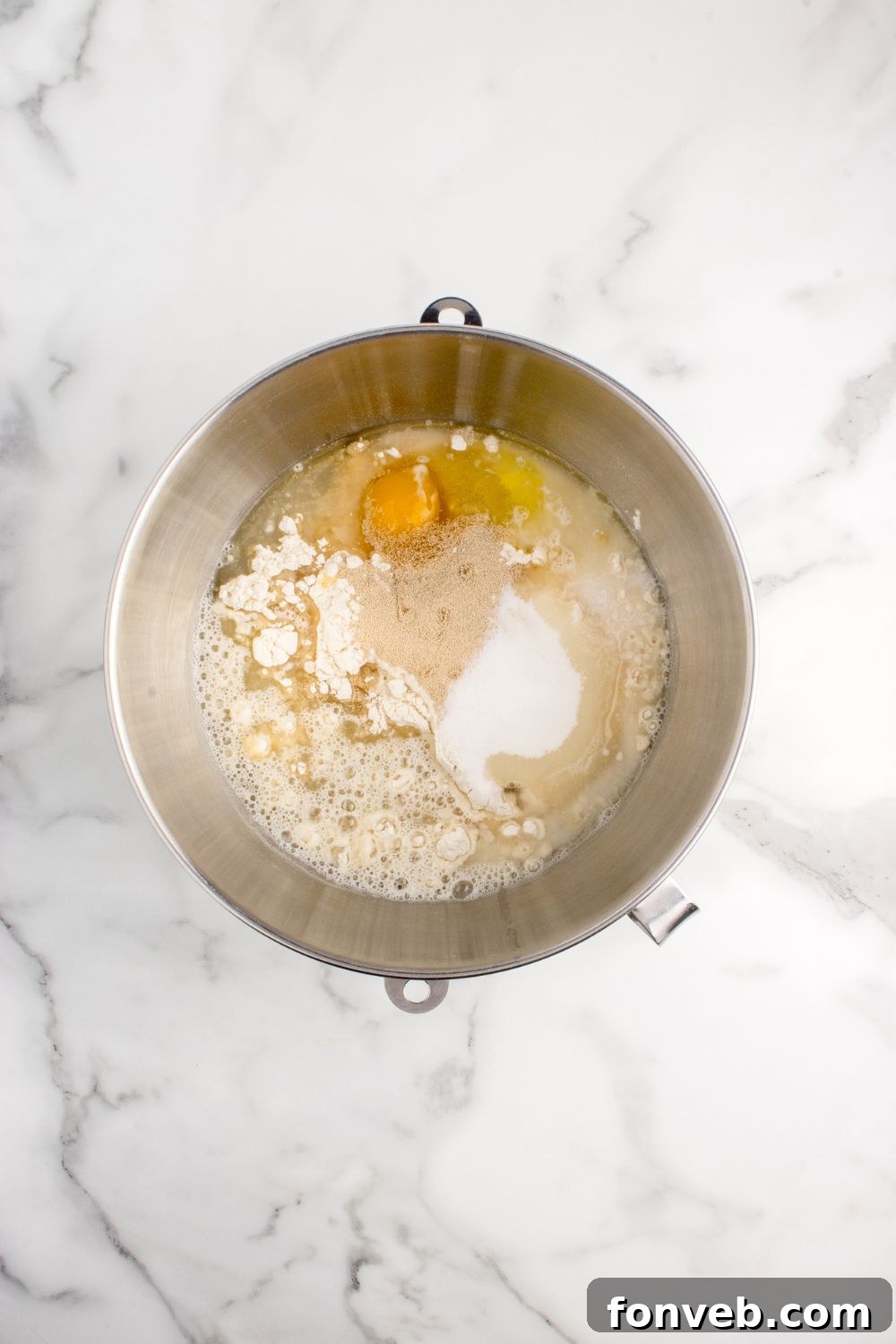
In a large bowl or the bowl of a stand mixer, combine the flour, yeast, salt, sugar, egg, warm water, and oil using clean hands or a dough hook. Mix until a soft dough forms, scraping down the sides of the bowl as needed.
-
Cover the bowl with plastic wrap or a clean kitchen towel and place it in a warm spot. Let the dough rise until it doubles in size, about 20 minutes.
-
Once the dough has doubled, gently deflate it, then turn it out onto a work surface. You can flour the surface if needed.
-
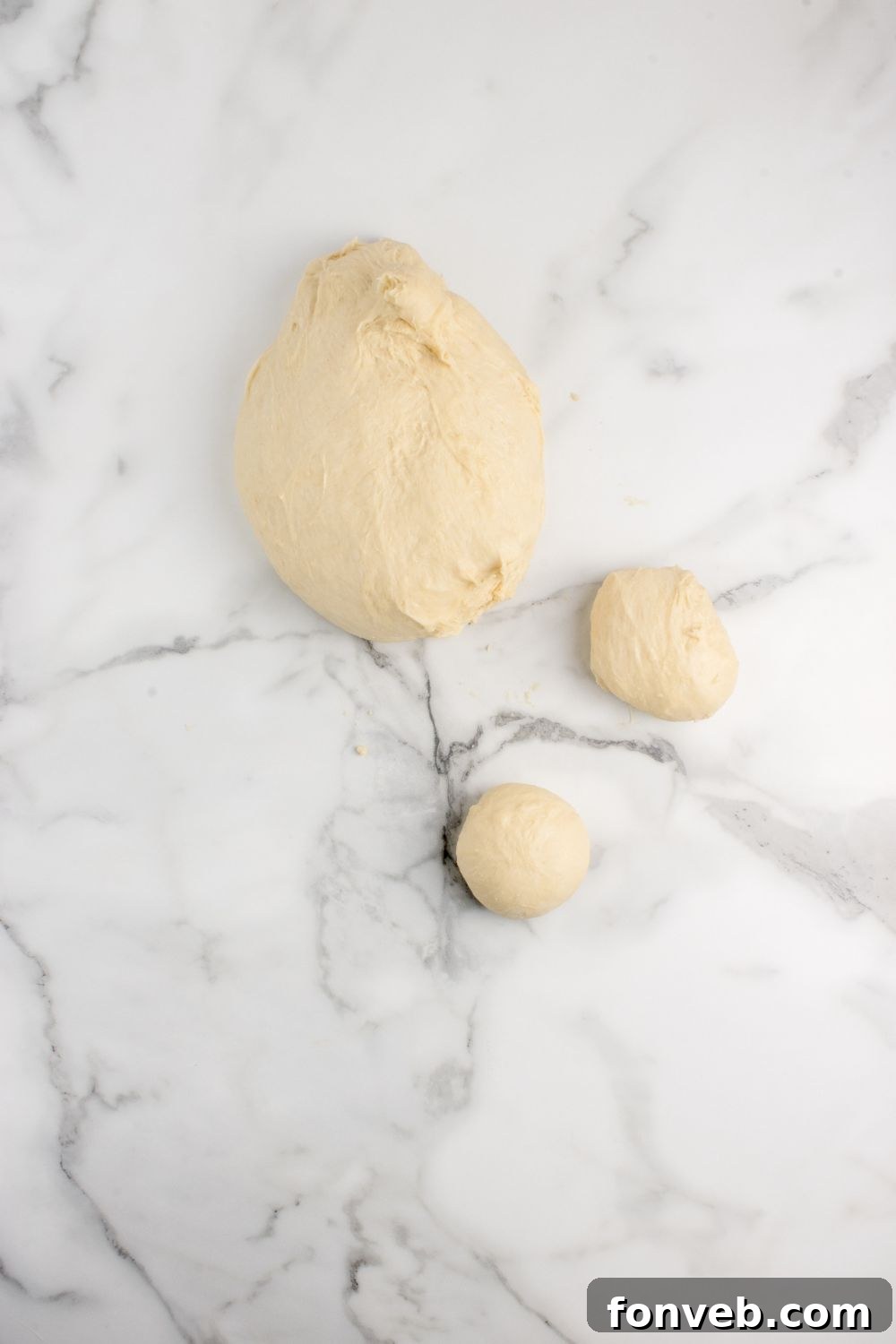
Using a bench scraper, divide the dough into 12 equal pieces (approximately 78 grams each). Gently shape them into smooth balls.
-
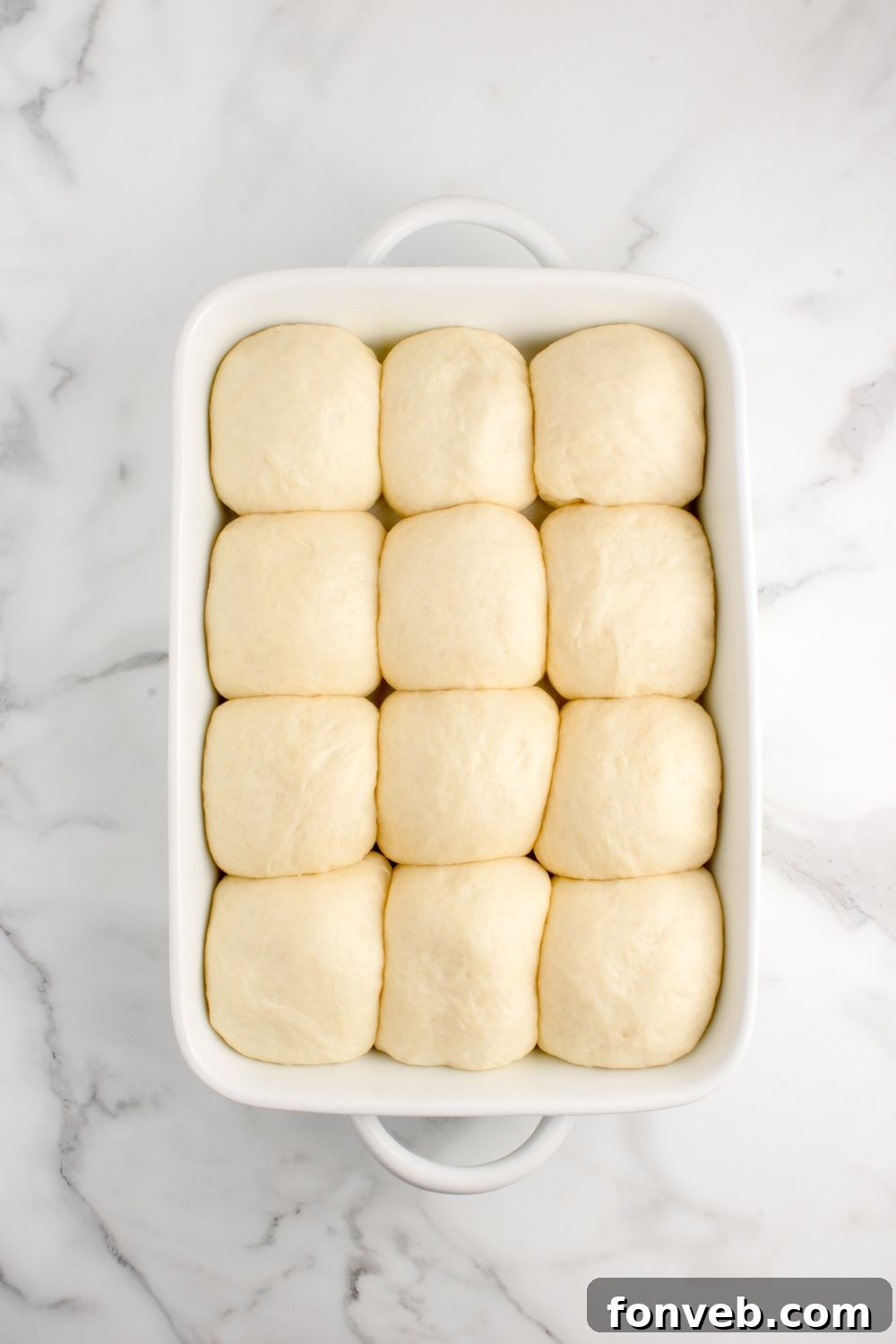
Place the dough balls into a 9×13-inch baking pan, spacing them evenly. Cover the pan with plastic wrap or a kitchen towel.
-
Let the rolls rise in a warm spot until they have doubled in size, about 30 minutes.
-
Preheat your oven to 350°F (175°C) and position the rack in the center.
-
Bake the rolls in the preheated oven for 20-25 minutes or until golden brown. Their internal temperature should reach 190°F (88°C) for fully baked rolls. Cover them with aluminum foil if they are browning too quickly.
-
Remove the rolls from the oven and let them cool slightly on a wire rack before serving. Enjoy!
Equipment
Did you make this recipe?
Make sure to follow on Pinterest for more recipes!
Pin Recipe
Share on Facebook