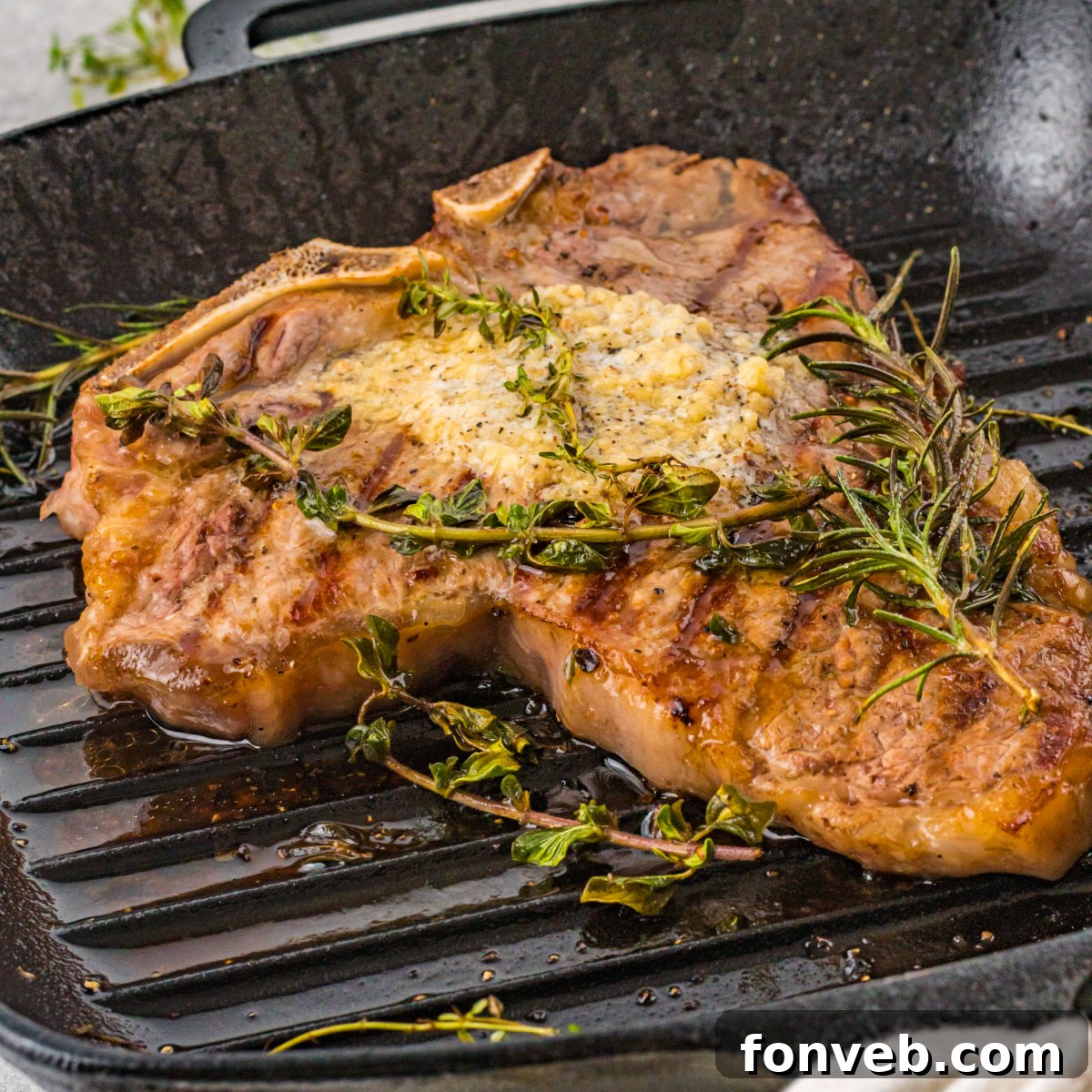
Cooking a T-Bone steak at home that rivals your favorite steakhouse experience isn’t just a dream – it’s entirely achievable. There’s an undeniable satisfaction in mastering a thick, juicy T-bone right in your own kitchen. This bold and flavorful cut, combining the tender filet mignon with the robust New York strip, offers the best of both worlds in every succulent bite. Forget the intimidation; achieving steakhouse-quality results comes down to a few simple techniques and quality ingredients. Whether you’re planning a romantic date night, a special family dinner, or simply treating yourself to an exceptional meal, this guide will equip you with everything you need to cook a perfect T-bone steak with confidence and flair. Get ready to impress your taste buds and earn your chef’s hat!
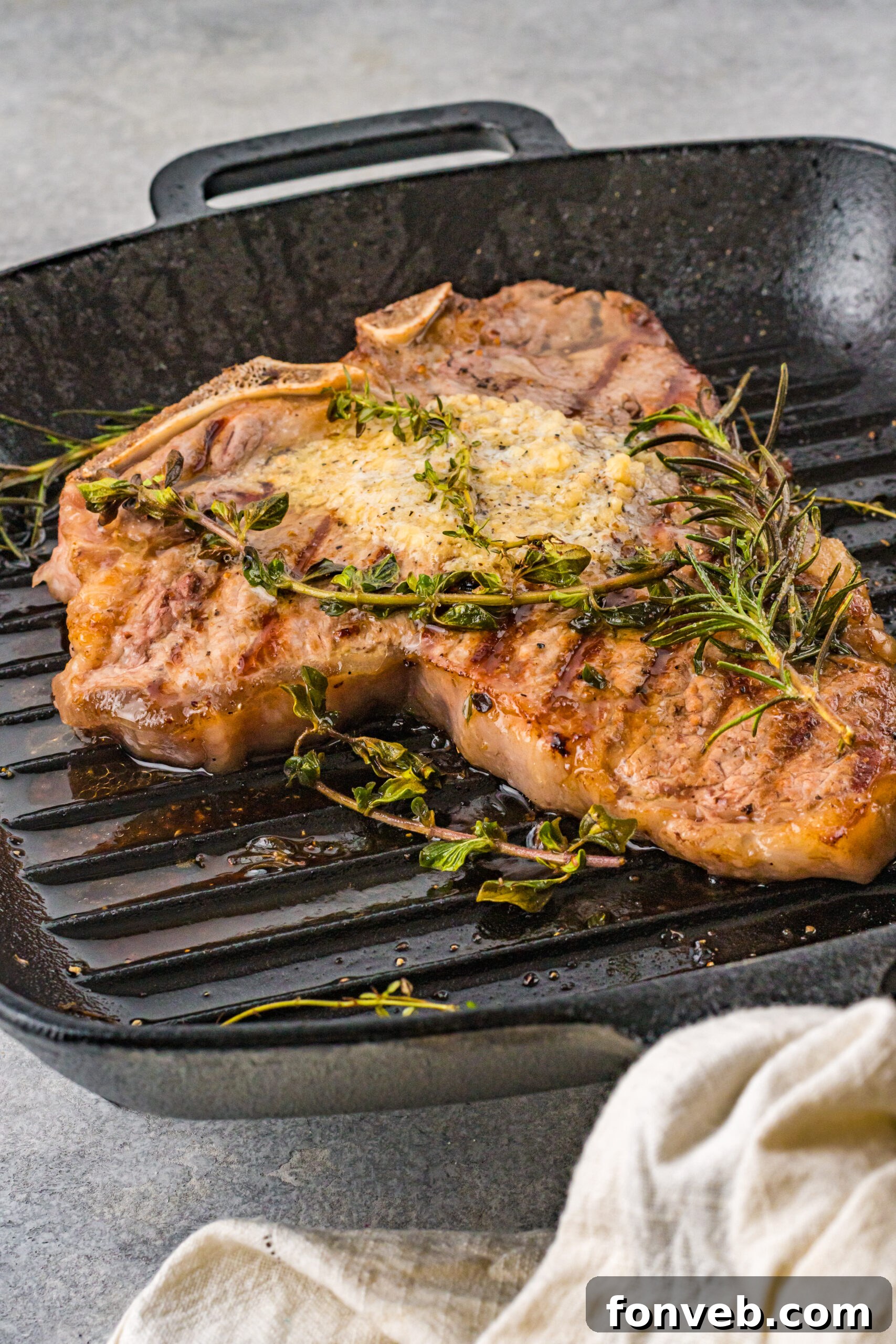
The journey to a perfect homemade T-bone steak is almost magical. Imagine the tantalizing sizzle as the meat hits a scorching hot pan, the rich aroma of savory steak and herbs filling your kitchen, building anticipation for that first unforgettable bite. This isn’t just about cooking a meal; it’s about creating an experience. Many home cooks shy away from T-bones, believing they require professional skills or complex gadgets. The truth is, with the right approach, you can create a masterpiece that tastes like it came straight from a five-star restaurant, all from the comfort of your own home. No need for complicated marinades or exotic ingredients – just a focus on technique and quality.
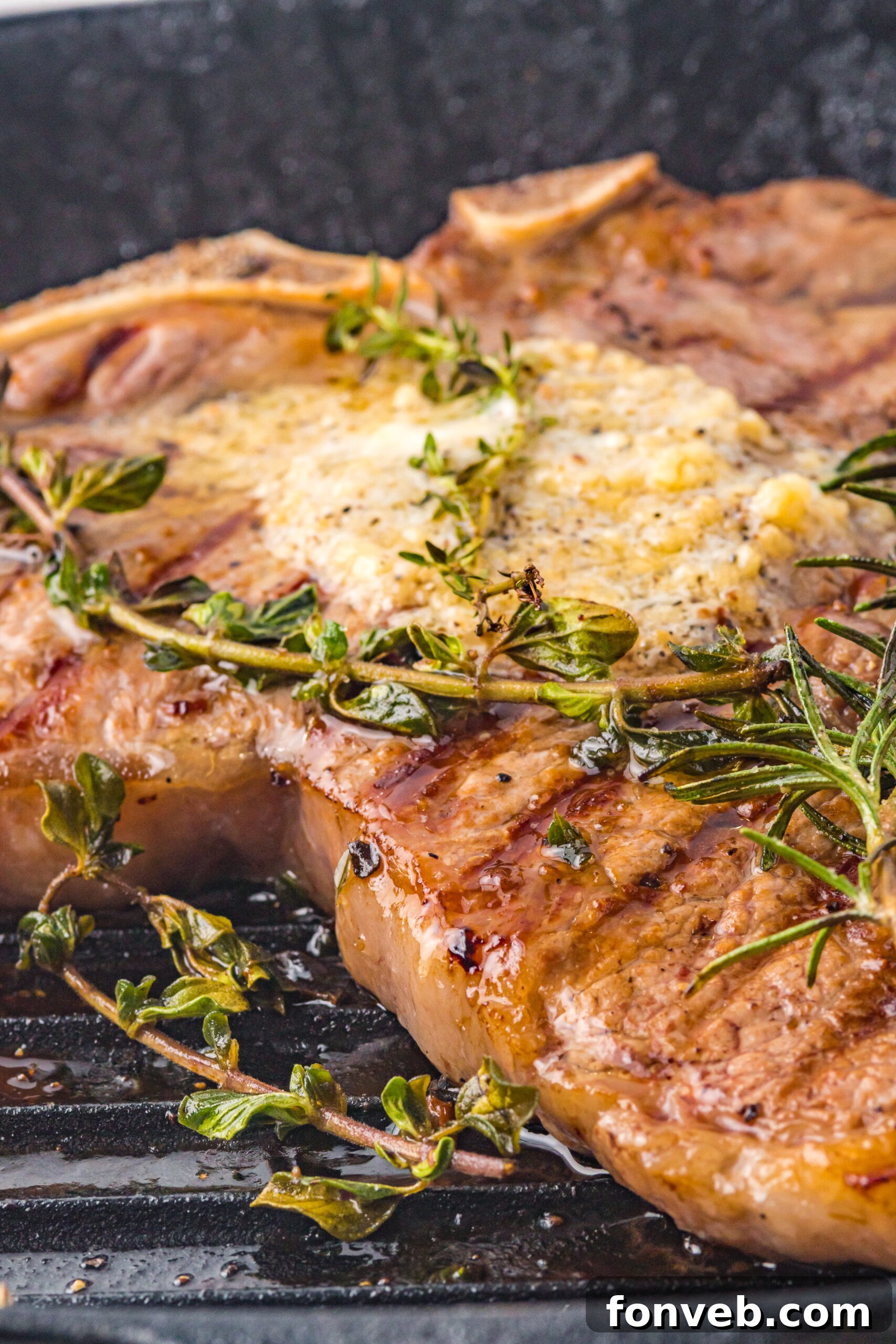
Crafting a delicious and intensely flavorful T-bone steak for dinner is simpler than you might expect with this stress-free recipe. It’s a truly versatile main course, pairing wonderfully with a variety of classic sides like crispy roasted broccoli, creamy mashed potatoes, or a perfectly baked potato. The T-bone’s dual nature – the lean, tender filet and the rich, chewable strip – means it appeals to a wide range of preferences, guaranteeing everyone at your table will find something to savor. This recipe focuses on enhancing the natural qualities of the steak, ensuring every bite is tender, juicy, and packed with an exquisite, beefy flavor.
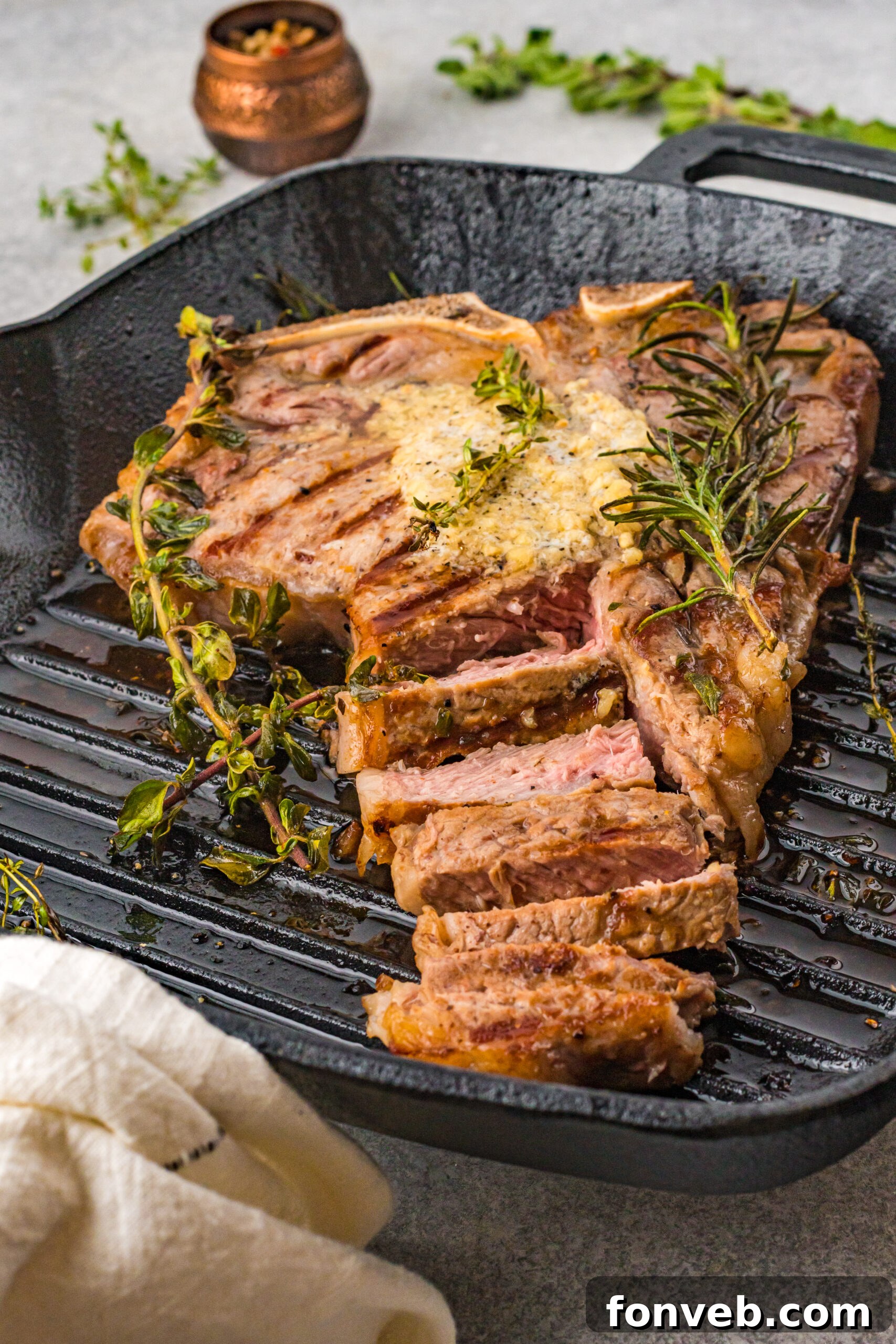
When you’re craving a wholesome, incredibly satisfying, yet straightforward meal, this T-Bone Steak recipe stands out. It’s designed to deliver a steak that literally melts in your mouth, bite after delicious bite. The T-bone is renowned as a classic for a reason: it presents the ultimate steak experience, offering a perfectly balanced combination of the exquisitely tender and buttery filet alongside the richly marbled, firm-textured strip steak, all separated by its iconic T-shaped bone. This exceptional balance of textures and robust flavors makes it the ideal choice whether you’re aiming to impress guests or simply indulge in a truly satisfying, high-quality meal.
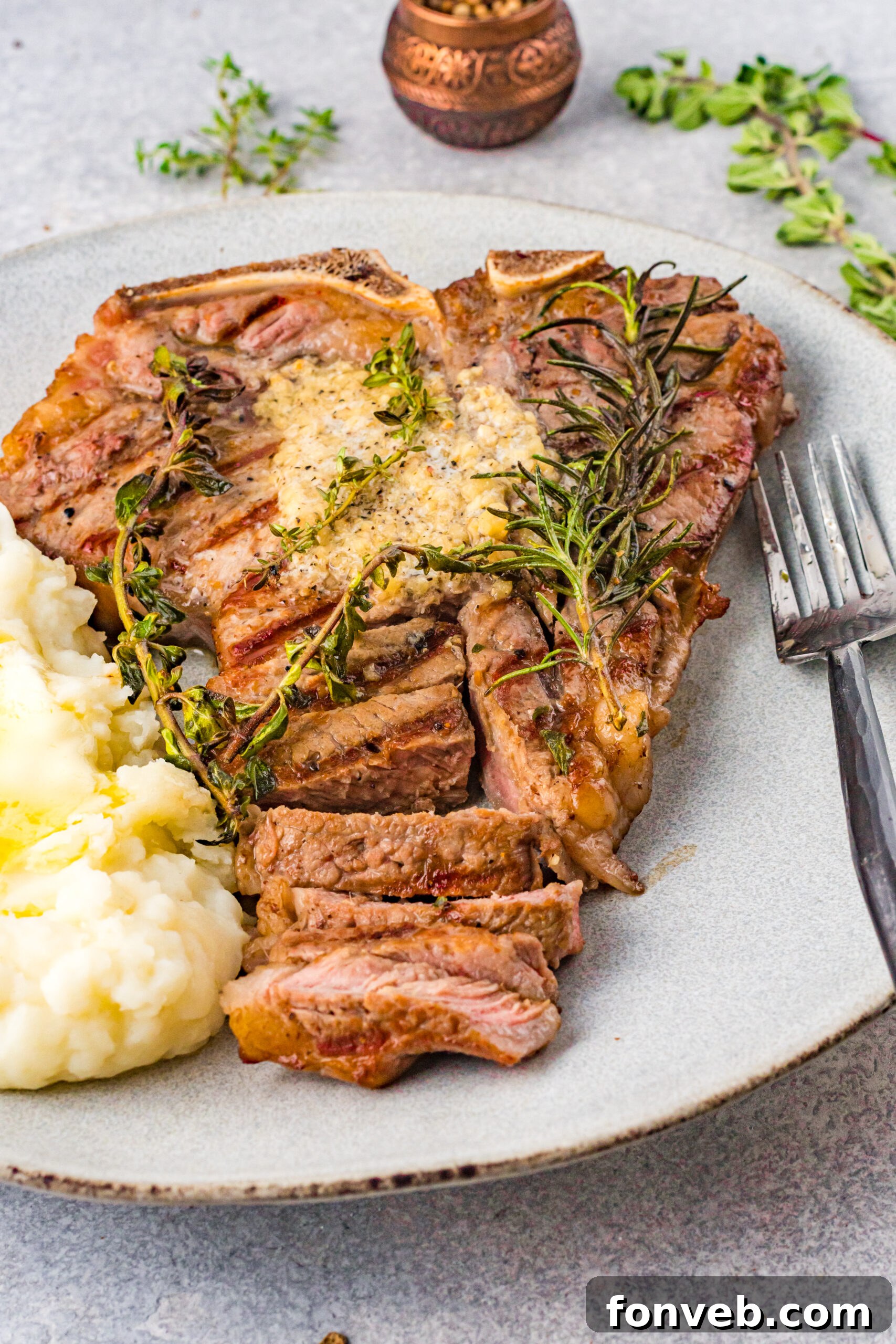
Beyond being a fantastic family meal, this T-bone steak is also an ideal entrée for a special date night or any occasion demanding an impressive yet approachable dish. Its inherent elegance and rich flavor profile make it a showstopper without requiring hours of complicated prep. With this recipe, you’ll effortlessly achieve a tender, juicy, and profoundly delicious steak that everyone will adore. It’s a testament to how simple techniques can yield extraordinary results, turning a regular evening into a memorable culinary event.
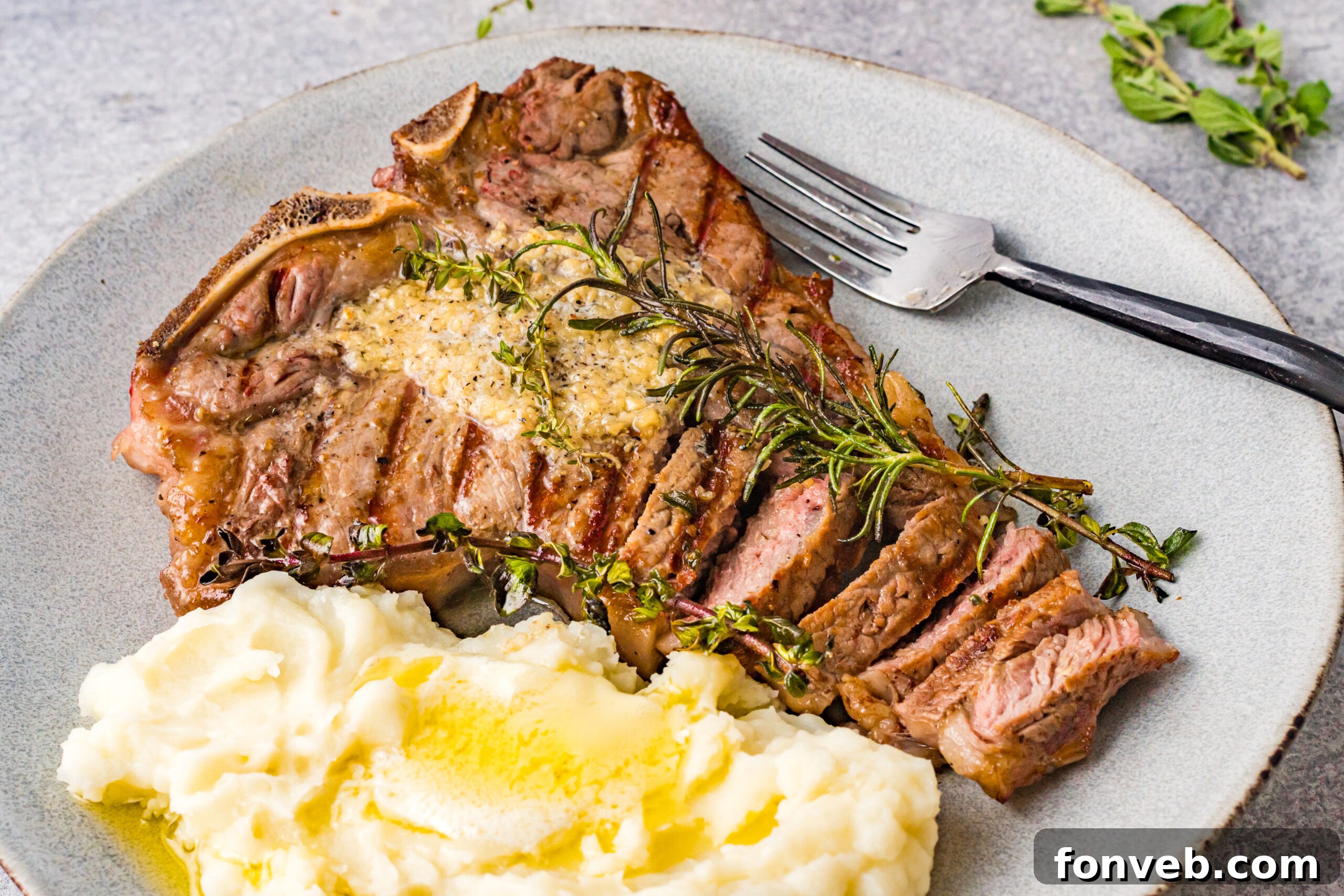
Why Cook a T-Bone Steak at Home?
Opting to cook a T-bone steak in your own kitchen offers numerous advantages, transforming a simple meal into an elevated dining experience. Here’s why this recipe should be your go-to:
- Efficiency and Speed: Despite its gourmet appeal, preparing this T-bone steak is surprisingly quick. From prep to plate, you can have a restaurant-quality meal ready in under 30 minutes, making it perfect for busy weeknights or impromptu special occasions when time is a factor.
- Unmatched Flavor and Juiciness: This recipe is specifically designed to lock in the T-bone’s natural juices and amplify its rich, beefy flavor. The combination of high-heat searing and a savory herb butter infusion results in a steak that is incredibly tender, bursting with flavor, and profoundly satisfying. It’s an ideal main course for any gathering, from intimate family dinners to impressive date nights.
- Minimal Ingredients, Maximum Impact: You don’t need a pantry full of exotic spices to create a memorable T-bone. The magic lies in simple, quality ingredients and a well-executed technique. A blend of classic seasonings and fresh herbs is all it takes to elevate your steak to extraordinary heights, allowing the premium quality of the meat to shine through.
- Cost-Effective Luxury: Enjoying a top-tier steakhouse meal can be quite expensive. By cooking a T-bone at home, you get to savor the same luxurious experience at a fraction of the cost, without sacrificing quality or flavor.
- Customization to Your Liking: When you cook at home, you have complete control over every aspect, from the exact level of doneness to the specific herbs and seasonings used. This allows for a truly personalized steak experience, tailored precisely to your preferences.
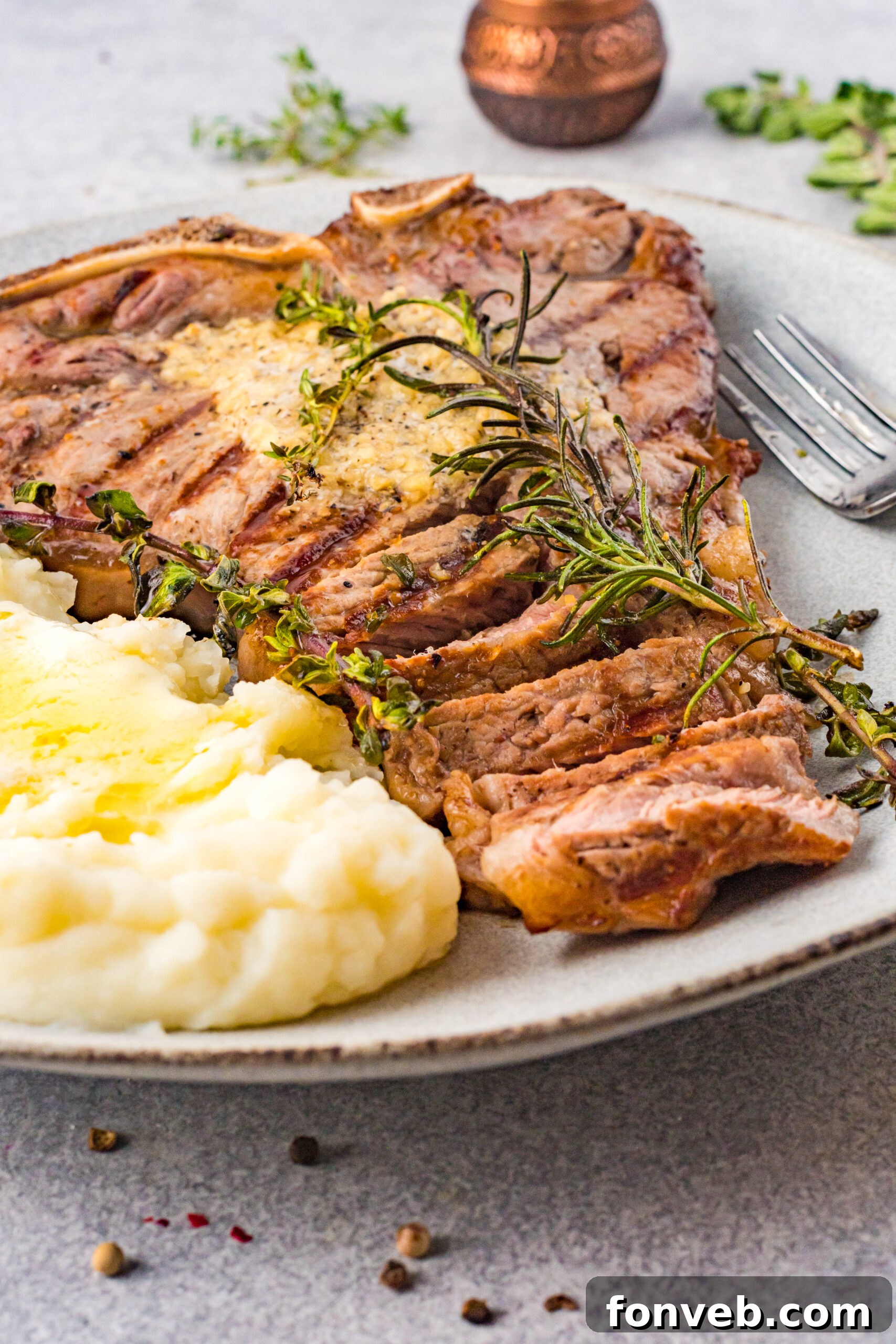
The Steakhouse Secret: High Heat and Simple Seasoning
The cornerstone of a truly exceptional T-bone steak lies in two fundamental principles: achieving an aggressive sear with high heat and employing simple, yet effective seasoning. This process begins even before the steak touches the pan. By preheating your heavy-duty cast iron skillet in a very hot oven, you create an intensely hot cooking surface. The moment the steak makes contact, it immediately begins to form a rich, deep brown crust—a process known as the Maillard reaction. This crucial step not only locks in the precious internal juices but also develops complex, savory flavors and an irresistible texture on the steak’s exterior. This crust is the hallmark of a perfectly cooked steak, so resist the urge to rush this initial searing phase.
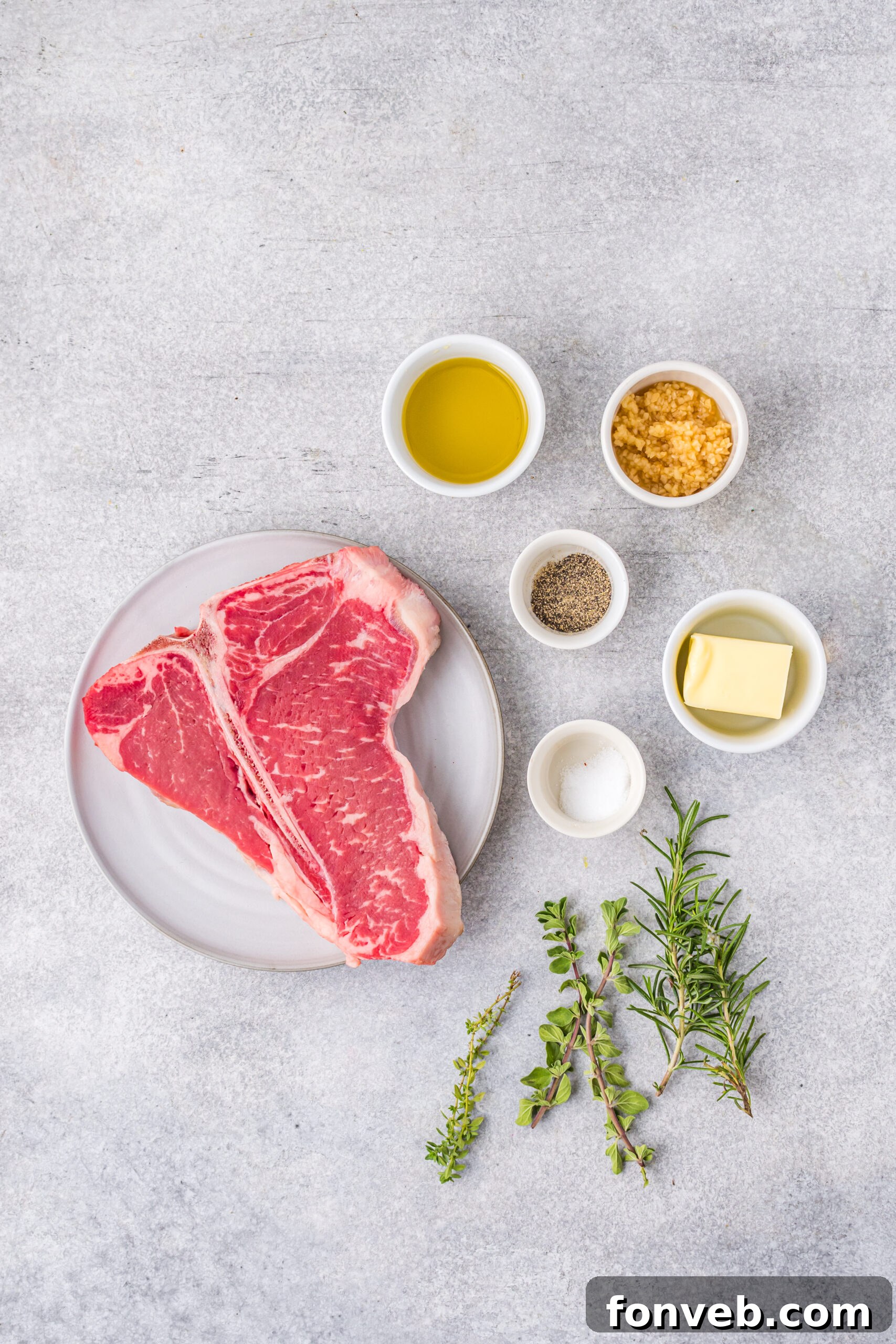
Essential Ingredients for Your Perfect T-Bone Steak
Crafting a restaurant-quality T-bone requires a few key ingredients. Focus on freshness and quality, and the flavors will truly shine. Here’s what you’ll need:
- T-Bone Steak: The star of your meal! Aim for a steak that is 1 ½ to 2 inches thick, ensuring even cooking and a beautiful sear without overcooking the interior. The thickness is crucial for achieving a perfect medium-rare center while maintaining a great crust. If T-bone isn’t available, a well-marbled porterhouse steak makes an excellent substitute, offering a similar composition with an even larger tenderloin section.
- Unsalted Butter: This is vital for basting and creating the compound butter. Using unsalted butter gives you precise control over the overall saltiness of your dish, allowing the natural flavors of the steak and herbs to come forward without becoming overly salty. Butter adds richness, helps develop a golden-brown crust, and carries the flavors of the herbs beautifully.
- Olive Oil: A high-quality olive oil is excellent for initial searing due to its relatively high smoke point, which helps prevent burning at the high temperatures required for a good sear. It ensures the steak becomes beautifully browned and juicy, contributing to a truly delicious finish.
- Fresh Garlic: Minced or crushed fresh garlic is indispensable for infusing both the searing oil and the compound butter with its pungent, aromatic flavor. It adds depth and complexity that complements the beef perfectly.
- Fresh Thyme: Fresh thyme sprigs are essential for their earthy, slightly minty notes. They contribute a beautiful aroma and flavor, especially when used in the compound butter and when basting the steak, enhancing its savory profile.
To complete this exceptional recipe, you’ll also need sprigs of fresh rosemary for its piney, aromatic notes, fresh oregano for its warm, slightly peppery essence, and, of course, coarse kosher salt and freshly ground black pepper to season your steak generously.
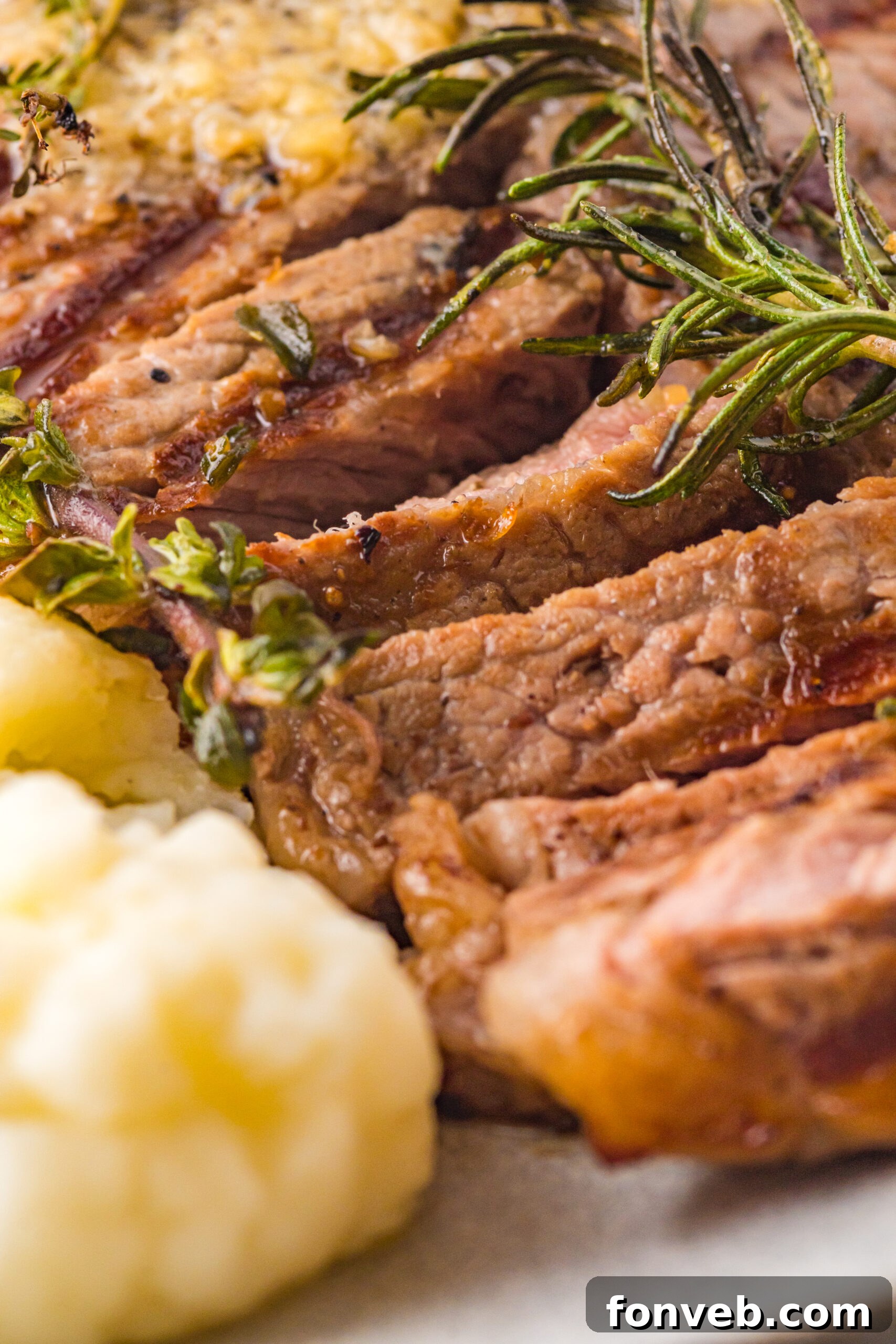
The Art of Simple Seasoning
Another crucial, yet often underestimated, element in cooking a steakhouse-quality T-bone is the power of simple seasoning. While countless steak rubs, marinades, and complex spice blends exist, a truly great steak often needs nothing more than generous amounts of coarse kosher salt and freshly cracked black pepper. The purpose of seasoning isn’t to mask the steak’s natural flavor, but to enhance and amplify it. Before the steak even touches the searing-hot pan, ensure it’s thoroughly patted dry and then liberally seasoned on all sides. This liberal application is key: the salt helps to draw out moisture and create that desirable crust, while pepper adds a subtle, spicy kick. Allowing the steak to sit for a few minutes after seasoning helps the salt penetrate the surface, preparing it for an even better sear. Let the magnificent flavor of the beef remain the star, with salt and pepper as its faithful supporting cast.
Frequently Asked Questions About Cooking T-Bone Steak
Here are some common questions and helpful answers to ensure your T-bone steak comes out perfectly every time:
- How long does it take to cook a T-Bone steak? This recipe is designed for efficiency! You can have your delicious T-Bone steak ready to enjoy in approximately 19 minutes total. This includes about 5 minutes for seasoning and preparation, and then roughly 4 to 7 minutes per side on the stovetop in your cast iron skillet, depending on your preferred level of doneness and the thickness of your steak.
- Can I use margarine instead of butter for searing or compound butter? While unsalted butter is highly recommended for its superior flavor and browning properties, margarine can be used as a substitute if absolutely necessary, especially if you’re dairy-free or it’s your only option. However, be aware that margarine may not provide the same rich, nutty flavor or achieve the same golden-brown crust as butter. For those with lactose intolerance, dairy-free butter alternatives are an excellent choice that can still deliver great flavor.
- What if I can’t find fresh thyme or other fresh herbs? Fresh herbs always offer the best aroma and flavor, but if fresh thyme, rosemary, or oregano are unavailable, you can certainly use their dried counterparts. As a general rule, use about one-third the amount of dried herbs compared to fresh, as dried herbs are more concentrated in flavor. Remember to crush dried herbs slightly in your palm before adding to release their essential oils.
- What are the ideal internal temperatures for different levels of doneness? Using a meat thermometer is the most accurate way to ensure your steak is cooked exactly how you like it.
- Rare: 125-130°F (52-54°C)
- Medium-Rare: 130-135°F (54-57°C)
- Medium: 135-140°F (57-60°C)
- Medium-Well: 140-150°F (60-65°C)
- Well-Done: 150-160°F (65-71°C)
Remember that the temperature will rise a few degrees during the resting period.
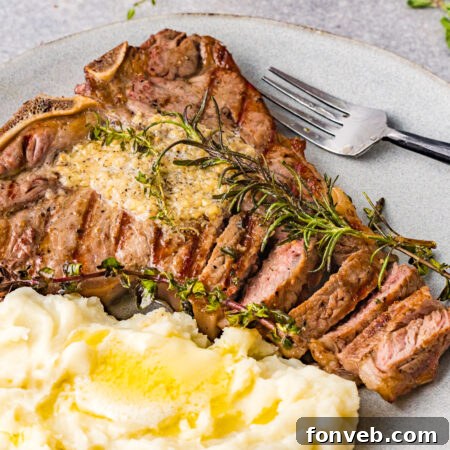
- What are good side dishes to serve with T-Bone steak? A T-bone pairs beautifully with a variety of classic steakhouse sides. Consider mashed potatoes, baked potatoes, roasted asparagus, creamed spinach, a simple green salad, or sautéed mushrooms for a complete and satisfying meal.
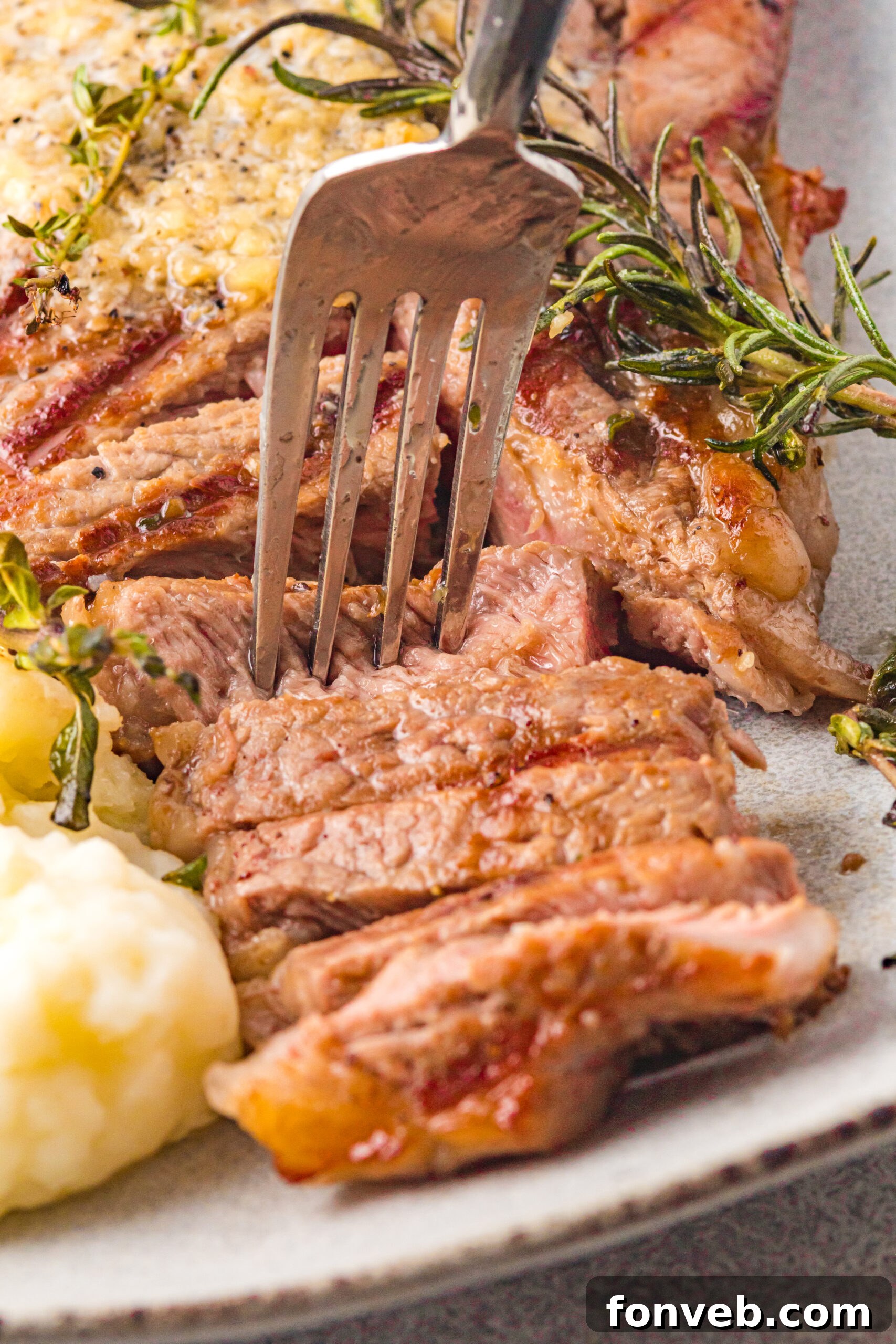
Trust the Process: Let the Steak Do Its Thing
Once your perfectly seasoned T-bone hits that preheated, scorching hot pan, a crucial rule applies: don’t overthink it, and let it cook. Avoid the temptation to constantly poke, prod, or flip the steak too soon. Allow it to sit undisturbed on one side until a beautiful, deep golden-brown crust has formed. This intense searing is essential for developing flavor and texture. Only then should you flip it to cook the other side. While the exact cooking time depends on your desired doneness and the steak’s thickness, a general guideline is 2 minutes per side for rare, 3 to 4 minutes per side for medium-rare, and so forth. Using a meat thermometer is the most accurate way to gauge internal temperature for precise results. This patient approach is straightforward once you understand the science behind it.
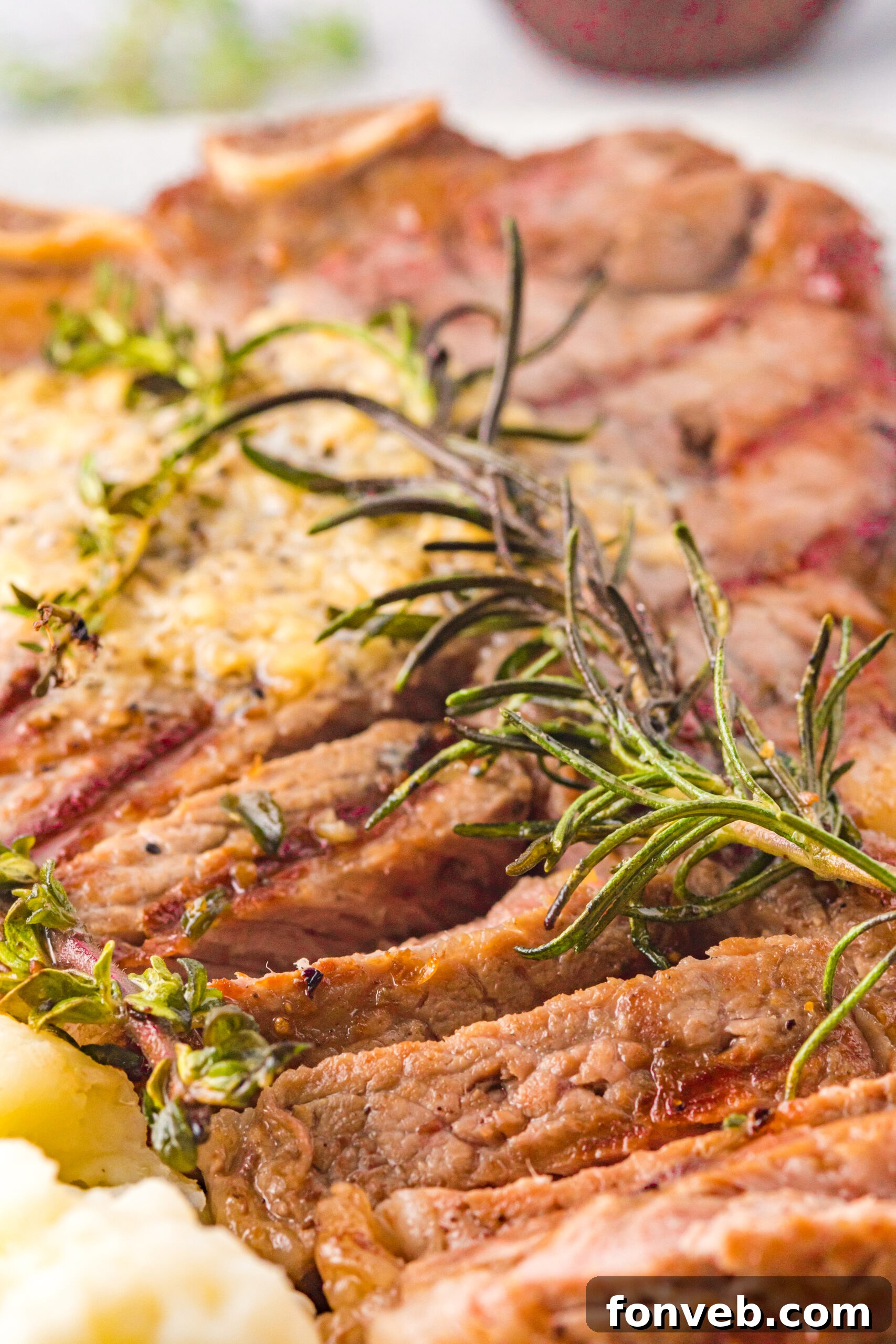
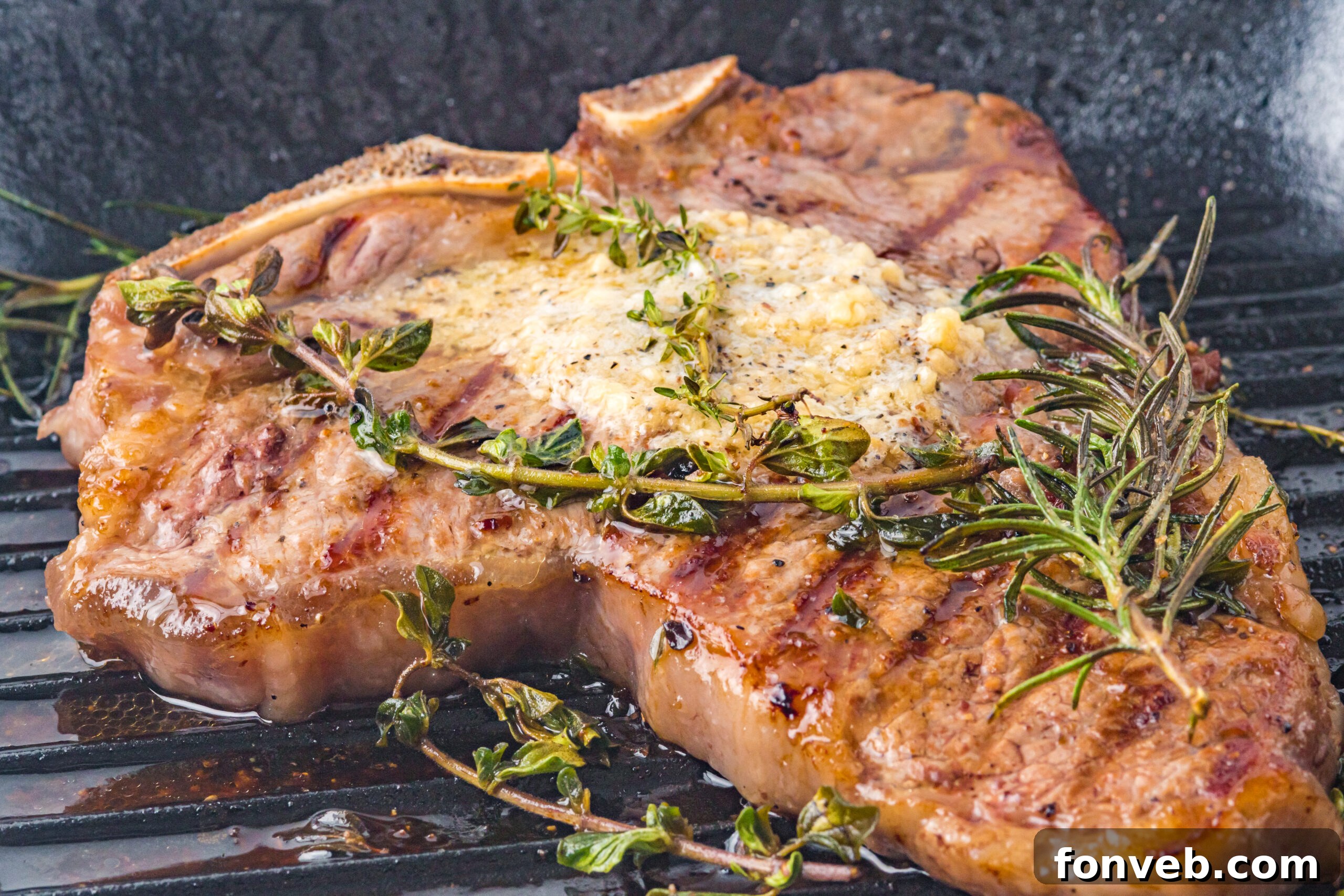
And here’s where a truly special element elevates your steak: the introduction of herbed compound butter. As the steak approaches its desired doneness, spooning a generous dollop of this fragrant, garlicky butter directly onto the sizzling meat is pure culinary magic. The butter melts and cascades over the steak, infusing it with layers of rich, savory flavor from the fresh herbs (thyme, rosemary, oregano) and garlic. This basting technique not only adds incredible aroma and taste but also helps to keep the steak incredibly moist and tender. It’s the kind of touch that transforms a good steak into an unforgettable one, making you pause mid-bite to truly appreciate the depth of flavor.
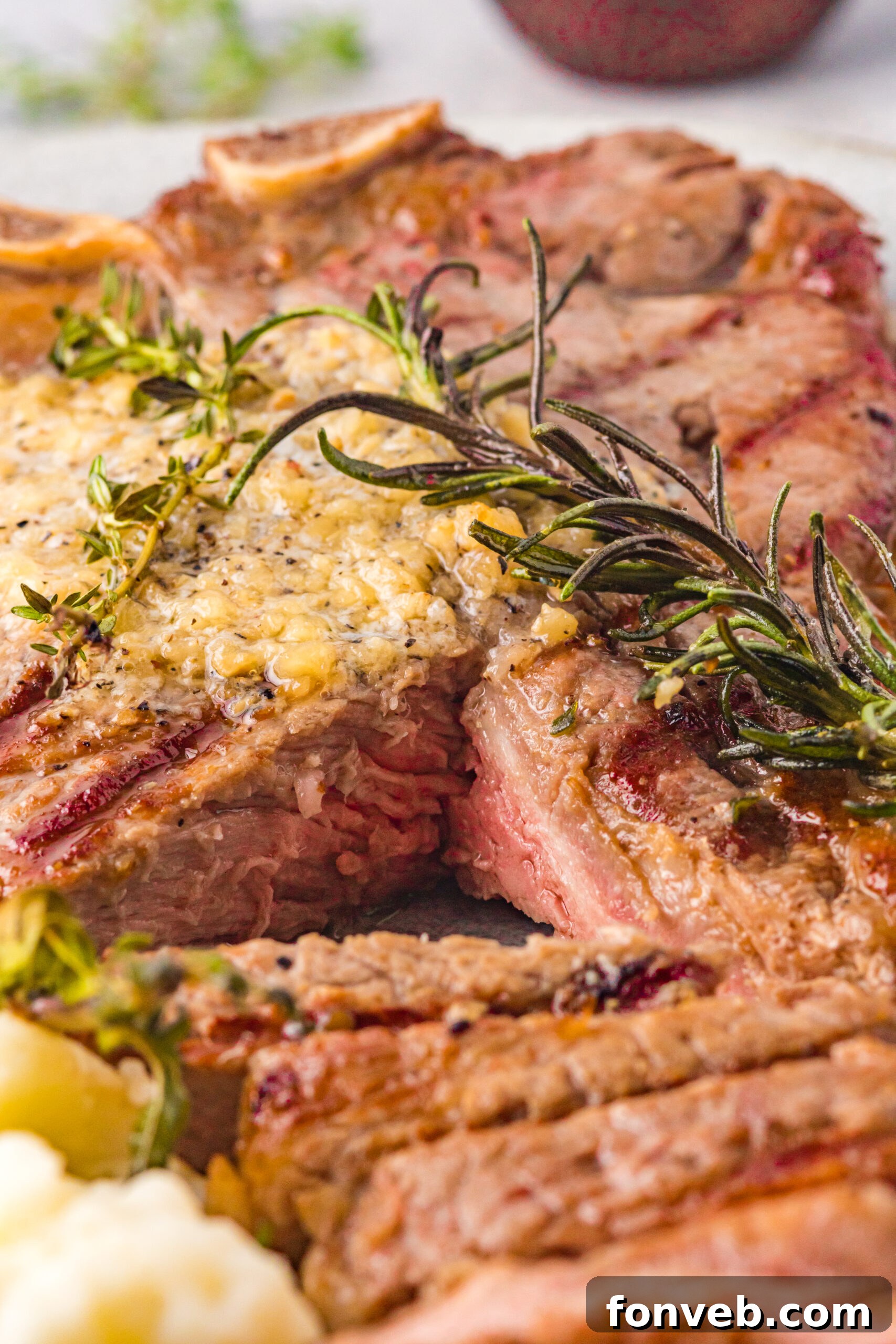
Expert Recipe Notes and Pro Tips for Your T-Bone
To ensure your T-bone steak is nothing short of perfection, keep these essential tips in mind:
- Bring Steak to Room Temperature: Before you even think about cooking, remove your T-bone steak from the refrigerator at least 30 minutes (and ideally up to an hour) before cooking. Allowing the steak to come closer to room temperature ensures it cooks more evenly from edge to center, preventing a cold, undercooked interior or an overcooked exterior.
- Choose the Right Steak: The quality of your steak is paramount. When selecting a T-bone, look for one that has good marbling – small streaks of fat distributed throughout the muscle. This intramuscular fat is key to a juicy, flavorful, and tender steak, as it melts during cooking, basting the meat from within and preventing it from becoming dry. Also, opt for a steak that is uniformly thick (1.5 to 2 inches) for consistent cooking.
- Pat it Dry: Before seasoning, thoroughly pat your steak dry with paper towels. Excess surface moisture prevents the Maillard reaction (the browning that creates rich flavor and a crust). A dry surface is crucial for an optimal sear.
- Don’t Overcrowd the Pan: If cooking multiple steaks, work in batches if necessary. Crowding the pan will lower its temperature, steaming the meat instead of searing it, resulting in a gray crust rather than a deep brown, flavorful one.
- Storing Leftovers: Should you have any glorious leftovers, store the cooked T-bone steak in an airtight food storage container. Refrigerate promptly and consume within three to five days to maintain freshness and quality. For best results when reheating, gently warm in a skillet over low heat or in a low oven to avoid drying it out.
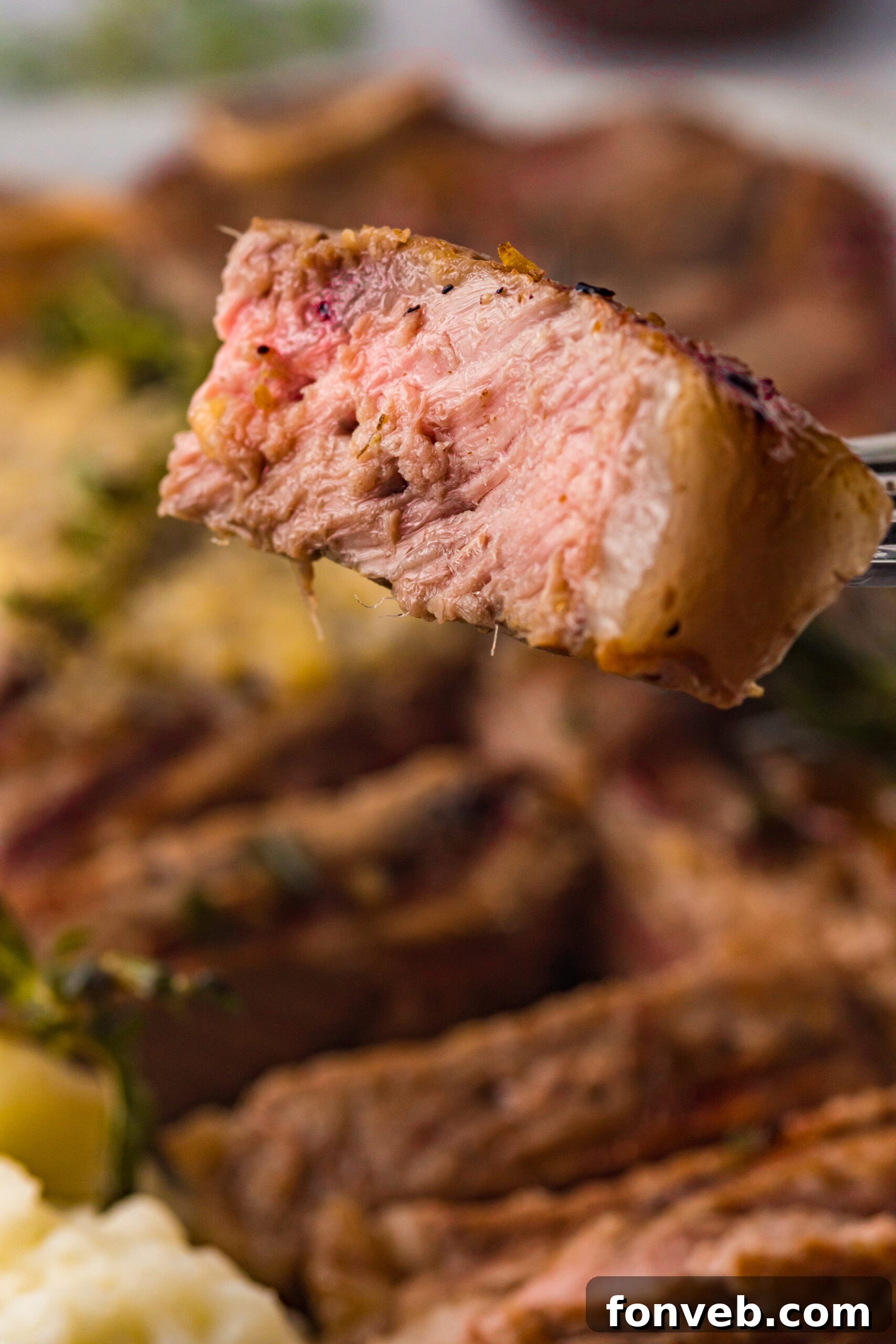
The Crucial Resting Period: A Step Not to Be Skipped
Once your T-bone steak has reached its perfect internal temperature and boasts a magnificent crust, the most challenging part of the process begins: the waiting. As tempting as it is to immediately slice into that beautifully cooked meat, resisting this urge and allowing your steak to rest is absolutely essential for maximum flavor and tenderness. During cooking, the muscle fibers contract, pushing the juices towards the center of the steak. If you cut into it too soon, those precious juices will simply gush out onto your cutting board, leaving you with a drier, less flavorful steak. Resting allows these juices to redistribute evenly throughout the meat, resulting in every bite being incredibly moist, tender, and intensely flavorful. For a steak of this thickness, a rest of at least 5-10 minutes is ideal. Tent it loosely with foil to keep it warm. Trust me, this brief pause is entirely worth it. While the steak rests, you can effortlessly finish preparing your complementary side dishes or simply take a moment to admire your culinary accomplishment – because, let’s be honest, you’ll feel like a seasoned pro after this!
Cooking a glorious T-bone steak at home might initially appear daunting, but by mastering these fundamental techniques – focusing on high heat, achieving an impeccable sear, and generously basting with aromatic butter – you’ll consistently produce steaks worthy of any high-end establishment. The reward is a steak that is extraordinarily tender, bursting with juicy flavor, and boasts a phenomenal crust. Whether you’re commemorating a special occasion, celebrating a milestone, or simply satisfying a craving for something truly delicious, this T-bone steak recipe is destined to become a cherished favorite in your culinary repertoire.
So, the next time the craving for a premium steakhouse experience strikes, bypass the reservations and create it yourself. With just a minimal investment of time, a handful of quality ingredients, and these expert tips, you’ll be relishing the kind of exquisite steak you previously only dreamed of, all from the comfort and convenience of your own kitchen. Elevate your home cooking and savor the taste of success!
More Delicious Recipes You Will Love!
Garlic Butter Steak
WORLD’S BEST STEAK MARINADE
Slow Cooker Salisbury Steaks & Gravy
T-Bone Steakhouse Style
Course
Main Course
Prep Time
5 minutes
Cook Time
14 minutes
Total Time
19 minutes
Servings
1
Steak
Ingredients
-
1 – 1.5 to 2 pound T-Bone steak 2 inch thick, room temperature -
1 tablespoon olive oil -
Kosher salt and freshly ground black pepper to taste -
Fresh herb sprigs (thyme, rosemary, and oregano)
For the Compound Butter:
-
3 tablespoons unsalted butter room temperature -
1 tablespoon minced garlic -
2 sprigs fresh thyme stems removed, then finely minced -
2 sprigs fresh rosemary stems removed, then finely minced -
2 sprigs fresh oregano stems removed then finely minced -
1/2 teaspoon kosher salt -
1/2 teaspoon ground black pepper
Instructions
-
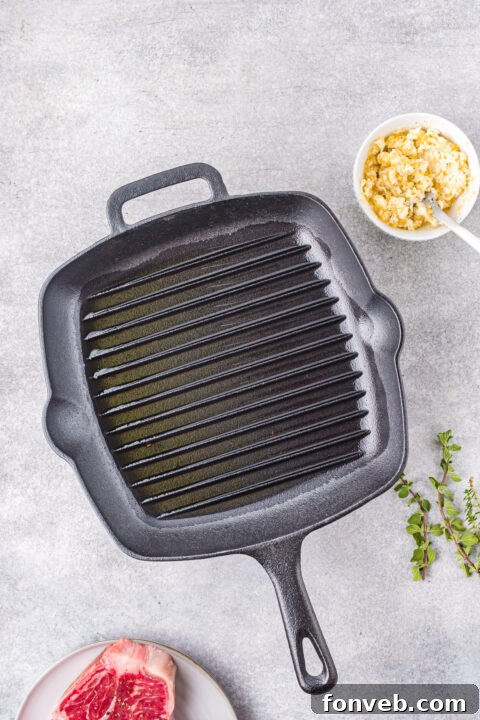
Preheat your oven to 400°F (200°C). Once the oven is heated, carefully place a cast iron skillet inside for 10 minutes to get it extremely hot. Remove the skillet from the oven and transfer it to your stovetop, setting the heat to medium-high. Add the olive oil to the hot pan.
-
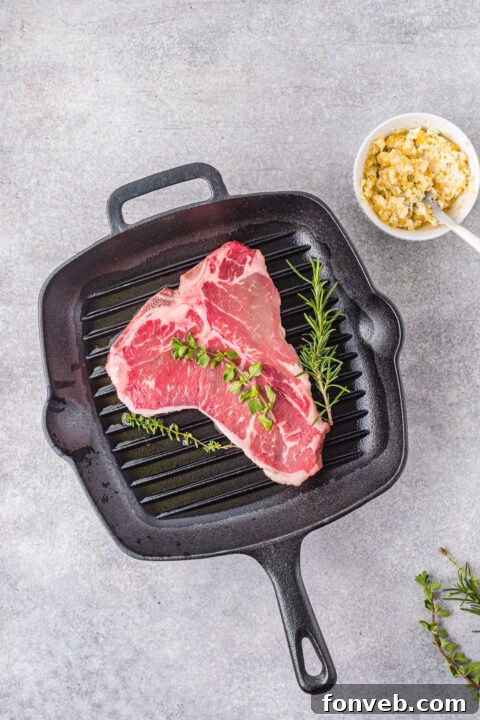
While the pan heats, pat your T-bone steak thoroughly dry with paper towels. Season the meat generously on all sides with kosher salt and freshly ground black pepper. Carefully place the seasoned steak into the scorching hot pan. Add a few sprigs of fresh herbs (thyme, rosemary) to the pan alongside the steak for aromatic infusion. Cook the steak according to your preferred doneness, referring to the guidelines below.
-
***Cooking Times for a 1.5-2 inch thick T-Bone (per side):
- Rare: 2 minutes per side (internal temperature 125-130°F / 52-54°C)
- Medium-Rare: 3.5 minutes per side (internal temperature 130-135°F / 54-57°C)
- Medium: 5 minutes per side (internal temperature 135-140°F / 57-60°C)
- Medium-Well: 6 minutes per side (internal temperature 140-150°F / 60-65°C)
Always use a meat thermometer for accuracy. Temperatures will rise slightly during resting.
-
To prepare the exquisite compound butter, combine the softened unsalted butter with minced garlic, finely minced fresh thyme, rosemary, oregano, kosher salt, and ground black pepper in a small bowl. Stir all ingredients thoroughly until well blended.
-
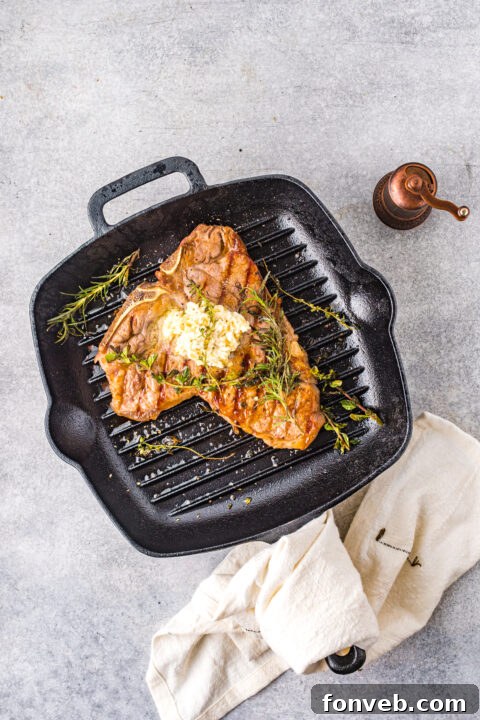
Once you’ve flipped the steak to its second side, generously spoon a portion of the freshly prepared compound butter directly onto the hot steak. Allow the butter to slowly melt and seep into the meat while the second side continues to cook, infusing it with incredible flavor.
-
As soon as your steak reaches the desired internal temperature, immediately remove it from the intensely hot pan. You can add another spoonful of herbed butter on top of the steak at this stage for an extra burst of flavor and richness.
-
Transfer the steak to a cutting board and allow it to rest for a full 5-10 minutes before slicing and serving. This critical resting period ensures the juices redistribute throughout the meat, guaranteeing a tender, succulent, and more flavorful steak.
Did you make this recipe?
Make sure to follow on Pinterest for more recipes!
Pin Recipe
Share on Facebook