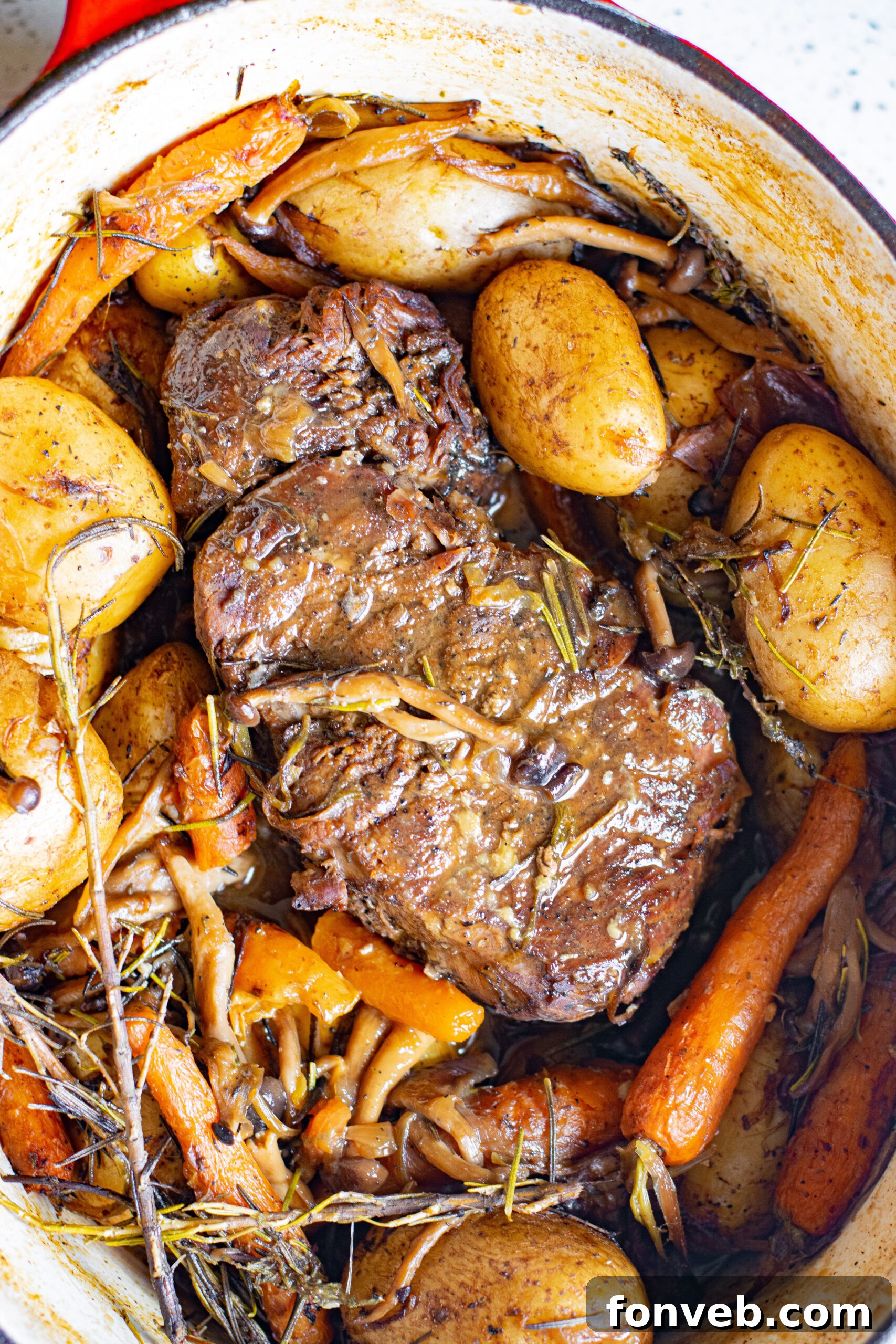
The Ultimate Melt-in-Your-Mouth Pot Roast with Potatoes: A One-Pot Wonder
Discover the secrets to a perfectly tender, incredibly flavorful pot roast that will impress every time. This comprehensive guide covers everything from selecting the best beef cuts to mastering both oven and slow cooker methods, ensuring a delicious, fuss-free meal.
Embark on Your Pot Roast Journey: A Recipe for Success
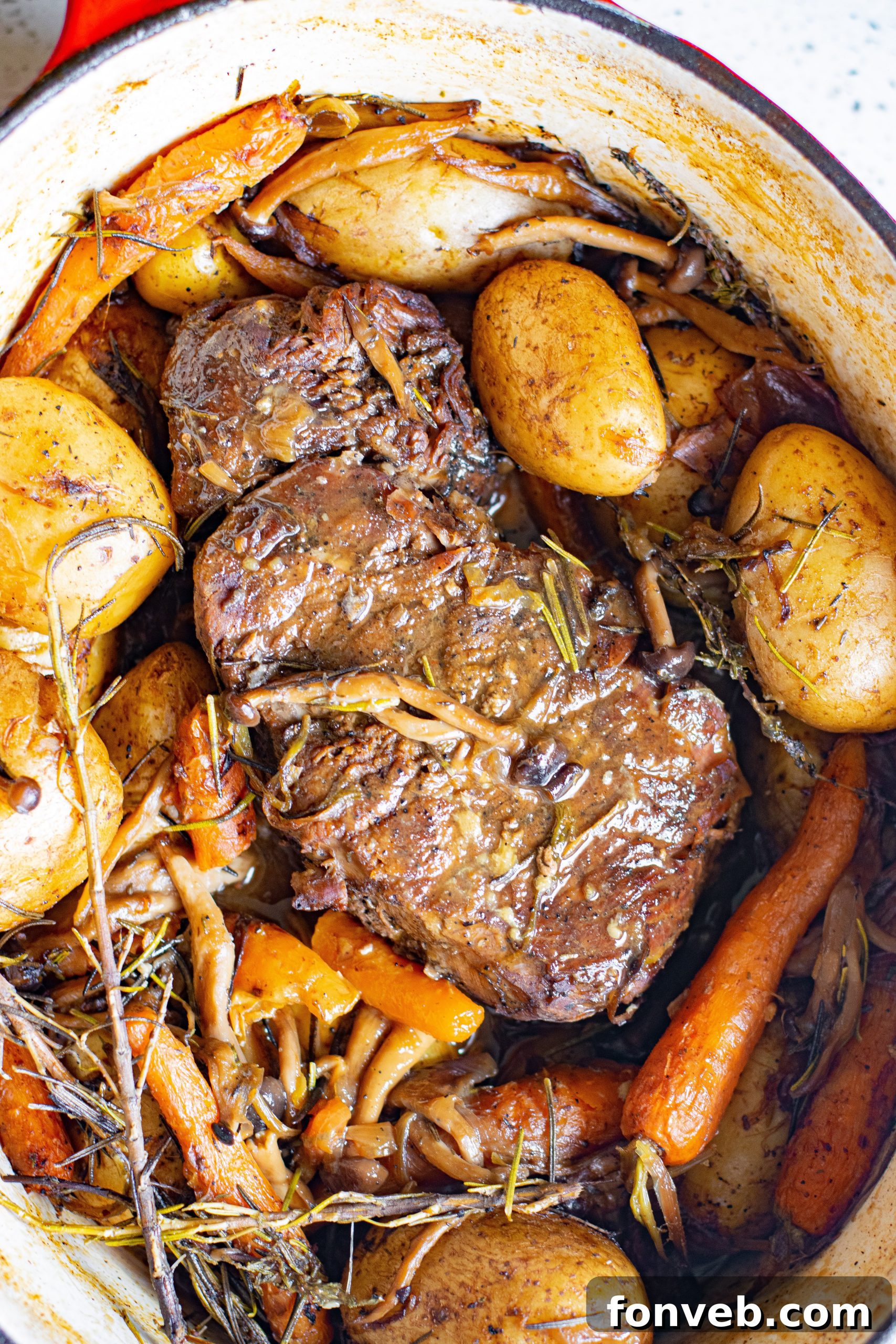
If the idea of making a pot roast has ever seemed daunting, let this be the recipe that changes your mind. This is not just another pot roast recipe; it’s the ultimate guide to achieving a dish so profoundly tender, so rich in flavor, that it truly melts in your mouth. Whether you’re a seasoned home cook or stepping into the world of slow-cooked meats for the first time, this recipe guarantees success. It’s designed to make dinner preparation a breeze while delivering a meal that feels both hearty and elegantly simple.
Imagine slicing into succulent beef that practically falls apart, enveloped in a savory gravy, alongside perfectly cooked potatoes and vegetables that have absorbed every nuance of flavor. This isn’t just dinner; it’s an experience, a comfort food masterpiece that effortlessly elevates any mealtime. The beauty lies in its simplicity, yielding a dish that tastes like it took hours of complex preparation, when in reality, it’s a wonderfully straightforward one-pot affair.
Meal Prep Made Easy: Storage and Reheating Tips
One of the many advantages of this incredible pot roast recipe is its fantastic versatility for meal prepping. This dish not only tastes phenomenal fresh out of the oven but also improves with time as the flavors meld and deepen. You can confidently store leftovers in an airtight container in the refrigerator for up to one week. This makes it an ideal candidate for weekday lunches or quick dinners when you’re short on time.
For longer storage, this pot roast freezes beautifully. Portions can be frozen for up to one month, allowing you to enjoy this comforting meal whenever the craving strikes. To reheat, simply thaw overnight in the refrigerator and gently warm on the stovetop or in the oven until heated through. A splash of beef broth can help revive the moisture and ensure it’s as delicious as the day it was made. Preparing a large batch means you’re always just minutes away from a wholesome, delicious meal.
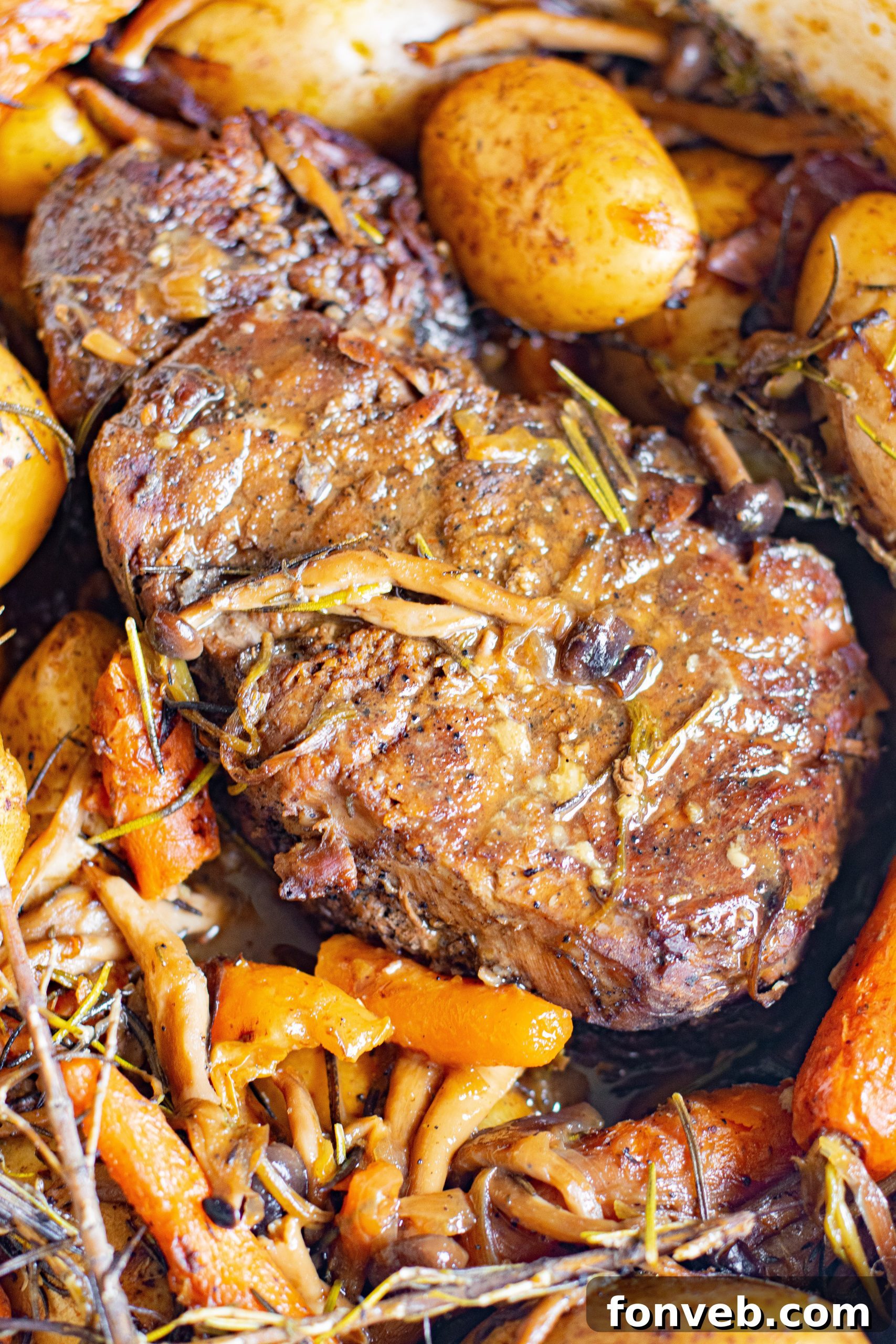
The Ultimate One-Pot Dinner: A Symphony of Flavors and Textures
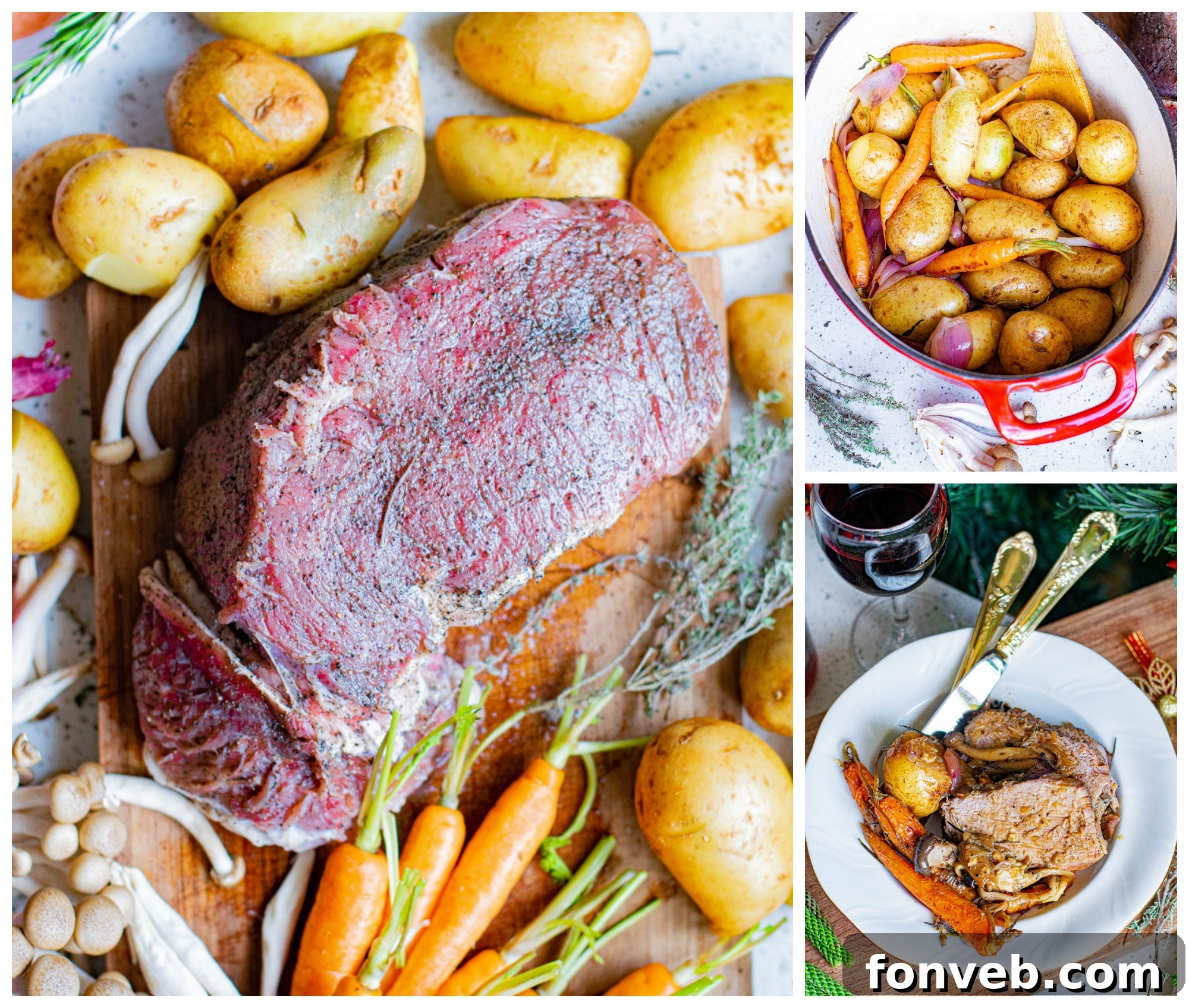
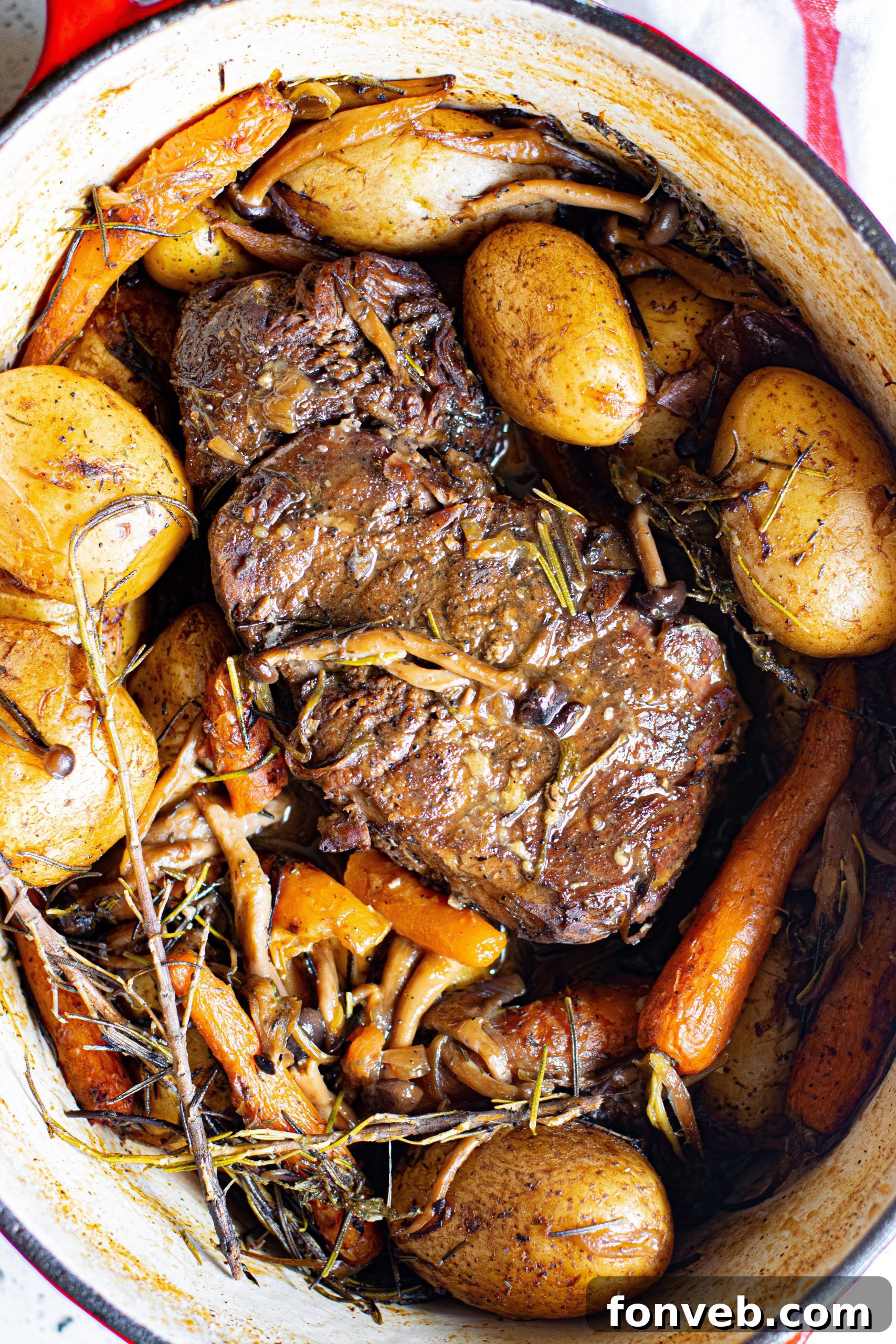
What truly sets this pot roast apart as a “one-pot wonder” is the ingenious way all components cook together, infusing every bite with unparalleled depth. We incorporate baby potatoes directly into the roasting pan, allowing them to soak up all the rich, savory juices and seasonings from the beef as it slowly simmers. This results in potatoes that are incredibly tender and bursting with flavor, far beyond what simple boiled or roasted potatoes could offer.
Beyond the potatoes, a medley of other vegetables like tender carrots and earthy mushrooms join the feast. These not only add vibrant color and texture but also contribute to the overall aromatic profile of the dish. Cooking everything in one pot simplifies cleanup and maximizes flavor transfer, creating a cohesive and satisfying dinner. The family will undoubtedly be impressed by this complete meal, requiring minimal effort but delivering maximum taste. You can also experiment with other root vegetables like parsnips or sweet potatoes for a delightful variation.
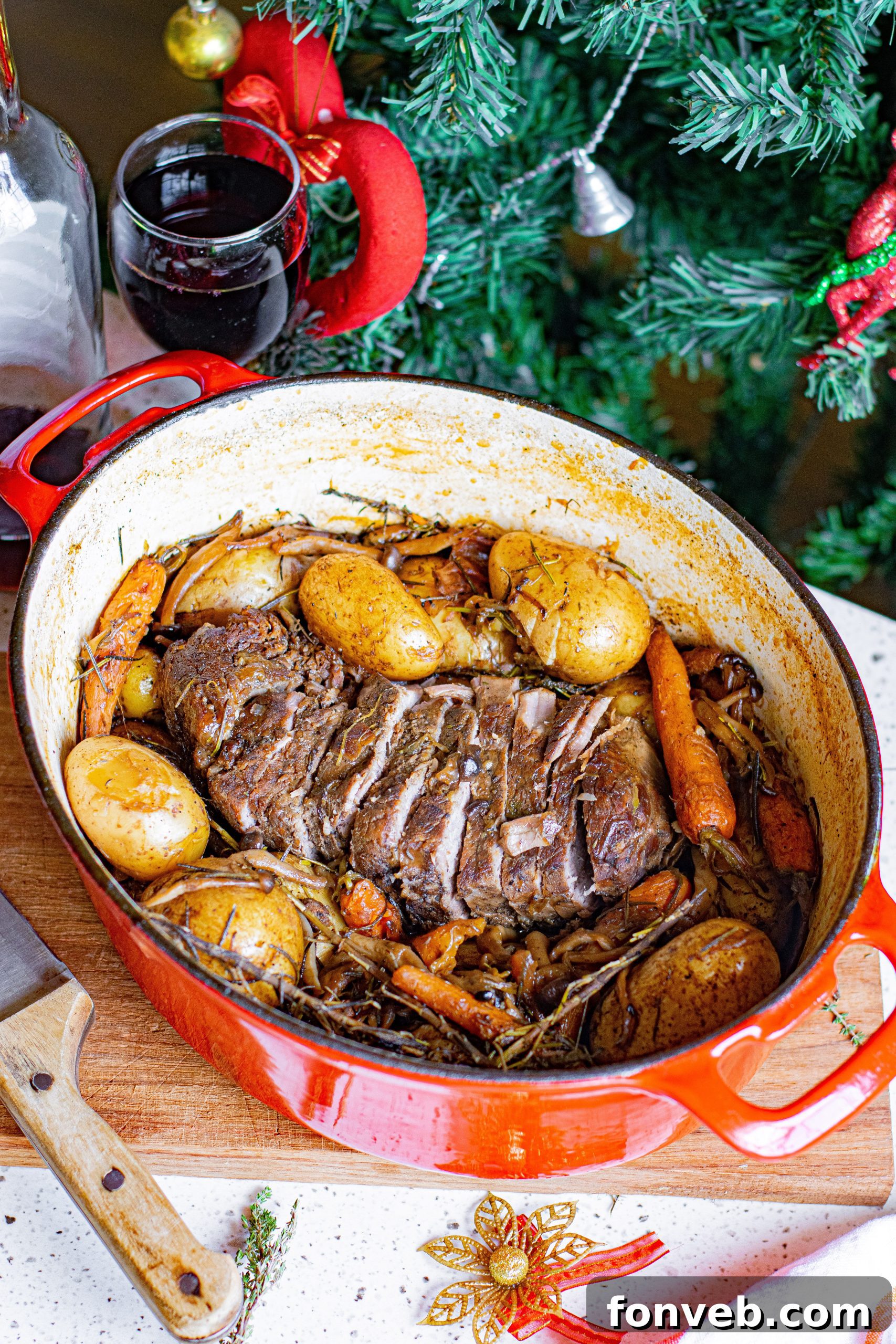
Mastering Your Pot Roast: Oven vs. Slow Cooker Methods
The versatility of pot roast extends to its cooking methods, offering two excellent paths to tenderness: the traditional oven method or the convenient slow cooker (Crock-Pot). Both yield exceptional results, but understanding their nuances can help you choose the best option for your schedule and preferences.
The Oven Method: Richness and Control
Cooking pot roast in the oven, typically in a Dutch oven or heavy-bottomed pot, allows for precise temperature control and often results in a richer, more intensely flavored gravy due to the direct heat and natural reduction of liquids. This method often begins with browning the meat on the stovetop, a crucial step for developing deep, savory flavors through the Maillard reaction. After browning, vegetables and liquids are added, and the pot is covered and placed in the oven to slow-roast.
For a 3.5-pound chuck roast, roasting in the oven at around 325-350°F (160-175°C) will generally take 2 to 3 hours, or until the meat is fork-tender. The covered environment creates a braising effect, breaking down connective tissues in the beef and transforming them into gelatin, which contributes to the incredible tenderness and moistness. This method is fantastic when you have a few hours at home to monitor and enjoy the aromas filling your kitchen.
The Slow Cooker (Crock-Pot) Method: Convenience and Hands-Off Cooking
The slow cooker, or Crock-Pot, is a game-changer for busy households, offering a truly hands-off approach to pot roast. While the initial browning of the meat on the stovetop is still highly recommended for flavor development (though not strictly mandatory for tenderness), once everything is loaded into the slow cooker, you can largely forget about it until dinner time.
When using a slow cooker, expect longer cooking times. A 3.5-pound chuck roast will typically require 6-8 hours on HIGH or 8-10 hours on LOW. The gentler, prolonged heat of a slow cooker excels at breaking down tougher cuts of meat into incredibly tender strands without drying them out. This method is perfect for preparing dinner while you’re at work or running errands, returning home to a fragrant, ready-to-eat meal. Just be mindful that the gravy might be thinner and require a quick reduction on the stovetop or a cornstarch slurry at the end.
The Perfect Companion: Pairing Your Pot Roast with Wine
A robust and savory pot roast like this finds its ideal partner in a glass of red wine. The rich, deep flavors of the beef and vegetables are beautifully complemented by the right red varietal, enhancing the overall dining experience.
Consider pairing your pot roast with a medium to full-bodied red wine such as Cabernet Sauvignon, Merlot, or a Zinfandel. These wines often boast notes of dark fruit, spice, and earthy undertones that harmonize wonderfully with the savory characteristics of the beef and the aromatic herbs used in the roast. The tannins in these reds can also cut through the richness of the meat, cleansing the palate with each sip. If you prefer something lighter but still flavorful, a Pinot Noir can also be a delightful choice, offering a fruitier counterpoint. Choose your favorite red wine, and let it elevate this already exceptional dinner into a truly memorable feast.
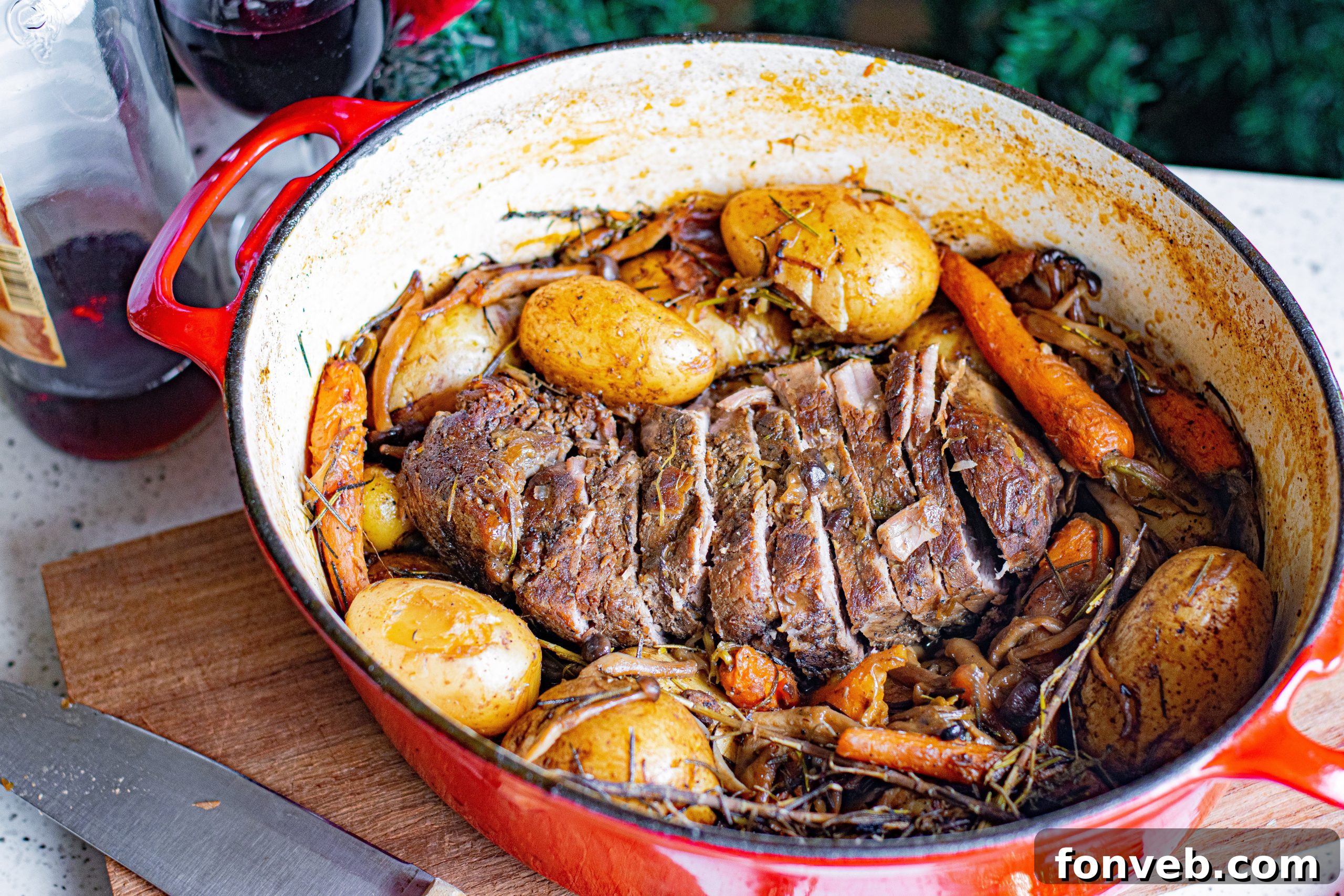
Versatile Sides for Your Pot Roast: Beyond the Basics
While the potatoes, carrots, and mushrooms cooked alongside the roast already create a complete meal, exploring additional side dishes can further enhance your dining experience or offer delightful variety.
Classic Comforts and Modern Twists
Mashed potatoes are undeniably a classic partner for pot roast, perfect for soaking up every last drop of that incredible gravy. Their creamy texture provides a wonderful contrast to the tender meat and roasted vegetables. Beyond mashed potatoes, consider serving your pot roast over a bed of al dente pasta, such as egg noodles or tagliatelle, which also readily absorb the rich sauce. Fluffy white rice or a hearty wild rice pilaf are excellent alternatives for soaking up the flavorful drippings.
For a touch of freshness, a crisp green salad with a light vinaigrette can cut through the richness of the pot roast, offering a refreshing palate cleanser. Don’t forget a side of crusty bread or dinner rolls, ideal for wiping the plate clean and enjoying every last bit of the savory gravy. These simple additions can elevate your pot roast dinner from excellent to extraordinary.
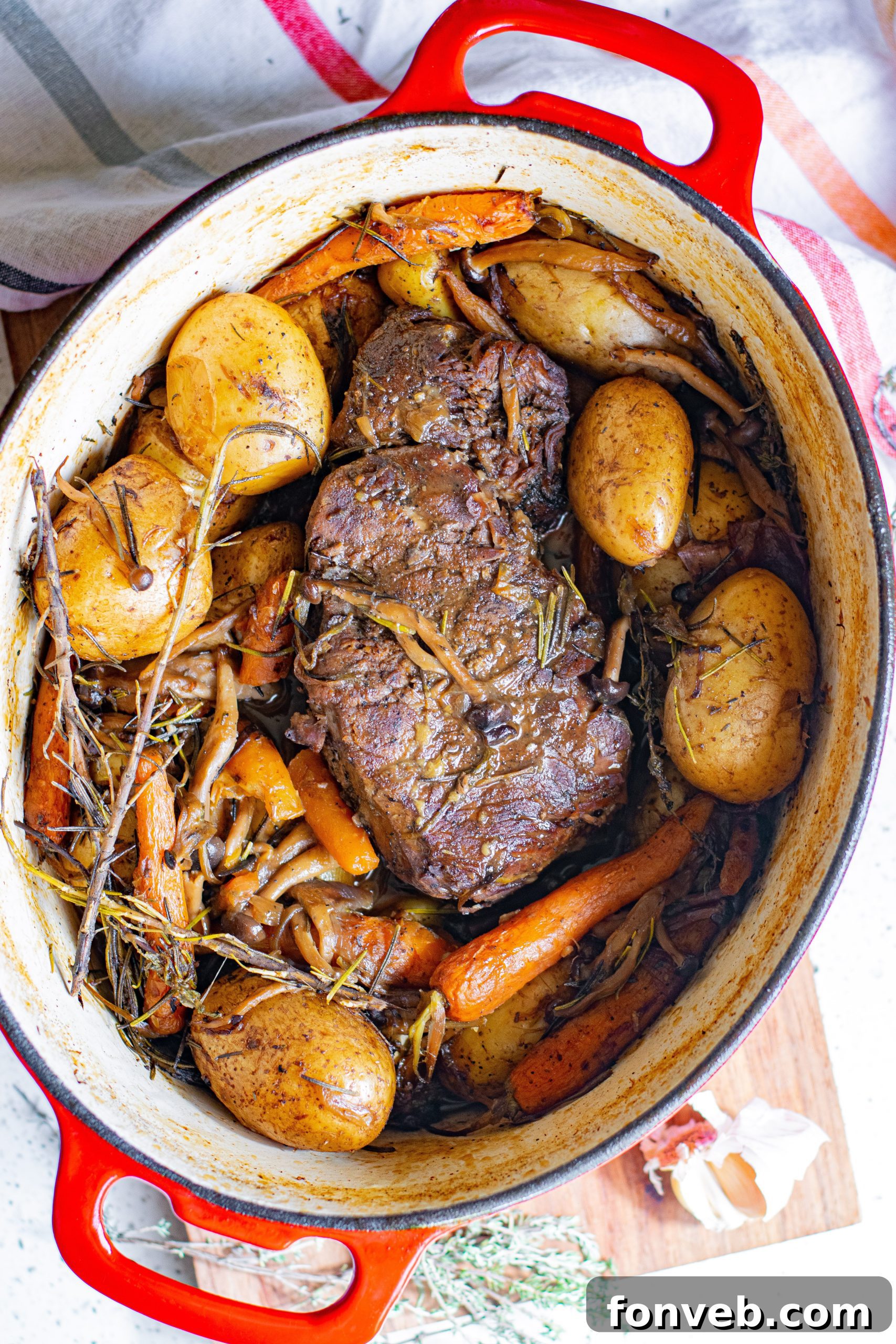
Choosing the Best Cuts of Beef for a Tender Pot Roast
The secret to a truly “melt-in-your-mouth” pot roast begins with selecting the right cut of beef. Pot roasting is a moist-heat cooking method that excels at tenderizing tougher, less expensive cuts of meat that are rich in connective tissue. During long, slow cooking, this connective tissue (collagen) breaks down into gelatin, creating a incredibly succulent and tender texture while also enriching the sauce.
Recommended Beef Cuts for Pot Roasting:
- Beef Chuck Roast (from the shoulders): This is arguably the most popular and highly recommended cut for pot roast. Chuck roasts, including blade roast, 7-bone roast, and arm roast, are well-marbled with fat and connective tissue, which break down beautifully during slow cooking, resulting in exceptional tenderness and flavor. It’s forgiving and flavorful, making it ideal for beginners and seasoned cooks alike.
- Beef Brisket (from the chest): Brisket, particularly the “flat” or “point” cuts, is another excellent choice. It’s known for its robust beefy flavor and, when slow-cooked, becomes wonderfully tender. Brisket has a good amount of connective tissue that renders into a rich, moist texture.
- Beef Shank (from the legs): Often sold bone-in as “osso buco,” beef shank is very lean but packed with flavor and collagen. The bone marrow also adds to the richness of the dish. While it requires a longer cooking time due to its lean nature, the result is incredibly tender meat that falls off the bone.
- Top and Bottom Round (from the rear): These cuts are leaner than chuck or brisket but can still make a delicious pot roast if cooked low and slow with plenty of moisture. They benefit from longer cooking times to ensure maximum tenderness. While they have less marbling, their active muscle fibers contribute to a deep beef flavor.
These cuts come from more active parts of the animal, meaning they are tougher but also incredibly flavorful. Their high collagen content is precisely what makes them perfect for pot roasting, transforming into a tender, flavorful experience through slow, gentle cooking.
The Magic of Slow Cooking: Unlocking Tenderness and Flavor
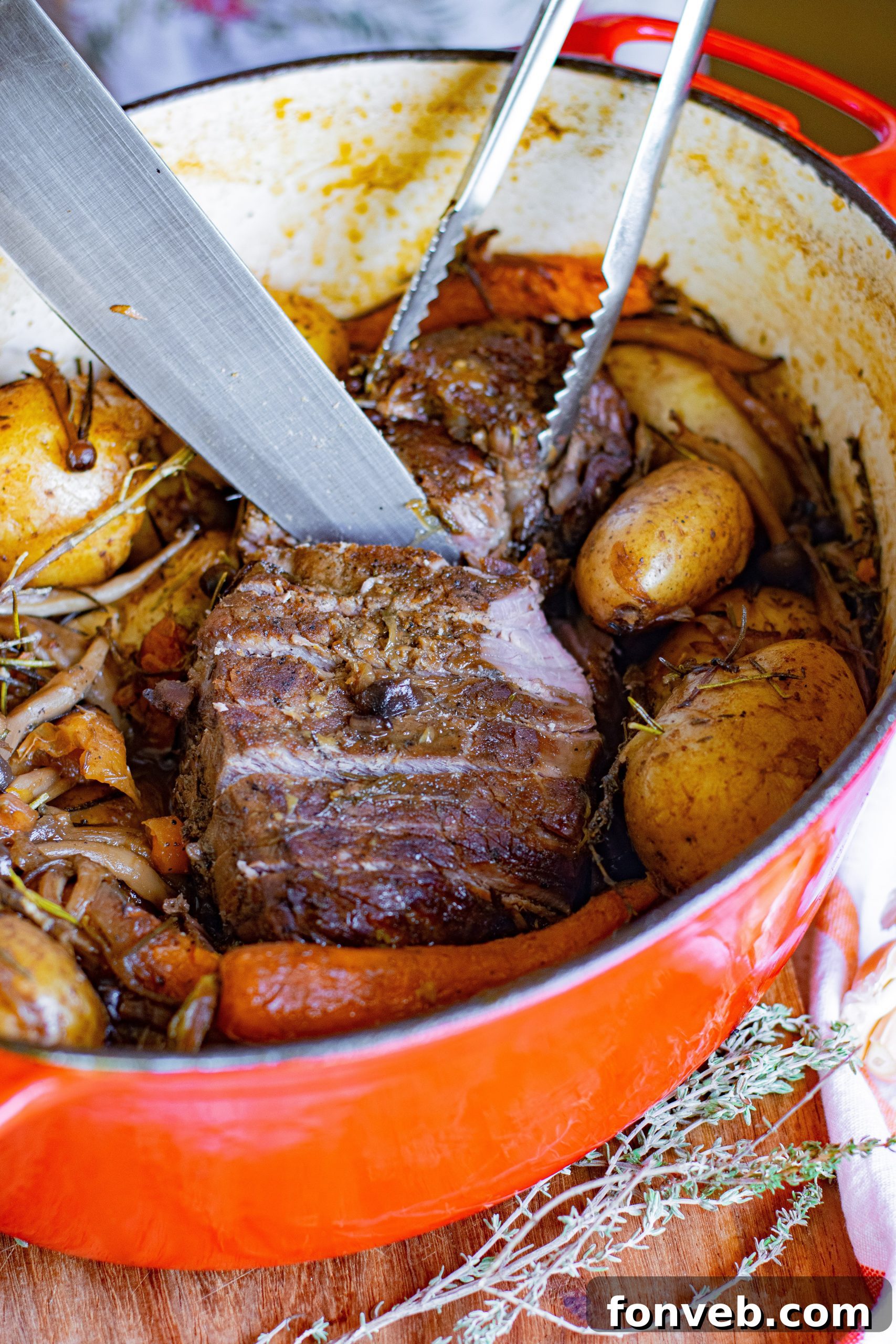
The fundamental principle behind a truly outstanding pot roast is patience. Slow cooking is not merely a method; it’s an art that transforms tougher cuts of beef into incredibly tender, flavorful meat. Over hours of gentle simmering, whether in an oven or a slow cooker, the connective tissues within the beef gradually break down. This process, known as braising, creates a succulent texture that allows the meat to be easily shredded or sliced, practically melting in your mouth. This extended cooking time also allows the meat to thoroughly absorb the aromatic liquids and seasonings, infusing every fiber with a profound depth of flavor that cannot be achieved with quicker cooking methods. It’s this commitment to slowness that guarantees a delicious, unforgettable meal.
Essential Tips for a Flawless Pot Roast
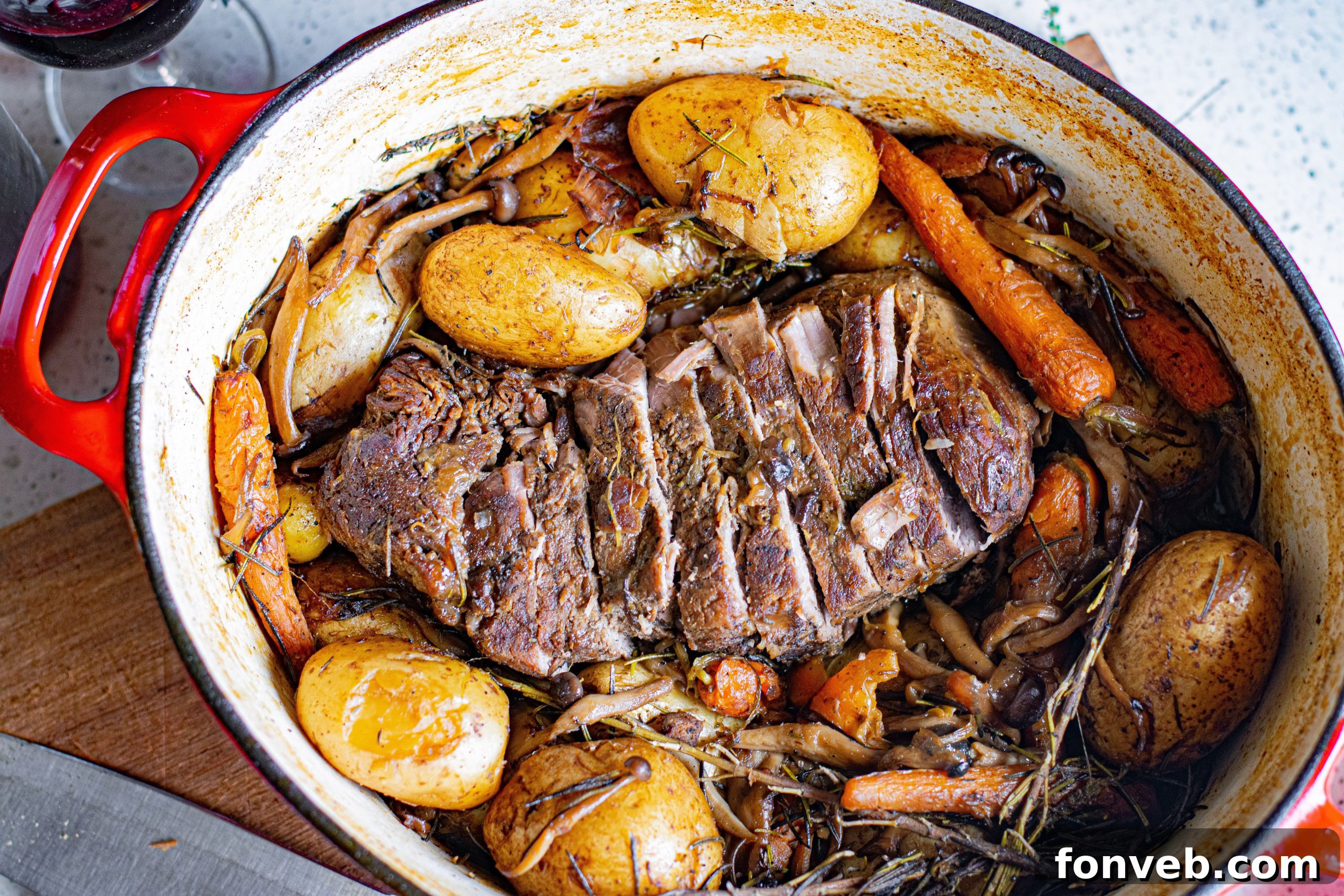
Achieving pot roast perfection involves more than just throwing ingredients into a pot. These three additional tips are crucial for maximizing flavor and tenderness, ensuring your pot roast is truly exceptional.
#1 Select the Right Cut of Meat
As discussed earlier, the foundation of a tender pot roast lies in choosing the correct beef cut. Opt for cuts like chuck roast, brisket, or beef shank. These “tougher” cuts are rich in collagen and intramuscular fat (marbling), which, under the influence of long, slow, moist heat, break down to create an incredibly succulent and “melt-in-your-mouth” texture. Avoid very lean cuts intended for quick cooking, as they tend to dry out and become tough when pot roasted. A well-chosen cut is half the battle won.
#2 Brown Your Roast First
This step is non-negotiable for superior flavor. Before adding any liquids or other ingredients, sear your seasoned beef roast on all sides in a hot Dutch oven or heavy pot until a deep brown crust forms. This process, known as the Maillard reaction, creates hundreds of new flavor compounds, adding incredible depth and complexity to the meat itself and to the final gravy. Skipping this step means missing out on a significant layer of savory deliciousness.
#3 Deglaze the Dutch Oven
After you’ve browned your roast and removed it from the pot, you’ll notice delicious brown bits stuck to the bottom of the pan. These “fond” are packed with flavor. Deglazing involves pouring a cold liquid (like red wine or beef broth) into the hot pan and scraping up these bits with a wooden spoon. This releases all those concentrated flavors into your cooking liquid, forming the foundation of a rich, robust, and incredibly savory sauce or gravy that will beautifully complement your tender pot roast. This step is key to making a truly memorable sauce.
Share Your Culinary Creation!
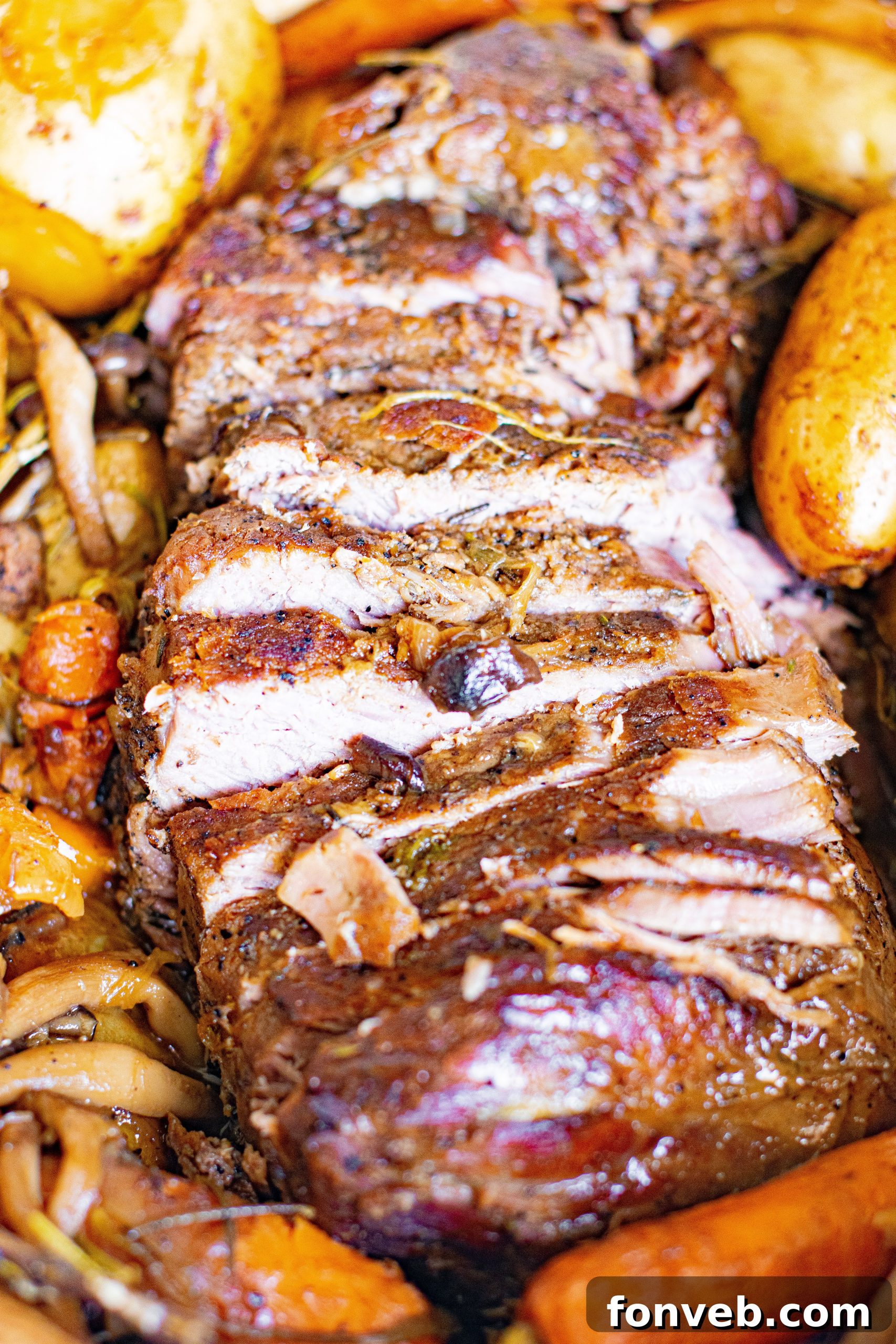
If you loved this recipe, please consider sharing it with friends and family. Your support helps us create more delicious content!
SHARE on Facebook and PIN IT on Pinterest!
Best Ever Pot Roast with Potatoes
A heartwarming, tender, and incredibly flavorful one-pot pot roast with savory potatoes, perfect for any occasion.
Prep time: 20 minutes
Cook time: 2-3 hours (Oven) / 6-10 hours (Slow Cooker)
Servings: 6-8
Ingredients
- 3.5 pound chuck roast
- Sea salt, to taste
- Black pepper, freshly ground, to taste
- 5 tablespoons olive oil, divided
- 4 onions, peeled and quartered
- 8 garlic cloves, peeled
- 2 cups baby carrots, washed
- 2 pounds baby potatoes, washed
- 2 cups red wine (e.g., Cabernet Sauvignon, Merlot, or Pinot Noir)
- 2 cups low sodium beef broth (or more if needed)
- 2 cups chopped mushrooms, washed
- 4 tablespoons Worcestershire sauce
- 6 sprigs fresh thyme
- 2 sprigs fresh rosemary
- 4 tablespoons honey (optional, for a touch of sweetness)
Instructions
- Preheat the oven to 350°F (175°C).
- Generously season the chuck roast all over with sea salt and black pepper.
- Heat 1 tablespoon of olive oil in a large Dutch oven or heavy-bottomed pot over high heat.
- Add the quartered onions, peeled garlic cloves, baby carrots, and baby potatoes to the Dutch oven. Sauté for about 5 minutes, stirring occasionally, until the vegetables are slightly browned. Be careful not to overcook them, as they will continue to cook with the roast. Remove the vegetables from the Dutch oven and set aside.
- Add the remaining 4 tablespoons of olive oil to the Dutch oven. Place the seasoned chuck roast in the hot pot and brown it on all sides, about 4-5 minutes per side, until a deep crust forms. Remove the browned meat from the Dutch oven and set it aside with the vegetables.
- Pour the red wine into the Dutch oven. Deglaze the pan by scraping up any brown bits stuck to the bottom with a wooden spoon. This “fond” is full of flavor. Remove the pot from the heat briefly.
- Return the browned meat to the Dutch oven. Pour the beef broth over the meat, then add the Worcestershire sauce. Add the reserved sautéed vegetables (onions, garlic, carrots, potatoes) and the chopped mushrooms around the roast. Nestle in the fresh thyme and rosemary sprigs. Drizzle with honey, if using. The liquid should cover at least halfway up the meat; if not, add more beef broth. Adjust salt and pepper to taste.
- Cover the Dutch oven tightly with its lid and place it in the preheated oven. Roast for 2 to 2.5 hours, or until the roast is fork-tender and easily pulls apart. Cooking time may vary based on the size and cut of meat.
- Once cooked, carefully remove the Dutch oven from the oven. Let the pot roast rest for 10-15 minutes before serving. This allows the juices to redistribute, ensuring a moist and tender roast.
- Serve hot, making sure to spoon plenty of the flavorful gravy and tender vegetables over each portion. ENJOY!
We hope you enjoyed this journey to pot roast perfection! Follow us on Pinterest for more incredible recipes and culinary inspiration.
Follow us on Pinterest!
Did you make this recipe? We’d love to hear about it! Tag us on social media.